Choosing the best time to visit Machu Picchu depends on what matters most to you: clearer mountain views, quieter visiting periods, greener scenery, or comfortable trekking conditions. Peru’s famous Inca citadel welcomes visitors throughout the year, but rainfall, cloud cover, demand, and trail conditions change considerably between seasons. A January visit can feel atmospheric and adventurous, while July usually offers drier weather alongside much heavier demand.
This month-by-month guide covers Machu Picchu weather, crowds, hiking conditions, tickets, and travel planning. It groups the calendar into practical travel seasons, making it easier to compare similar months. Weather patterns described here are typical rather than guaranteed: Machu Picchu sits in a mountain cloud forest, where sunshine, mist, and rain can appear during the same visit.
Best Time to Visit Machu Picchu: Understanding the Seasons
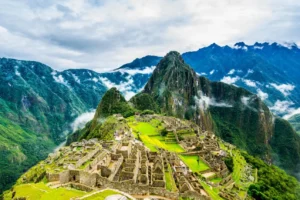
Dry Season: Generally May Through September
The Machu Picchu dry season generally brings lower rainfall and better odds of open mountain views. These months are particularly appealing for the Inca Trail and other multiday hikes. However, “dry season” does not mean rain is impossible. June, July, and August also attract substantial visitor demand, so desirable entry times, train departures, and guided treks can sell out. Nights at higher elevations around Cusco and mountain campsites can be much colder than daytime conditions at the citadel.
Rainy Season: Generally November Through March
The Machu Picchu rainy season brings greener vegetation, frequent cloud movement, and a greater chance of wet paths. January and February are usually among the wettest months. Travel remains possible, but heavy rainfall can occasionally disrupt rail services, roads, or trekking routes. Visitors should plan with flexibility rather than expecting uninterrupted sunshine. Rainy-season demand may be lighter outside holidays, although cheaper accommodation and transport are not guaranteed.
Shoulder Season: April and October, with May and September as Alternatives
April and October are useful transition months for travelers seeking a balance between weather and demand. May and September are also popular alternatives to the busiest midyear period, although both can attract many visitors. These seasonal boundaries are approximate: rains may continue later into one year or begin earlier in another. Choose your travel dates around your preferred activities, then check current conditions and availability before booking nonrefundable arrangements.
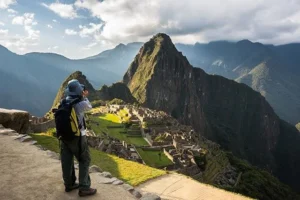
Machu Picchu in January, February, and March: Rainy-Season Travel
Machu Picchu in January
Weather, Landscape, and Visibility
Machu Picchu in January is typically wet, green, and humid. Rain can arrive as brief showers or longer periods of steady precipitation, while clouds may obscure the surrounding peaks. Those same clouds can create striking scenes as terraces and stone buildings emerge from the mist. Expect damp steps and occasional puddles rather than consistently clear sightseeing conditions. Bring waterproof outerwear, quick-drying clothing, and protection for your phone or camera. Early entry does not guarantee clear views, because morning fog can linger.
Crowds, Hiking, and Booking Advice
January can be less crowded than the main dry-season months, but New Year travel may increase demand at the beginning of the month. Visiting by train and staying overnight in Aguas Calientes can simplify your schedule, although transport remains weather-dependent. Trekking requires greater tolerance for mud and wet equipment. If hiking is your priority, ask operators about trail conditions, contingency plans, and cancellation terms. Avoid scheduling your Machu Picchu visit immediately before an essential international departure.
Machu Picchu in February
Weather and the Annual Inca Trail Closure
Machu Picchu in February usually means substantial rainfall and lush cloud-forest scenery. The most important planning distinction is that the Inca Trail normally closes throughout February for annual maintenance and conservation work. This does not mean the Machu Picchu archaeological site closes for the month. The citadel generally remains open, subject to operational or safety restrictions. Travelers should distinguish between access to the ruins, access to specific mountain routes, and access to the wider trekking network.
Who Should Consider a February Visit?
February can suit travelers who prioritize the archaeological site over a multiday trek and accept uncertain visibility. It is less suitable for anyone seeking reliably dry hiking conditions. Alternative treks are not automatically good substitutes: some remain available, but heavy rain, swollen waterways, and difficult highland conditions can affect safety and comfort. Confirm arrangements with a reputable operator. Keep additional time in your itinerary, monitor transport updates, and choose accommodation with practical modification policies whenever possible.
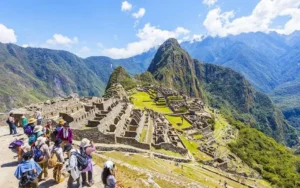
Machu Picchu in March
Weather as the Rainy Season Begins to Ease
Machu Picchu in March remains rainy, although conditions often begin improving as the month progresses. The mountains stay intensely green, and shifting clouds can produce memorable views between showers. March should not be treated as a reliably dry month, however. Saturated ground and slippery stone surfaces may persist even after rainfall decreases. Waterproof footwear with good grip is helpful, especially if your itinerary includes stairs, uneven paths, or additional mountain hikes within the Machu Picchu area.
Trekking and Holiday Demand
The Inca Trail normally reopens in March after its February closure, subject to official conditions and authorization. Trails may still be muddy, so discuss equipment and expected walking conditions before reserving. March can offer a useful compromise for visitors seeking greenery without traveling during the wettest part of the year. Check the dates of Easter and Holy Week, which sometimes fall in March and can increase domestic and international travel demand. Reserve around these periods rather than assuming shoulder-season availability.
Machu Picchu in April and May: Improving Weather and Green Scenery
Machu Picchu in April
Weather and Photography Conditions
Machu Picchu in April often combines decreasing rainfall with landscapes that remain green after the wet season. This makes April an attractive option for photography, sightseeing, and travelers who want a transitional climate. Showers are still possible, and cloud cover can change rapidly across the mountains. Pack for mixed conditions instead of leaving rain protection behind. The combination of fresh vegetation and occasional clear intervals can be rewarding, but no particular entry time guarantees unobstructed views.
Crowds and Itinerary Planning
April is frequently recommended as one of the best months to visit Machu Picchu, which means desirable tickets are not necessarily easy to obtain. Easter and Holy Week can create especially busy periods when they fall during the month. Book your preferred entry route before finalizing connecting transport. April also works well for combining Machu Picchu with the Sacred Valley and Cusco, giving you a varied itinerary without concentrating every major activity into one weather-sensitive day.
Machu Picchu in May
Drier Days and Comfortable Exploring
Machu Picchu in May generally marks a clearer shift toward dry-season conditions. Rainfall tends to decline, while surrounding slopes may retain some rainy-season greenery. For many visitors, this creates an appealing balance between scenery and the likelihood of clearer views. Sunny periods can feel warm during walking, but shaded areas and early starts may be cooler. Carry light layers and sun protection, and remember that strong ultraviolet exposure remains a concern even when the air feels mild.
Growing Demand for Tickets and Treks
May is an excellent month to consider for the Inca Trail to Machu Picchu, but it is not an undiscovered quiet period. Trek permits, popular entry routes, and convenient trains can be in high demand. Reserve early if your dates are fixed or your group needs to travel together. If you plan a high-altitude trek, build acclimatization days into your schedule before departure. Better weather does not reduce the physical demands of mountain passes or long walking days.
Machu Picchu in June, July, and August: Dry-Season Peak Travel
Machu Picchu in June
Weather and Trekking Conditions
Machu Picchu in June usually offers relatively low rainfall and favorable conditions for outdoor exploration. Clearer weather can improve mountain visibility, although cloud and occasional showers remain possible. June is particularly attractive for trekkers, but overnight temperatures at higher campsites can be cold. Do not pack solely according to the warmer conditions expected at the citadel. A trekking itinerary may cross several climate zones, requiring insulating layers as well as lightweight clothing for daytime walking.
Cusco Celebrations and Regional Demand
June is a major festival period in Cusco, including Inti Raymi on June 24. Celebrations can make a wider Peru itinerary especially memorable, but they also increase pressure on accommodation, transport, and tours. Machu Picchu itself does not host the principal Inti Raymi celebration. If you want to combine both experiences, organize the sequence carefully and allow time for busy streets and transfers. Book central Cusco accommodation early if location is important during festival dates.
Machu Picchu in July
Dry Weather and Heavy Visitor Demand
Machu Picchu in July appeals to travelers seeking drier conditions during a popular international holiday period. It is commonly one of the busiest months, particularly for sought-after entry times and routes. Clear skies are possible, but mountain weather still varies. Expect strong sun during exposed sections of your visit and cooler conditions before sunrise or after sunset. Comfortable walking shoes, sunscreen, a hat, and a light rain layer remain useful even during this comparatively dry month.
Independence Holidays and Advance Reservations
Peru’s Independence Day holidays on July 28 and 29 can add domestic travel demand to an already busy season. Reserve Machu Picchu tickets, trains, accommodation, and guides well ahead when possible. If your preferred route is unavailable, examine alternatives carefully rather than assuming every ticket provides the same experience. Build your daily schedule around confirmed entry and transport times. Trying to improvise an entire visit after arriving in Cusco can substantially limit your options.
Machu Picchu in August
Weather for Sightseeing and Mountain Hikes
Machu Picchu in August generally continues the dry-season pattern, making it a strong option for sightseeing and trekking. Trails may be less muddy than in the rainy season, but steep steps and uneven surfaces still require attention. Longer walks can feel demanding under direct sunshine. Carry permitted drinking water, use sun protection, and pace yourself rather than rushing between viewpoints. Conditions on high-altitude trekking routes remain colder and more exposed than those around Aguas Calientes.
Planning Around International Holidays
August overlaps with major vacation periods in several countries, so demand can remain high throughout the month. Travelers with fixed school-holiday dates should prioritize availability over assumptions about quieter weekdays. An overnight stay in Aguas Calientes may reduce the pressure of a long same-day journey, but it does not replace the need for a timed entrance ticket. For additional hikes such as Huayna Picchu, confirm the precise ticket product and eligibility requirements before making other reservations.
Machu Picchu in September and October: Alternatives to Midyear Crowds
Machu Picchu in September
Weather Near the End of the Dry Season
Machu Picchu in September often retains favorable dry-season conditions while moving toward a wetter part of the year. Many days are suitable for sightseeing and trekking, although rainfall can become more frequent as seasonal patterns shift. September is appealing if you want reasonable chances of mountain views without traveling in July or August. Nevertheless, it remains a popular month. Pack for both sunshine and showers, and avoid treating historical seasonal averages as a promise for your specific dates.
A Balanced Choice for Flexible Travelers
September can offer a useful balance of weather, trekking opportunities, and somewhat reduced holiday pressure compared with peak midyear travel. Availability still depends on the route, entry time, and transport service you want. It is a good month for combining Machu Picchu with Sacred Valley villages, archaeological sites, and time in Cusco. If flexibility allows, compare several dates before booking. The most convenient itinerary may depend more on coordinated ticket and train availability than on a particular weekday.
Machu Picchu in October
Increasing Showers and Changing Scenery
Machu Picchu in October sits in the transition toward the rainy season. Visitors may experience bright sunshine, passing clouds, and rain within a single day. Vegetation begins responding to returning moisture, while mountain views become less predictable. October can still provide rewarding sightseeing conditions, but waterproof layers become especially useful. Keep electronics in a dry bag or protective cover, and choose shoes that remain comfortable if pathways are damp during much of your visit.
Value, Crowds, and Hiking Decisions
October may appeal to travelers looking beyond the busiest dry-season months, although lower prices and smaller crowds are never guaranteed. Compare complete trip costs rather than assuming seasonal savings on official entrance tickets. Trekking remains possible, but ask operators how they manage wet-weather conditions and route changes. If hiking is optional rather than essential, a train-based itinerary offers a different balance of exertion and logistics. Keep enough flexibility to respond to current transport and weather information.
Machu Picchu in November and December: Returning Rains and Holiday Travel
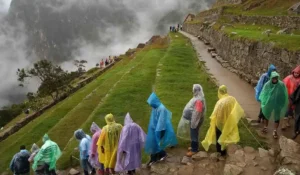
Machu Picchu in November
Rainy-Season Conditions Return
Machu Picchu in November generally brings more frequent rainfall as the wet season becomes established. The landscape grows greener, and mist can create a dramatic atmosphere around the terraces. Visibility may change quickly, rewarding patience when clouds briefly move away. However, visitors should be comfortable with the possibility of persistent rain. Choose breathable waterproof clothing rather than relying on a heavy coat, because walking in humid conditions can feel warm even when the sky is overcast.
Practical Planning for Wetter Days
November can suit travelers who value atmosphere and itinerary flexibility more than reliably clear photography conditions. Some tourism services may have better availability than during peak months, but popular routes still require planning. Leave time between your Machu Picchu visit and onward flights, especially if your journey includes multiple transport connections. For trekking, check recent trail reports through your operator. Conditions on the ground matter more than a general statement that a route is usually open in November.
Machu Picchu in December
Weather and End-of-Year Atmosphere
Machu Picchu in December falls within the rainy season, with frequent showers, humid conditions, and green mountain scenery. Mist may obscure panoramic viewpoints, although clear intervals can still occur. December works best for visitors who can enjoy the archaeological setting without requiring perfect weather. Pack waterproof protection for documents and electronics, along with layers that dry quickly. Wet-season travel is manageable with realistic expectations, suitable equipment, and a schedule that is not built around tight connections.
Christmas and New Year Reservations
December has two distinct planning considerations: rainy-season conditions and increased demand around Christmas and New Year. Do not assume that wet weather means uncrowded holiday dates or inexpensive hotels. Reserve accommodation, entry tickets, and trains early if traveling late in the month. Confirm holiday operating arrangements directly with providers. If your itinerary continues into January, allow flexibility across the entire trip rather than concentrating buffer time on only one side of your Machu Picchu visit.
How to Plan a Machu Picchu Visit in Any Month
Machu Picchu Tickets, Circuits, and Mountain Hikes
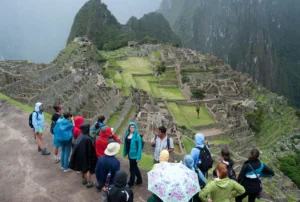
Machu Picchu entrance tickets are tied to specific visiting arrangements, and ticket products do not necessarily cover the same viewpoints or archaeological areas. Circuits, route availability, schedules, and access rules can change. Consult the official Peruvian Ministry of Culture ticketing information before purchasing, especially if a classic panoramic viewpoint or a mountain hike is essential to your visit. Huayna Picchu and Machu Picchu Mountain are distinct experiences, not interchangeable names for the main citadel tour. Confirm exactly what is included.
Getting to Machu Picchu by Train
Many travelers reach Machu Picchu Pueblo, also called Aguas Calientes, by train and continue to the entrance by shuttle bus or an uphill walk. Trains to Machu Picchu operate from different stations and may involve road transfers depending on the service and season. Check departure locations carefully rather than assuming every train leaves from central Cusco. Match your arrival with your entrance time, allowing for queues, transfers, and unexpected delays. During heavy rain, monitor official operator notices.
Altitude and Acclimatization
Machu Picchu’s altitude is approximately 2,430 meters, lower than Cusco, which sits at roughly 3,400 meters. Some visitors therefore feel more comfortable at the citadel than when first arriving in Cusco. However, many associated trekking routes climb considerably higher. Build acclimatization time into your trip before strenuous hiking, especially if arriving from sea level. Travel gently at first and seek medical advice for significant symptoms rather than assuming every headache or episode of breathlessness is harmless.
What to Pack for Machu Picchu
A useful Machu Picchu packing list changes less between seasons than many travelers expect. Rain protection is sensible year-round, while sun protection remains important during cloudy weather. Bring only what you need and check current visitor regulations concerning bag sizes, food, walking equipment, and other restricted items. Pack for the entire itinerary: a citadel visit, a night in Cusco, and a high-altitude trek require different levels of insulation.
- Comfortable footwear with reliable grip.
- A lightweight waterproof jacket and quick-drying layers.
- A hat, sunscreen, and insect repellent.
- Your required identification and confirmed booking details.
- Protected electronics and permitted drinking water.
Choosing the Best Month for Your Travel Style
For Clearer Views and Trekking
If your main priorities are lower rainfall and long-distance hiking, focus on May through September. June, July, and August offer appealing seasonal conditions but require advance planning and tolerance for high demand. May and September are worthwhile alternatives, not guaranteed crowd-free months. For photographers, flexibility matters as much as the calendar: the cloud forest can conceal or reveal the mountains in any season, and no month guarantees a particular photograph.
For Green Landscapes and a Flexible Itinerary
If you enjoy lush scenery and can accept showers, consider April, October, or parts of the rainy season. January through March can be particularly green, but transport resilience and realistic expectations become more important. February is unsuitable for a standard Inca Trail itinerary because of the annual closure. Whatever month you choose, the strongest plan combines confirmed tickets, coordinated transport, appropriate clothing, and enough spare time to enjoy Machu Picchu without rushing.