This guide explains how permits work, where to find official information, how to compare prices, and what to consider when booking the Classic or Short Inca Trail. It also separates current planning for 2026 and 2027 from outdated information about 2025, helping you avoid misleading availability claims and old booking advice.
Planning note: This guide is written for October 2026. Live availability, future release dates, official fees, and route regulations require confirmation through Peru’s Ministry of Culture and an authorized operator. Price ranges below are planning estimates, not official government tariffs.
What Are Inca Trail Permits?
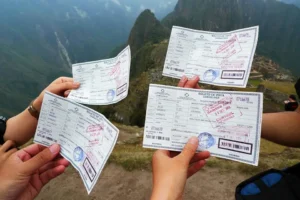
Inca Trail permits authorize entry to designated sections of the protected Inca road network leading toward Machu Picchu. They regulate visitor numbers, support conservation, and help authorities manage trekking groups, campsites, and personnel. A permit is associated with a specific person, departure date, and authorized itinerary; it is not a flexible admission pass that can be used whenever you arrive in Cusco.
Travelers normally obtain their permit through a licensed trekking operator as part of an organized trip. Buying a Machu Picchu entrance ticket separately does not give you access to the controlled Inca Trail. Similarly, reserving a hotel, train, or guide does not establish a trail booking unless the operator has actually secured the required authorization.
Peru Inca Trail Permits: Who Needs One?
Peru Inca Trail permits are required for visitors entering the regulated trekking routes, including the well-known multi-day Classic Inca Trail and the shorter approach commonly starting near Kilometer 104. The relevant permissions depend on the itinerary, so travelers should not assume that every hike marketed with “Inca” in its name uses the same permit system.
Popular alternatives such as the Salkantay Trek and Lares Trek generally do not require the Classic Inca Trail permit. However, those journeys may involve other entrance fees, local charges, or separate Machu Picchu tickets. Any alternative itinerary that joins a controlled Inca Trail section must include the authorization appropriate to that section.
Inca Trail Permits Per Day: How the Quota Works
The commonly cited limit for Inca Trail permits per day on the Classic route is approximately 500 people, including trekkers, guides, porters, and other authorized support staff. This does not mean 500 tourist places are available. Because trekking teams require support personnel, the number of visitor spaces is substantially lower and varies with staffing requirements.
The Short Inca Trail operates under separate route-specific capacity arrangements. Do not apply the Classic route’s headline quota to every itinerary. Ask your operator which route your reservation uses, what current capacity rules apply, and whether the availability shown represents tourist places for your exact departure date.
Official Sources and Where to Buy Inca Trail Permits
Inca Trail Permits Official Site: Where to Verify Information
These sources help verify regulations, ticket categories, and official announcements. However, an official Machu Picchu ticket portal should not be confused with a self-service checkout for an independent Classic Inca Trail trek. Operators normally manage trail reservations through the applicable authorized process; visitors cannot simply buy a permit and hike the regulated route alone.
How to Recognize a Reliable Booking Website
A trustworthy operator clearly identifies its business, explains whether it holds the necessary authorization or works through an authorized operating partner, and provides written booking conditions. Be cautious when a website uses “official” in its name without demonstrating a government connection. Secure payment processing is useful, but it does not independently prove that a company can obtain permits or deliver the advertised trek.
- Request the legal business name and operating details.
- Check recent independent reviews and consistent contact information.
- Ask who will actually operate the trek.
- Read cancellation, passport-change, and permit-confirmation terms.
Where to Buy Inca Trail Permits
The practical answer to where to buy Inca Trail permits is through an authorized trekking operator offering your chosen route. Most travelers purchase a package combining the permit with guiding, transport, meals, accommodation or camping arrangements, and other logistics. Confirm the inclusions carefully because packages with similar names can cover very different services.
Booking directly with an operator may simplify communication, while using a travel agency can be convenient for a larger Peru itinerary. Either way, establish which company secures the permit and which company runs the trek. A reseller’s payment receipt is not, by itself, evidence that the government reservation has been issued.
How to Get Inca Trail Permit Approval
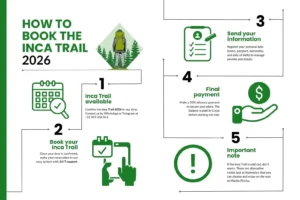
If you are researching how to get Inca Trail permit reservations confirmed, start with your preferred route, travel window, and group size. Contact an authorized operator, provide the requested identity information, and review the total package price before paying. The operator then follows the applicable reservation process, subject to available capacity and booking rules.
- Select your itinerary: Classic or Short Inca Trail.
- Offer backup dates: Several options improve your chances.
- Submit accurate details: Names, nationality, birth date, and passport information as requested.
- Review the contract: Check payment, cancellation, and amendment conditions.
- Obtain written confirmation: Verify the date, route, and traveler details.
A deposit may authorize the operator to attempt a reservation rather than prove that a permit already exists. Ask explicitly whether your booking is confirmed, pending release, or awaiting allocation. This distinction is especially important when arranging travel for a year whose permits have not yet opened.
Checking Inca Trail Permit Availability
Inca Trail Permit Availability: What to Check
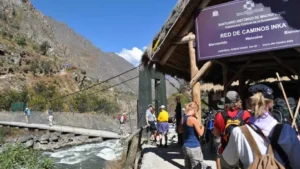
Inca Trail permit availability depends on the departure date, route, and number of travelers requiring space. A calendar showing one remaining place will not accommodate a couple or larger group. Check the actual trek-start date rather than the day you reach Machu Picchu, since multi-day itineraries begin several days before the final visit.
Availability can change between receiving a quotation and submitting payment. Ask when the operator last checked the inventory and whether any reservation has actually been secured. Screenshots and calendar widgets are useful references, but they should not replace a current check and written booking confirmation.
Inca Trail Permits Availability in Peak Season
Searches for Inca Trail permits availability often focus on the drier months from May through September. These months attract strong demand, particularly around holidays and established tour departures. April and October can also be popular. Weather patterns vary, and a traditionally dry month does not guarantee clear skies or rain-free trekking.
For high-demand dates, begin planning several months ahead and preferably before the relevant annual release. Flexibility is valuable: moving your departure by a few days or choosing a different itinerary may reveal options. Nevertheless, booking early is a strategy rather than a guarantee, especially for large groups seeking the same departure.
What to Do When Your Preferred Date Is Sold Out
If the Classic route is unavailable, check nearby departure dates, the Short Inca Trail, or a different trek paired with a separately arranged Machu Picchu visit. Do not rely on resale websites or assume a canceled place will become transferable. Named permits are tightly controlled, and another traveler’s cancellation does not automatically create a permit you can purchase.
- Ask about a wider departure window.
- Compare Short Inca Trail availability separately.
- Consider Salkantay or Lares with appropriate Machu Picchu tickets.
- Avoid nonrefundable transport until your trekking arrangements are clear.
When Inca Trail Permits Are Released
When Do Inca Trail Permits Go on Sale?
When do Inca Trail permits go on sale? There is no single permanent date travelers should assume applies every year. Authorities announce the booking arrangements for each season, and releases may follow a staged schedule. Historically, sales for the following year have often opened during the preceding year, but that pattern does not establish a confirmed future opening date.
Operators sometimes collect advance bookings before the official sale begins. This can help them prepare traveler information and prioritize reservation requests, but it is not the same as holding issued permits. Before paying, ask what happens if your first-choice date is unavailable and whether the deposit is refundable or transferable under those circumstances.
When Are Inca Trail Permits Released for Specific Months?
The question when are Inca Trail permits released can also refer to when an individual travel month becomes bookable. Depending on the official announcement, different dates, periods, or routes may open under different arrangements. A release affecting the Classic route should not automatically be interpreted as confirmation that every Short Inca Trail product is available.
For reliable planning, request the current official notice or a direct link to it. Your operator should distinguish an announced release schedule from an expected one. Treat unsourced claims such as “all next-year permits open tomorrow” cautiously, particularly when they appear on pages that have not been updated for the relevant travel year.
Inca Trail Permits by Travel Year
Inca Trail Permits 2027: Planning Ahead
Travelers researching Inca Trail permits 2027 should prepare their preferred itinerary, backup dates, and passport details early. As of this guide’s October 2026 planning date, the exact 2027 release status must be checked against current official announcements. This article does not confirm that every 2027 date is open, available, or operating under unchanged regulations.
Ask prospective operators whether they are accepting advance requests or issuing confirmed reservations. Also verify the 2027 package price, campsite arrangements, included Machu Picchu access, and amendment policy. If you are traveling with friends, coordinate promptly: securing some members of a group does not reserve places automatically for everyone else.
Inca Trail Permits 2026: Remaining-Year Reservations
For Inca Trail permits 2026, focus on dates that remain in the calendar rather than annual availability summaries published months earlier. In October 2026, an article describing spring or summer inventory is no longer useful for a new booking. Have an operator check your intended departure directly and confirm that the entire itinerary can still be delivered.
Late-year travel can bring wetter conditions, making waterproof gear, suitable footwear, and flexible expectations especially important. Short-notice availability is possible but should never be promised without verification. Your operator must also coordinate staff, transport, accommodation, and any additional admission products needed beyond the basic trail arrangement.
Inca Trail Permits 2025: Why Older Information Matters
Search results for Inca Trail permits 2025 now refer to a completed travel year. Those pages may help illustrate historical booking patterns, but their permit inventories, release dates, fees, and package offers cannot be treated as current. A date visible in a search snippet does not necessarily indicate that the underlying page has been properly updated.
Use older content only as background. For a new trip, confirm the actual travel year on your quotation, invoice, and reservation documents. The same principle applies to saved screenshots and forwarded emails: details that were accurate for 2025 may not describe the rules or availability for 2026 or 2027.
Inca Trail Permits Price and Total Trekking Costs
Inca Trail Permits Price: Government Fees Versus Packages
The phrase Inca Trail permits price can mean either the official admission-related charge or the complete trekking package. These are different figures. The government-controlled component covers the relevant authorization, while an operator’s price also reflects guiding, staff, transport, meals, equipment, accommodation, administration, and other services listed in the itinerary.
Do not assume a low advertised “permit price” represents the amount required to complete the trek legally and comfortably. Request an itemized explanation of what is included and consult the current official tariff where applicable. Traveler categories, route selection, and valid eligibility for concessions can affect charges, so one price should not be presented as universal.
Inca Trail Permits Cost: Realistic Package Budgets
When comparing Inca Trail permits cost, use full-trip estimates rather than isolated permit figures. For planning, shared Classic Inca Trail packages commonly fall around US$700–US$1,300 or more per person, while shared Short Inca Trail packages often fall around US$400–US$700 or more. These broad estimates are not verified 2027 quotations and can vary considerably.
| Expense category | What to clarify |
|---|---|
| Permit and admission | Exact trail authorization and included Machu Picchu access |
| Guiding and staff | Guide services, porter arrangements, and group size |
| Transport | Transfers, train category, buses, and return destination |
| Accommodation | Camping equipment or hotel standard, depending on route |
| Extras | Equipment rental, personal porter services, tips, and additional tickets |
Private departures, premium trains, upgraded hotels, and smaller groups can increase costs substantially. Conversely, a cheaper itinerary may exclude services you expected. Compare like-for-like inclusions, staff welfare standards, and emergency procedures rather than selecting solely on the advertised starting price.
Student Discounts, Deposits, and Additional Expenses
Some official admission categories may offer concessions for eligible travelers, but qualifying documents and age requirements must be checked against current rules. A student discount on an admission component does not necessarily reduce the entire package significantly. Ask the operator to confirm eligibility before booking and identify which original documents you must carry at checkpoints.
Budget separately for travel insurance, acclimatization nights, trekking equipment, gratuities, and any meals outside the itinerary. Review how cancellation affects both the government-controlled reservation and the operator’s services. These components may have different conditions, and a nonrefundable permit does not automatically explain every charge retained after cancellation.
Classic, Short, and Machu Picchu Permit Differences
Classic Inca Trail Permits
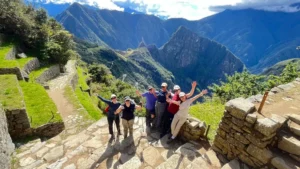
Classic Inca Trail permits are associated with the famous multi-day route, commonly sold as a four-day, three-night trek. The journey combines mountain passes, archaeological sites, cloud forest, and the traditional approach toward Machu Picchu through Inti Punku, the Sun Gate. The standard trek is often described as approximately 42 kilometers, although exact distances depend on the itinerary and measurement method.
This option suits travelers who want an immersive camping experience and can manage several demanding walking days. Some operators offer longer variations, but a five-day itinerary does not automatically bypass the regulated quota. Ask which route authorization applies and how the departure date, campsites, and final Machu Picchu visit are organized.
Short Inca Trail Permits
Short Inca Trail permits cover a shorter regulated approach commonly beginning near Kilometer 104. Many packages include one substantial hiking day, an overnight stay in Aguas Calientes, and a Machu Picchu visit under the itinerary’s booked arrangements. Although it avoids the Classic route’s highest passes and multiple camping nights, the hike still involves prolonged walking, stairs, and potentially hot or wet conditions.
Availability should be checked independently because this route uses different capacity arrangements. Confirm the train schedule, hotel inclusion, baggage restrictions, and precise sequence of hiking and sightseeing. The Short Inca Trail can be an excellent alternative for limited time, but it is not an unrestricted substitute that can always be booked after the Classic route sells out.
Machu Picchu Inca Trail Permits: Understanding Site Access
Travelers searching for Machu Picchu Inca Trail permits often want to know whether reaching the ruins also includes a complete guided visit. The answer depends on the current route rules and your booked product. Inca Trail arrival access should not be assumed to match every separately sold Machu Picchu circuit or provide unlimited movement throughout the archaeological site.
Ask your operator to name the exact included circuit or authorized visiting arrangement. Optional experiences such as Huayna Picchu or Machu Picchu Mountain may require separate reservations and must fit the permitted timetable. Purchasing an additional ticket does not guarantee that its entry time will work with your trekking arrival and return transport.
Important Rules Before You Book
Passport Details, Changes, and Transfers
Submit your identity details exactly as requested and carry the appropriate original identification. Permits are generally personal and nontransferable, so you should not expect to sell a booking or substitute another traveler. Date changes can also require a new reservation rather than a simple amendment. Always read the operator’s terms alongside the applicable official rules.
If your passport will expire before departure, discuss renewal before the booking is made. There may be a documented procedure for updating identification, but travelers should not assume every change is permitted. Ask what evidence is needed and whether you must carry both old and new passports.
February Closures and Unexpected Disruptions
The Inca Trail is normally closed during February for maintenance and conservation work. Check the official annual schedule and route-specific notices before planning around that month. Machu Picchu may remain accessible through other transport arrangements, so a trail closure does not necessarily mean the archaeological site itself is closed.
Weather, landslides, transport interruptions, or official restrictions can also affect departures outside February. Ask about contingency plans and insurance requirements before paying. Distinguish between cancellation by the traveler, cancellation by the operator, and closure ordered by authorities, because refund and rescheduling arrangements may differ.
Final Checklist for Booking Inca Trail Permits
A successful reservation combines verified availability, accurate documents, and a clearly defined itinerary. Start with the route that fits your fitness, schedule, and budget; then confirm the permit through an authorized operator. Treat search results as research tools rather than proof of inventory, especially when comparing pages covering different travel years.
- Choose the route: Classic or Short Inca Trail.
- Verify the year: Check current 2026 or 2027 information.
- Confirm release status: Separate advance requests from issued bookings.
- Check the total price: Include transport, equipment, and admissions.
- Review Machu Picchu access: Know exactly what your itinerary includes.
- Save written confirmation: Keep your booking details accessible while traveling.
With these checks completed, you can plan flights, acclimatization time, and equipment with greater confidence—and focus on enjoying one of Peru’s most memorable trekking experiences.