Machu Picchu is one of the world’s most famous archaeological destinations, but reaching this spectacular Inca citadel does not mean you have to follow the Classic Inca Trail. Travelers interested in alternative hikes to Machu Picchu have several routes to choose from, ranging from high-altitude mountain adventures and remote wilderness treks to cultural journeys through traditional Andean communities. The Salkantay Trek, Lares Trek, Inca Jungle Trek, Ancascocha Trek, and Choquequirao Trek each provide a different perspective on the landscapes surrounding Machu Picchu.
For travelers planning hiking in Peru Machu Picchu, understanding the differences between these routes is essential. Some alternatives emphasize dramatic mountains, while others combine hiking with cycling, rafting, hot springs, archaeological sites, or visits to local communities. Some are physically demanding, while others can be adapted for travelers with moderate hiking experience.
This guide explains the major hike to Machu Picchu options, what makes each route different, how difficult they are, how to prepare, and whether you actually need to hike to reach Machu Picchu.
Alternative Hikes to Machu Picchu
The phrase alternative hikes to Machu Picchu generally refers to trekking routes other than the Classic Inca Trail. These routes allow travelers to experience the Andes while avoiding the traditional Inca Trail route or its permit limitations.
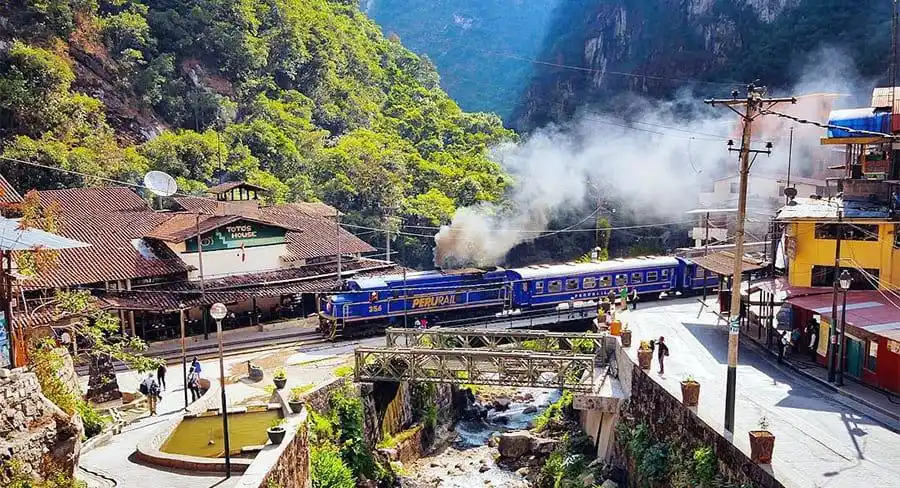
Some alternatives eventually connect with transportation routes leading toward Aguas Calientes, the town below Machu Picchu, while others approach the region through completely different valleys and mountain landscapes.
The most frequently considered alternatives include:
- Salkantay Trek
- Lares Trek
- Inca Jungle Trek
- Ancascocha Trek
- Choquequirao Trek
- Shorter alternative Inca Trail routes
- Combination treks connecting different Andean valleys
Each route has its own personality. Choosing one depends on your fitness, available time, preferred scenery, tolerance for altitude, and interest in cultural or adventure activities.
Best Alternative Hikes to Machu Picchu
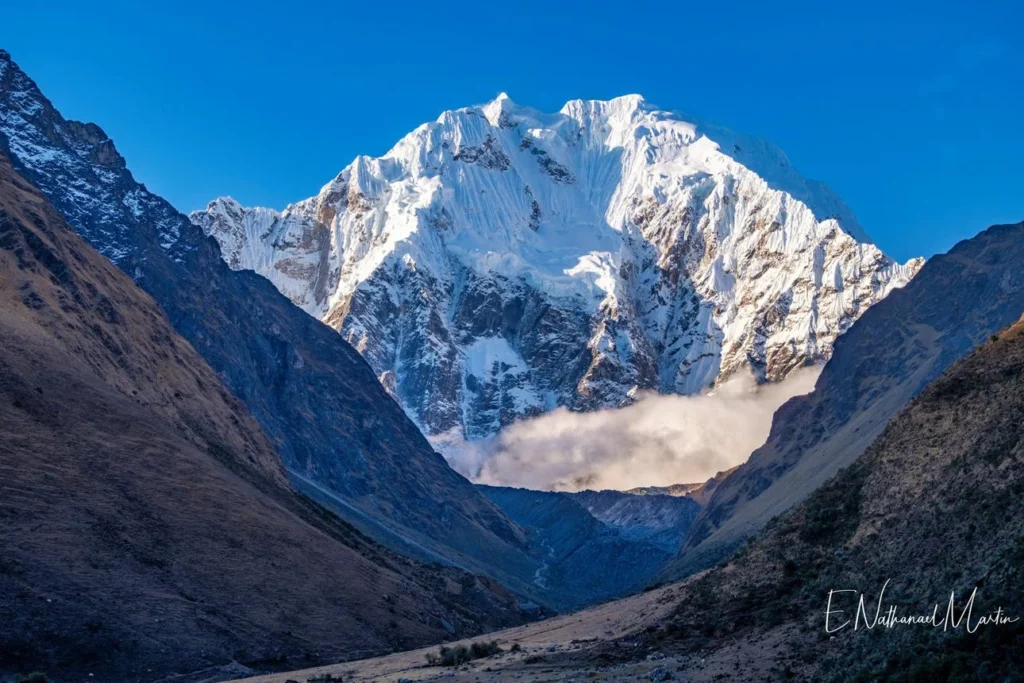
There is no single route that suits every traveler. The best alternative hikes to Machu Picchu depend on what you want from the journey.
The Salkantay Trek is particularly attractive to travelers who want spectacular mountain scenery and a challenging multi-day adventure. The Lares Trek is known for its cultural atmosphere and encounters with traditional Andean communities. The Inca Jungle Trek appeals to travelers looking for a combination of hiking and adventure activities.
The Ancascocha Trek is more remote and less commonly traveled, making it appealing to experienced trekkers seeking solitude. The Choquequirao Trek is an especially demanding option that focuses on remote archaeological landscapes and dramatic mountain valleys.
The Ausangate Trek is another major trekking option in the Cusco region for travelers whose priority is high-altitude mountain scenery. Unlike routes specifically designed to culminate at Machu Picchu, Ausangate is generally considered a separate Andean trekking experience and is often combined with other destinations in a broader Peru itinerary.
A useful way to compare these routes is:
- Salkantay Trek: high mountains, glaciers, lakes, and diverse landscapes
- Lares Trek: mountain scenery, villages, and Andean culture
- Inca Jungle Trek: hiking combined with cycling and other adventure activities
- Ancascocha Trek: remote valleys, mountain passes, and fewer visitors
- Choquequirao Trek: demanding hiking and spectacular archaeological sites
- Ausangate Trek: high-altitude landscapes, mountain passes, and spectacular Andean scenery
- Alternative Inca Trail: Inca archaeology with a route different from the Classic Inca Trail
Salkantay Trek
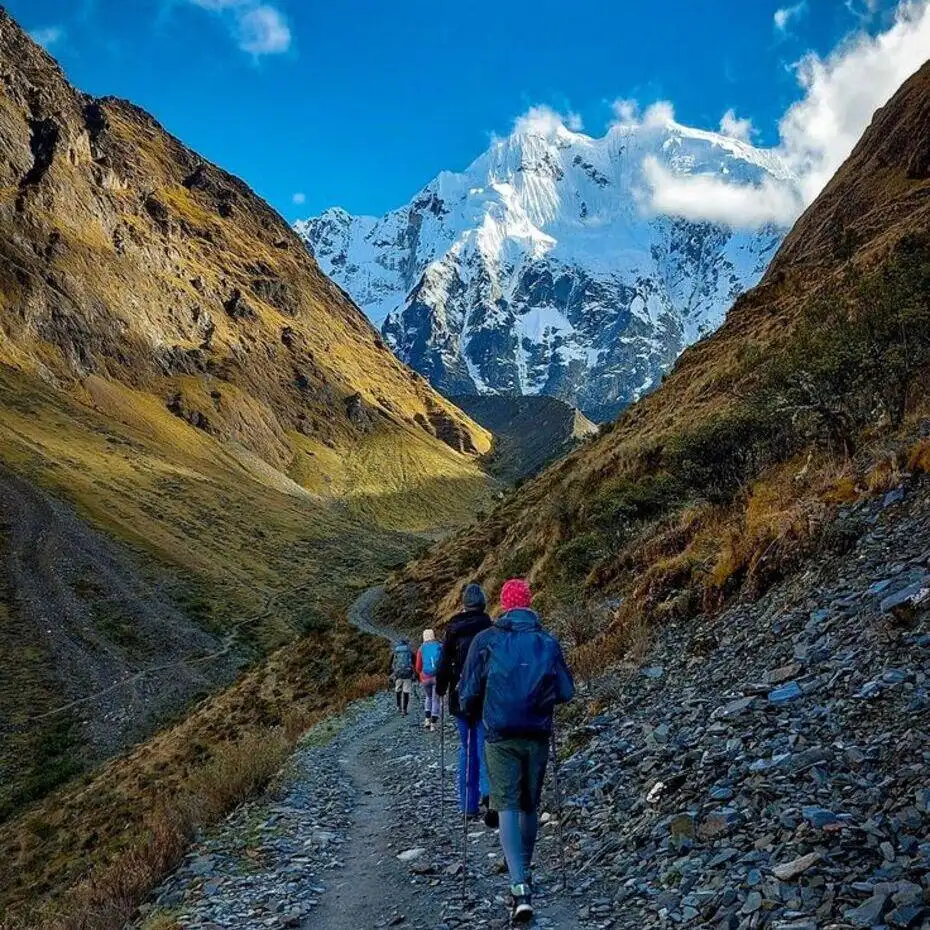
The Salkantay Trek is one of the most popular alternatives to the Classic Inca Trail. It crosses some of the most dramatic terrain in the Cusco region, beginning among high Andean mountains before descending toward warmer valleys closer to Machu Picchu.
The trek takes its name from Salkantay Mountain, one of the prominent peaks of the Vilcabamba mountain range. Depending on the itinerary, hikers experience enormous mountain landscapes, high passes, turquoise or glacial lakes, cloud forests, agricultural valleys, and tropical vegetation.
One of the major attractions of the Salkantay route is its dramatic change in environment. A traveler can begin the journey surrounded by cold high-altitude landscapes and later find themselves walking through increasingly warm and humid vegetation.
Why Choose the Salkantay Trek?
The Salkantay route is particularly appealing to travelers who want a physically challenging experience without following the Classic Inca Trail.
Common reasons for choosing it include:
- Dramatic mountain scenery
- High-altitude trekking
- Salkantay Pass
- Glacial and mountain lakes
- Cloud forest landscapes
- Diverse ecosystems
- A strong sense of wilderness
- Multiple itinerary lengths
- The possibility of combining hiking with other experiences
The route is generally considered demanding because of altitude and long hiking days. Proper preparation is therefore important.
Salkantay Trek Difficulty
The Salkantay Trek can be physically demanding, particularly around the highest sections of the route. Altitude can make the first major hiking days feel considerably harder than the distance alone suggests.
Travelers should not judge their preparation only by how far they can walk at sea level. Hiking at high altitude requires more effort, and weather conditions can also change rapidly.
For many travelers, spending several days in Cusco or another high-altitude location before starting the trek can help with acclimatization.
Lares Trek
The Lares Trek offers a different experience from routes centered primarily on high mountain scenery. This trek passes through remote Andean valleys and communities where traditional agricultural lifestyles remain an important part of daily life.
The Lares Valley is surrounded by mountains, valleys, streams, farmland, and high-altitude landscapes. Depending on the itinerary, hikers may encounter llamas, alpacas, terraced fields, traditional homes, and local communities.
The cultural dimension is one of the defining features of this route.
Why Hike the Lares Trek?
The Lares Trek can be particularly attractive to travelers who want to combine hiking with cultural experiences.
Highlights may include:
- Traditional Andean villages
- High mountain passes
- Llamas and alpacas
- Agricultural landscapes
- Mountain lakes
- Local weaving traditions
- Quieter trails
- Opportunities to interact respectfully with local communities
The Lares route can also be combined with a train journey toward Machu Picchu, depending on the itinerary.
Lares Trek Difficulty
The difficulty varies according to the chosen route and itinerary. High passes make some versions of the Lares Trek challenging, but the route can be suitable for travelers who prepare properly for altitude.
The most important preparation is often acclimatization rather than simply increasing walking distance.
Inca Jungle Trek
The Inca Jungle Trek is one of the most different alternatives to the traditional hiking routes around Machu Picchu. Rather than being exclusively a mountain trek, it combines hiking with adventure activities.
Depending on the itinerary and operator, travelers may experience mountain biking, hiking, rafting, ziplining, or other activities before eventually continuing toward Machu Picchu.
This makes the Inca Jungle particularly interesting for travelers who want an active trip but do not want several consecutive days of conventional high-altitude trekking.
What Makes the Inca Jungle Trek Different?
The route typically moves from higher mountain environments toward warmer valleys. As the altitude decreases, vegetation changes significantly.
Travelers can experience:
- Mountain biking
- Tropical vegetation
- Hiking through valleys
- River environments
- Adventure activities
- Local plantations
- Hot springs on some itineraries
- Walking toward Aguas Calientes
The combination of activities is one of the main reasons travelers select this route.
Inca Jungle Trek Difficulty
The hiking component is generally more varied than a conventional trekking route. However, travelers should remember that the itinerary can involve several physically active days.
The route may be suitable for people who enjoy adventure but should still be approached with appropriate footwear, hydration, sun protection, and physical preparation.
Ancascocha Trek
The Ancascocha Trek is a more remote alternative for travelers looking for a demanding Andean adventure away from heavily traveled trekking routes.
Sometimes described as a quieter alternative to the more famous trails, the route passes through dramatic mountain scenery, high passes, valleys, and remote landscapes.
The Ancascocha area provides an opportunity to experience a less commercialized side of the Cusco Andes.
Why Choose the Ancascocha Trek?
Travelers interested in solitude and challenging mountain environments may find the Ancascocha route particularly attractive.
Important characteristics include:
- Remote mountain landscapes
- High-altitude passes
- Deep valleys
- Traditional rural areas
- Fewer trekkers
- Dramatic views of the Andes
- Challenging hiking days
Because of its remoteness and demanding terrain, this route generally requires more preparation than easier alternatives.
Ancascocha Trek Difficulty
The Ancascocha Trek is generally considered a challenging route. Altitude, steep sections, weather, and long hiking days can make it demanding.
It is therefore more appropriate for travelers who already have some trekking experience or who have prepared seriously for a strenuous mountain journey.
Choquequirao Trek
The Choquequirao Trek is one of the most spectacular alternatives for adventurous travelers. Its principal attraction is Choquequirao, an extensive Inca archaeological complex located in a remote mountain setting.
Unlike Machu Picchu, which is visited by large numbers of travelers every day, reaching Choquequirao traditionally requires a demanding trek through rugged terrain.
The journey involves substantial elevation changes and dramatic mountain scenery.
Why Choose the Choquequirao Trek?
The route is ideal for travelers who want archaeology and wilderness rather than simply a direct journey to Machu Picchu.
Depending on the itinerary, highlights can include:
- Choquequirao archaeological complex
- Deep Andean valleys
- High mountain landscapes
- Waterfalls and streams
- Remote campsites
- Inca terraces
- Dramatic changes in elevation
- Extended trekking
Longer itineraries can combine Choquequirao with a journey toward Machu Picchu, creating an exceptionally demanding multi-day adventure.
Choquequirao Trek Difficulty
The Choquequirao Trek is among the more physically demanding trekking options in the Cusco region. Steep descents and climbs are a major feature of the route.
Travelers should be prepared for long days, significant elevation changes, and limited infrastructure in remote areas.
For this reason, it is generally more appropriate for experienced hikers or travelers who have trained specifically for the journey.
Alternative Inca Trail
The alternative Inca Trail concept includes several routes that allow travelers to experience Inca pathways and Andean landscapes without following the exact Classic Inca Trail itinerary.
These routes can provide archaeological, cultural, and natural experiences while offering different scenery and logistical arrangements.
Some alternative routes connect with the broader network of historic trails around the Cusco region, while others combine mountain trekking with transportation to Machu Picchu.
Why Consider an Alternative Inca Trail?
An alternative route can be useful for travelers who:
- Cannot obtain a Classic Inca Trail permit
- Want a quieter trekking experience
- Prefer different scenery
- Want a longer or shorter adventure
- Have already completed the Classic Inca Trail
- Want to explore less-traveled Andean landscapes
The important point is that “alternative” does not necessarily mean easier. Some alternative routes are considerably more physically demanding than the Classic Inca Trail.
Hiking in Peru Machu Picchu: Understanding the Different Routes
Hiking in Peru Machu Picchu experiences can range from a few hours of walking to expeditions lasting several days.
The Machu Picchu region is surrounded by mountains, cloud forest, river valleys, archaeological sites, and traditional communities. This creates many possibilities for travelers with different interests and fitness levels.
A multi-day trek and a short hike inside the Machu Picchu sanctuary should not be considered the same experience.
Multi-Day Treks
Multi-day treks generally involve:
- Camping or mountain lodges
- Long hiking days
- Significant elevation changes
- Remote landscapes
- Professional guides
- Organized transportation
- Meals and camping equipment depending on the tour
Short Hikes Around Machu Picchu
Shorter hikes may involve:
- Huayna Picchu
- Machu Picchu Mountain
- Short walks around Aguas Calientes
- Trails near the sanctuary
- Short archaeological or scenic walks
These require considerably less time than a multi-day expedition.
Can You Get to Machu Picchu Without Hiking?
Yes. Can you get to Machu Picchu without hiking? Absolutely.
Hiking is only one way to experience the journey to Machu Picchu. Travelers can reach the area by train and then continue toward the archaeological site using the available transportation options.
This is especially useful for people who:
- Have limited mobility
- Do not enjoy long hikes
- Have limited time
- Are traveling with young children
- Prefer a relaxed itinerary
- Want to save energy for exploring Machu Picchu itself
The train journey toward Aguas Calientes is an important part of many Machu Picchu itineraries.
From Aguas Calientes, visitors can use transportation toward the entrance of Machu Picchu rather than completing a long uphill walk.
Do You Have to Hike to Machu Picchu?
Do you have to hike to Machu Picchu? No. Hiking is optional.
The idea that every visitor must complete a multi-day trek to visit Machu Picchu is a common misunderstanding.
There are several ways to organize the trip. Some travelers spend several days trekking through the Andes, while others travel by train and visit the archaeological site without completing a long mountain trek.
For visitors who enjoy hiking, a trekking itinerary can transform the journey into a major adventure. For others, a train-based itinerary may be more practical.
Is Machu Picchu Hard to Hike?
The question “is Machu Picchu hard to hike?” depends on what type of hiking you mean.
Walking around the archaeological site is not equivalent to completing the Salkantay Trek, climbing Machu Picchu Mountain, or hiking the Choquequirao route.
Difficulty depends on:
- Distance
- Elevation
- Elevation gain
- Number of stairs
- Weather
- Trail conditions
- Hiking duration
- Personal fitness
- Acclimatization
A visitor who travels by train and explores Machu Picchu for several hours is having a very different physical experience from someone completing a five-day high-altitude trek.
Hike to Machu Picchu Options
There are numerous hike to Machu Picchu options, allowing travelers to match the journey to their interests.
Multi-Day Mountain Treks
The major options include:
- Salkantay Trek
- Lares Trek
- Ancascocha Trek
- Choquequirao Trek
- Classic Inca Trail
- Alternative Inca Trail routes
These are suitable for travelers who want the journey itself to be a major part of their Peru experience.
Adventure Routes
The Inca Jungle Trek provides a different style of journey by combining hiking with adventure activities.
Train and Short-Hike Options
Travelers who do not want a multi-day trek can travel toward Aguas Calientes by train and choose shorter walks around the destination.
Mountain Hikes at Machu Picchu
Visitors with the appropriate ticket and route can also choose additional mountain hikes associated with the Machu Picchu sanctuary.
These are separate from the journey used to reach Machu Picchu.
How to Prepare to Hike Machu Picchu
Knowing how to prepare to hike Machu Picchu is particularly important when choosing one of the longer alternative routes.
Preparation should begin several weeks before the trek when possible.
Build Cardiovascular Endurance
Walking, hiking, cycling, swimming, and stair training can help improve cardiovascular fitness.
Long-distance hiking is easier when your body is accustomed to sustained activity.
Train Your Legs
Mountain trails often involve continuous climbing and descending.
Useful exercises include:
- Squats
- Lunges
- Step-ups
- Stair climbing
- Incline walking
- Long weekend hikes
The goal is not simply to walk fast. It is to maintain steady effort over several hours.
Prepare for Altitude
Altitude is one of the most important considerations for many Machu Picchu trekking routes.
Travelers arriving from low elevations should allow time to acclimatize before beginning a demanding trek.
Symptoms related to altitude can affect people regardless of their general fitness, so travelers should take acclimatization seriously and follow appropriate medical advice.
Choose Appropriate Equipment
Basic trekking equipment can include:
- Comfortable hiking shoes or boots
- Moisture-wicking clothing
- Waterproof jacket
- Warm layers
- Hat and sun protection
- Reusable water bottle
- Small backpack
- Personal medications
- Insect repellent
- Sunscreen
- Headlamp for early starts
The exact equipment required depends on the season and trekking route.
How to Choose Among Alternative Hikes to Machu Picchu
Choosing between the alternative hikes to Machu Picchu requires looking beyond the name of the route.
Ask yourself what you want the trek to provide.
For Dramatic Mountain Scenery
The Salkantay Trek is centered around spectacular high-altitude mountain environments and changing ecosystems.
For Cultural Experiences
The Lares Trek places considerable emphasis on traditional Andean landscapes and communities.
For Adventure Activities
The Inca Jungle Trek combines hiking with activities such as cycling and other adventure experiences depending on the itinerary.
For Remote Trekking
The Ancascocha Trek provides a more isolated mountain experience.
For Archaeology and Challenge
The Choquequirao Trek combines remote archaeological exploration with demanding trekking.
For the Classic Inca Experience
The Classic Inca Trail remains the route most directly associated with hiking into Machu Picchu through the historic Inca Trail network.
Hiking Machu Picchu Perú: What to Expect
Hiking Machu Picchu Perú can mean several different experiences, so travelers should clarify exactly what their itinerary includes.
A multi-day trek may involve high passes, camping, remote communities, mountain valleys, and long hiking days. A train-based trip may involve only short walks at Machu Picchu.
The biggest advantage of choosing an alternative trek is the opportunity to see a much broader part of the Andes rather than focusing only on the archaeological site.
For many travelers, the mountains, villages, rivers, forests, and wildlife encountered along the way become just as memorable as Machu Picchu itself.
Final Thoughts on Alternative Hikes to Machu Picchu
The alternative hikes to Machu Picchu offer travelers far more choices than the traditional Inca Trail alone. Salkantay, Lares, Ancascocha, Choquequirao, and Inca Jungle each provide a distinct combination of scenery, culture, adventure, archaeology, and physical challenge.
The right route depends on the experience you want rather than simply choosing the most famous trail.
If dramatic mountains are your priority, a high-altitude route may be appropriate. If cultural encounters matter most, a trek through traditional Andean communities may be more interesting. If adventure activities appeal to you, the Inca Jungle provides a different style of journey. And if you prefer not to hike for several days, you can still visit Machu Picchu without completing a multi-day trek.
Most importantly, remember that you do not have to hike to Machu Picchu. Hiking is an opportunity, not a requirement. Whether you choose a challenging multi-day expedition, an alternative Inca Trail, an adventure route, or a comfortable train journey, Machu Picchu can be incorporated into a Peru itinerary designed around your interests, available time, and physical abilities.