Peru hiking tours Machu Picchu are among the most popular ways to experience the ancient Inca citadel and the spectacular landscapes surrounding it. Rather than simply arriving at Machu Picchu by train, hiking tours allow travelers to experience mountain scenery, archaeological sites, cloud forests, remote communities, and ancient paths along the journey.
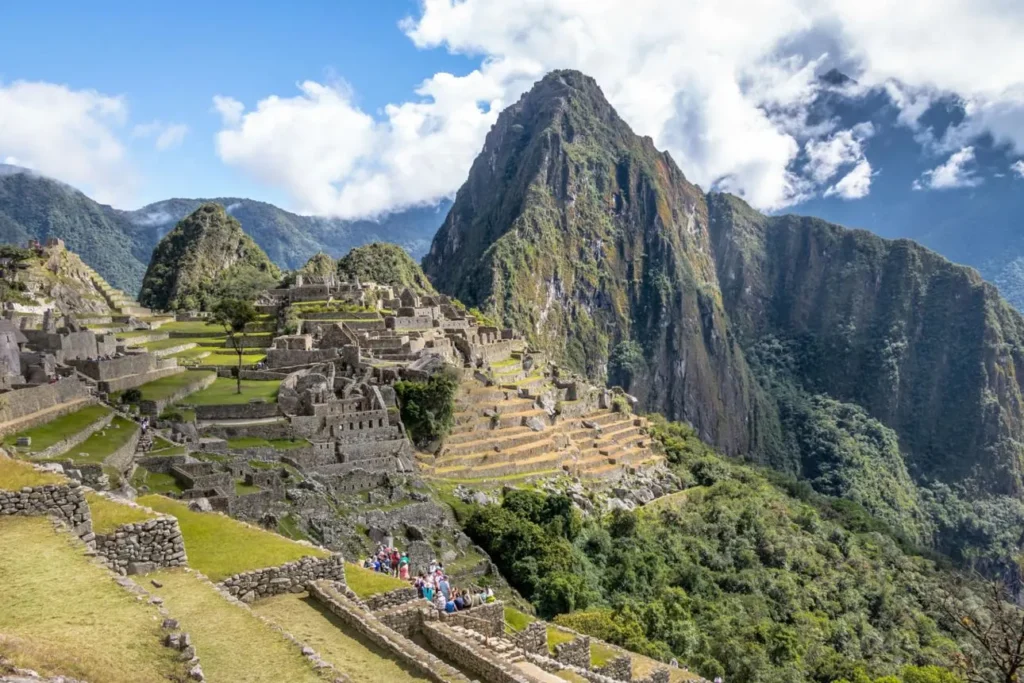
There is no single way to hike to Machu Picchu. Travelers can choose the classic Inca Trail trek to Machu Picchu 4 days 3 nights, the challenging Machu Picchu trek Salkantay, shorter alternative routes, or more comfortable and private itineraries. Some travelers also choose Machu Picchu hiking tours luxury, combining trekking with high-quality accommodations and personalized services.
This guide explains the principal Machu Picchu Peru hiking tours, how difficult they are, how long they take, what the different routes involve, and how to choose an itinerary according to your interests, fitness level, travel style, and available time.
Peru Hiking Tours Machu Picchu: Understanding Your Options
Peru offers several trekking experiences leading toward Machu Picchu. The best-known route is the Inca Trail, but it is not the only option. Salkantay, Lares, short Inca Trail itineraries, and other combinations allow visitors to reach the archaeological sanctuary while experiencing different environments.
The classic routes generally begin in or around Cusco, although the actual hiking does not start in central Cusco. Transportation normally takes trekkers from Cusco toward the trailhead, where the walking portion begins.
Main Machu Picchu Hiking Tour Options
Travelers can select among several types of experiences:
- Classic Inca Trail: The famous multi-day route through archaeological sites and mountain scenery.
- Salkantay Trek: A longer and more varied route crossing high mountain landscapes and descending toward cloud forest.
- Short Inca Trail: A shorter hiking experience that includes an approach to Machu Picchu through the Sun Gate.
- Lares Trek: A culturally oriented mountain trek through remote Andean communities.
- Private trekking tours: Personalized itineraries with private guides and transportation.
- Luxury trekking tours: Hiking combined with upgraded accommodation, private services, and carefully arranged logistics.
- Combination tours: Trekking followed by additional experiences in the Sacred Valley or Cusco.
The right route depends on whether the priority is archaeological history, scenery, physical challenge, cultural encounters, comfort, or a combination of these elements.
Peru Hiking Tours Machu Picchu from Cusco
Peru hiking tours Machu Picchu from Cusco are convenient because Cusco is the principal tourism base for travelers visiting Machu Picchu. Many itineraries include transportation from a hotel in Cusco, assistance with trail preparation, professional guides, meals during the trek, and transportation after reaching the Machu Picchu area.
Cusco itself is located at high altitude, so acclimatization is important before starting a demanding trek. Travelers arriving from lower elevations may benefit from spending several days in Cusco or the surrounding Sacred Valley before beginning a multi-day hike.
Why Cusco Is the Main Starting Point
Cusco provides access to several trekking routes and is also an important cultural destination. Before or after hiking, visitors can explore historic streets, archaeological sites, markets, museums, and the surrounding Sacred Valley.
Most trekking companies organize the logistics from Cusco, including:
- Hotel pickup.
- Transportation to the trailhead.
- Professional trekking guide.
- Entrance permits where required.
- Meals during the trek.
- Camping or accommodation.
- Porter services on selected routes.
- Transportation toward Machu Picchu.
- Assistance with the return journey.
Because permits, transportation, and accommodation can vary considerably between routes, travelers should compare the complete itinerary rather than simply comparing advertised prices.
Best Machu Picchu Hiking Tours
The term best Machu Picchu hiking tours can refer to very different experiences because travelers have different priorities. Someone seeking the historic Inca Trail may prefer a completely different itinerary from someone who wants remote mountain scenery or a luxury trekking experience.
Classic Inca Trail
The classic Inca Trail is particularly attractive to travelers interested in the historic route itself. It combines mountain landscapes with archaeological remains and culminates in the approach to Machu Picchu.
The route passes through changing elevations and ecosystems, making the journey itself an important part of the experience.
Salkantay Trek
The Machu Picchu trek Salkantay is another major trekking option. It is known for dramatic mountain landscapes and the transition from high-altitude terrain toward warmer cloud-forest environments.
Salkantay can appeal to travelers who want a physically demanding adventure without following the classic Inca Trail.
Short Inca Trail
The Short Inca Trail offers a way to experience part of the historic trail without committing to a four-day trek. It can be appropriate for travelers with limited vacation time or those who want a shorter hiking experience.
Private Hiking Tours
Private tours provide greater flexibility with walking pace, stops, meals, transportation, and daily schedules. They are especially useful for families, couples, photographers, and small groups with specific interests.
Best Peru Hiking Tours Machu Picchu by Travel Style
Rather than identifying one universal “best” tour, it is more useful to compare the routes according to what travelers want from their trip.
| Travel preference | Route or tour style |
|---|---|
| Historic Inca route | Classic Inca Trail |
| Dramatic mountain scenery | Salkantay Trek |
| Shorter hiking experience | Short Inca Trail |
| Cultural experiences | Lares Trek |
| Personalized itinerary | Private trek |
| Greater comfort | Luxury trekking |
| Limited vacation time | Short trekking itinerary |
| Challenging adventure | Salkantay or longer trekking routes |
| Archaeology-focused trip | Inca Trail |
Each route provides a different combination of scenery, culture, physical effort, archaeological attractions, and logistical requirements.
Machu Picchu Hiking Tours 4 Days
Machu Picchu hiking tours 4 days are among the most recognizable trekking itineraries in Peru. The classic four-day Inca Trail is usually described as a three-night trekking experience followed by the arrival at Machu Picchu.
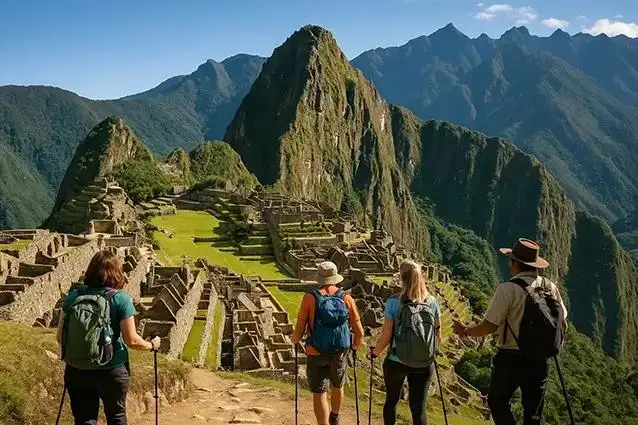
The exact daily distances and campsites depend on the operator and current regulations, but the trek typically involves several hours of walking each day.
Inca Trail Trek to Machu Picchu 4 Days 3 Nights
The Inca Trail trek to Machu Picchu 4 days 3 nights generally follows a structure similar to:
Day 1: Transportation from Cusco to the trailhead followed by the first section of the trek.
Day 2: A more demanding mountain section, involving substantial elevation gain and descent.
Day 3: Continued hiking through mountain and cloud-forest environments, with archaeological sites along the route.
Day 4: Early approach toward Machu Picchu and entrance to the archaeological sanctuary, followed by transportation toward the Sacred Valley or Cusco.
The precise itinerary can vary depending on permits, campsite availability, weather, and the tour company.
What Makes the Four-Day Trek Special?
The attraction is not simply reaching Machu Picchu. The route itself is part of the historical experience.
Trekkers encounter:
- Ancient stone pathways.
- Mountain passes.
- Inca archaeological sites.
- Cloud forest.
- High-altitude landscapes.
- Waterfalls and streams.
- Native vegetation.
- Dramatic views of the Andes.
The final approach to Machu Picchu makes the experience particularly memorable because hikers arrive at the sanctuary after several days on foot.
Machu Picchu Hiking Tours Luxury
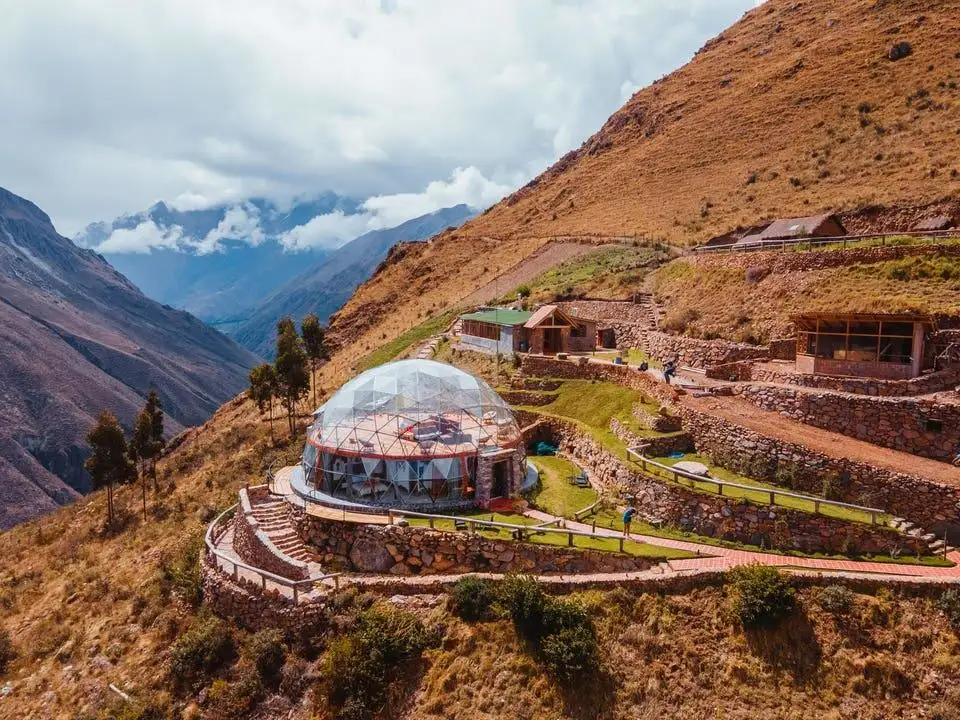
Machu Picchu hiking tours luxury combine the adventure of trekking with upgraded accommodation, private services, improved meals, and personalized logistics. Luxury does not necessarily mean avoiding difficult hiking; instead, it generally means making the non-hiking portions of the journey more comfortable.
Depending on the route, luxury trekking can include:
- Private guides.
- Private transportation.
- Premium camps or lodges.
- Upgraded tents.
- Comfortable sleeping arrangements.
- Higher-quality meals.
- Private porters or support staff.
- Additional hotel nights.
- Personalized schedules.
- Smaller groups.
Luxury options are particularly attractive for travelers who want the physical experience of hiking but prefer not to sacrifice comfort before and after the trek.
Best Inca Trail Tour Companies: What to Look For
Travelers searching for the best Inca Trail tour companies should evaluate the actual services included rather than relying solely on promotional descriptions.
A responsible trekking operator should clearly explain the itinerary, permits, transportation, accommodation, meals, guide services, and cancellation conditions.
Important Factors When Comparing Trekking Companies
Look for information about:
- Official permits and route access.
- Experienced professional guides.
- Group size.
- Emergency procedures.
- Porter welfare and luggage limits.
- Meals and dietary requirements.
- Accommodation.
- Transportation.
- Entrance tickets.
- Pre-trek briefing.
- Altitude considerations.
- What happens if weather affects the itinerary.
The cheapest advertised price may not represent the final cost if important services are excluded.
Questions to Ask Before Booking
Before confirming a trekking tour, travelers can ask:
- What exactly is included?
- How large is the group?
- Is the guide private or shared?
- Which entrance tickets are included?
- What accommodation is provided?
- How much luggage can be carried?
- What happens if the weather changes?
- What happens if a traveler cannot complete the trek?
- Is transportation included after Machu Picchu?
- What meals are included?
These questions make it easier to compare different operators on the same basis.
Machu Picchu Trek Salkantay
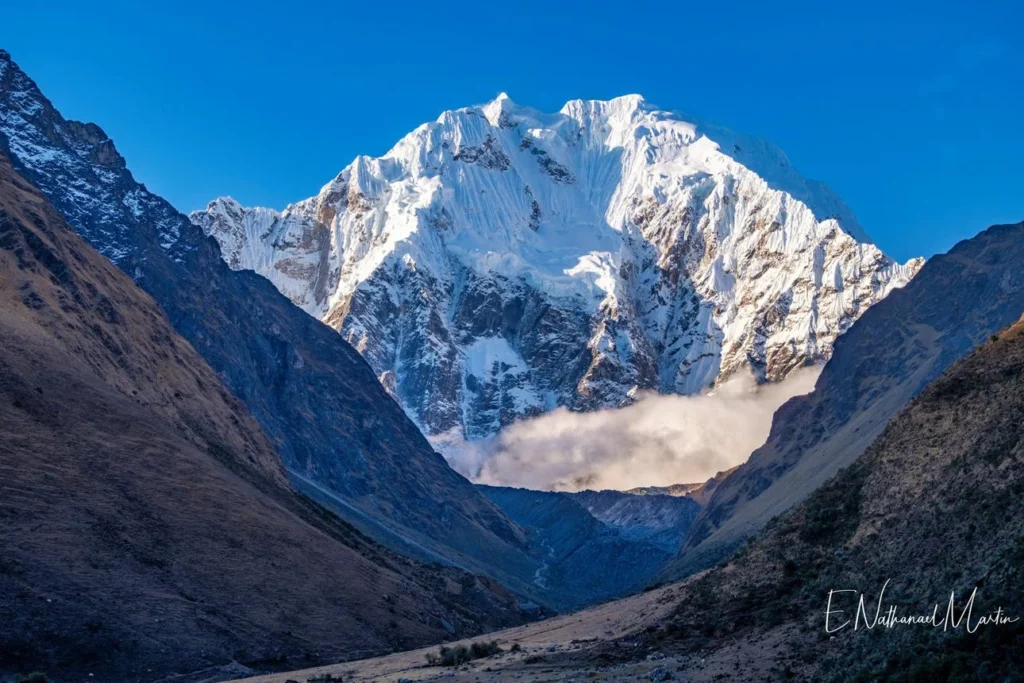
The Machu Picchu trek Salkantay is one of Peru’s most famous alternative trekking routes. It is characterized by impressive mountain scenery and significant changes in altitude and climate.
One of the highlights is the high mountain environment around the Salkantay region. Trekkers can experience cold, open landscapes before descending toward warmer and more humid areas.
Salkantay Compared With the Inca Trail
The two routes offer different experiences.
The Inca Trail emphasizes the historic pathway and archaeological sites associated with the approach to Machu Picchu. Salkantay places greater emphasis on mountain scenery, natural environments, and the dramatic transition between ecological zones.
Salkantay is therefore an excellent consideration for travelers whose primary interest is wilderness and high-altitude scenery.
Machu Picchu Peru Hiking Tours and Archaeological Experiences
Machu Picchu Peru hiking tours are not simply transportation alternatives. The hiking routes connect visitors with the broader landscape surrounding the sanctuary.
The Andes contain numerous archaeological sites, terraces, stone paths, agricultural systems, ceremonial structures, and settlements. Guides can explain how these elements relate to the wider Inca landscape.
The experience is especially valuable when travelers understand that Machu Picchu was part of a much larger network of roads and settlements rather than an isolated monument.
Do You Have to Hike to Machu Picchu?
Do you have to hike to Machu Picchu? No. Hiking is optional.
Travelers can reach Machu Picchu using transportation from the surrounding towns, most commonly involving a train followed by a short bus journey toward the entrance. Hiking is therefore a choice for travelers who want the additional adventure and physical experience.
This is an important distinction because the phrase “Machu Picchu hike” can refer to several different things.
A traveler may mean:
- Hiking for several days to reach Machu Picchu.
- Hiking from Aguas Calientes toward the entrance.
- Walking through the archaeological sanctuary.
- Climbing one of the permitted mountain routes inside the sanctuary.
These are separate experiences.
How Long Is the Hike to Machu Picchu?
How long is the hike to Machu Picchu? The answer depends entirely on the route.
The classic Inca Trail normally takes four days, while other routes can take several days or only a portion of a day.
There is no single distance called “the Machu Picchu hike.”
For example:
- Classic Inca Trail: commonly organized as four days.
- Salkantay Trek: commonly organized over multiple days.
- Short Inca Trail: approximately one day of hiking before visiting Machu Picchu.
- Final approach from Machu Picchu-area accommodation: considerably shorter.
Travelers should therefore identify the route before comparing hiking distances.
How Hard Is the Inca Trail to Machu Picchu?
How hard is the Inca Trail to Machu Picchu? The classic route is generally considered a physically demanding trek because of altitude, stairs, elevation changes, and consecutive days of walking.
The most challenging sections involve steep ascents and descents. Altitude can make the same physical effort feel significantly harder than hiking at sea level.
Difficulty also depends on:
- Fitness level.
- Previous hiking experience.
- Acclimatization.
- Weather.
- Backpack weight.
- Sleeping conditions.
- Daily walking distance.
- Individual response to altitude.
A traveler who regularly hikes may find the route manageable, while someone inexperienced with mountain trekking may need more preparation.
Preparing for the Inca Trail
Training does not have to involve extreme workouts. A practical preparation program can include:
- Regular walking.
- Stair climbing.
- Uphill hiking.
- Longer weekend walks.
- Strength exercises for legs.
- Cardiovascular training.
- Practice walking with a daypack.
The objective is to become comfortable walking for several hours on consecutive days.
How Is the Hike to Machu Picchu?
How is the hike to Machu Picchu? It is a combination of physical exertion, mountain scenery, cultural history, and changing ecosystems.
The experience can involve early starts, steep steps, uneven terrain, changing weather, and long walking days. At the same time, trekkers can enjoy spectacular landscapes and archaeological sites that cannot be experienced in the same way from a train.
The atmosphere also changes throughout the trek. High mountain terrain can be cold and exposed, while lower sections can become warmer, greener, and more humid.
For many travelers, the combination of physical challenge and gradual approach to Machu Picchu is the defining feature of a trekking holiday.
Machu Picchu Trekking Peru: What to Pack
Packing correctly can make a significant difference on a multi-day trek.
Essential Hiking Equipment
A practical packing list includes:
- Comfortable hiking shoes or boots.
- Lightweight rain jacket.
- Warm layers.
- Moisture-wicking clothing.
- Hiking socks.
- Small daypack.
- Water bottle.
- Sun protection.
- Hat.
- Sunglasses.
- Personal medications.
- Headlamp.
- Camera or phone.
- Basic toiletries.
- Insect repellent for warmer areas.
Weather can change rapidly in the Andes, so travelers should be prepared for both sun and rain.
What Not to Overpack
Heavy luggage can make trekking considerably more difficult. Most travelers only need a small daypack, while porters or support transportation may handle additional luggage depending on the route.
Keeping the personal backpack light is particularly important on steep sections.
Hiking Machu Picchu Perú: Altitude and Acclimatization
Hiking Machu Picchu Perú requires consideration of altitude, especially for visitors arriving from low elevations.
Cusco is already at high altitude, while some trekking routes reach considerably higher elevations. Spending time acclimatizing before a trek can help travelers adjust to the thinner air.
Travelers should avoid assuming that physical fitness completely eliminates altitude-related problems. Altitude affects people differently, regardless of fitness level.
A sensible itinerary allows time to adjust before beginning the most demanding hiking days.
How Long Does It Take to Hike Up Machu Picchu?
How long does it take to hike up Machu Picchu? This depends on what “up Machu Picchu” means.
If the question refers to reaching the Machu Picchu archaeological site from the nearby town, the journey is much shorter than a multi-day trekking route.
If it refers to the classic Inca Trail, the journey takes several days because the trail begins far from Machu Picchu and crosses substantial sections of the Andes.
If it refers to climbing within the archaeological sanctuary, the duration depends on the mountain or circuit selected and the visitor’s pace.
This distinction is important when planning a trip because “hiking to Machu Picchu” and “hiking inside Machu Picchu” are not the same activity.
Machu Picchu Perú Tours: Combining Hiking With Other Experiences
Machu Picchu Perú tours can combine trekking with visits to other important destinations in the Cusco region.
Many travelers spend time in Cusco before trekking and visit the Sacred Valley either before or after their hike.
Possible additions include:
- Sacred Valley archaeological sites.
- Pisac.
- Ollantaytambo.
- Chinchero.
- Cusco historic center.
- Traditional Andean communities.
- Local markets.
- Additional mountain hikes.
Combining destinations can create a more complete introduction to the region rather than treating Machu Picchu as an isolated attraction.
Machu Picchu Walking Guide: Understanding the Main Walking Experiences
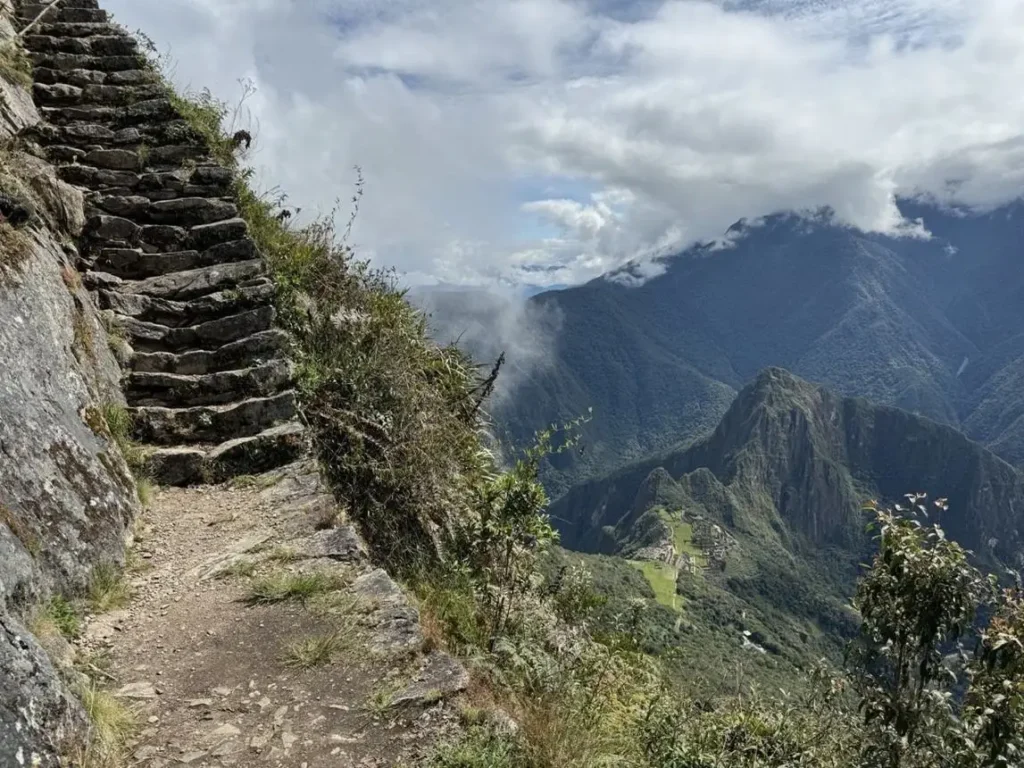
A Machu Picchu walking guide should distinguish between trekking to Machu Picchu and walking through the archaeological sanctuary.
Once inside Machu Picchu, visitors follow an established circuit. Depending on the ticket and route, walking may include stairs, terraces, narrow paths, viewpoints, and archaeological structures.
Walking Inside Machu Picchu
Visitors should expect:
- Uneven stone surfaces.
- Steps.
- Sloped pathways.
- Limited opportunities to stop in some sections.
- Designated circulation routes.
- Different circuits and mountain options depending on the ticket.
The experience is therefore active even for travelers who arrive by train rather than trekking for several days.
How Long Is the Hike From Cusco to Machu Picchu?
How long is the hike from Cusco to Machu Picchu? There is no standard direct hiking trail that most travelers follow from central Cusco all the way to Machu Picchu.
Cusco and Machu Picchu are separated by a complex Andean landscape. Organized trekking routes begin from different trailheads outside the city.
Therefore, when travelers search for “how long is the hike from Cusco to Machu Picchu,” they are usually referring to the total trekking journey that begins after transportation from Cusco.
The actual walking distance depends on whether they choose the Inca Trail, Salkantay, Lares, or another route.
Choosing the Right Peru Hiking Tour to Machu Picchu
The ideal itinerary depends on several practical factors.
Choose the Inca Trail If You Want
- The historic Inca route.
- Archaeological sites along the trail.
- A classic Machu Picchu trekking experience.
- Several days of mountain hiking.
- The experience of approaching Machu Picchu on foot through the historic route.
Consider Salkantay If You Want
- Dramatic mountain scenery.
- A challenging trekking experience.
- Diverse landscapes.
- High-altitude environments.
- A route distinct from the classic Inca Trail.
Consider a Short Trek If You Want
- Less time hiking.
- A shorter itinerary.
- A combination of hiking and train travel.
- An introduction to the Inca Trail without committing to several trekking days.
Consider Luxury Trekking If You Want
- More personalized service.
- Premium accommodation.
- Private transportation.
- Higher comfort before and after hiking.
- A more exclusive travel experience.
What Is Included in Peru Hiking Tours Machu Picchu?
Inclusions vary significantly, but organized trekking packages commonly include some combination of the following:
- Professional guide.
- Transportation.
- Entrance permits or tickets.
- Meals.
- Accommodation.
- Camping equipment.
- Porters.
- Train transportation.
- Bus transportation.
- Emergency assistance.
Always verify the exact inclusions before booking because two tours with similar names may provide very different levels of service.
When Is the Best Time for Machu Picchu Hiking?
Machu Picchu can be visited throughout the year, but weather patterns affect hiking conditions.
The dry season is generally associated with lower rainfall, while the wet season can bring more frequent rain and cloud cover. Conditions can vary considerably from day to day, particularly in mountain environments.
For trekkers, weather affects more than comfort. Rain can make stone paths slippery, reduce visibility, and change the character of mountain landscapes.
Regardless of the season, travelers should bring rain protection and clothing suitable for changing conditions.
Final Guide to Peru Hiking Tours Machu Picchu
Peru hiking tours Machu Picchu offer much more than a physical route to one of Peru’s most famous archaeological sites. They allow travelers to experience the Andes through ancient pathways, high mountain landscapes, cloud forests, archaeological sites, and local culture.
The Inca Trail trek to Machu Picchu 4 days 3 nights remains one of the best-known options for travelers interested in the historic route. The Machu Picchu trek Salkantay provides a different experience centered on dramatic mountain scenery and ecological diversity. Shorter hikes provide flexibility for travelers with limited time, while Machu Picchu hiking tours luxury offer greater comfort and personalized service.
Travelers do not have to hike to Machu Picchu. Train-based visits are available, making the destination accessible to people who prefer not to undertake a multi-day trek. However, for those who enjoy walking, the journey can become an important part of the adventure.
The most important step is choosing a route that matches your available time, physical preparation, interests, desired level of comfort, and expectations. With the right itinerary, Machu Picchu trekking Peru can combine adventure, history, nature, and the extraordinary landscapes of the Andes into one memorable journey.