Machu Picchu travel is one of the most popular experiences in Peru, combining Inca history, spectacular mountain landscapes, cultural attractions, and several ways to reach one of South America’s most famous archaeological sites. For most travelers, the journey begins in Lima or Cusco and continues through the Sacred Valley toward Machu Picchu Pueblo, also known as Aguas Calientes, before reaching the citadel by bus or on foot.
Planning a Machu Picchu trip requires more than simply buying an entrance ticket. Travelers need to coordinate their route, train or trekking transportation, entry circuit, visiting schedule, accommodation, and return journey. The official visitor system currently organizes Machupicchu into three principal circuits containing ten routes, so the route selected when purchasing the ticket is an important part of the planning process.
This complete Machu Picchu travel guide explains how to organize your trip, compare packages, understand transportation options, create one-day and multi-day itineraries, and prepare for your visit.
Machu Picchu panoramic view
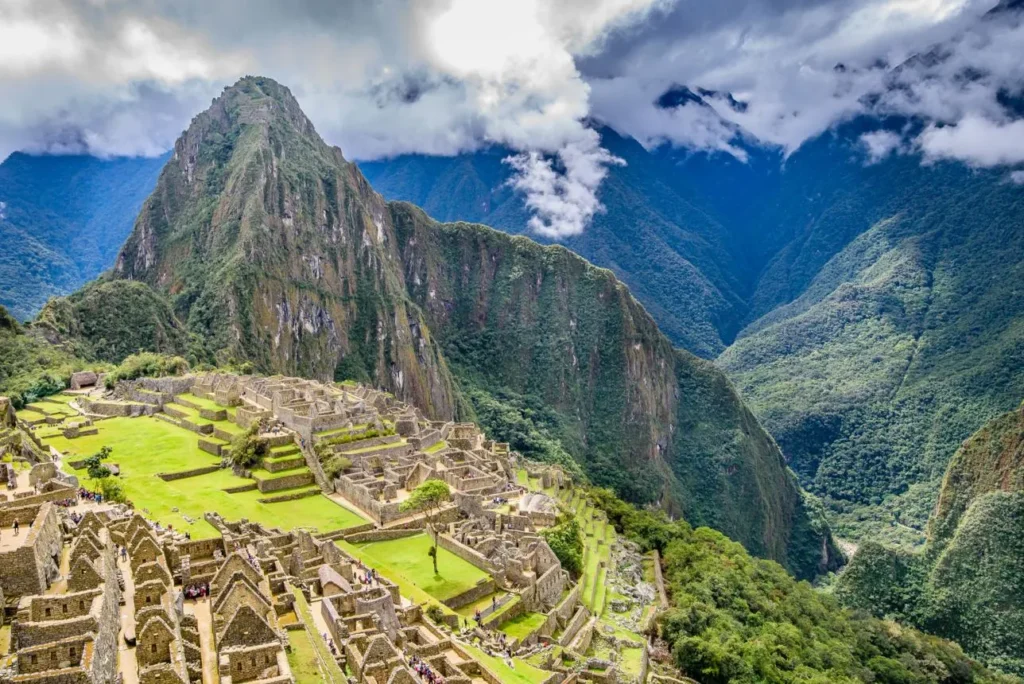
Machu Picchu Travel Guide
Machu Picchu is an Inca archaeological complex located in the Cusco region of Peru. The site was constructed around the 15th century and includes agricultural terraces, ceremonial structures, plazas, temples, stairways, and stone architecture integrated into the surrounding mountains. Peru’s official tourism portal describes Machupicchu as an important religious, political, and cultural center of the Inka Empire and recognizes its importance as a UNESCO World Heritage destination.
A successful Machu Picchu travel plan normally combines three stages: getting to Cusco, traveling from Cusco toward Machu Picchu Pueblo, and completing the final connection from Aguas Calientes to the archaeological site. Travelers can choose between organized tours and independent travel depending on their preferred level of assistance.
Why Visit Machu Picchu?
Machu Picchu offers an unusual combination of archaeology and landscape. The citadel sits among steep Andean mountains, while the surrounding Historic Sanctuary protects a remarkable natural environment containing orchids, birds, butterflies, and other species. Visitors can explore archaeological features such as the Temple of the Sun, agricultural terraces, ceremonial spaces, and viewpoints overlooking the surrounding valley.
The destination can also be combined with other attractions in the Cusco region. A longer Peru itinerary might include Cusco, the Sacred Valley, Ollantaytambo, Pisac, and Machu Picchu. Travelers interested in trekking can also consider routes such as the Inca Trail or other hiking experiences in the wider region. Peru Travel identifies the Inca Trail as one of the country’s major trekking routes leading toward Machu Picchu.
How to Plan a Machu Picchu Trip
Planning should begin by deciding how many days you have and whether Machu Picchu will be the main destination or part of a larger Peru trip. Once your dates are established, check entrance-ticket availability and choose the circuit or route that corresponds to the experience you want.
A practical planning sequence is:
- Choose your travel dates.
- Decide how many days to spend in Cusco and Machu Picchu.
- Select your Machu Picchu circuit and route.
- Reserve the Machu Picchu entrance ticket.
- Choose train, bus, or trekking transportation.
- Reserve accommodation if staying overnight.
- Organize your guide or tour.
- Confirm return transportation.
- Purchase travel insurance.
- Prepare clothing and essential equipment.
Because ticket availability, train schedules, and operating conditions can change, travelers should confirm current information shortly before traveling.
How to Travel to Machu Picchu
There is no airport at Machu Picchu. Most international travelers first arrive in Lima and then travel to Cusco. From Cusco, the most common route continues through the Sacred Valley or directly toward a train station, followed by a train to Machu Picchu Pueblo. From Aguas Calientes, visitors normally use the official bus service or walk uphill to the archaeological site’s entrance.
The most common transportation combinations include:
- Lima → Cusco → Ollantaytambo → Machu Picchu Pueblo → Machu Picchu.
- Lima → Cusco → Sacred Valley → Ollantaytambo → Machu Picchu.
- Cusco → Ollantaytambo → Machu Picchu by train.
- Cusco → Hidroeléctrica → Machu Picchu Pueblo by walking or train.
- Trekking routes such as the Inca Trail or other multi-day routes.
Peru’s official tourism information lists approximately 1 hour 15 minutes for a Lima–Cusco flight, around 1 hour 30 minutes between Cusco and Ollantaytambo by road, and approximately 2 hours for the Ollantaytambo–Machu Picchu train route as a general reference. Actual transportation schedules vary.
Cusco, starting point for Machu Picchu travel
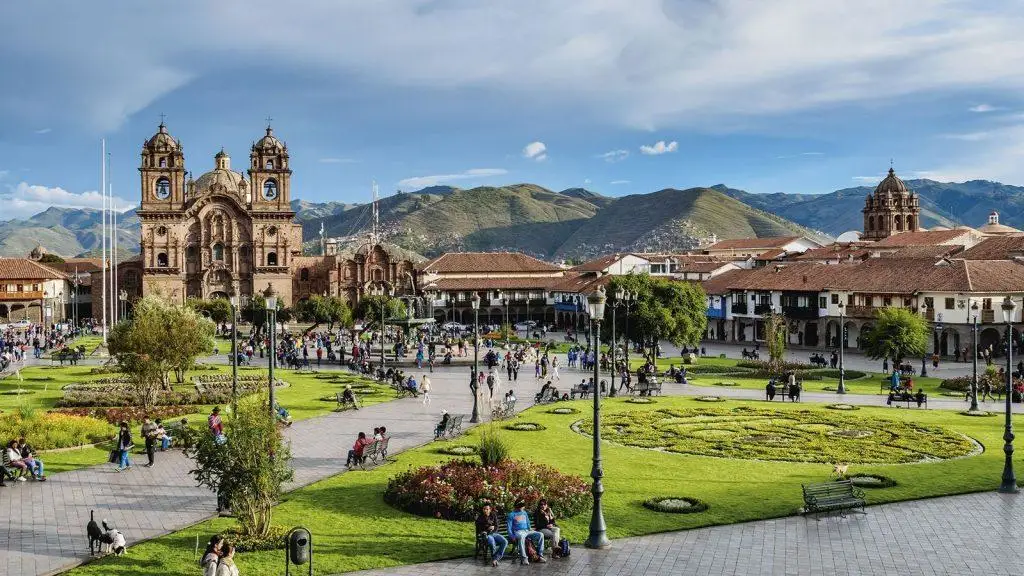
Cusco to Machu Picchu Travel
Cusco to Machu Picchu travel is the most common route for visitors already exploring the Andes. One popular option is traveling from Cusco to Ollantaytambo by road and boarding a train there. Ollantaytambo is particularly convenient because trains connect directly with Machu Picchu Pueblo.
Another possibility is a bimodal service combining bus and train. Train operators publish schedules from different departure points, and current timetables can vary by season and service.
Cusco to Machu Picchu Travel Time
The total Cusco to Machu Picchu travel time depends heavily on the departure point, transportation type, connections, and waiting times. The train journey itself is not the entire journey because travelers may first need to travel from Cusco to Ollantaytambo.
For example, current train schedules can vary according to the selected service and departure station. For planning purposes, allow additional time for hotel pickup, road transfers, station check-in, and the bus from Aguas Calientes to the archaeological site.
Lima to Machu Picchu Travel Time
Lima to Machu Picchu travel takes considerably longer because the journey normally requires a connection in Cusco. A typical route is Lima → Cusco by air, followed by road and train transportation toward Machu Picchu.
The Lima–Cusco flight itself is approximately 1 hour 15 minutes according to Peru Travel, but the complete door-to-door journey can take most of a day when transfers, check-in, transportation to the train station, and the train journey are included.
For this reason, travelers arriving from Lima generally benefit from spending at least one night in Cusco before continuing to Machu Picchu.
Train, Bus and Hiking Options
The train is the easiest and most frequently used transportation option for travelers who want to reach Machu Picchu without a long trek. Ollantaytambo is one of the principal departure points, and train schedules vary according to the operator and service.
The bus-plus-train option can simplify the transfer from Cusco. Hiking alternatives provide a very different experience. The classic Inca Trail involves trekking through historic landscapes toward Machu Picchu, while other routes such as Salkantay provide multi-day mountain adventures.
Machu Picchu Travel Packages
Machu Picchu travel packages combine different services into one reservation. Packages may range from a simple one-day excursion from Cusco to complete Peru programs lasting a week or longer.
Peru Machu Picchu Travel Packages
Peru Machu Picchu travel packages can include transportation, entrance tickets, accommodation, meals, guides, airport transfers, and additional sightseeing. A basic package may focus only on Machu Picchu, while a comprehensive package can include Lima, Cusco, the Sacred Valley, Machu Picchu, and other destinations.
Before choosing a package, compare the exact services rather than looking only at the advertised price.
What Is Included in a Travel Package?
A Machu Picchu package may include:
- Machu Picchu entrance ticket.
- Train transportation.
- Bus transportation to the archaeological site.
- Professional guide.
- Hotel accommodation.
- Meals.
- Airport transfers.
- Tourist transportation.
- Sacred Valley excursions.
- Emergency or operational assistance.
Always confirm which services are included and which are optional extras.
Private and Group Packages
Private Machu Picchu travel packages provide greater flexibility because transportation, guides, and daily activities can often be adapted to the travelers’ schedule. Group packages can be more economical and offer a social experience, but the itinerary is generally shared with other visitors.
A private tour can be especially useful for families, couples, photographers, older travelers, or visitors who want more time for specific attractions. Group tours may be suitable for travelers who prefer a structured itinerary and scheduled transportation.
Machu Picchu Travel Itinerary
A good Machu Picchu travel itinerary should coordinate transportation and ticket schedules rather than simply listing attractions. Because Machu Picchu entrance tickets are tied to specific routes and visiting schedules, transportation should be organized around the selected admission time.
One-Day Machu Picchu Itinerary
A one-day Machu Picchu itinerary usually begins very early in Cusco. Travelers transfer toward Ollantaytambo or another departure point, board the train to Machu Picchu Pueblo, and then take the bus toward the archaeological site.
A typical structure is:
- Early morning: hotel pickup and transfer.
- Morning: train to Machu Picchu Pueblo.
- Morning or midday: bus to Machu Picchu.
- Several hours: guided visit.
- Afternoon: return to Machu Picchu Pueblo.
- Afternoon or evening: train toward the Sacred Valley or Cusco.
This option maximizes efficiency but leaves little room for delays. Travelers should carefully coordinate every connection.
Two-Day Machu Picchu Itinerary
A two-day itinerary provides more breathing room. Instead of visiting Machu Picchu immediately after arriving in the region, travelers can travel to Aguas Calientes on the first day, stay overnight, and visit the citadel the following morning.
Day 1
Travel from Cusco through the Sacred Valley toward Ollantaytambo. Board the train to Machu Picchu Pueblo, check into the hotel, and spend the afternoon exploring the town or relaxing before the next day’s visit.
Day 2
Have breakfast early, travel to the Machu Picchu entrance, complete the selected circuit with a guide if desired, and return to Aguas Calientes for lunch and the train journey back toward Cusco.
Train to Aguas Calientes
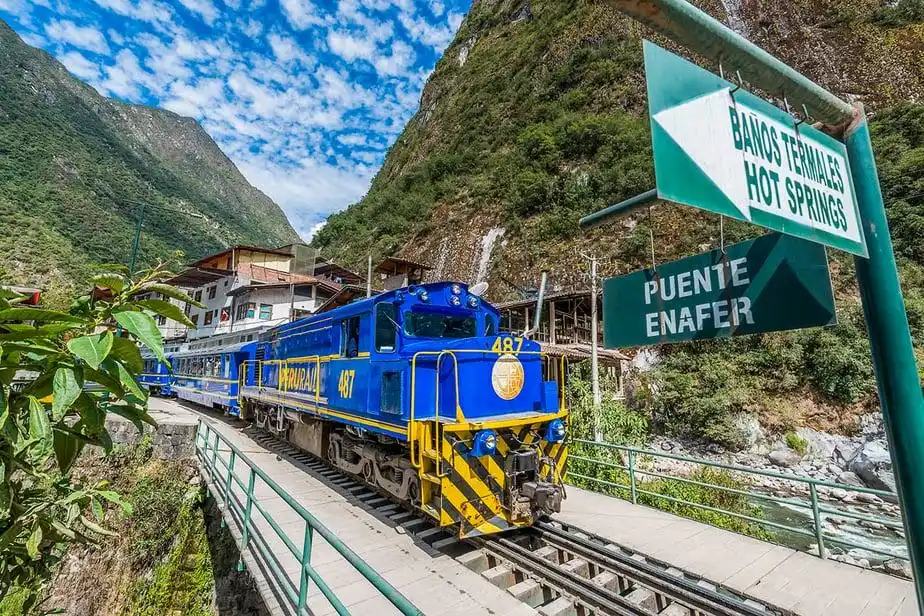
Multi-Day Peru Itinerary
A longer Peru itinerary can incorporate Machu Picchu into a broader cultural trip.
One possible structure is:
- Day 1: Arrival in Lima.
- Day 2: Lima sightseeing.
- Day 3: Flight to Cusco and acclimatization.
- Day 4: Cusco city tour.
- Day 5: Sacred Valley.
- Day 6: Ollantaytambo and train to Machu Picchu Pueblo.
- Day 7: Machu Picchu and return.
- Day 8: Additional Cusco experiences.
- Day 9: Return to Lima.
This format allows travelers to experience more of Peru rather than treating Machu Picchu as an isolated destination.
Machu Picchu Travel Tours
Machu Picchu travel tours are available in different formats, from short day trips to multi-day trekking and cultural programs.
Machu Picchu Day Tour
A Machu Picchu day tour is designed for travelers with limited time. The package generally combines transportation, entrance arrangements, a guide, and return transportation. It is efficient but can involve a long day, especially when starting and ending in Cusco.
The key to a successful day tour is matching the train schedule with the entrance-ticket time. A late arrival at the archaeological site can cause problems because entry is associated with the selected visiting schedule.
Multi-Day Machu Picchu Tours
Multi-day Machu Picchu tours can include the Sacred Valley, overnight accommodation in Aguas Calientes, trekking, and additional Cusco attractions. They provide more flexibility and reduce the pressure of trying to complete every connection in one day.
Multi-day tours are also useful for travelers who want to experience the journey itself rather than simply reaching the archaeological site.
Guided Machu Picchu Tours
A guided Machu Picchu tour adds historical and cultural context to the visit. A guide can explain the purpose and significance of architectural areas, terraces, temples, plazas, and ceremonial structures.
Visitors interested in history may find a guided visit particularly useful because many details of the site are not immediately obvious from the stone structures alone.
Ollantaytambo in the Sacred Valley
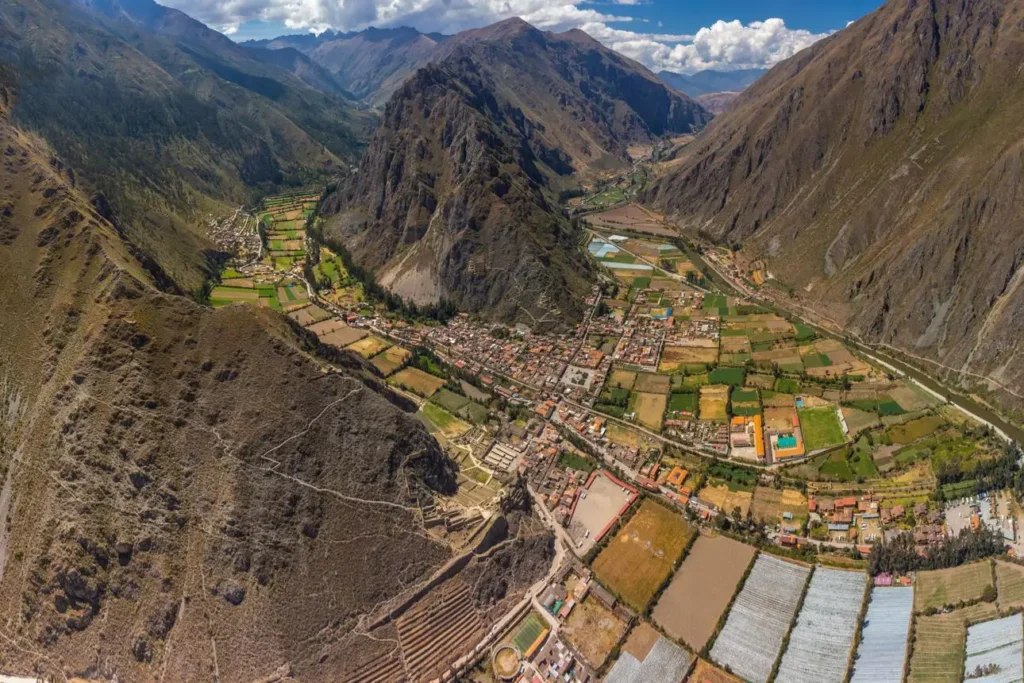
Machu Picchu Travel Agency and Travel Agents
A Machu Picchu travel agency can coordinate several reservations that would otherwise need to be arranged separately. This can include trains, entrance tickets, buses, hotels, guides, transfers, and tours.
What Does a Machu Picchu Travel Agent Do?
A Machu Picchu travel agent can help organize:
- Travel dates.
- Machu Picchu entrance tickets.
- Train reservations.
- Hotel bookings.
- Airport transfers.
- Private transportation.
- Professional guides.
- Sacred Valley tours.
- Multi-day itineraries.
- Trekking arrangements.
The main benefit is coordination. If transportation, accommodation, and entrance tickets are booked separately, the traveler must make sure that all schedules work together.
How to Choose a Travel Agency
Look for an agency that clearly explains its itinerary, inclusions, cancellation conditions, transportation, and guide services. A professional agency should also communicate what happens if a train schedule changes or transportation is delayed.
It is useful to compare several proposals based on the actual services provided rather than simply comparing headline prices.
What to Check Before Booking
Before paying for a Machu Picchu tour, check:
- Exact travel dates.
- Machu Picchu circuit and route.
- Entrance-ticket status.
- Train departure and arrival times.
- Hotel category.
- Guide language.
- Private or group transportation.
- Meals included.
- Cancellation policy.
- Emergency contact.
- Additional costs.
This checklist can prevent unexpected expenses and scheduling problems.
Machu Picchu Tickets
Machu Picchu entrance tickets are one of the most important parts of the trip because visitors must select a route and visiting schedule.
Entrance Tickets
Machu Picchu currently operates with three principal circuits that group ten routes. The official system identifies Circuit 1 as Panoramic, Circuit 2 as Machupicchu Classic, and Circuit 3 as Machupicchu Royalty/Realeza, with individual routes within each circuit. Some routes are available only during high season.
Therefore, travelers should not simply ask for a generic “Machu Picchu ticket.” They should identify which circuit and route they want.
How to Reserve Tickets
The official online ticket system is operated through the Peruvian government’s platform for managing visits to cultural centers. The official Machupicchu website provides information about online ticket purchases and visitor schedules.
There is also an in-person purchase option in Machu Picchu Pueblo. The official website states that up to 1,000 tickets are made available daily through the in-person ticket office, subject to admission capacity and applicable conditions.
For popular travel dates, advance planning is therefore advisable.
Machu Picchu from above
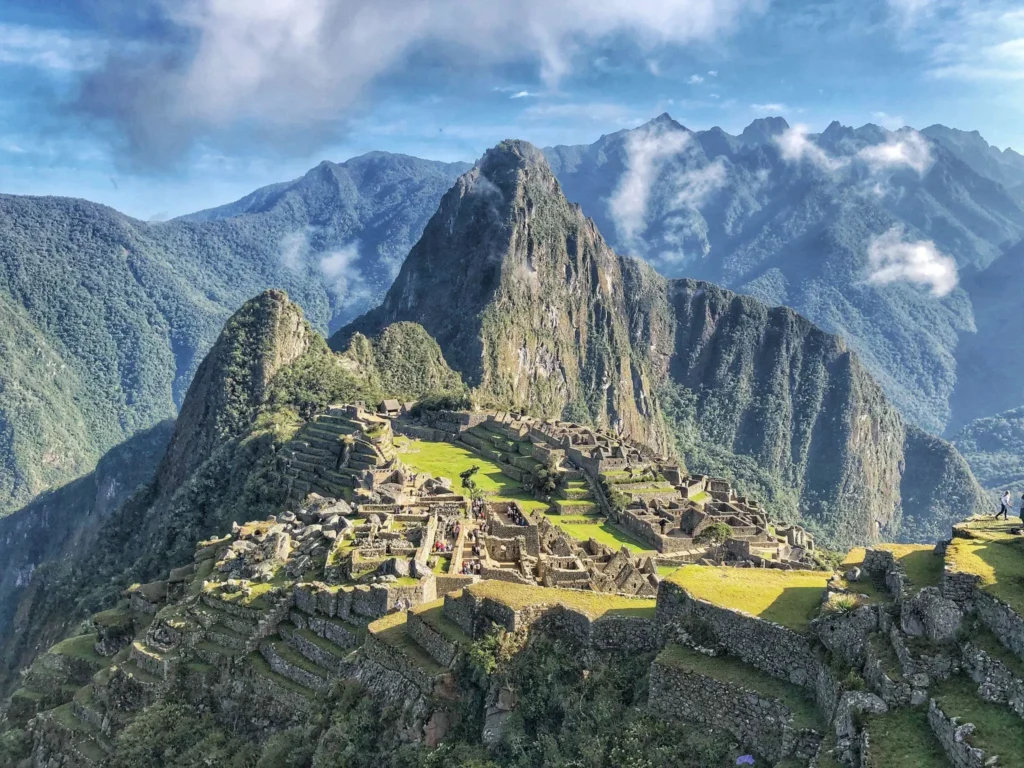
Machu Picchu Travel Tips
Small planning decisions can make a major difference during a Machu Picchu trip. The site operates under controlled visitor routes, and visitors should arrive with enough time to complete transportation connections.
Best Time to Visit
Machu Picchu can be visited throughout the year, but weather varies between seasons. The dry season generally offers better conditions for outdoor activities, while the rainy season can bring wet trails and cloudy mountain views.
Rather than choosing a date based only on weather, consider the complete combination of rainfall, visitor demand, transportation availability, and personal preferences.
The official tourism information notes that Machupicchu has a mountain and cloud-forest environment, so conditions can change quickly.
What to Pack
A practical Machu Picchu daypack should remain light.
Recommended items include:
- Passport or required identification.
- Entrance ticket.
- Water.
- Sunscreen.
- Sunglasses.
- Hat.
- Light rain jacket.
- Comfortable walking shoes.
- Insect repellent.
- Light layers.
- Camera or smartphone.
- Small personal medication kit.
Avoid bringing unnecessary luggage to the archaeological site because mobility is easier with a small daypack.
How Many Days to Spend in Machu Picchu
For travelers with limited time, one day can cover the essential visit. However, two days provide a more relaxed experience and make it possible to stay overnight in Machu Picchu Pueblo.
For a broader Peru trip, allocating three to five days to the Cusco and Sacred Valley area before or after Machu Picchu can provide a more complete cultural experience.
A useful approach is:
- 1 day: Essential Machu Picchu visit.
- 2 days: Machu Picchu with an overnight stay.
- 3–4 days: Cusco, Sacred Valley, and Machu Picchu.
- 5+ days: Expanded Cusco region and trekking experiences.
Travel Insurance
Travel insurance is useful for international visitors because a Peru trip involves flights, trains, hotels, trekking, and outdoor activities. A policy should be reviewed for medical expenses, trip interruption, cancellations, baggage, and trekking coverage when applicable.
Travelers planning the Inca Trail or another demanding trek should specifically verify whether their policy covers the activities included in their itinerary.
Frequently Asked Questions About Machu Picchu Travel
How long does it take to travel from Cusco to Machu Picchu?
The answer depends on the transportation combination. A road transfer from Cusco to Ollantaytambo followed by a train to Machu Picchu Pueblo generally takes several hours overall. The train section from Ollantaytambo varies according to the selected service and schedule.
Can I travel from Lima to Machu Picchu in one day?
It is technically possible to combine an early Lima–Cusco flight with onward transportation, but it creates a very demanding schedule with little room for delays. Spending at least one night in Cusco is a more practical itinerary structure for many travelers.
Is Machu Picchu accessible by bus?
The final connection from Machu Picchu Pueblo to the archaeological site is normally made by shuttle bus or by walking. There is no road directly from Cusco to the archaeological complex.
Is the train the only way to reach Machu Picchu?
No. Travelers can use trekking routes and alternative routes through the wider Machu Picchu region. The Inca Trail is one of the officially recognized trekking systems associated with the destination.
Should I book Machu Picchu tickets in advance?
Advance planning is recommended, particularly if you want a specific circuit, route, date, or visiting schedule. The official system operates with controlled availability, and some routes have additional seasonal restrictions.
Can I buy Machu Picchu tickets after arriving in Aguas Calientes?
There is an in-person ticket system in Machu Picchu Pueblo, but availability is limited and subject to the official admission system. The official Machupicchu website should be checked for the conditions applicable to your travel date.
Should I take a guided tour?
A guided Machu Picchu visit can be valuable for travelers interested in archaeology, Inca history, architecture, and cultural interpretation. Independent visitors can also explore according to their selected route and regulations.
How long should I stay in Aguas Calientes?
One night is sufficient for many two-day Machu Picchu itineraries. Staying overnight allows travelers to avoid immediately returning to Cusco after visiting the archaeological site.
What is the best Machu Picchu itinerary?
There is no single itinerary suitable for every traveler. A one-day trip prioritizes efficiency, while a two-day trip provides more time and flexibility. Longer itineraries allow Machu Picchu to be combined with Cusco, the Sacred Valley, and trekking experiences.
Which Machu Picchu circuit should I choose?
The choice depends on the route and attractions you want to experience. The official system currently has three circuits containing ten routes, including panoramic routes, classic Machupicchu routes, and routes involving Waynapicchu and other mountain experiences.
Inca Trail to Machu Picchu
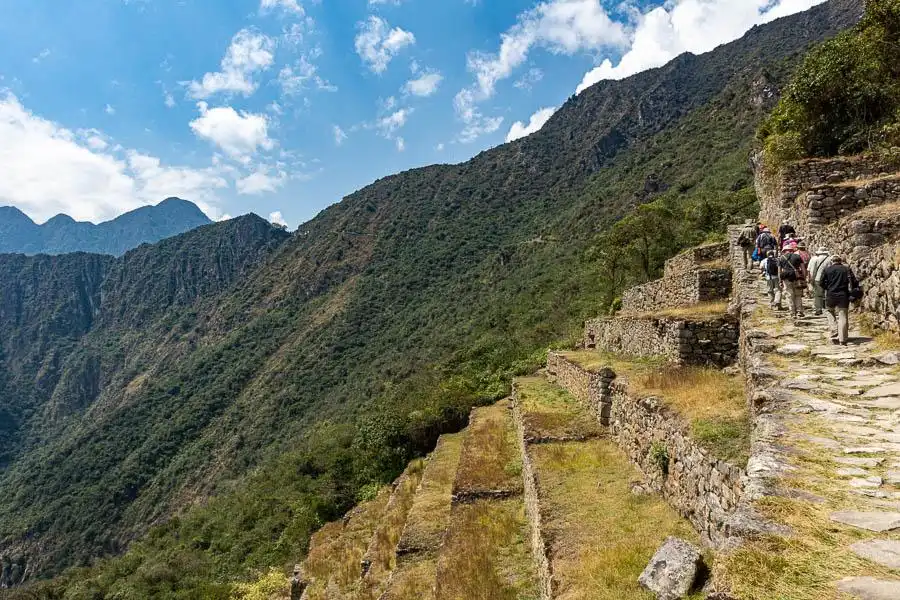
Final Machu Picchu Travel Guide
Machu Picchu travel is easiest when transportation, tickets, accommodation, and sightseeing are planned as one connected itinerary. For most visitors, the journey begins with Lima or Cusco, continues through the Sacred Valley or another transportation route, and reaches Machu Picchu Pueblo by train or trekking route.
For a short trip, a Machu Picchu day tour can provide an efficient visit. For a more relaxed experience, a two-day Machu Picchu itinerary with an overnight stay in Aguas Calientes allows greater flexibility. Travelers with more time can choose Machu Picchu travel packages combining Cusco, the Sacred Valley, Machu Picchu, and additional Peru destinations.
The most important step is to plan around the official entrance-ticket system. Because Machupicchu currently operates with specific circuits and routes, travelers should choose their desired experience before finalizing transportation.
With the right combination of tickets, transportation, accommodation, and a well-planned itinerary, a Machu Picchu trip can become an integrated part of a broader Peru adventure rather than simply a one-day excursion.