Machu Picchu is one of the world’s most remarkable archaeological destinations, combining Inca history, dramatic mountain scenery, and a memorable journey through the Peruvian Andes. If you are planning a trip in 2026, understanding how to visit Machu Picchu, how to travel from Cusco, which entrance and circuit to choose, whether you need a guide, and how much time to spend can make your experience much easier.
This complete Machu Picchu travel guide 2026 brings the most important information together in one place. Whether you are planning a quick day trip, a two-day adventure, a private guided experience, or a longer Peru itinerary, the sections below cover transportation, itineraries, attractions, guides, costs, travel packages, and practical tips.
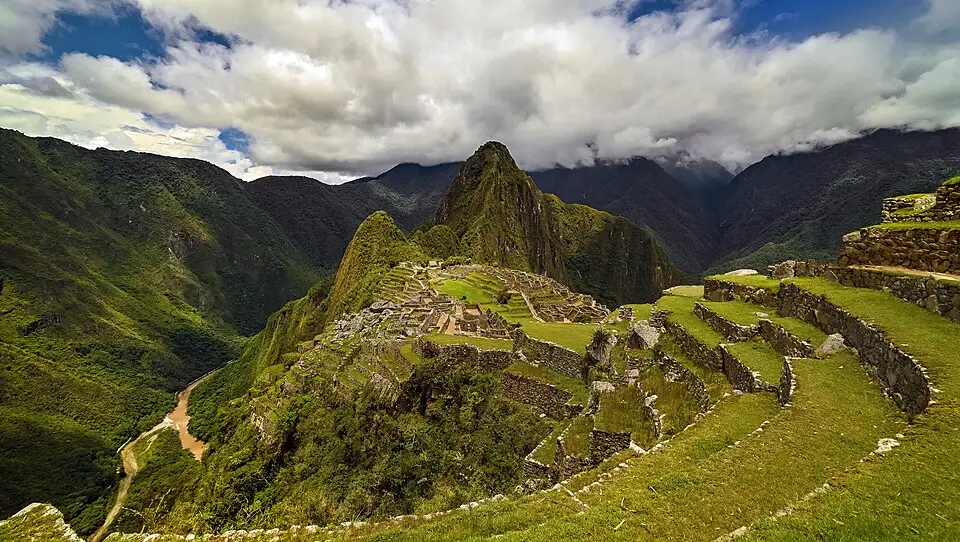
Planning Your Machu Picchu Trip
Planning a Machu Picchu trip starts with deciding when to go, how many days to spend, how you want to travel, and which Machu Picchu circuit or mountain experience fits your interests. Most international travelers begin in Cusco, then travel toward the Machu Picchu area by train or through one of the available trekking routes. Because Machu Picchu operates with controlled visitor capacity and designated routes, purchasing the appropriate entrance ticket in advance is an important part of planning.
Best Time to Visit Machu Picchu
Machu Picchu can be visited throughout the year, but conditions vary by season. The dry season generally offers better chances of sunny weather, particularly from May through September, while the rainy season can bring more clouds and precipitation. At the same time, the landscape can be especially green during wetter months. Your decision should therefore consider weather, crowds, photography preferences, and your tolerance for rain rather than assuming that one season is universally best.
How Many Days Do You Need?
A 1-day Machu Picchu itinerary can work if you have limited time, while a 2-day Machu Picchu itinerary provides a more relaxed experience. Travelers who want to explore Cusco, the Sacred Valley, and Machu Picchu without rushing may want several days in the region.
What to Book in Advance
For a smooth trip, consider arranging the following before traveling:
- Machu Picchu entrance ticket
- Train tickets
- Accommodation in Aguas Calientes or nearby
- Transportation from Cusco to the train station
- Bus transportation to Machu Picchu
- Professional guide, if desired or required for your selected experience
- Additional mountain tickets, such as Huayna Picchu or Machu Picchu Mountain
- Travel insurance
- Airport and hotel transfers
How to Get to Machu Picchu from Cusco
One of the most common questions from travelers is how to get to Machu Picchu from Cusco. Machu Picchu does not have a road connecting it directly with Cusco. Most visitors travel by train to Aguas Calientes, the town located below the archaeological site, and then continue by bus or on foot to the entrance.
Cusco to Machu Picchu by Train
The most straightforward option for many travelers is traveling from Cusco or the Sacred Valley toward the Machu Picchu area by train. Depending on your itinerary, your train may depart from stations such as Ollantaytambo, depending on the service and operating schedule.
The journey combines Andean scenery with views of the Urubamba River and increasingly dramatic mountain landscapes. Once you arrive in Aguas Calientes, also known as Machupicchu Pueblo, you can continue toward the archaeological site.
Typical Journey
A common route looks like this:
Cusco → Train station → Aguas Calientes → Machu Picchu entrance
Travelers may also visit the Sacred Valley before boarding their train, which can make the overall journey more efficient.
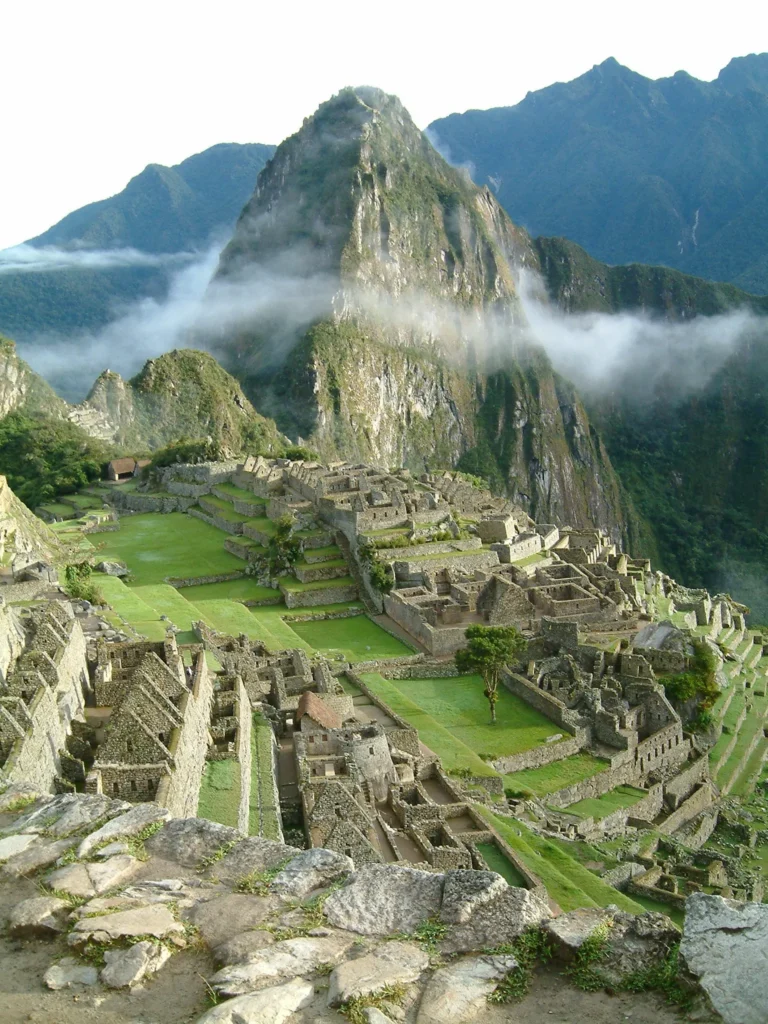
Traveling Through the Sacred Valley
Another popular strategy is to travel from Cusco to the Sacred Valley, spend time visiting places such as Pisac or Ollantaytambo, and then take a train toward Aguas Calientes. This approach can reduce backtracking and allows you to combine several important destinations in one itinerary.
How to Visit Machu Picchu
Knowing how to visit Machu Picchu involves more than simply purchasing a ticket. Visitors must select an authorized entrance route and follow the established circuit. The exact options and regulations can change, so travelers should check the official Machu Picchu ticketing information when planning their 2026 trip.
A typical visit begins in Aguas Calientes. From there, travelers take the shuttle bus or walk toward the archaeological site’s entrance, depending on their preference and physical condition. After entering, visitors follow the designated route associated with their ticket. Some routes emphasize panoramic views, while others provide different perspectives of the archaeological complex.
Because visitors generally cannot wander freely throughout every section of the ruins, choosing the correct ticket is particularly important.
Machu Picchu Entry Circuits
Machu Picchu uses designated visitor circuits to manage tourism and protect the archaeological site. Your ticket determines which areas you can access and the direction in which you move through the site.
Before purchasing your ticket, identify whether your priority is:
- Classic Machu Picchu views
- Archaeological structures
- Huayna Picchu
- Machu Picchu Mountain
- More panoramic viewpoints
- A shorter or longer walking experience
1-Day Machu Picchu Itinerary
A 1-day Machu Picchu itinerary is suitable for travelers who have limited time and want to experience the archaeological site without spending the night in Aguas Calientes. It requires careful coordination because your train, entrance time, guided visit, and return journey all need to fit together.
Example 1-Day Schedule
Early morning: Depart Cusco or the Sacred Valley for the train station.
Morning: Take the train to Aguas Calientes.
Late morning: Travel from Aguas Calientes toward Machu Picchu.
Midday: Enter Machu Picchu and explore the designated circuit, preferably with a guide if you want detailed historical and archaeological explanations.
Afternoon: Return to Aguas Calientes.
Late afternoon/evening: Take your train back toward the Sacred Valley or Cusco.
A one-day visit can be rewarding, but it leaves less flexibility for transportation delays or weather changes. Travelers with limited time should therefore organize their transportation carefully and avoid creating an excessively tight schedule.
2-Day Machu Picchu Itinerary
A 2-day Machu Picchu itinerary provides more flexibility and is often appealing to travelers who prefer not to rush. Instead of traveling to Machu Picchu and returning to Cusco on the same day, you can travel to Aguas Calientes, stay overnight, and visit Machu Picchu the following day.
Day 1: Cusco or Sacred Valley to Aguas Calientes
Begin your journey from Cusco or the Sacred Valley and take the train to Aguas Calientes. After checking into your hotel, use the afternoon to relax, explore the town, visit local markets, or prepare for your Machu Picchu visit.
An overnight stay also means you do not have to coordinate your archaeological-site visit immediately after arriving by train.
Day 2: Machu Picchu and Return
Wake early and travel toward Machu Picchu according to your entrance time. Spend several hours exploring the designated circuit, with a guide if appropriate for your ticket and preferences. After visiting the site, return to Aguas Calientes for your train.
A two-day itinerary is particularly useful for photographers, families, older travelers, and visitors who prefer a more comfortable pace.
Do You Need a Guide for Machu Picchu?
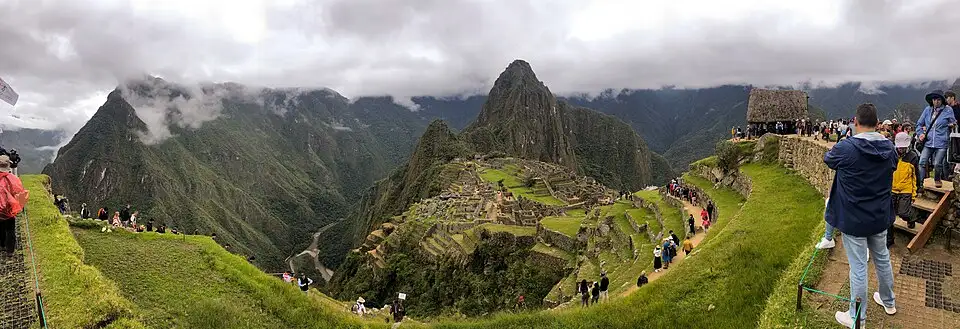
One of the most common questions is “Do you need a guide for Machu Picchu?” The answer depends on the current regulations associated with your selected circuit and ticket, as well as how you want to experience the site.
Even when travelers have flexibility regarding guiding arrangements, a professional guide can add substantial historical context. Without a guide, it is possible to admire the architecture and scenery, but many details about Inca construction, ceremonial spaces, agricultural terraces, astronomy, and the site’s relationship with the surrounding mountains can be difficult to understand from the ruins alone.
Why Hire a Guide?
A knowledgeable guide can explain:
- Inca architecture
- Religious and ceremonial areas
- Agricultural terraces
- Water-management systems
- The significance of major temples
- Inca history
- Archaeological theories
- The surrounding landscape
- Local traditions and interpretations
A guide can also help you understand what you are seeing rather than simply walking from one viewpoint to another.
Do You Need a Tour Guide for Machu Picchu?
The question “Do you need a tour guide for Machu Picchu?” is slightly different from asking whether a guide is useful. A tour guide is particularly valuable if this is your first visit and you want historical interpretation rather than simply taking photographs.
There are several ways to arrange guiding services:
Private Machu Picchu Guide
A private guide allows your visit to focus on your interests. Families, couples, photographers, and travelers interested in archaeology may prefer this format because they can ask questions and generally receive more personalized attention.
Shared Group Guide
A shared tour usually costs less per person. It can be a practical option for solo travelers or visitors who want historical explanations while keeping expenses under control.
Guide Included in a Machu Picchu Tour
Many organized Machu Picchu travel packages include transportation, entrance tickets, and guiding services. This can simplify logistics because multiple components of the journey are coordinated together.
How to Get a Guide for Machu Picchu
There are several ways to arrange a Machu Picchu guide. You can book a guided tour through a travel agency, arrange a private guide before your trip, or investigate guide services available in the Machu Picchu area.
When selecting a guide, look for someone who is officially authorized to guide visitors at the archaeological site and confirm what is included in the price.
Questions to Ask Before Booking
Before paying for a guide, clarify:
- Is the guide officially authorized?
- Is the service private or shared?
- How long is the guided visit?
- Does the price include the Machu Picchu entrance ticket?
- Does it include transportation?
- Where will you meet the guide?
- Is the service available in English or your preferred language?
- Is the guide experienced with your selected circuit?
- Are Huayna Picchu or Machu Picchu Mountain included?
Machu Picchu Tour Guide Cost
The Machu Picchu tour guide cost varies according to factors such as whether the service is private or shared, the number of travelers, language, duration, and the services included.
A guide-only service is different from a complete Machu Picchu tour package. When comparing prices, determine whether you are paying only for guiding or for a package that includes transportation, entrance tickets, trains, buses, meals, and accommodation.
Factors Affecting Guide Prices
The main factors include:
- Private vs. group guiding
- Number of travelers
- Tour duration
- Language
- Transportation included
- Entrance tickets included
- Hotel accommodation
- Train category
- Additional mountain visits
Because prices and official fees can change during 2026, travelers should request a current quotation before booking rather than relying on an old online price.
Machu Picchu Tourist Attractions
The archaeological complex contains numerous structures and viewpoints, but some of the most famous Machu Picchu tourist attractions include the Temple of the Sun, Sacred Rock, Temple of the Three Windows, Main Temple, Royal Sector, agricultural terraces, and panoramic viewpoints.
Understanding these attractions beforehand can help you decide which circuit or ticket is appropriate.
Temple of the Sun
The Temple of the Sun is one of Machu Picchu’s most recognizable structures. Its curved stonework demonstrates the precision associated with Inca architecture. The temple is particularly interesting because of its relationship to solar observation and the surrounding landscape.
Its design, positioning, and carefully shaped stones demonstrate how architecture, astronomy, and religious ideas could intersect within the Inca world. Visitors generally view the structure from designated areas rather than freely entering every part of the building.
Sacred Rock
The Sacred Rock, also called the Wank’a in Quechua-related terminology, is a large stone positioned within the Machu Picchu complex. Its imposing shape and surrounding mountain scenery make it one of the site’s memorable landmarks.
The rock is particularly striking because of the way its form interacts visually with the mountains behind it. It also serves as an important reference point for some visitor routes.
Temple of the Three Windows
The Temple of the Three Windows is located within the Sacred Plaza. Its three large openings are among the most recognizable architectural features of Machu Picchu.
The exact meaning and function of many structures at Machu Picchu remain subjects of archaeological interpretation. A guide can provide context about established findings while distinguishing them from later theories and popular interpretations.
Machu Picchu Mountain and Huayna Picchu
Two of the most famous additional hiking experiences are Machu Picchu Mountain and Huayna Picchu. Although their names are sometimes confused, they are different mountains and provide different perspectives of the archaeological site.
Machu Picchu Mountain
Machu Picchu Mountain rises above the archaeological complex and offers expansive views across the surrounding valleys and mountains. The hike can be physically demanding because of elevation and steep sections.
Travelers interested in Machu Picchu Mountain should purchase the appropriate ticket and verify the available entrance times and current regulations before their trip.
Huayna Picchu
Huayna Picchu is the dramatic mountain frequently seen rising behind the ruins in classic Machu Picchu photographs. Its trail includes steep sections and stairs, making it important to consider your physical condition and comfort with heights.
Huayna Picchu tickets are limited, so travelers who want this experience should plan ahead rather than assuming they can purchase access at the last minute.
Machu Picchu Travel Packages
Machu Picchu travel packages can simplify planning by combining several components of the journey into one reservation. Depending on the operator, a package may include transportation from Cusco, train tickets, Machu Picchu entrance, bus transportation, hotel accommodation, meals, and a professional guide.
What Can a Machu Picchu Package Include?
Common package components include:
- Cusco hotel pickup
- Transportation to the train station
- Train tickets
- Aguas Calientes accommodation
- Machu Picchu entrance ticket
- Bus transportation
- Professional guide
- Return transportation
- Meals
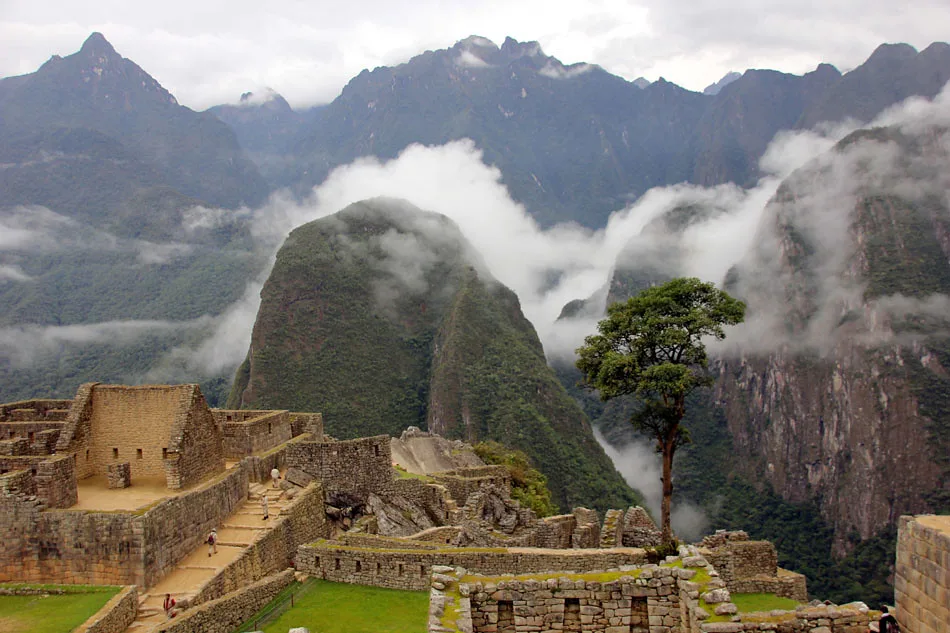
When comparing packages, do not focus only on the advertised price. Check exactly what is included and whether additional entrance fees, transportation, meals, or services must be purchased separately.
Is It Easy to Visit Machu Picchu?
Is it easy to visit Machu Picchu? For most travelers, visiting is manageable when the trip is properly organized. The challenge is usually not reaching the archaeological site itself but coordinating multiple elements: transportation, entrance times, train schedules, accommodation, altitude, walking, and changing weather.
The easiest approach for first-time visitors is generally to organize the major components in advance.
Travelers who prefer independence can arrange transportation and tickets themselves, while those who want fewer logistical responsibilities may choose a guided tour or travel package.
Physical Considerations
You do not need to be an experienced mountaineer to visit the main archaeological area. However, the site contains stairs, uneven surfaces, and walking routes that may be tiring. Additional hikes such as Huayna Picchu and Machu Picchu Mountain require considerably more physical effort.
Machu Picchu Travel Guide 2026: Practical Tips
1. Book Your Entrance Ticket Early
Machu Picchu has controlled visitor capacity. Your preferred date, circuit, or additional mountain may not be available if you wait until the last minute.
2. Check the Official Rules
Visitor regulations, circuits, entrance schedules, and ticket availability can change. Always verify the current rules for 2026 through official sources before traveling.
3. Choose Your Circuit Carefully
Do not purchase a Machu Picchu ticket without first understanding which route it provides. Different circuits offer different experiences.
4. Bring the Essentials
A practical daypack can contain:
- Passport
- Entrance ticket
- Water
- Sun protection
- Rain jacket
- Insect repellent
- Camera or phone
- Small snacks where permitted
- Necessary medication
5. Prepare for Changing Weather
Mountain weather can change quickly. Even during the dry season, rain can occur. Lightweight waterproof clothing is useful.
6. Protect Yourself From the Sun
High-altitude Andean sunlight can be intense. Sunglasses, sunscreen, and a hat can make a significant difference during a long day outdoors.
7. Respect the Archaeological Site
Follow marked routes and instructions from site personnel. Do not climb structures, touch archaeological features unnecessarily, or leave waste behind.
8. Keep Your Schedule Flexible
Transportation delays can happen. Avoid creating an itinerary where a small delay causes you to miss your entrance or train.
Frequently Asked Questions About Machu Picchu
How far is Machu Picchu from Cusco?
Machu Picchu is located northwest of Cusco in the Andes. The journey involves transportation toward Aguas Calientes followed by access to the archaeological site.
Can I visit Machu Picchu in one day?
Yes. A 1-day Machu Picchu itinerary is possible, particularly if you organize your transportation and entrance time carefully. A two-day trip allows a more relaxed schedule.
How long should I spend at Machu Picchu?
The amount of time depends on your selected circuit and ticket. Many travelers spend several hours exploring the site, while additional mountain hikes require extra time.
Do I need a guide at Machu Picchu?
Guiding requirements depend on the current regulations and the circuit you choose. Even when not strictly required for a particular situation, a professional guide can provide valuable historical and archaeological context.
How much does a Machu Picchu guide cost?
Prices vary depending on group size, private versus shared service, language, duration, and what is included. Always request a current 2026 quotation.
Can I visit Huayna Picchu and Machu Picchu on the same trip?
Yes, provided you have the appropriate ticket and your schedule permits it. Huayna Picchu access is separate from simply visiting the main archaeological area.
Is Machu Picchu difficult to walk?
The main archaeological site involves stairs and uneven terrain but does not require technical climbing. Huayna Picchu and Machu Picchu Mountain are substantially more demanding.
Can children visit Machu Picchu?
Children can visit Machu Picchu, although parents should consider the amount of walking, stairs, weather, altitude, and the specific mountain hikes selected.
Where should I stay for Machu Picchu?
Many travelers stay in Aguas Calientes, particularly when they want to visit Machu Picchu early or divide their journey into two days. Others travel from the Sacred Valley or Cusco according to their transportation schedule.
What should I bring to Machu Picchu?
Bring your passport, ticket, water, sun protection, rain protection, comfortable walking shoes, and any necessary personal medication. Check current site rules because restrictions on bags and other items can apply.
Final Machu Picchu Travel Guide 2026 Checklist

Before your trip, make sure you have considered:
- Machu Picchu entrance ticket
- Correct visitor circuit
- Huayna Picchu or Machu Picchu Mountain ticket, if desired
- Train tickets
- Transportation from Cusco or the Sacred Valley
- Aguas Calientes accommodation, if staying overnight
- Professional guide, when required or desired
- Return transportation
- Passport
- Travel insurance
- Weather-appropriate clothing
- Comfortable walking shoes
- Sun and rain protection
Machu Picchu is more than a single archaeological attraction—it is a complete travel experience involving the Andes, Inca history, spectacular landscapes, and the journey through the Sacred Valley and Machupicchu Pueblo. By planning your transportation, entrance circuit, itinerary, guide, and accommodation in advance, you can spend less time worrying about logistics and more time appreciating one of Peru’s most extraordinary destinations.