Traveling from Cusco to Machu Picchu is one of the most popular journeys in Peru, combining the historic streets of Cusco, the spectacular landscapes of the Sacred Valley, and the extraordinary Inka citadel of Machu Picchu. There are several ways to make the journey, but most travelers choose a train-based route, either traveling from Cusco through the Sacred Valley to Ollantaytambo and then continuing by train to Machu Picchu Pueblo, also known as Aguas Calientes. Other options include organized tours, alternative transportation, and trekking routes such as the Inca Trail or Salkantay Trek. Understanding the distance, travel time, train schedules, ticket options, costs, and different routes can make planning your trip much easier.
How to Get from Cusco to Machu Picchu
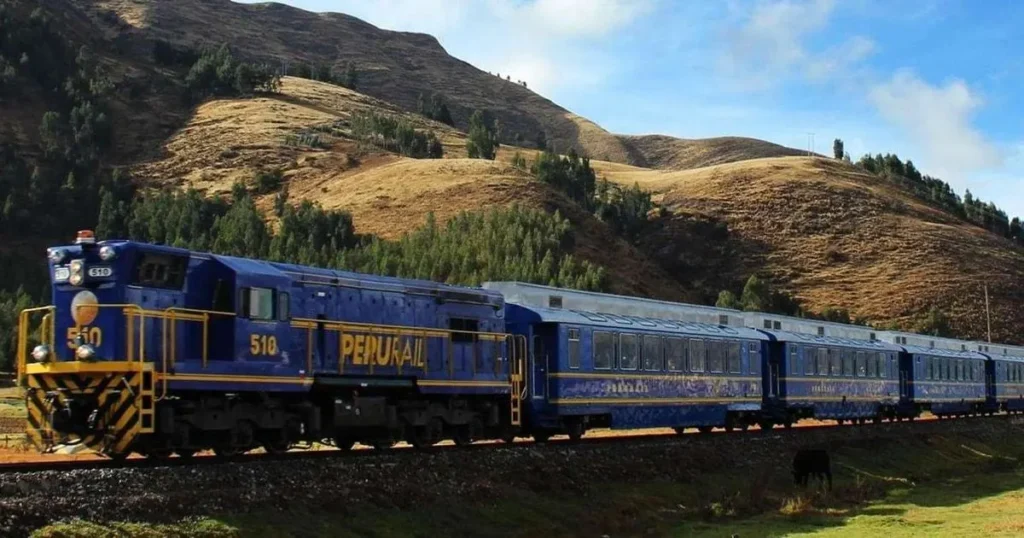
There is no simple direct road connecting central Cusco with the entrance of Machu Picchu. Instead, the journey involves traveling from the high-altitude city of Cusco toward the Sacred Valley and then continuing toward Machu Picchu Pueblo, the town located below the archaeological sanctuary. For many visitors, the easiest option is a combined transportation experience involving road transportation from Cusco to a railway station such as Ollantaytambo, followed by a train through the Urubamba Valley to Machu Picchu Pueblo. PeruRail currently lists both regular train services and bimodal services, in which a bus and train are combined. Current schedules include bimodal departures from Wanchaq in Cusco, while direct regular train services operate from Ollantaytambo.
Main Ways to Travel from Cusco to Machu Picchu
The best route depends on your schedule, budget, preferred level of comfort, and whether you want transportation to be part of a larger tour.
- Train-based journey: The most popular option for independent travelers.
- Bimodal bus + train: A combined service that connects Cusco with the railway and then continues by train.
- Organized tour: Transportation, Machu Picchu entrance arrangements, and guiding can be combined in one package.
- Day trip: Possible, but requires an early departure and careful coordination.
- Trekking: Options include the Inca Trail and Salkantay Trek.
- Private transportation: Useful for travelers who want flexibility before connecting with the train.
Planning the Journey
When planning how to get from Cusco to Machu Picchu, it is important to think about the journey as several connected stages rather than one simple point-to-point trip. You normally need to coordinate your departure from Cusco, your transportation to the railway station, the train to Machu Picchu Pueblo, the bus or walk from the town toward the archaeological entrance, and your scheduled Machu Picchu admission time. Entrance tickets to Machu Picchu are separate from transportation tickets and are administered through the Peruvian Ministry of Culture.
Cusco to Machu Picchu Distance and Travel Time
The distance between Cusco and Machu Picchu can be confusing because there is no single road or railway measurement that represents the entire journey. Cusco is located high in the Andes, while Machu Picchu is deep in a mountainous environment northwest of the city. The practical travel time depends on the transportation combination you choose, where you board the train, and how much time you allow for transfers.
A train-based trip from Ollantaytambo is substantially shorter than traveling from Cusco by a bimodal service because the railway journey itself begins farther along the route. PeruRail’s current published schedule, for example, lists an Ollantaytambo departure at 05:05 arriving at Machu Picchu Pueblo at 06:37, a scheduled railway journey of 1 hour 32 minutes. By comparison, one current Wanchaq-to-Machu-Picchu bimodal service is listed at 4 hours 20 minutes because it includes the bus-and-train connection.
How Far Is Cusco from Machu Picchu?
The geographical distance is less important for trip planning than the actual transportation route. Mountain terrain, road conditions, railway routing, and transfers all affect the journey. This is why travelers should not estimate their trip simply by looking at a straight-line distance on a map.
How Long Does It Take to Travel from Cusco to Machu Picchu?
A practical journey can take several hours, especially when departing directly from Cusco. A bimodal service may take more than four hours according to the published schedule, while the train itself from Ollantaytambo can take around 1.5 to 2 hours depending on the service. Additional time is required for transportation within Machu Picchu Pueblo and for your scheduled entrance to the archaeological site.
Travel Time Depends on Your Starting Point
Travelers staying in central Cusco should consider the time required to reach their railway departure point. Someone staying overnight in Ollantaytambo can begin the railway portion much earlier and avoid part of the morning road transfer. This is one reason some travelers choose to spend the night in the Sacred Valley before visiting Machu Picchu.
Cusco to Machu Picchu Train
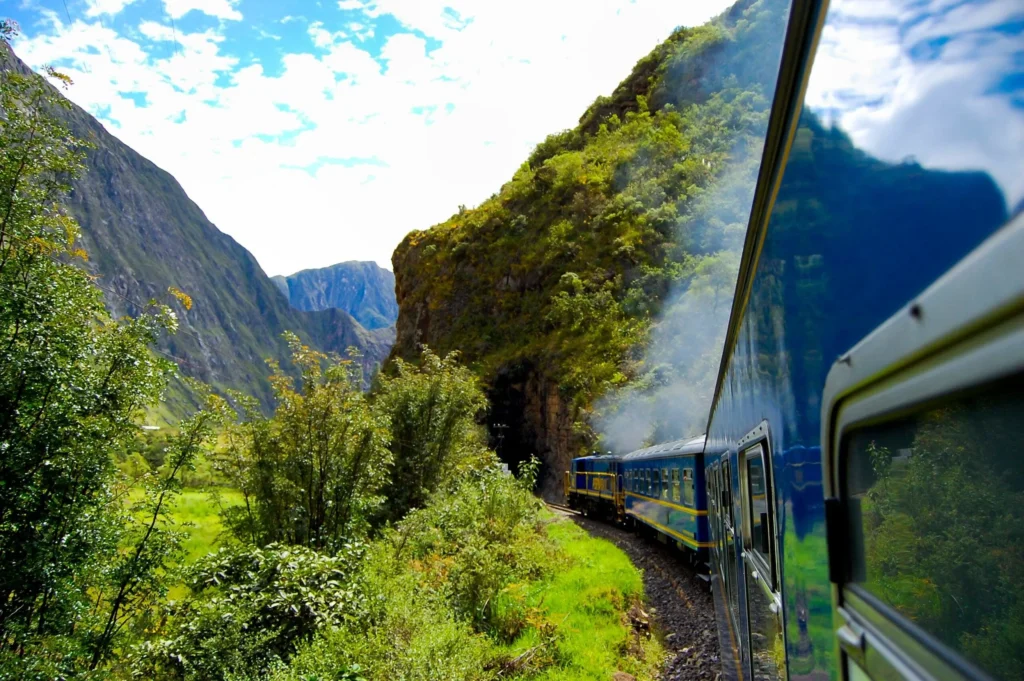
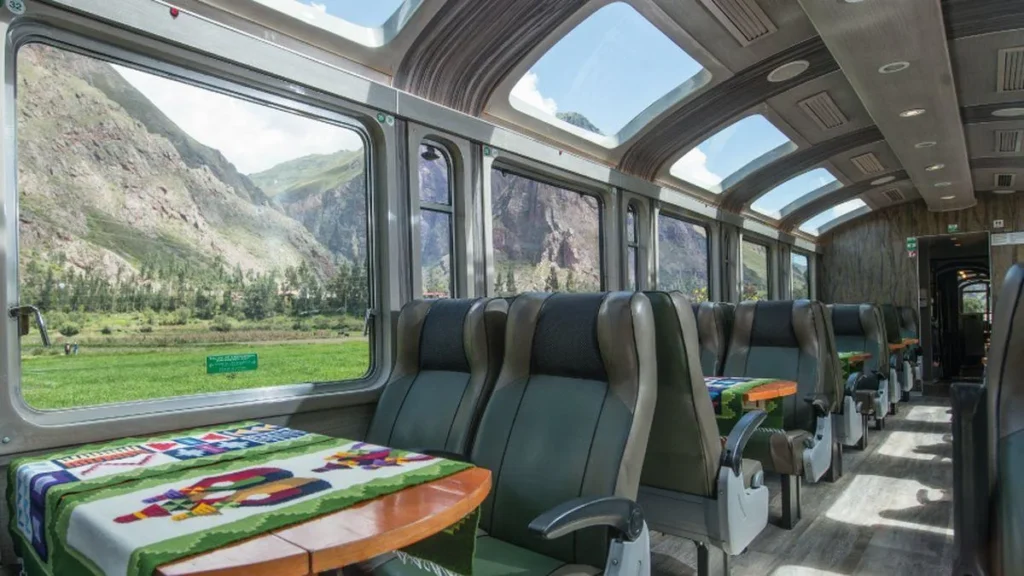
The train is the most recognizable and widely used transportation option for reaching Machu Picchu. The railway follows the Urubamba River through dramatic mountain scenery, gradually entering the narrower valley surrounding Machu Picchu. The experience is different from a simple transportation transfer because the scenery is one of the major attractions of the journey.
PeruRail currently offers regular and bimodal services. Regular service means traveling by train, while bimodal service combines bus and train transportation. Published schedules can change, so travelers should always verify the timetable and availability for their exact travel date before making final plans.
Can You Take a Train from Cusco to Machu Picchu?
Yes, you can travel from Cusco toward Machu Picchu using a train-based service, but it is important to understand that not every service means boarding a train in central Cusco and remaining on the same train all the way to Machu Picchu Pueblo. PeruRail’s current schedules include bimodal services departing from Wanchaq in Cusco, combining road and rail transportation. There are also regular train departures from Ollantaytambo.
For travelers searching specifically for a train from Cusco to Machu Picchu, the key distinction is between a combined Cusco-to-Machu-Picchu service and a regular railway departure from Ollantaytambo.
Train from Cusco to Machu Picchu
The train journey from the Sacred Valley toward Machu Picchu is one of the most scenic parts of the trip. As the railway follows the Urubamba River, the landscape changes from cultivated valley scenery to steeper mountains and increasingly dense vegetation. The train eventually reaches Machu Picchu Pueblo, from where visitors continue by bus or on foot toward the archaeological site.
What the Train Journey Is Like
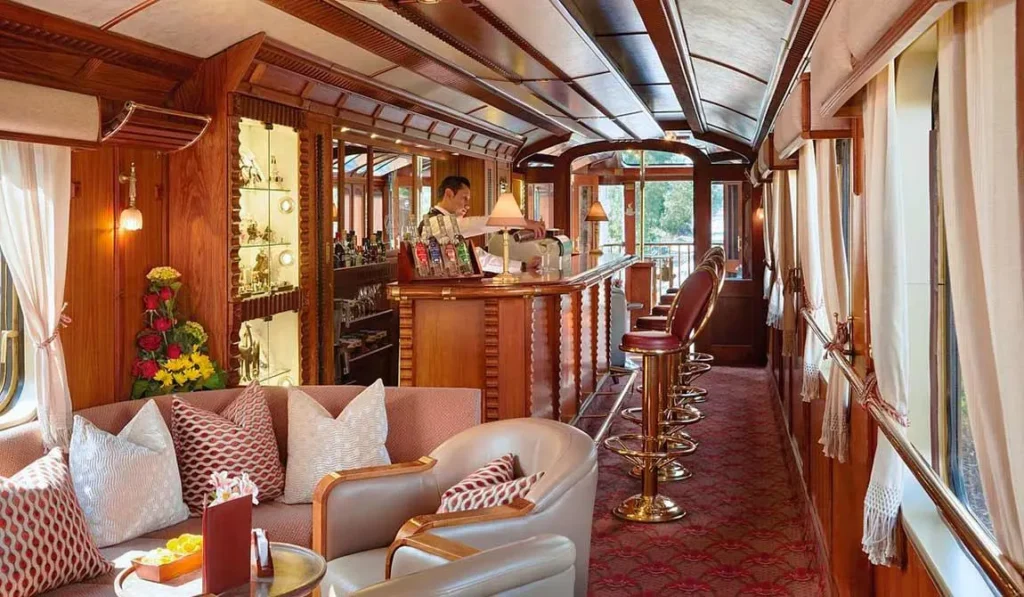
Depending on the service, travelers can experience large windows, panoramic views, comfortable seating, luggage restrictions, onboard service, and different levels of presentation. The journey is particularly memorable when travelers take time to observe the river, cliffs, bridges, and vegetation outside the train.
Cusco to Machu Picchu Train Tickets
Train tickets should be purchased according to your exact travel date, departure point, service, and return plan. During busy travel periods, popular departure times can sell out, particularly when travelers need to coordinate their train with a specific Machu Picchu entrance time.
Machu Picchu entrance tickets are separate from train tickets. The Ministry of Culture manages admission to the archaeological site through its official ticketing system, and the site operates according to established circuits and routes.
What to Check Before Buying
Before purchasing a train ticket, check:
- Departure station
- Departure time
- Arrival time
- Train service
- Baggage conditions
- Machu Picchu entrance time
- Return train
- Transportation between Machu Picchu Pueblo and the archaeological site
- Whether your ticket is regular or part of a bimodal service
Cusco to Machu Picchu Train Price
The Cusco to Machu Picchu train price depends on the service, departure point, travel date, availability, and type of train selected. There is no single fixed price that applies to every journey. Premium panoramic and luxury services generally have different pricing from standard services, while a bimodal journey can also have a different fare structure from a regular train departing Ollantaytambo.
For this reason, travelers should check the operator’s current fare for their exact date instead of relying on an old price found in a blog or social media post. Train schedules and frequencies are also subject to change, according to PeruRail’s current timetable information.
What Can Affect the Price?
Several factors can influence the final cost:
- Travel season
- Train category
- Departure station
- Departure time
- Availability
- One-way or round-trip travel
- Premium services
- Luxury services
- Promotional offers
Cusco to Machu Picchu Train Time
The Cusco to Machu Picchu train time depends on whether you are measuring the entire transportation journey from Cusco or only the railway segment. A current PeruRail schedule lists the Wanchaq-to-Machu-Picchu bimodal journey at 4 hours 20 minutes for one service. Another listed Wanchaq service takes 4 hours 05 minutes, while a service from Ollantaytambo to Machu Picchu Pueblo is scheduled at 1 hour 32 minutes.
These examples demonstrate why travelers should always distinguish between Cusco-to-Machu-Picchu travel time and Ollantaytambo-to-Machu-Picchu train time.
How Long Is the Train from Cusco to Machu Picchu?
If you are using a bimodal service beginning in Cusco, the published journey can take approximately four hours or more, depending on the specific departure. If you travel by road to Ollantaytambo first and board a regular train there, the railway portion can be considerably shorter.
The exact time should be checked for the date of travel because railway schedules can change. PeruRail currently publishes timetables for different periods of 2026 and notes that schedules and frequencies are subject to change.
Ollantaytambo to Machu Picchu
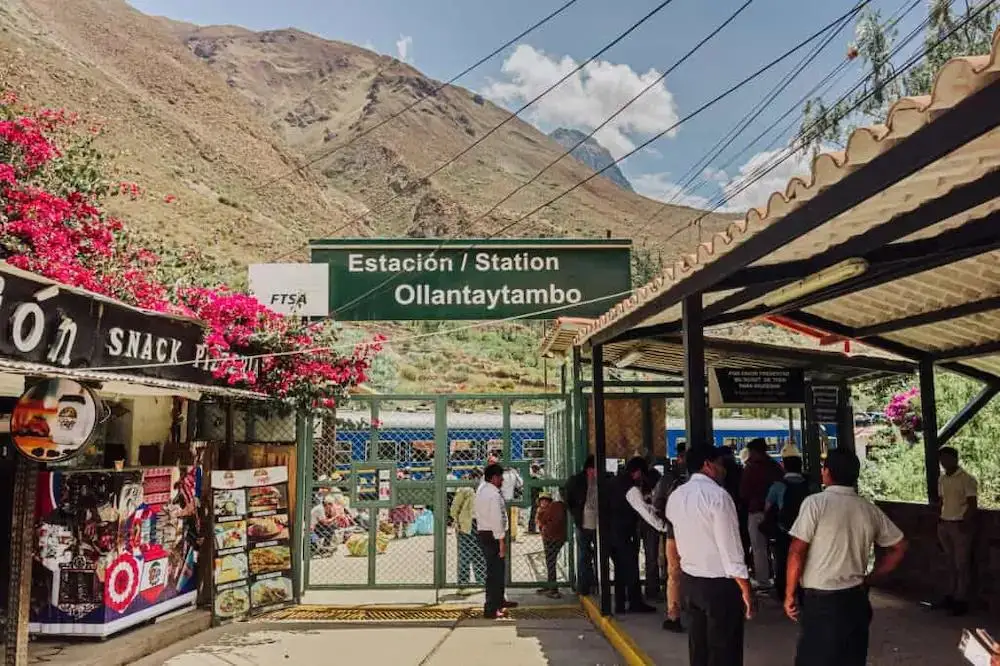
Ollantaytambo is one of the most important departure points for travelers heading to Machu Picchu. Located in the Sacred Valley, the town has a railway station with regular services to Machu Picchu Pueblo. For many travelers, reaching Ollantaytambo by road from Cusco and then taking the train is a practical alternative to starting with a bimodal service in Cusco.
The current PeruRail timetable lists a 05:05 Expedition departure from Ollantaytambo arriving in Machu Picchu Pueblo at 06:37, giving a scheduled railway journey of 1 hour 32 minutes. Other services operate later in the morning, including Vistadome options.
Why Travel from Ollantaytambo?
Staying in or near Ollantaytambo can make the Machu Picchu journey more flexible. Instead of making the entire trip from Cusco on the same morning, travelers can spend a night in the Sacred Valley and board an early train the following day.
Ollantaytambo is also a destination in its own right, known for its archaeological complex, traditional streets, terraces, and mountain surroundings. Combining the Sacred Valley with Machu Picchu can therefore create a more relaxed itinerary than trying to visit everything in a single day.
Cusco to Machu Picchu Bus
There is no conventional direct public bus that takes visitors from central Cusco directly to the entrance of Machu Picchu. This is an important distinction for travelers searching for a Cusco to Machu Picchu bus.
Instead, bus transportation is generally used as part of a combined journey. For example, a bimodal service can connect Cusco with the railway portion of the trip before continuing by train to Machu Picchu Pueblo.
Bus from Cusco to Machu Picchu
Travelers should be careful when they see the phrase “bus from Cusco to Machu Picchu.” In many cases, it refers to part of a multimodal route rather than a single direct bus journey to the archaeological sanctuary.
There are also alternative road-based approaches to the wider Machu Picchu area, but these should not be confused with the standard railway route. The final access to the archaeological site still requires following the designated transportation and entrance arrangements for Machu Picchu.
Cusco to Machu Picchu Tours
A Cusco to Machu Picchu tour can simplify the logistics by combining transportation, entrance arrangements, guiding, and sometimes meals or accommodation. This is particularly useful for first-time visitors who do not want to coordinate several separate reservations.
A tour can also be designed around different travel styles. Some travelers want a fast day trip, while others prefer a two- or three-day itinerary incorporating the Sacred Valley and an overnight stay in Machu Picchu Pueblo.
Cusco to Machu Picchu Day Trip
A Cusco to Machu Picchu day trip is possible, but it requires careful planning because the journey from Cusco to Machu Picchu Pueblo and back already takes several hours. The itinerary must also accommodate the visitor’s assigned Machu Picchu entrance time and the return train.
For a day trip, an early departure is generally necessary. The goal is to maximize the time available at Machu Picchu without missing the return transportation.
What a Day Trip Usually Includes
Depending on the tour operator and package, a day trip may include:
- Hotel pickup in Cusco
- Transportation to the railway departure point
- Train transportation
- Machu Picchu entrance ticket
- Guided visit
- Bus transportation to Machu Picchu
- Return train
- Transportation back toward Cusco
Travelers should carefully check whether the Machu Picchu entrance ticket is included because train tickets and archaeological admission are separate components.
Is a Day Trip Enough?
A day trip allows travelers to see Machu Picchu, but it creates a long travel day. Spending a night in Machu Picchu Pueblo can provide more flexibility and reduce the pressure of coordinating every connection on the same day.
Cusco to Machu Picchu Hike
Travelers who prefer adventure can choose a trekking route instead of making the entire journey by train. The most famous option is the Inca Trail, while the Salkantay Trek provides another major route through dramatically different Andean landscapes.
The Inca Trail is particularly distinctive because it approaches Machu Picchu through an ancient trail system. The official Machu Picchu authority describes the Inka road network associated with the sanctuary as a heritage route system with more than 300 kilometers and more than 60 archaeological monuments.
Inca Trail to Machu Picchu
The Inca Trail is not simply a long walk from Cusco. It is a regulated trekking experience requiring advance planning, appropriate permits, and an itinerary based on the selected route. Some train services also allow passengers undertaking the Inca Trail to disembark at the KM 104 stop, according to PeruRail’s published schedule information.
Salkantay Trek to Machu Picchu
The Salkantay route offers a different experience, combining high mountain landscapes with changing ecosystems before reaching the Machu Picchu region. It is generally selected by travelers looking for a multi-day adventure rather than a quick transportation connection.
Cusco Airport to Machu Picchu
Travelers arriving at Cusco Airport should not expect to walk directly from the airport to a Machu Picchu train. The airport is located within Cusco, while the railway journey toward Machu Picchu begins farther along the Sacred Valley route.
The practical process is usually:
- Arrive at Cusco Airport.
- Transfer into Cusco or directly toward the Sacred Valley.
- Reach your selected railway departure point.
- Take the train toward Machu Picchu Pueblo.
- Continue to Machu Picchu according to your entrance arrangements.
Arriving in Cusco Before Machu Picchu
Because Cusco is located at high altitude, many travelers prefer to spend at least some time acclimatizing before continuing to Machu Picchu. An itinerary that allows time in Cusco and the Sacred Valley can make the overall trip more comfortable and provides opportunities to visit additional archaeological and cultural sites.
Cusco Train Station to Machu Picchu
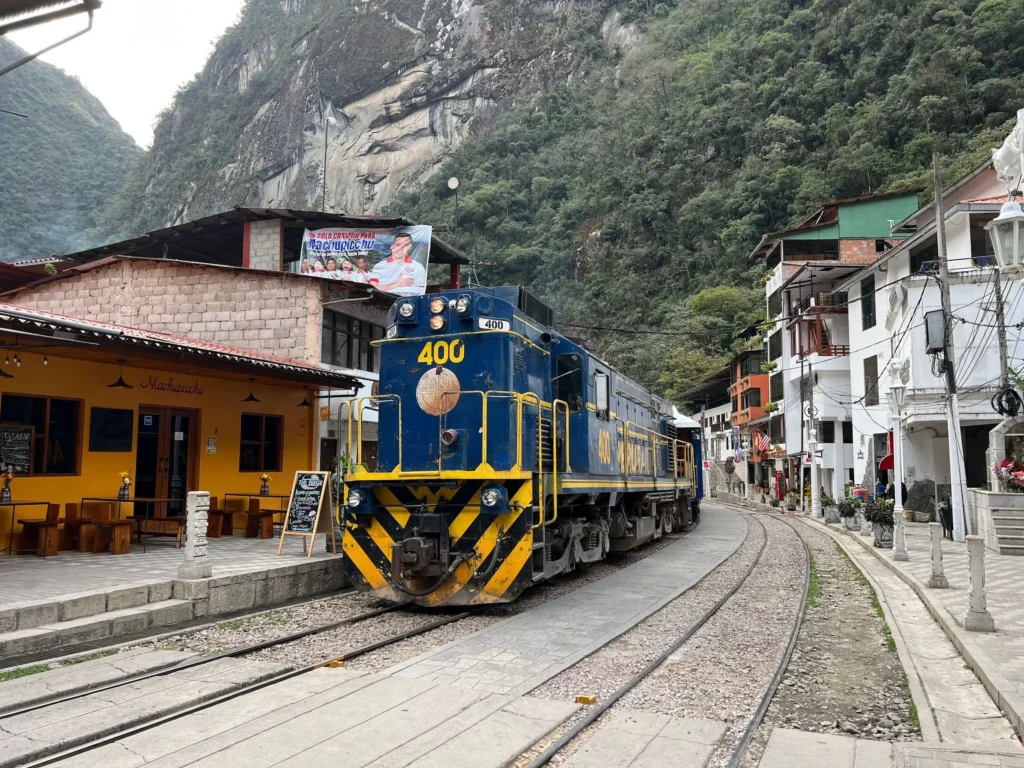
The phrase Cusco train station to Machu Picchu can refer to different departure arrangements because train services associated with the Cusco area may use different stations depending on the service and season. PeruRail’s current published schedules identify Wanchaq for several bimodal services and Ollantaytambo for regular train departures.
From September 1, 2026, PeruRail also announced train services between Cusco and Ollantaytambo on selected services, adding another railway option for the Sacred Valley portion of the journey.
Check Your Departure Station Carefully
One of the most common planning mistakes is assuming that every “Cusco to Machu Picchu train” departs from exactly the same location. Your ticket should be checked carefully for the exact departure station, time, service type, and transportation arrangement.
Best Ways to Travel from Cusco to Machu Picchu
The best way to travel from Cusco to Machu Picchu depends on what you value most. There is no single route that works equally well for every traveler.
For a Simple Journey
A bimodal train-and-bus service can simplify the logistics because the transportation is arranged as one connected service. Current PeruRail schedules identify bimodal services from Wanchaq with journey times of around four hours for certain departures.
For a Shorter Railway Journey
Traveling to Ollantaytambo first and boarding a regular train there means the actual railway portion is shorter. Current published schedules include a 1 hour 32 minute Ollantaytambo-to-Machu-Picchu Pueblo service.
For a More Immersive Experience
A multi-day itinerary can combine Cusco, the Sacred Valley, Ollantaytambo, Machu Picchu Pueblo, and Machu Picchu itself. This approach gives travelers more time to explore rather than treating the destination as a single long day trip.
For Adventure Travelers
A trekking itinerary such as the Inca Trail or Salkantay Trek transforms the journey itself into a major part of the experience. These options require more physical preparation and advance planning than a train journey.
For Travelers with Limited Time
A carefully organized Cusco to Machu Picchu day trip can work when time is limited. However, the schedule should be built around the official Machu Picchu entrance time, train availability, and return transportation rather than simply selecting the earliest possible train.
Frequently Asked Questions About Traveling from Cusco to Machu Picchu
Can You Take a Train from Cusco to Machu Picchu?
Yes. Current services include bimodal transportation combining bus and train from Cusco, while regular train services operate from Ollantaytambo. The exact arrangement depends on the service and travel date.
How Far Is Cusco from Machu Picchu?
The practical travel distance depends on the route used. Because the journey crosses mountainous terrain and includes different transportation segments, travel time is more useful for planning than a simple straight-line distance.
How Long Is the Train from Cusco to Machu Picchu?
A current Wanchaq-to-Machu-Picchu bimodal service is listed at 4 hours 20 minutes, while another is listed at 4 hours 05 minutes. From Ollantaytambo, one current Expedition service takes 1 hour 32 minutes.
How Much Is the Train from Cusco to Machu Picchu?
The price varies according to the train service, departure point, date, availability, and type of ticket. Travelers should check the current fare for their exact date rather than relying on an old published price.
Is There a Bus from Cusco to Machu Picchu?
There is no standard direct public bus that takes visitors from Cusco directly to the Machu Picchu archaeological entrance. Bus transportation can form part of a combined bus-and-train journey.
Can You Visit Machu Picchu in One Day from Cusco?
Yes, a Cusco to Machu Picchu day trip is possible, but it requires an early start and carefully coordinated transportation. Travelers should make sure their train schedule matches their assigned Machu Picchu entrance time and return connection.
What Is the Best Way to Get from Cusco to Machu Picchu?
The appropriate route depends on your travel style, schedule, budget, and interest in trekking. Train-based travel is the standard choice for travelers who want to reach Machu Picchu efficiently, while trekking routes provide a longer adventure experience.
Should You Travel from Cusco or Ollantaytambo?
Both are possible depending on the service. Ollantaytambo is particularly useful for travelers staying in the Sacred Valley or those who want a shorter railway journey. Cusco-based bimodal services can be convenient for travelers who prefer to begin the organized transportation in Cusco.
How Early Should You Leave Cusco for Machu Picchu?
This depends on your train, entrance time, and whether you are taking a day trip. Early departures are useful when trying to maximize time at Machu Picchu, but the exact schedule should be coordinated with the entrance route and train availability.
Can You Travel from Cusco Airport Directly to Machu Picchu?
You can travel onward from Cusco Airport toward Machu Picchu, but the journey requires connecting with the road and/or railway network. It is not a direct airport-to-Machu-Picchu train journey.
Do Train Tickets Include Machu Picchu Entrance?
No. Train transportation and Machu Picchu entrance are separate components. The Ministry of Culture manages Machu Picchu admission and its official ticketing system.
Do Machu Picchu Train Schedules Change?
Yes. Train operators state that published schedules and frequencies are subject to change. Travelers should verify the current timetable and availability for their specific date before finalizing their itinerary.
Final Thoughts on Traveling from Cusco to Machu Picchu
The journey from Cusco to Machu Picchu is more than simply getting from one destination to another. It connects the historic capital of the Inka world with the Sacred Valley, the Urubamba River, mountain landscapes, and one of Peru’s most important archaeological sites. For most travelers, the train offers the simplest way to reach Machu Picchu Pueblo, while a combination through Ollantaytambo can provide a shorter railway journey and an opportunity to explore the Sacred Valley.
Before booking, compare the departure station, train service, price, travel time, Machu Picchu entrance availability, and return schedule. If you have more time, consider adding Ollantaytambo or an overnight stay in Machu Picchu Pueblo. If adventure is your priority, an Inca Trail or Salkantay itinerary can turn the journey itself into the highlight of the trip.
Most importantly, remember that Cusco to Machu Picchu is a connected travel experience involving transportation, timed admission, and several possible routes. Planning these components together is the key to making the journey smooth and allowing you to spend more time enjoying the landscapes and archaeological wonders along the way.