Machu Picchu hiking is one of the most memorable ways to experience Peru’s most famous archaeological destination. Rather than simply arriving by train and walking through the ruins, hiking to Machu Picchu can turn the journey itself into part of the adventure. Depending on the route, travelers can follow ancient Inca pathways, cross high mountain passes, walk through cloud forests, visit archaeological sites, and finally arrive at Machu Picchu from a historic entrance such as the Sun Gate or through Machu Picchu Pueblo.
There is no single Machu Picchu hiking trail. Several trekking options connect the Cusco region with the sanctuary, while additional hikes can be completed around Machu Picchu after arriving by train. The classic Inca Trail is the best-known route, but Salkantay, shorter Inca Trail routes, and mountain hikes such as Machupicchu Mountain and Huayna Picchu provide different experiences.
This guide explains the main Machu Picchu hiking options, routes, maps, difficulty levels, costs, seasons, footwear, tours, and practical planning information so you can understand which type of hike fits your trip.
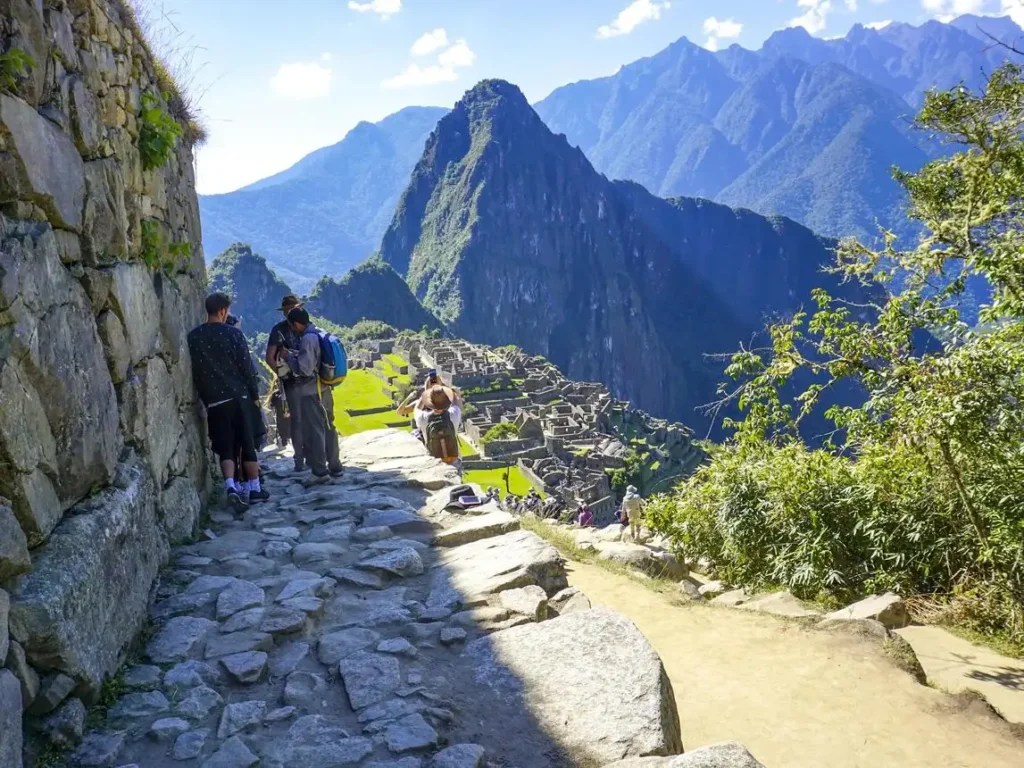
Machu Picchu Hiking at a Glance
Before choosing a trek, it is important to understand the difference between hiking to Machu Picchu and hiking inside the Machu Picchu sanctuary. Some routes are multi-day treks that approach the archaeological site from the mountains, while others are short hikes associated with the visitor circuits once you are already at Machu Picchu.
The Historic Sanctuary currently has six tourist routes within the Inca road network, ranging from shorter options to multi-day trekking routes. SERNANP identifies the principal route from Piskakuchu at kilometer 82 as a 33.7-kilometer route and recommends four days and three nights for that route.
Main Machu Picchu Hiking Options
- Classic Inca Trail: Usually a four-day trek following the historic Inca road system.
- Short Inca Trail: A shorter route beginning around Chachabamba/Km 104 and continuing toward Wiñay Wayna and Machu Picchu.
- Salkantay Trek: A longer mountain trek through high-altitude landscapes and cloud forest.
- Lares Trek: A cultural and mountain trekking alternative that can be combined with Machu Picchu.
- Machu Picchu Mountain: A steep hike above the archaeological site.
- Huayna Picchu: A shorter but steep mountain hike within the Machu Picchu visitor system.
- Inti Punku hike: A route toward the Sun Gate, subject to current visitor regulations.
- Inca Bridge hike: A shorter scenic route subject to current regulations.
Machu Picchu Hiking Trails
The phrase Machu Picchu hiking trails covers several very different experiences. The classic Inca Trail is an archaeological trek, while Salkantay emphasizes mountains and natural landscapes. Shorter routes can provide a taste of trekking without requiring several days in the wilderness.
Classic Inca Trail to Machu Picchu
The Inca Trail and Machu Picchu hiking experience is the traditional choice for travelers who want to reach the archaeological sanctuary by following an ancient Inca route. The official sanctuary information describes the principal route as beginning at Piskakuchu, passing through Wayllabamba and Warmiwañuska, and continuing toward archaeological sites including Runkurakay, Sayaqmarka, Phuyupatamarka, Wiñaywayna and Intipunku before reaching Machu Picchu.
The classic trek normally takes four days and three nights. It is famous for its stone stairways, archaeological remains, cloud forests, mountain scenery and the approach to Machu Picchu through the Sun Gate.
Why Hike the Inca Trail?
The principal attraction is not simply the destination. The route itself contains archaeological landscapes that make the journey historically significant.
Along the trek, hikers can encounter:
- Ancient Inca stone pathways
- Mountain terraces
- Archaeological complexes
- Cloud forests
- High-altitude mountain scenery
- Wiñay Wayna
- Phuyupatamarca
- Runkurakay
- The Sun Gate
- Views toward Machu Picchu
- Native flora and wildlife
SERNANP identifies trekking, birdwatching, flora and fauna observation, and camping among the activities available on the Inca Trail routes.
Short Inca Trail
The shortest hike to Machu Picchu among the major trekking experiences is generally associated with the Short Inca Trail beginning around Chachabamba/Km 104. Instead of spending four days crossing the entire classic route, hikers can experience an important section of the historic trail before continuing toward Wiñay Wayna and the Sun Gate.
This option is particularly attractive for travelers who want an authentic Inca Trail experience but do not want to spend several days camping in the mountains.
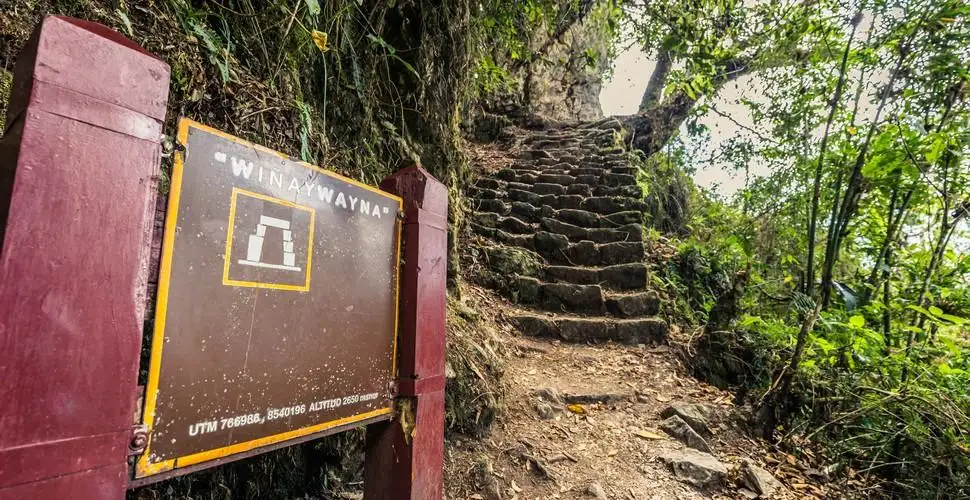
A typical short hike includes:
- Transportation toward the trailhead.
- Hiking from the Chachabamba sector.
- Gradual ascent through the mountains.
- Archaeological exploration.
- Wiñay Wayna.
- The approach toward the Sun Gate.
- Machu Picchu.
- Return to Machu Picchu Pueblo or onward transportation.
The short route is still physically demanding in places because of uneven stone steps and elevation changes, but the overall commitment is much smaller than the classic four-day trek. Depending on the specific package, travelers may hike for one day and stay overnight in Machu Picchu Pueblo before visiting the citadel the following day.
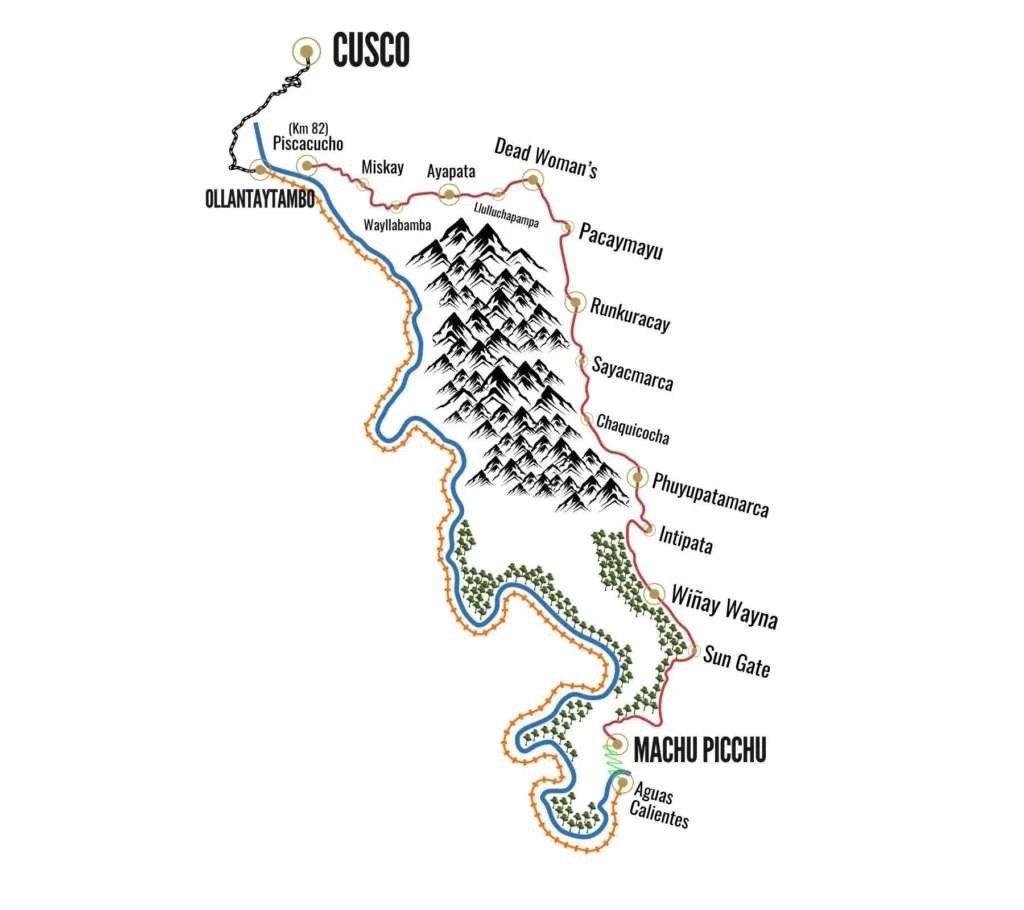
Machu Picchu Hiking Map
A Machu Picchu hiking map is useful because many travelers mistakenly imagine every hiking route as one continuous trail from Cusco directly to the archaeological site. In reality, the trekking network is more complicated.
A simplified route structure looks like this:
Cusco → Sacred Valley → Trailhead → Mountain/Cloud Forest Trek → Machu Picchu → Machu Picchu Pueblo → Cusco
For the classic Inca Trail:
Cusco → Piskacucho/Km 82 → Wayllabamba → Dead Woman’s Pass → Pacaymayu → Wiñay Wayna → Sun Gate → Machu Picchu
For a shorter Inca Trail experience:
Cusco → Chachabamba/Km 104 → Wiñay Wayna → Sun Gate → Machu Picchu
For Salkantay:
Cusco → Mollepata/Soraypampa → Salkantay Pass → Cloud Forest → Santa Teresa/Machu Picchu area → Machu Picchu
Using a Hiking Map Correctly
When planning a Machu Picchu trek, look for these elements on your map:
- Starting elevation
- Highest elevation
- Trailhead
- Campsites
- Archaeological sites
- River crossings
- Mountain passes
- Distance per day
- Estimated walking time
- Final entrance point
- Transportation connections
A map is particularly important for understanding altitude. A route may not look extremely long on paper but can become difficult because of steep ascents and descents.
How to Get to Machu Picchu Hiking
There are several ways to combine transportation and hiking when visiting Machu Picchu.
Cusco to Machu Picchu Hiking
The phrase Cusco to Machu Picchu hiking can be slightly misleading because there is not a single continuous hiking trail beginning in central Cusco and ending at the archaeological site. Instead, most trekking itineraries begin after transportation from Cusco to an official trailhead.
For the classic Inca Trail, travelers normally transfer from Cusco toward the trailhead near the Sacred Valley before beginning the trek.
For other routes, the starting point can be Mollepata, Soraypampa, Lares, or another authorized access point.
Travelers who do not want a multi-day hike can also take the train to Machu Picchu Pueblo and then choose a hiking route within the sanctuary.
Train and Hiking Combination
Another popular approach is combining transportation with a shorter hike.
For example:
Cusco → train → trailhead → hike → Machu Picchu
or:
Cusco → train → Machu Picchu Pueblo → hike to Machu Picchu
Peru’s official tourism information describes the train connection between Ollantaytambo and Machu Picchu as one of the principal access options, while hiking the Inca Trail provides an alternative experience.
Inca Trail and Machu Picchu Hiking
The Inca Trail and Machu Picchu hiking experience is particularly attractive to travelers interested in archaeology and history. The trail is not simply a mountain walk; it is part of the historic Inca road system.
The major difference between the Inca Trail and alternative treks is the character of the journey.
Inca Trail
- Strong archaeological focus
- Ancient stone pathways
- Controlled access
- High demand
- Requires advance planning
- Archaeological sites throughout the route
- Arrival at Machu Picchu through Intipunku on the classic approach
Salkantay Trek
- Dramatic mountain scenery
- High-altitude landscapes
- Snow-covered mountain views
- Cloud forest
- Greater emphasis on natural environments
- Different access and permit structure
The official SERNANP route descriptions show that the Salkantay sector can connect with the Inca Trail network through Wayllabamba and continue toward Intipunku and Machu Picchu.
Machu Picchu Hiking Difficulty
Machu Picchu hiking difficulty varies considerably depending on the route.
There is a major difference between walking through Machu Picchu after arriving by train and completing a four-day high-altitude trek.
Easy to Moderate Hiking
Shorter routes and visitor hikes may be appropriate for travelers with reasonable fitness, although steep stairs can still make them challenging.
Typical characteristics include:
- Shorter distances
- Less camping equipment
- Lower physical commitment
- More opportunities to rest
- Shorter exposure to altitude
Moderate to Challenging Hiking
The classic Inca Trail requires considerably more preparation.
You should expect:
- Long walking days
- Repeated stone stairs
- Steep ascents
- Steep descents
- High altitude
- Variable weather
- Limited access to facilities
- Several consecutive days of walking
The highest part of the classic route is Warmiwañuska, commonly known as Dead Woman’s Pass, at approximately 4,215 meters above sea level.
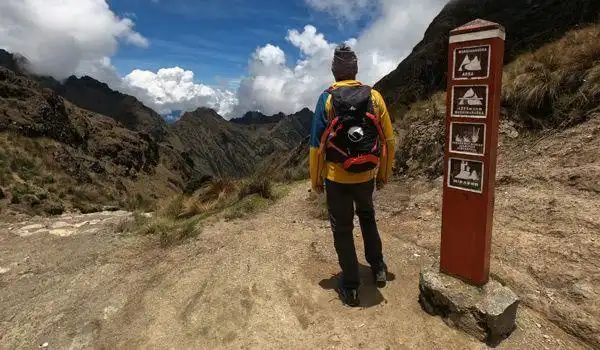
How to Prepare
A good training program can include:
- Long walks
- Hiking on hills
- Stair training
- Cardiovascular exercise
- Strength training
- Weekend hikes
- Training with a loaded daypack
Start gradually rather than attempting extremely long hikes immediately before your trip.
Machu Picchu Hiking Season
The Machu Picchu hiking season is strongly influenced by rainfall, trail conditions, temperature and official access regulations.
Dry Season
The dry season generally offers more favorable conditions for trekking, especially from approximately May through September.
Advantages include:
- Lower rainfall
- Better trail conditions
- More stable weather
- Clearer mountain views
- Less mud
However, dry season is also a popular travel period, meaning popular trekking dates can fill quickly.
Wet Season
The rainy season generally extends from approximately November through March.
Rain does not necessarily mean that a Machu Picchu hike is impossible, but conditions can be more unpredictable.
Expect:
- Muddy trails
- Wet stone steps
- Cloudy mountain views
- Rain showers
- Slippery surfaces
- Greater need for waterproof clothing
The Inca Trail also has an annual maintenance closure. Travelers should check the official SERNANP and Ministry of Culture announcements for the applicable year before booking.
Best Months for Machu Picchu Hiking
For many travelers, May, June, July, August and September provide a practical balance between weather and trekking conditions.
April and October can also be attractive shoulder-season choices, although weather is less predictable than during the core dry season.
How Much Does Machu Picchu Hiking Cost?
How much does Machu Picchu hiking cost? depends on the route, duration, transportation, accommodation, guide services, permits, meals, equipment and level of comfort.
There is no single price for Machu Picchu hiking.
Main Cost Components
A multi-day hiking package may include:
- Inca Trail permit
- Machu Picchu entrance
- Professional guide
- Porters
- Camping equipment
- Meals
- Transportation from Cusco
- Train transportation
- Accommodation
- Bus transportation
- Emergency support
- Entrance to additional mountains when applicable
A short hiking experience can cost significantly less than a four- or five-day trekking package, while luxury arrangements can substantially increase the overall price.
Machu Picchu Entrance and Trekking Fees
Official charges are periodically updated, so travelers should verify current prices before booking. The Ministry of Culture manages Machu Picchu entrance tickets through its official system, while SERNANP publishes tariffs associated with the Historic Sanctuary and Inca Trail.
The final cost of a trek therefore depends not only on the official entrance fees but also on the services included by the tour operator.
Machu Picchu Hiking Tours
Machu Picchu hiking tours are available in different formats, from one-day hikes to multi-day expeditions.
A guided tour can simplify the most complicated parts of the trip, including:
- Permits
- Transportation
- Campsites
- Meals
- Guides
- Porters
- Train reservations
- Machu Picchu tickets
- Entrance schedules
- Emergency logistics
Because the Inca Trail is regulated, travelers should confirm that the operator is authorized to operate the selected route. SERNANP provides information on authorized operators and advises visitors to follow designated routes and instructions from park personnel.
What Is Usually Included?
A typical trekking package may include:
- Pre-trek briefing.
- Transportation from Cusco.
- Trekking permits.
- Professional trekking guide.
- Meals.
- Camping equipment.
- Porters.
- Machu Picchu entrance.
- Transportation after the trek.
- Train or bus services depending on the itinerary.
Always compare inclusions rather than comparing prices alone.
Machu Picchu Hiking Tours for 4 Days
Machu Picchu hiking tours for 4 days are especially popular because the classic Inca Trail is traditionally organized as a four-day, three-night trek. SERNANP also identifies four days and three nights as the recommended duration for the principal route.
Day 1: Cusco to the Trailhead
The adventure normally begins with an early transfer from Cusco toward the trailhead. After registration and preparation, hikers begin walking through the Sacred Valley and surrounding mountain landscapes.
The first day is usually designed as an introduction to the route rather than the hardest section.
Day 2: High Mountain Pass
The second day is commonly considered the most physically demanding.
Hikers ascend toward the highest point of the classic route before descending into the next valley.
This day combines:
- Steep stairs
- High altitude
- Mountain scenery
- Long walking hours
- Significant elevation change
Day 3: Archaeology and Cloud Forest
The third day usually combines archaeological sites with dramatic changes in vegetation.
This is one of the most rewarding sections because the landscape changes from high mountains toward greener cloud-forest environments.
Day 4: Machu Picchu
The final day begins early and leads toward Machu Picchu.
On the classic route, one of the great moments is reaching the Sun Gate and seeing the archaeological sanctuary below.
After entering Machu Picchu, visitors follow the assigned circuit and route established by the current visitor regulations.
Luxury Machu Picchu Hiking Tours
Luxury Machu Picchu hiking tours combine trekking with upgraded accommodation, transportation, meals, private guiding or premium services.
Luxury does not necessarily mean avoiding physical effort. A luxury hiking itinerary can still include a demanding mountain trek, but the experience before and after the hike can be significantly more comfortable.
Luxury options may include:
- Private guide
- Private transportation
- Premium hotels in Cusco
- Premium accommodation in the Sacred Valley
- Upgraded camping equipment
- Private porter arrangements
- Gourmet meals
- Premium train service
- Private transfers
- Flexible pre- and post-trek accommodation
For travelers who want hiking without giving up comfort, another approach is to hike for one day and stay in a high-quality hotel rather than camping for several nights.
What Shoes Are Best for Machu Picchu Hiking?
Choosing the right footwear is one of the most important preparation decisions.
What shoes are best for Machu Picchu hiking? For most trekking routes, lightweight hiking shoes or hiking boots with good traction are practical choices.
Look for:
- Strong grip
- Comfortable fit
- Good ankle support
- Breathable materials
- Water resistance
- Durable soles
- Adequate cushioning
Avoid wearing brand-new shoes for the first time on the trail.
Hiking Boots vs. Hiking Shoes
Hiking boots can provide additional ankle protection and are useful on rough or wet terrain.
Hiking shoes are lighter and can be more comfortable for travelers who prefer greater mobility.
For the classic Inca Trail, the best choice depends on personal comfort, experience, weather and the condition of the trail.
Other Footwear Tips
Bring:
- Two pairs of hiking socks
- Lightweight sandals for camp
- Waterproof shoe protection if appropriate
- Blister treatment
- Extra dry socks
Never underestimate the importance of comfortable socks. Even a good pair of hiking shoes can become uncomfortable if the socks retain moisture or cause friction.
What to Pack for Machu Picchu Hiking
A successful trek requires packing for changing temperatures.
Essential Hiking Equipment
- Small daypack
- Water bottle or hydration system
- Rain jacket
- Waterproof backpack cover
- Warm layer
- Hiking pants
- T-shirts
- Hiking socks
- Sun hat
- Sunscreen
- Insect repellent
- Headlamp
- Personal medications
- Camera
- Identification documents
- Personal toiletries
For Multi-Day Treks
You may also need:
- Sleeping bag
- Trekking poles
- Thermal clothing
- Gloves
- Warm hat
- Dry bags
- Portable charger
- Personal first-aid supplies
Pack as lightly as possible. Every unnecessary kilogram becomes noticeable after several hours of climbing.
Altitude and Acclimatization for Machu Picchu Hiking
Altitude is one of the most important considerations when planning a Machu Picchu hiking trip.
Cusco itself is located at high elevation, while several trekking routes climb significantly higher.
A good strategy is to spend several days acclimatizing in Cusco or another high-altitude location before starting the trek.
Practical Acclimatization Tips
- Arrive in Cusco before the trek.
- Keep your first day relatively easy.
- Stay hydrated.
- Avoid excessive alcohol before hiking.
- Sleep adequately.
- Walk gradually.
- Tell your guide if you feel unwell.
- Do not push through serious altitude symptoms.
Fitness does not completely eliminate altitude-related problems. Someone who is physically fit can still need time to acclimatize.
Machu Picchu Hiking and Weather
Weather can change quickly in the Andes.
A morning may be sunny, while clouds and rain can arrive later.
This is why travelers should pack layers rather than relying on a single outfit.
The combination of altitude, humidity, wind, sun exposure and rain can make conditions feel very different during the same hiking day.
A waterproof layer is especially valuable during the rainy season.
Machu Picchu Hiking Regulations
The rules surrounding Machu Picchu hiking can change, so travelers should verify current information before departure.
SERNANP currently identifies six routes in the Inca road network within the Historic Sanctuary. The routes include the principal Classic Inca Trail and additional connections involving areas such as Salkantay, while visitor guidance requires hikers to remain on designated trails and follow instructions from conservation personnel.
This means travelers should not assume that a ticket purchased in a previous year will operate under exactly the same rules.
Before Booking
Always verify:
- Official route availability
- Ticket availability
- Visitor circuit
- Entry time
- Trekking permit
- Seasonal restrictions
- Operator authorization
- Transportation arrangements
Machu Picchu Hiking vs. Taking the Train
Not everyone needs to complete a multi-day trek.
Taking the train is a practical option for travelers who want to focus primarily on Machu Picchu rather than the trekking experience.
Choose a Trek If You Want:
- Adventure
- Exercise
- Mountains
- Archaeology
- Camping
- Nature
- A slower journey
- A sense of expedition
Choose the Train If You Prefer:
- Less physical exertion
- A shorter trip
- More hotel comfort
- Flexible itineraries
- More time in Cusco or the Sacred Valley
A short hike can provide a middle ground between these two approaches.
How to Choose the Right Machu Picchu Hiking Route
Your ideal route depends on what you want from the experience.
For History and Archaeology
Consider the Classic Inca Trail.
It provides extensive archaeological exposure and follows historic pathways.
For Mountains and Nature
Consider the Salkantay Trek.
It offers high mountain scenery and ecological transitions before reaching the Machu Picchu region.
For a Shorter Trek
Consider the Short Inca Trail.
It allows travelers to experience a portion of the historic route without committing to four days.
For a Mountain View
Consider Machu Picchu Mountain or Huayna Picchu, depending on the route and ticket availability.
These are mountain hikes associated with the Machu Picchu visitor system rather than multi-day approaches from Cusco.
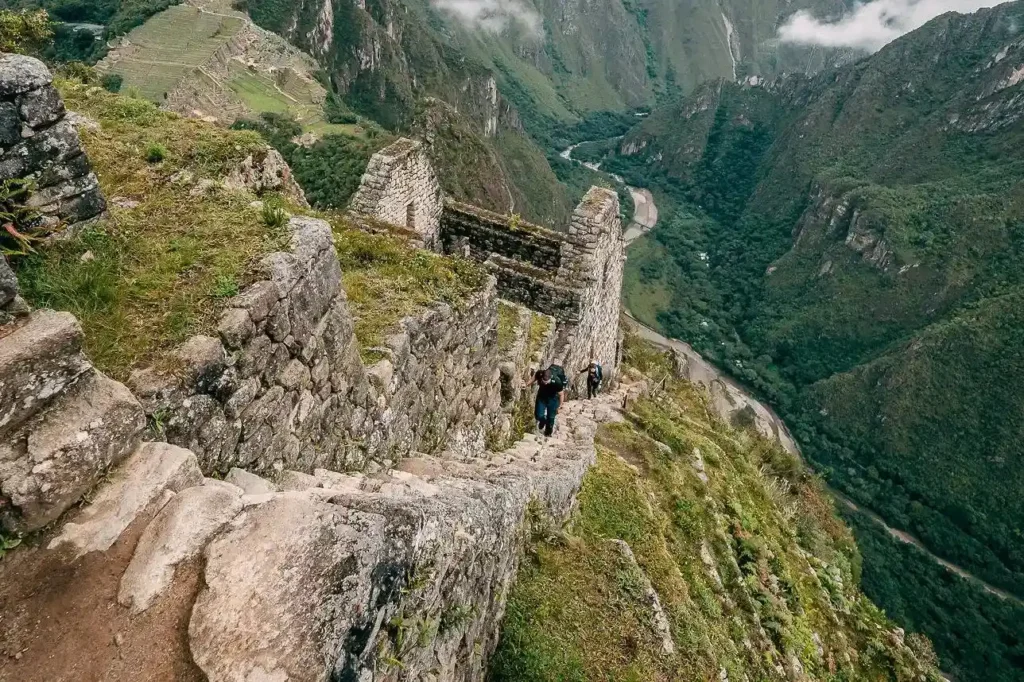
Huayna Picchu is particularly recognizable for its steep stone stairways and dramatic views over the surrounding valley. Peru’s official tourism information also identifies climbing Huayna Picchu as one of the activities available at Machu Picchu.
Frequently Asked Questions About Machu Picchu Hiking
Is Machu Picchu a difficult hike?
It depends on the route. Visiting Machu Picchu after arriving by train is very different from completing a four-day Inca Trail trek. The classic Inca Trail is physically demanding because of altitude, stairs and consecutive hiking days.
What is the shortest hike to Machu Picchu?
The Short Inca Trail is one of the shortest genuine trekking approaches to Machu Picchu. The exact route and access conditions depend on the official route and ticket available for the selected date.
Can I hike from Cusco directly to Machu Picchu?
Not as a single conventional trail from the center of Cusco. Trekkers normally travel from Cusco to an authorized trailhead and begin the hiking route there.
Is the Inca Trail suitable for beginners?
People with reasonable fitness can complete the trek, but beginners should prepare beforehand. The main challenge is not technical climbing; it is sustained walking, altitude and stairs.
How many days do you need to hike Machu Picchu?
The classic Inca Trail is generally organized as four days and three nights. Shorter hiking options exist, while Salkantay and other trekking itineraries can take four or more days.
What is the best month for Machu Picchu hiking?
May through September is generally attractive for trekking because it falls within the drier period. However, these are also popular travel months, so permits and accommodation should be arranged early.
Does it rain while hiking Machu Picchu?
Yes. Rain is possible year-round, and the rainy period is generally concentrated between November and March.
Do I need hiking boots for Machu Picchu?
For multi-day treks, good hiking footwear with reliable traction is strongly recommended. Lightweight hiking shoes can also work for some travelers and conditions.
Do I need a guide for the Inca Trail?
The Inca Trail is regulated and operated through authorized tourism arrangements. Travelers should use an authorized operator and verify current requirements before booking.
How much does a Machu Picchu hiking tour cost?
Prices vary according to route, number of days, group size, accommodation, transportation and included services. Official entrance and sanctuary fees are only part of the total cost.
Can I do Machu Picchu hiking in one day?
Yes. Several shorter hiking experiences are available, including short Inca Trail options and hikes associated with the Machu Picchu visitor circuits. However, a one-day hike is very different from the full Classic Inca Trail.
Can children hike Machu Picchu?
Children can visit Machu Picchu, but the appropriate trek depends on age, fitness, altitude tolerance and the specific route. Parents should consider the length, stairs and altitude before selecting a multi-day trek.
Final Guide to Machu Picchu Hiking
Machu Picchu hiking offers far more than a way to reach an archaeological site. It can be a multi-day journey through some of the most dramatic landscapes of the Peruvian Andes, combining mountains, cloud forests, ancient pathways and extraordinary archaeological sites.
The Classic Inca Trail is the traditional choice for travelers interested in archaeology and the historic Inca road system. The Short Inca Trail provides a shorter alternative, while the Salkantay Trek offers a different experience centered on mountain scenery and ecological diversity. Other hikes, including Machupicchu Mountain and Huayna Picchu, provide additional ways to explore the area.
The most important step is choosing the route according to your physical condition, available time, interest in archaeology or nature, preferred level of comfort and travel season.
Because access regulations, visitor circuits, ticketing systems and trail conditions can change, always check the official information before finalizing your itinerary. S
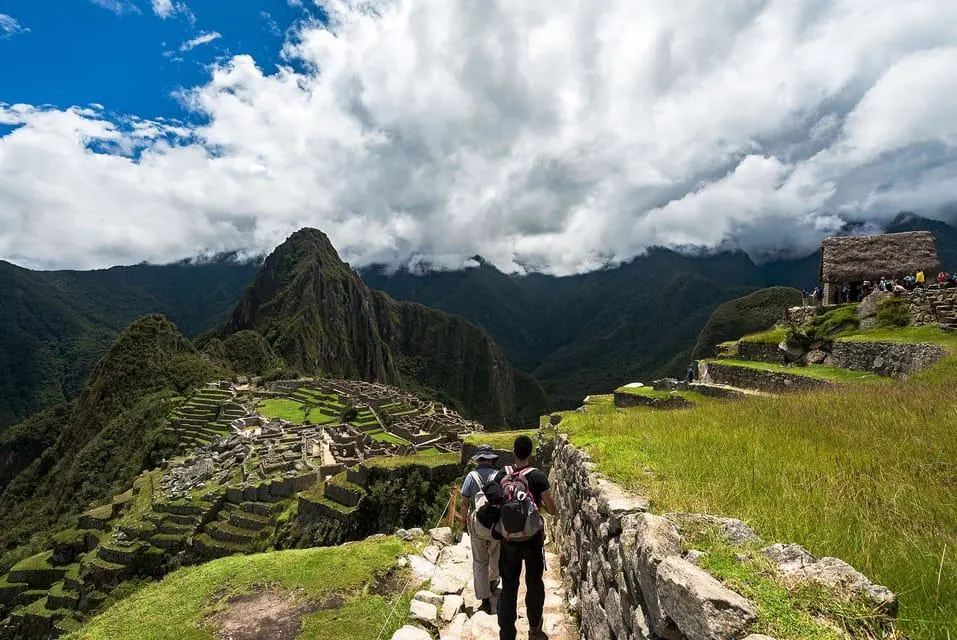
RNANP currently provides route descriptions, distances, visitor recommendations and information about authorized operators for the Historic Sanctuary and Inca Trail network.
Whether you spend four days walking ancient Inca roads or choose a shorter hike through the cloud forest, the experience of approaching Machu Picchu on foot adds a unique dimension to a Peru adventure.