Machu Picchu is one of the most extraordinary archaeological destinations in South America, but visiting this ancient Inca city requires more planning than simply arriving at the entrance. Travelers need to choose how to reach Machu Picchu, purchase the correct entrance ticket, select a circuit and schedule, arrange transportation from Cusco or another city, and decide whether to hike or travel by train. Understanding these details before your trip can make the experience much easier.
Whether you are traveling from Cusco, Lima, Aguas Calientes, or another destination in Peru, there are several ways to organize your visit. You can travel independently, book transportation and tickets separately, or choose an organized tour that combines transportation, entrance tickets, accommodation and a guide.
This complete guide explains how to visit Machu Picchu, how to get there by train, how to visit without hiking, how much the trip can cost, how long you should allow, and how physically demanding different options are.
Machu Picchu panoramic view
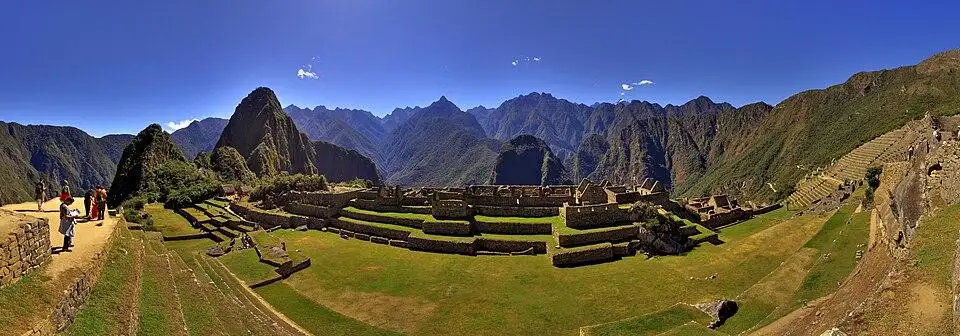
How to Visit Machu Picchu
The first thing to understand about visiting Machu Picchu is that the archaeological site is not directly accessible by road from Cusco. Most travelers first reach Machu Picchu Pueblo, also called Aguas Calientes, and then continue to the archaeological sanctuary by bus or on foot.
The most common independent itinerary is to travel from Cusco into the Sacred Valley, reach Ollantaytambo or another train departure point, take a train to Machu Picchu Pueblo, spend the night there or visit the same day, and then travel up to the archaeological site. Peru’s official tourism information identifies the Lima–Cusco–Ollantaytambo–Machu Picchu route as one of the principal ways to reach the destination.
Your basic journey normally involves these stages:
- Arrive in Cusco or another Peruvian city.
- Travel to the train station.
- Take a train to Machu Picchu Pueblo.
- Stay overnight or make a day trip.
- Take the shuttle bus or hike from the town toward Machu Picchu.
- Enter using your reserved ticket and assigned circuit.
- Return to Machu Picchu Pueblo.
- Take your train back toward the Sacred Valley or Cusco.
Planning the entrance ticket before arranging the rest of the journey is particularly important because Machu Picchu uses controlled visitor capacity and designated circuits. The current official system consists of three principal circuits divided into ten routes.
What should you book first?
For popular travel dates, it is generally sensible to organize the Machu Picchu entrance ticket before finalizing every other part of the itinerary. Your ticket determines the date and route you will use, so transportation needs to be coordinated around that reservation.
A practical order is:
- Machu Picchu entrance ticket.
- Train ticket.
- Accommodation in Machu Picchu Pueblo if staying overnight.
- Transportation between Cusco and the train station.
- Optional shuttle bus tickets.
- Guide or organized tour, if desired.
How to Visit Machu Picchu from Cusco
Traveling from Cusco to Machu Picchu is the most popular option for visitors already exploring the Cusco region. The journey normally combines road transportation and train travel.
One common route begins in Cusco and continues by tourist transportation or vehicle toward Ollantaytambo. From Ollantaytambo, travelers board a train toward Machu Picchu Pueblo. Peru’s official tourism information describes the Cusco-area route as a combination of road transportation and train travel, with the Ollantaytambo–Machu Picchu train journey taking approximately two hours, although actual travel times depend on the service selected.
Another option is to travel from Cusco toward the Sacred Valley and spend a night in Ollantaytambo before continuing by train the following day. This creates a slower itinerary and allows travelers to see more of the Sacred Valley.
Cusco to Machu Picchu in one day
A one-day Machu Picchu trip from Cusco is possible, but it requires an early start and careful coordination.
A typical day-trip structure is:
- Early departure from Cusco.
- Road transfer toward the train station.
- Train to Machu Picchu Pueblo.
- Bus or hike to the entrance.
- Visit Machu Picchu.
- Return to Machu Picchu Pueblo.
- Afternoon or evening train.
- Road transfer back to Cusco.
Although this itinerary can save accommodation costs, it leaves less flexibility if a transportation delay occurs. Travelers who want a more relaxed experience often spend at least one night in Machu Picchu Pueblo.
How to Visit Machu Picchu from Lima
If you are beginning your Peru trip in Lima, the easiest approach is generally to fly from Lima to Cusco and then continue toward Machu Picchu.
Peru’s official tourism information lists the Lima–Cusco flight at approximately one hour and fifteen minutes, although actual flight schedules and times vary by airline. (Peru Travel)
Traveling overland from Lima to Cusco is also possible, but it requires considerably more time.
For most travelers with limited vacation time, flying to Cusco makes the itinerary considerably more practical.
Suggested Lima to Machu Picchu itinerary
A comfortable itinerary could look like this:
Day 1: Lima to Cusco.
Day 2: Explore Cusco and acclimatize.
Day 3: Cusco to Sacred Valley and Ollantaytambo.
Day 4: Train to Machu Picchu Pueblo and visit Machu Picchu.
Day 5: Return toward Cusco.
This approach gives travelers additional time to adjust to altitude and reduces the pressure of trying to complete everything in one long day.
Train journey to Machu Picchu
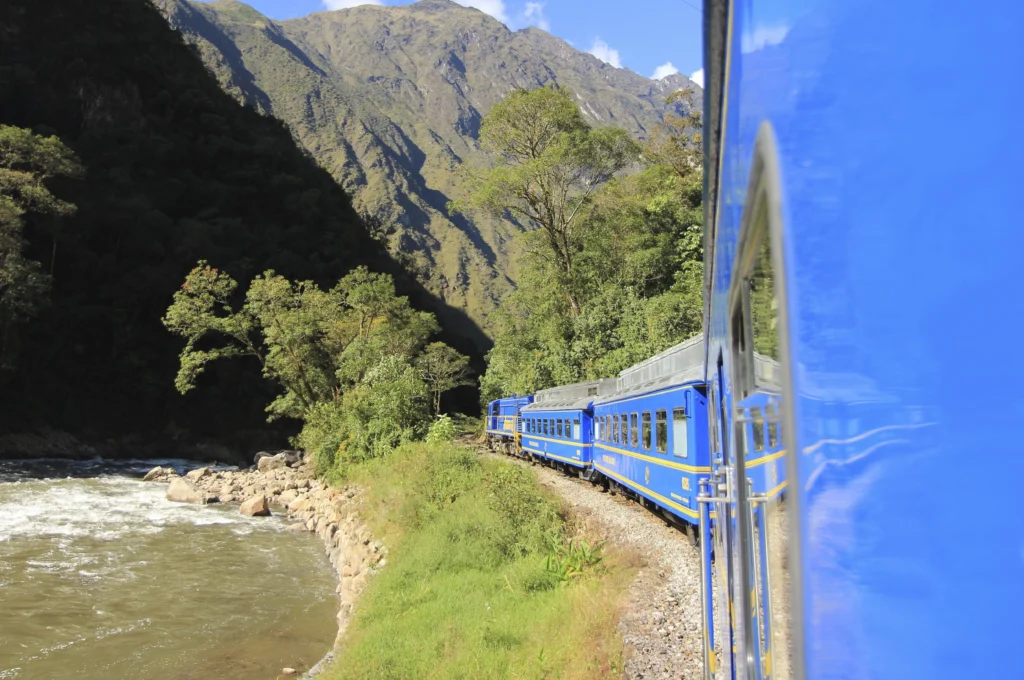
How to Visit Machu Picchu by Train
For travelers who do not want to complete a multi-day trek, the train is the most convenient and popular transportation option.
Trains connect Machu Picchu Pueblo with stations in the Sacred Valley, particularly Ollantaytambo. The official tourism information from Peru describes the Ollantaytambo–Machu Picchu journey as approximately two hours.
Train services vary by operator, departure time, service level and availability. When choosing a train, consider more than just the ticket price.
Important factors include:
- Departure time.
- Arrival time in Machu Picchu Pueblo.
- Return departure time.
- Baggage restrictions.
- Train service category.
- Connection with your Cusco transportation.
- Time available at Machu Picchu.
For a day trip, your train schedule is particularly important. You need enough time between arriving in Machu Picchu Pueblo and your entrance appointment, while also leaving enough time to return to the station after your visit.
Is the train the easiest way to visit Machu Picchu?
For visitors who do not want to complete a long trek, traveling by train is generally the simplest logistical option. It eliminates the need to hike for several days and allows visitors to reach Machu Picchu Pueblo relatively quickly from the Sacred Valley.
However, the train does not take you directly to the archaeological entrance. After arriving in Machu Picchu Pueblo, you still need to travel uphill to the Machu Picchu entrance by shuttle bus or on foot.
How to Visit Machu Picchu from Aguas Calientes
Aguas Calientes is the commonly used name for Machu Picchu Pueblo, the town located below the archaeological site.
If you are already in Machu Picchu Pueblo, visiting Machu Picchu becomes much simpler. You only need to organize your entrance ticket and your transportation to the entrance.
Most visitors use the shuttle bus because the road climbs steeply through the mountains. Others choose to walk, although this involves a substantial uphill climb.
Staying overnight in Machu Picchu Pueblo can be useful because it allows you to avoid rushing from Cusco and gives you more flexibility with your entrance time.
Aguas Calientes / Machu Picchu Pueblo
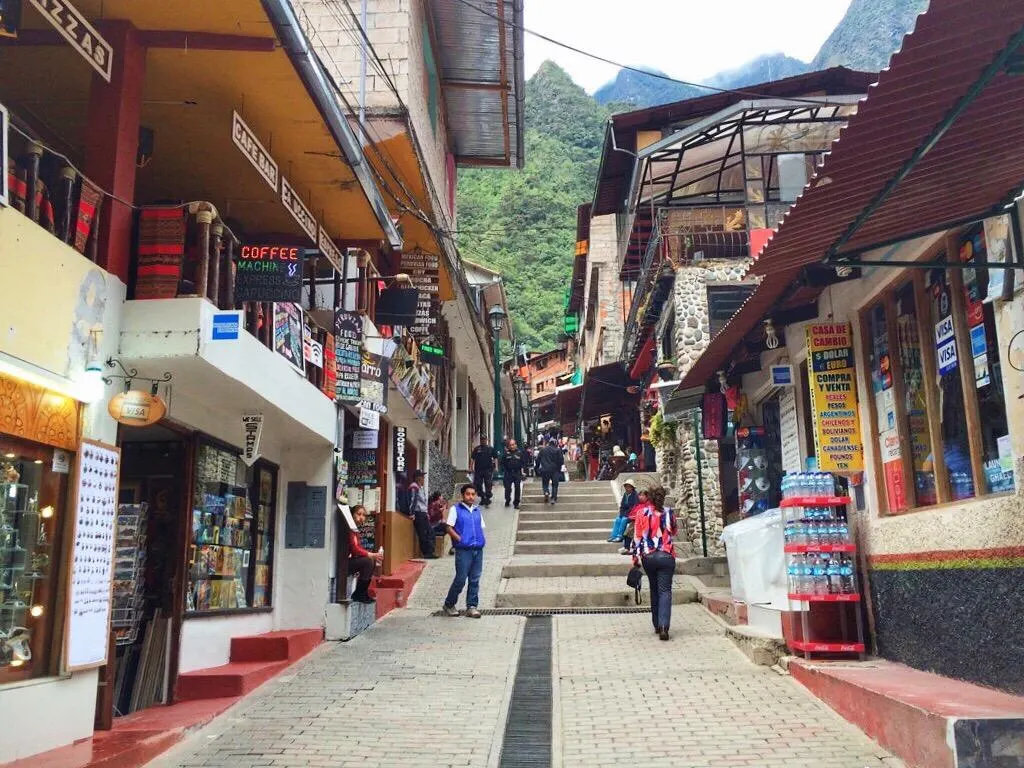
What to do before visiting Machu Picchu
If you stay in Aguas Calientes, you can use the previous afternoon to:
- Check into your hotel.
- Confirm your Machu Picchu ticket.
- Check your bus arrangements.
- Visit local restaurants.
- Prepare water and sun protection.
- Confirm your train departure time.
- Rest before your Machu Picchu visit.
This is particularly useful for travelers who have spent several days hiking or exploring the Cusco region.
How to Visit Machu Picchu Without Hiking
You do not need to complete the Inca Trail or another multi-day trek to visit Machu Picchu.
The easiest non-hiking approach is:
Cusco → Ollantaytambo → train → Machu Picchu Pueblo → shuttle bus → Machu Picchu.
This option allows travelers to experience the archaeological site without committing to a demanding trek.
The word “hiking” can be confusing because there are several different physical activities associated with Machu Picchu. Simply walking around the archaeological site involves stairs, uneven stone surfaces and elevation changes, even if you do not undertake a mountain hike.
The additional mountain routes are considerably more physically demanding. The official system includes routes such as Machupicchu Mountain, Waynapicchu Mountain and the Gran Caverna, depending on season and availability.
Visiting without the Inca Trail
The Inca Trail is an optional trekking experience rather than a requirement for visiting Machu Picchu.
Travelers who prefer comfort can arrive by train and visit the archaeological site without hiking the classic multi-day Inca Trail.
If you want an easier experience, choose a standard archaeological circuit rather than adding a mountain route.
How to Visit Machu Picchu on Your Own
Independent travel to Machu Picchu is possible, but you need to manage several separate reservations.
A self-guided traveler can organize:
- Entrance ticket.
- Train tickets.
- Cusco transportation.
- Hotel.
- Shuttle bus.
- Food.
- Optional guide.
The most important advantage of traveling independently is flexibility. You can choose your own accommodation, transportation category and schedule.
The disadvantage is that you are responsible for coordinating every connection.
Step-by-step independent Machu Picchu trip
Step 1: Choose your date.
Select a date that works with your Peru itinerary.
Step 2: Purchase your entrance ticket.
Use the official Machu Picchu ticket system and check the current availability before booking your transportation.
Step 3: Choose your circuit.
The current official system contains three principal circuits divided into ten routes.
Step 4: Reserve your train.
Choose a train that gives you enough time to reach the entrance.
Step 5: Book accommodation.
If you are staying overnight, reserve a hotel in Machu Picchu Pueblo.
Step 6: Arrange your bus or walking route.
Decide whether you want to use the shuttle bus or walk uphill.
Step 7: Return to Cusco or continue your Peru itinerary.
Allow sufficient connection time between the train and your onward transportation.
Machu Picchu entrance
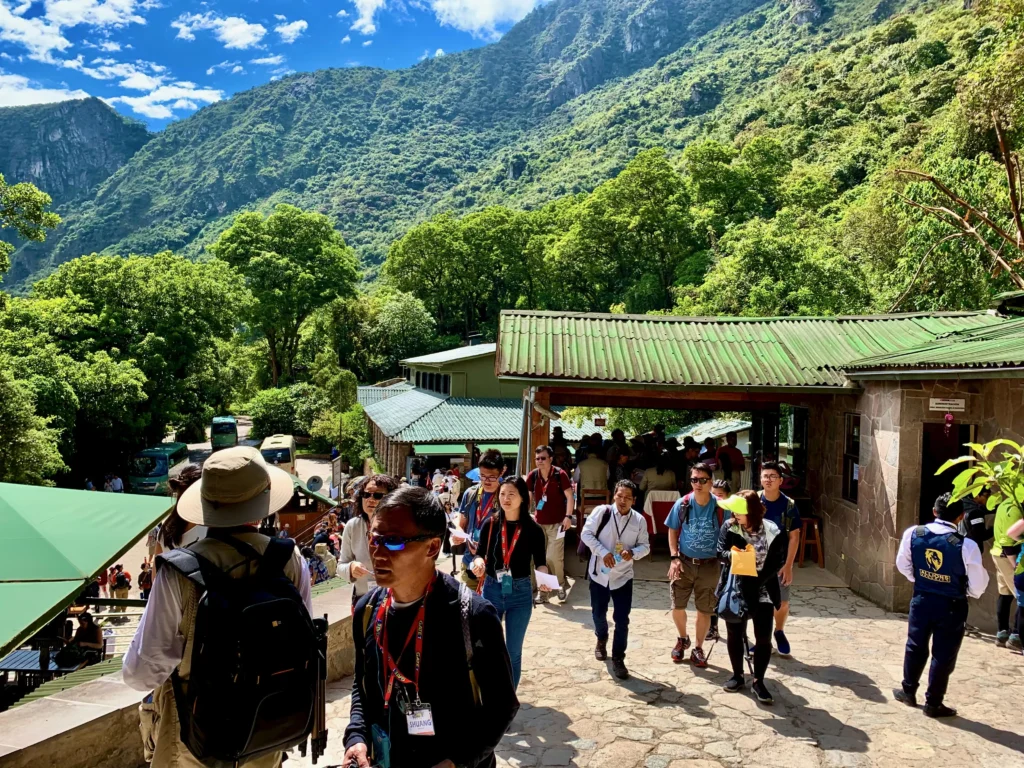
Machu Picchu Tickets
Machu Picchu tickets are not simply general admission tickets that allow visitors to wander anywhere they want. The current system is based on circuits and specific routes.
The official Machu Picchu information identifies three main circuits:
- Circuit 1 – Panoramic
- Circuit 2 – Machupicchu Classic
- Circuit 3 – Machupicchu Realeza
Together, these circuits contain ten routes.
Circuit 1 includes routes associated with panoramic viewpoints and Machupicchu Mountain. Circuit 2 is the classic option for exploring the principal archaeological areas. Circuit 3 focuses on the royal sector and includes routes such as Waynapicchu Mountain, depending on availability and season.
Where to buy Machu Picchu tickets
The official Machu Picchu website provides information about the current ticketing system and visitor regulations.
For travelers planning a visit, it is important to verify the current official ticket platform, available routes and entry conditions before making reservations.
Which Machu Picchu circuit should you choose?
Your choice depends on what you want to see and how much walking you want to do.
Circuit 2 is particularly relevant to travelers who want a classic archaeological visit because it is specifically designated as the Machupicchu Classic circuit.
Circuit 1 is oriented toward panoramic experiences.
Circuit 3 focuses more on the royal sector and includes additional mountain-related routes when available.
The important point is to choose the circuit before purchasing the ticket rather than assuming every Machu Picchu ticket provides the same route.
How Much Does It Cost to Visit Machu Picchu?
The total cost of a Machu Picchu trip depends heavily on where you start, whether you travel independently, the train service you select, the number of nights you stay, and whether you hire a guide.
The entrance ticket is only one part of the total cost.
Your budget can include:
- Machu Picchu entrance ticket.
- Train tickets.
- Transportation between Cusco and the train station.
- Shuttle bus.
- Hotel.
- Meals.
- Guide.
- Travel insurance.
- Additional tours in Cusco or the Sacred Valley.
Current prices should always be checked through official sources because tariffs and visitor arrangements can change.
Typical cost categories
| Expense | What it covers |
|---|---|
| Machu Picchu ticket | Archaeological site admission and selected route |
| Train | Transportation to/from Machu Picchu Pueblo |
| Shuttle bus | Transportation between town and archaeological entrance |
| Hotel | Accommodation in Cusco, Sacred Valley or Machu Picchu Pueblo |
| Food | Meals during the journey |
| Guide | Optional guided visit |
| Road transportation | Cusco–Ollantaytambo or other connections |
How to Visit Machu Picchu on a Budget
Visiting Machu Picchu on a budget does not necessarily mean hiking for several days. The biggest savings usually come from controlling transportation, accommodation and timing.
One strategy is to stay in affordable accommodation in Machu Picchu Pueblo and select a standard train service rather than a premium service.
Another option is to organize the trip independently instead of purchasing a complete private package.
Budget travelers can consider:
- Traveling during less-demanded periods.
- Booking trains early.
- Staying in budget accommodation.
- Eating in local restaurants rather than tourist-oriented establishments.
- Using standard train services.
- Choosing a standard Machu Picchu circuit.
- Traveling independently.
- Avoiding unnecessary private transfers.
However, saving money should not mean cutting the connection times too closely. A very cheap itinerary that depends on several tight connections can become stressful if transportation is delayed.
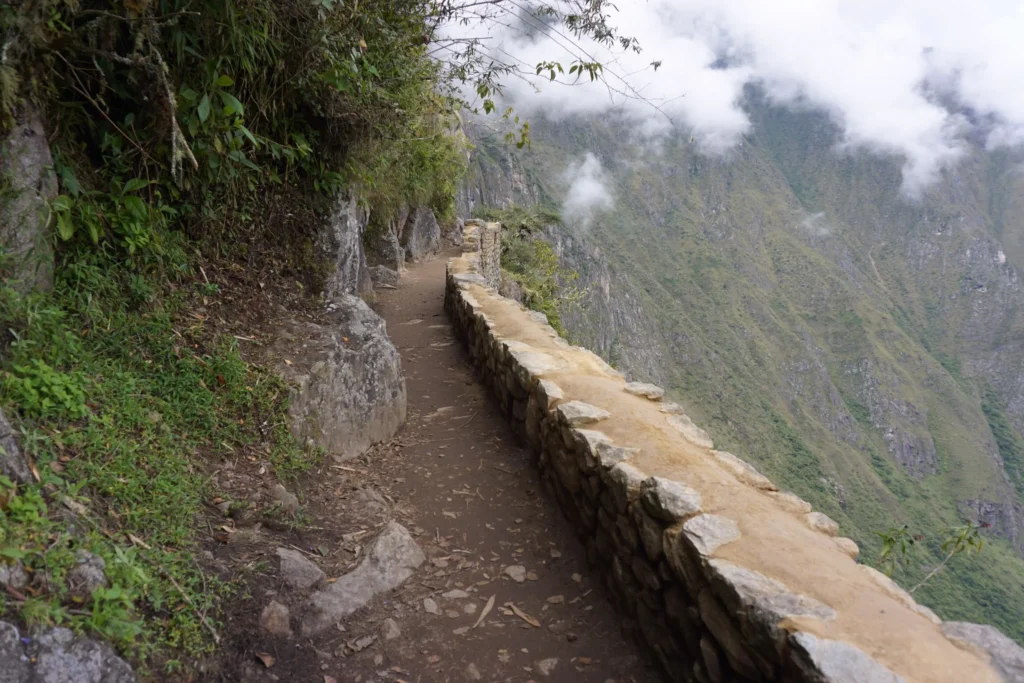
Machu Picchu hiking and walking
How Long Does It Take to Visit Machu Picchu?
The time required depends on your itinerary and chosen route.
The actual archaeological visit is generally planned around the time assigned to your entrance circuit. Your overall Machu Picchu experience, however, includes transportation from Machu Picchu Pueblo to the entrance and the return journey.
For a comfortable experience, many travelers choose to spend one night in Machu Picchu Pueblo.
A typical two-day structure is:
Day 1
- Cusco or Sacred Valley departure.
- Train to Machu Picchu Pueblo.
- Hotel check-in.
- Free afternoon.
Day 2
- Breakfast.
- Shuttle bus to Machu Picchu.
- Archaeological visit.
- Return to Machu Picchu Pueblo.
- Train toward the Sacred Valley.
- Transportation back to Cusco.
A same-day trip can reduce accommodation costs, but it creates a longer day.
Actual train schedules vary by operator and date, so these should be checked when making reservations.
How Difficult Is It to Visit Machu Picchu?
The difficulty of visiting Machu Picchu depends on the route you choose.
A train-and-bus visit is significantly different from completing the Inca Trail or climbing one of the mountains.
For a standard visitor, the main physical challenges are:
- Uneven stone paths.
- Stairs.
- Slopes.
- Warm and humid conditions.
- Altitude.
- Walking for an extended period.
- Crowds during busy periods.
The archaeological site is built into a mountainous landscape, so even a standard circuit is not equivalent to walking through a flat museum.
The difficulty increases substantially if you add Machupicchu Mountain, Waynapicchu or another demanding route.
How Fit Do You Need to Be to Visit Machu Picchu?
You do not need to be an experienced athlete to visit Machu Picchu by train and shuttle bus.
A reasonable level of walking fitness is usually sufficient for a standard visit. However, travelers should be prepared for stairs and uneven terrain.
If you have limited mobility, discuss your needs with your travel provider before booking because the exact circuit, transportation and walking requirements matter.
For travelers who are physically fit and interested in a challenge, additional mountain routes can provide a much more demanding experience. Peru Travel, for example, describes the Huayna Picchu route as involving narrow and steep sections and recommends carrying only a light daypack.
The important distinction is that visiting Machu Picchu and hiking to Machu Picchu are not the same thing.
You can reach the destination by train and visit the archaeological site without completing a multi-day trek.
Preparing physically
In the weeks before your trip, useful preparation can include:
- Regular walking.
- Stair training.
- Comfortable hiking shoes.
- Hydration.
- Gradually increasing walking distance.
- Practicing with the footwear you will use in Peru.
If you are planning the Inca Trail or a mountain route, you should prepare more specifically for sustained uphill and downhill walking.
Best Time to Visit Machu Picchu
Machu Picchu can be visited throughout the year, but weather conditions vary considerably.
During rainy periods, trails can become wet and slippery, while clouds and mist can obscure the mountains.
The dry season generally provides conditions that many travelers prefer for mountain views, although weather in the Andes can change quickly.
Instead of choosing a date based only on weather, consider combining:
- Weather.
- Ticket availability.
- Train availability.
- Hotel prices.
- Crowd levels.
- Your broader Peru itinerary.
What to Bring to Machu Picchu
Packing correctly makes the visit considerably more comfortable.
Essential items
- Passport.
- Machu Picchu entrance ticket.
- Train ticket.
- Water bottle.
- Comfortable walking shoes.
- Sun protection.
- Sunglasses.
- Hat.
- Light rain jacket.
- Small backpack.
- Camera or phone.
- Insect repellent.
- Personal medication.
Weather can change quickly, so a lightweight waterproof layer is useful even during relatively dry periods.
Avoid bringing unnecessary heavy luggage. A small daypack is much easier to manage on the train, bus and archaeological site.
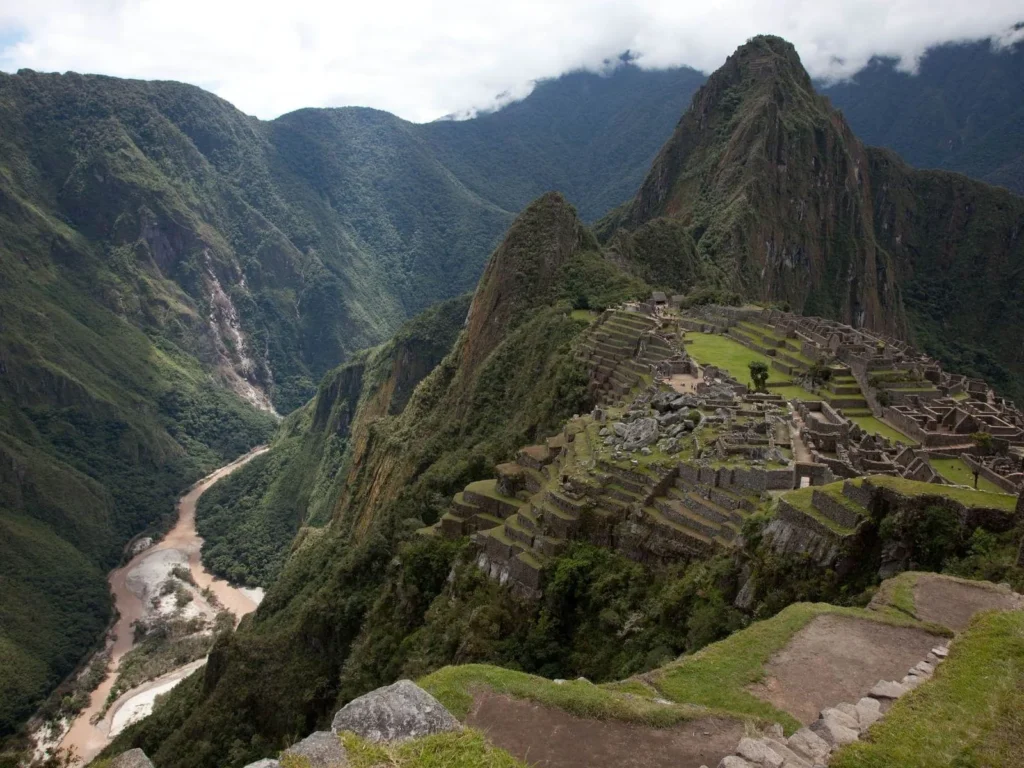
Machu Picchu panoramic landscape
Visiting Machu Picchu With a Guide
A guide is not simply useful for navigation. Machu Picchu contains architectural, religious and historical features that can be difficult to understand without context.
A knowledgeable guide can explain:
- Inca architecture.
- Agricultural terraces.
- Religious structures.
- Water systems.
- The role of the city.
- Construction techniques.
- The surrounding landscape.
- Historical interpretations.
Peru Travel identifies Machu Picchu as an important cultural and archaeological destination and highlights its agricultural and urban sectors, including the Temple of the Sun, Sacred Plaza, Intihuatana and other structures.
A Simple Machu Picchu Itinerary
For travelers who want an uncomplicated experience, the following itinerary works well.
Day 1: Cusco to Machu Picchu Pueblo
Leave Cusco and travel toward Ollantaytambo or your selected train station. Take the train to Machu Picchu Pueblo and check into your hotel.
Spend the afternoon resting, exploring the town and preparing for the following day’s visit.
Day 2: Machu Picchu
Have breakfast early and travel by shuttle bus toward the entrance.
Enter Machu Picchu at your assigned time and follow your selected circuit.
After completing your visit, return to Machu Picchu Pueblo for lunch before taking your return train.
Continue to Cusco or stay another night depending on your itinerary.
Common Mistakes When Visiting Machu Picchu
One of the biggest mistakes is purchasing a train ticket before confirming your Machu Picchu entrance time.
Another is assuming that every ticket provides access to every part of the archaeological site. The current system is organized into specific circuits and routes.
Other common mistakes include:
- Booking too late during high-demand periods.
- Forgetting the passport used for the reservation.
- Allowing too little time between transportation connections.
- Choosing a difficult mountain route without adequate preparation.
- Assuming you can buy an entrance ticket after arriving.
- Carrying too much luggage.
- Not checking the current visiting rules.
- Forgetting that the weather can change quickly.
Frequently Asked Questions About Visiting Machu Picchu
Can I visit Machu Picchu without hiking the Inca Trail?
Yes. You can travel by train to Machu Picchu Pueblo and then continue to the archaeological site by shuttle bus. The Inca Trail is an optional trekking experience, not the only way to visit Machu Picchu.
Can I visit Machu Picchu on my own?
Yes. Independent travelers can purchase their own entrance ticket, train ticket and accommodation and organize transportation themselves. You should carefully coordinate each reservation.
Is one day enough for Machu Picchu?
A one-day trip can work, especially for travelers with limited time. However, staying one night in Machu Picchu Pueblo gives you more flexibility and reduces the pressure of coordinating several transportation connections on the same day.
How do I get from Cusco to Machu Picchu?
The most common route combines road transportation from Cusco toward a train station such as Ollantaytambo, followed by a train to Machu Picchu Pueblo. From there, visitors continue by shuttle bus or on foot. Peru Travel currently describes the Cusco–Ollantaytambo road journey as approximately 1 hour 30 minutes and the Ollantaytambo–Machu Picchu train journey as approximately two hours.
How do I get from Lima to Machu Picchu?
The most practical route is generally to fly from Lima to Cusco and continue from Cusco toward the Sacred Valley and Machu Picchu Pueblo. Peru Travel currently lists the Lima–Cusco flight at approximately 1 hour 15 minutes.
Can I visit Machu Picchu from Aguas Calientes?
Yes. Aguas Calientes is the commonly used name for Machu Picchu Pueblo. From the town, visitors travel toward the archaeological site by shuttle bus or walking route.
Do I need to buy Machu Picchu tickets in advance?
Advance purchase is recommended, especially for popular dates and specific routes. The official Machu Picchu system operates with designated circuits and visitor management rules.
Which Machu Picchu circuit is the classic route?
Circuit 2 is officially designated as the Machupicchu Classic circuit. The current system includes three principal circuits and ten routes overall.
Do I have to climb a mountain to see Machu Picchu?
No. You can visit the archaeological site without climbing Machupicchu Mountain or Waynapicchu. Those are additional routes with their own requirements and availability.
How difficult is Machu Picchu?
A standard train-and-bus visit is manageable for many travelers who can comfortably walk on uneven terrain and climb stairs. The difficulty becomes substantially greater if you add a mountain route or multi-day trek.
What is the best way to visit Machu Picchu for first-time travelers?
A straightforward option is to travel from Cusco to Ollantaytambo, take the train to Machu Picchu Pueblo, stay overnight, and visit Machu Picchu the following morning. This provides more flexibility than attempting the entire journey in one day.
How far in advance should I plan my Machu Picchu trip?
The exact timing depends on the season, route and availability. Popular dates can fill quickly, particularly when visitors want a specific circuit or mountain route. Checking official ticket availability before booking non-refundable transportation is a sensible planning step.
Final Tips for Visiting Machu Picchu
The key to a successful Machu Picchu trip is coordination. Your entrance ticket, circuit, train, accommodation and transportation all need to work together.
For most travelers, the simplest strategy is:
- Decide whether you want a standard visit or a mountain route.
- Check the official Machu Picchu ticket system.
- Select your circuit.
- Reserve your entrance.
- Book your train around the entrance time.
- Stay overnight in Machu Picchu Pueblo if your schedule allows.
- Use the shuttle bus if you want to minimize strenuous walking.
- Bring your passport and ticket.
- Check the current visiting rules before departure.
- Leave enough time between transportation connections.
Machu Picchu is much easier to visit when you understand that it is not simply a single attraction with one entrance ticket. It is a controlled archaeological destination with specific circuits, scheduled entry, transportation connections and different hiking options.
By planning those elements in advance, you can choose an itinerary that matches your budget, available time and preferred level of physical activity while still allowing you to experience one of Peru’s most remarkable archaeological sites.