Hiking to Machu Picchu is one of the most memorable ways to experience the Peruvian Andes. Rather than simply arriving at the archaeological site by train or bus, a Machu Picchu hike allows travelers to move through mountain landscapes, cloud forests, ancient Inca paths, archaeological sites, valleys, and high-altitude passes before reaching the famous sanctuary. Depending on the route, the experience can range from a relatively short one-day trek to a demanding multi-day expedition through the Andes.
There is not just one Machu Picchu hike. The best-known options include the Classic Inca Trail, Short Inca Trail, and Salkantay Trek to Machu Picchu, while other routes combine trekking with trains or alternative mountain approaches. Each has a different difficulty, distance, altitude, scenery, permit system, and overall experience.
For travelers planning a trek, understanding these differences is essential. The official authorities currently regulate both the Inca Trail network and entry routes into Machu Picchu, with different tickets and regulations applying to the hiking route and the archaeological sanctuary itself.
What Is the Machu Picchu Hike?
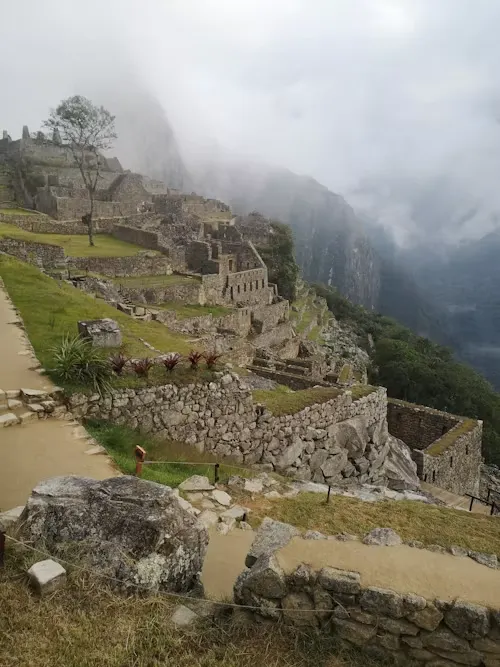
The Machu Picchu hike refers to the different trekking routes used to reach or approach Machu Picchu through the surrounding Andes. Some routes are ancient Inca roads, while others are modern trekking routes that connect mountain communities, valleys, archaeological sites, and the Machu Picchu area.
The most famous route is the Classic Inca Trail, which follows an ancient Inca road toward Machu Picchu and typically takes several days. The Short Inca Trail provides a shorter alternative, while the Salkantay Trek approaches Machu Picchu through spectacular high-mountain landscapes before descending toward the cloud forest.
The official Inca Trail network is much larger than the single tourist route commonly called the Inca Trail. According to the official Machupicchu authority, the network extends for more than 300 kilometers and incorporates more than 60 archaeological monuments.
A hiking trip can therefore mean very different things depending on the itinerary.
Main types of Machu Picchu hiking experiences
- Classic Inca Trail: multi-day trek along the historic Inca road.
- Short Inca Trail: shorter trek combining hiking and archaeological attractions.
- Salkantay Trek: longer mountain trek through dramatic Andean scenery.
- Alternative trekking routes: routes such as Lares and other combinations can be organized depending on regulations and transportation.
- Hydroelectric/alternative approaches: hiking can be combined with transportation for travelers who want to walk part of the way.
The important distinction is that hiking to Machu Picchu and hiking inside Machu Picchu are not exactly the same thing. The approach trek gets you to the sanctuary area, while the archaeological site’s internal visit is controlled through designated circuits and routes.
How Difficult Is the Machu Picchu Hike?
The difficulty of a Machu Picchu hike depends heavily on the route selected. A short approach through lower elevations can be manageable for many travelers, while the Classic Inca Trail and Salkantay Trek involve steep climbs, long walking days, uneven stone paths, and significant altitude changes.
Fitness is important, but altitude acclimatization can be just as important. A traveler who regularly exercises at sea level may still find a high-altitude trekking day difficult if they have not spent enough time adapting to the Andes.
Machu Picchu Hike Difficulty
The Machu Picchu hike difficulty can generally be understood by looking at four factors: elevation, distance, terrain, and daily elevation gain.
The Classic Inca Trail is demanding because hikers encounter steep sections, ancient stone stairs, mountain passes, and changing weather. Salkantay can be particularly challenging around its highest sections because of the combination of altitude and long walking days.
The Short Inca Trail is generally easier because it involves fewer trekking days, although “short” does not mean completely easy. Travelers still encounter stairs and uneven terrain.
What makes the hike challenging?
- Steep uphill sections
- Long downhill sections
- High elevation
- Stone stairs
- Uneven paths
- Humidity and heat in lower areas
- Cold temperatures at higher elevations
- Rain and mud during wet periods
- Carrying a daypack
- Multiple hours of walking per day
One of the biggest mistakes is assuming that a route will be easy simply because the final destination is Machu Picchu. The Andes create substantial elevation changes, and trekking conditions can change rapidly.
Machu Picchu Hike Length
The Machu Picchu hike length varies considerably according to the route.
The Classic Inca Trail is commonly organized as a four-day trek, although different authorized itineraries and route configurations exist. The official Inca Trail system includes several authorized routes, including routes beginning at Piskacucho and other access points.
The Short Inca Trail normally involves considerably less trekking time, while Salkantay itineraries are commonly organized over several days.
Distance should not be considered independently from elevation. Ten kilometers of hiking in mountainous terrain can feel considerably harder than the same distance on flat ground.
How Long Does the Machu Picchu Hike Take?
The answer depends on the route.
A Classic Inca Trail trek is generally planned over multiple days, with overnight camping and progressive movement toward Machu Picchu. The Short Inca Trail can be completed in a much shorter itinerary, while Salkantay Trek to Machu Picchu commonly requires several trekking days.
Travelers should also consider the time required for the Machu Picchu visit itself. Arriving at the sanctuary does not mean the entire experience is finished. Visitors must enter through their assigned circuit and follow the regulations governing the archaeological site.
Current official rules divide Machu Picchu visits into three principal circuits containing ten routes.
Machu Picchu Hike Altitude
Altitude is one of the most important factors when planning a Machu Picchu hike.
Cusco itself is located at approximately 3,400 meters above sea level, while some trekking routes climb substantially higher before descending toward Machu Picchu. This means that travelers may experience altitude changes even before beginning their trek.
The effects of altitude vary between individuals. Possible symptoms of altitude sickness can include headache, fatigue, dizziness, nausea, and shortness of breath.
How to reduce altitude-related problems
- Spend several days acclimatizing before a demanding trek.
- Avoid intense activity immediately after arriving at high altitude.
- Drink water regularly.
- Eat adequately.
- Sleep well.
- Follow your guide’s instructions.
- Inform your guide immediately if you feel seriously unwell.
Altitude acclimatization should be treated as part of the itinerary rather than an optional extra.
Machu Picchu Hike Routes
Choosing the right route is one of the most important decisions when planning a Machu Picchu trekking experience. The routes differ significantly in scenery, archaeology, physical demands, camping arrangements, permits, and the amount of time spent in remote mountain environments.
Classic Inca Trail
The Classic Inca Trail is the most famous trekking route to Machu Picchu. It follows an ancient Inca road through spectacular mountain terrain and archaeological landscapes.
One of its major attractions is the combination of nature and archaeology. Hikers do not simply walk through mountains; they encounter stone pathways, terraces, ruins, tunnels, cloud forest, and spectacular viewpoints.
The traditional experience is generally organized as a four-day, three-night trek, although exact itineraries depend on the authorized route and operator.
A typical experience includes:
- Transportation from Cusco toward the trailhead
- Several days of hiking
- Campsites
- Meals
- Professional guides
- Porters or trekking support depending on the tour
- Archaeological sites along the trail
- Arrival at Machu Picchu
The official authorities classify the Inca Trail network as a protected heritage route with strict conservation requirements.
Why choose the Classic Inca Trail?
The route is particularly attractive to travelers who want a strong connection with Inca history and prefer reaching Machu Picchu through an ancient pathway rather than simply approaching by train.
However, availability is controlled. Travelers should not assume they can arrive in Cusco and purchase an Inca Trail permit for the next morning.
Short Inca Trail
The Short Inca Trail is designed for travelers who want an Inca Trail experience but do not have enough time or desire for a longer multi-day trek.
It generally combines hiking with archaeological attractions and allows travelers to reach the Machu Picchu area after a shorter trekking experience.
This route can be particularly attractive for:
- First-time trekkers
- Travelers with limited vacation time
- Families with older children
- Travelers who prefer not to camp for several nights
- Visitors combining Machu Picchu with a larger Peru itinerary
Although shorter, the route still contains stairs, uneven terrain, and sections that require reasonable fitness.
Salkantay Trek to Machu Picchu
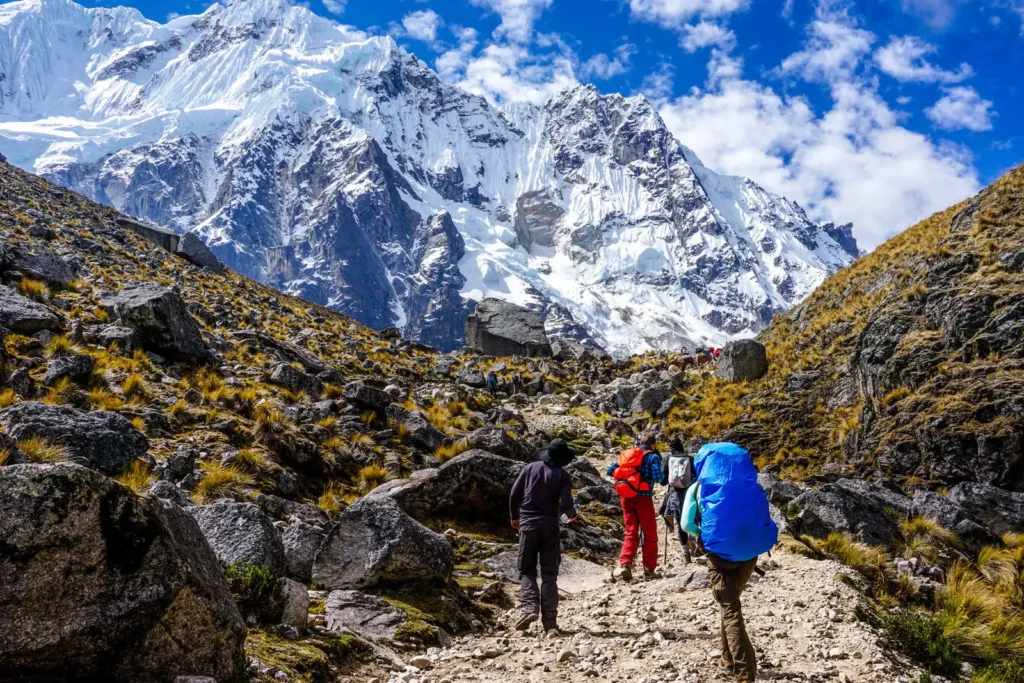
The Salkantay Trek to Machu Picchu is one of the most popular alternatives to the Classic Inca Trail.
Instead of concentrating exclusively on the ancient Inca road, the route crosses dramatic mountain environments and can include spectacular views of high peaks, valleys, lakes, and cloud forest.
One of the defining features is the transition between ecosystems. Travelers can experience cold high-altitude landscapes before descending into warmer, greener environments.
Why is Salkantay popular?
Salkantay can appeal to travelers who want:
- Dramatic mountain scenery
- A multi-day adventure
- High-altitude landscapes
- Less emphasis on the regulated Classic Inca Trail
- A physically demanding trekking experience
- A combination of mountains and cloud forest
The Salkantay experience is different from the Classic Inca Trail rather than simply being a replacement for it. The two routes provide different landscapes and cultural experiences.
Other Ways to Hike to Machu Picchu
Other trekking options can be available depending on regulations, season, transportation arrangements, and tour operators. These may include Lares Trek, alternative mountain routes, and combinations of hiking and train travel.
Some travelers also choose to walk from the Hydroelectric area toward Machu Picchu Pueblo, creating a less demanding hiking experience while avoiding a full multi-day mountain expedition.
This is an important option for visitors who want some hiking but do not want to commit to several days at high altitude.
When choosing an alternative route, travelers should check current regulations and transportation arrangements rather than relying on information from old itineraries. Access conditions can change because of weather, maintenance, landslides, conservation work, and safety measures.
Machu Picchu Hike Tours and Cost
A Machu Picchu hike tour can range from a basic group trekking package to a private, premium experience with upgraded accommodation, private guides, additional transportation, and customized itineraries.
Prices vary according to route, season, group size, duration, accommodation, services, permits, and whether transportation and entrance tickets are included.
Machu Picchu Hike Tour Options
Common options include:
Group hiking tour
A group trek is usually the most economical option. Travelers share transportation, guides, campsites, and sometimes other services with other visitors.
Private Machu Picchu hike
A private trek offers greater flexibility. It can be particularly useful for families, couples, or groups who want a personalized pace.
Luxury trekking experience
Some operators combine hiking with upgraded hotels, premium transportation, private services, and higher-end accommodations.
Budget trekking option
Budget tours generally focus on the essential hiking experience, shared services, basic campsites, and standard transportation.
The most important point when comparing prices is to compare what is actually included, rather than simply comparing the advertised headline price.
How Much Does a Machu Picchu Hike Cost?
There is no single fixed price for a Machu Picchu hike.
The total cost can include:
- Trekking permit
- Machu Picchu entrance
- Guide
- Transportation
- Meals
- Camping equipment
- Porters
- Accommodation
- Train tickets
- Bus transportation
- Emergency support
- Additional luggage services
The cost can therefore range from relatively affordable for a basic trek to considerably higher for private or premium services.
Travelers should also verify current official fees before booking. Government-managed entrance prices and capacity rules can change.
What Is Usually Included in a Hiking Tour?
A standard multi-day hiking package commonly includes:
- Professional trekking guide
- Transportation to the trailhead
- Meals during the trek
- Campsite accommodation
- Entrance permits where applicable
- Machu Picchu entrance
- Return transportation according to the itinerary
Some services may be optional.
For example, travelers may need to pay separately for:
- Sleeping bag rental
- Trekking poles
- Additional porter service
- Tips
- Personal snacks
- Travel insurance
- Hotel nights in Cusco or Machu Picchu Pueblo
- Extra train upgrades
Always request a detailed itinerary and inclusions list before making a reservation.
Do You Need a Machu Picchu Hike Permit?
Yes, certain trekking routes require specific authorization, and travelers should distinguish between the trekking permit and the Machu Picchu entrance ticket.
This distinction is particularly important for the Inca Trail.
Inca Trail Permit
The Inca Trail permit is controlled through the official reservation system because the route is protected and visitor numbers are managed.
The 2026 reservation process for the Inca Trail was officially opened by the Dirección Desconcentrada de Cultura Cusco, with reservations managed under the applicable sustainable tourism regulations.
The trail is also periodically closed for conservation. For example, the entire Inca Trail network was scheduled for its annual February 2026 conservation closure.
Weather can also temporarily affect access. In August 2026, authorities temporarily suspended access following heavy rainfall and landslides before reopening Routes 1, 2, and 3 after rehabilitation work.
This demonstrates why travelers should check official information close to their travel date.
Important Inca Trail planning advice
Book early if you want a specific date because authorized capacity is limited.
You should provide your tour operator with:
- Passport information
- Desired trekking date
- Number of travelers
- Nationality
- Dietary requirements
- Accommodation requirements
Passport information is especially important because permits and reservations are associated with traveler details.
Salkantay Trek and Permits
The Salkantay Trek is different from the regulated Classic Inca Trail. However, parts of a trekking itinerary may intersect with protected areas or controlled access points, and the final Machu Picchu visit requires its own entrance authorization.
Because regulations and route arrangements can change, travelers should verify the exact requirements for their chosen Salkantay itinerary before departure.
Machu Picchu Entrance Ticket
The Machu Picchu entrance ticket is separate from the concept of an Inca Trail permit.
The official Machupicchu system currently organizes visits into three circuits and ten routes. These include panoramic routes, classic Machupicchu routes, and routes associated with Machupicchu Royalty.
The official online ticket system is operated through the Peruvian government’s cultural-center ticket platform.
Travelers should therefore confirm exactly which circuit and route their ticket provides.
How to Prepare for the Machu Picchu Hike
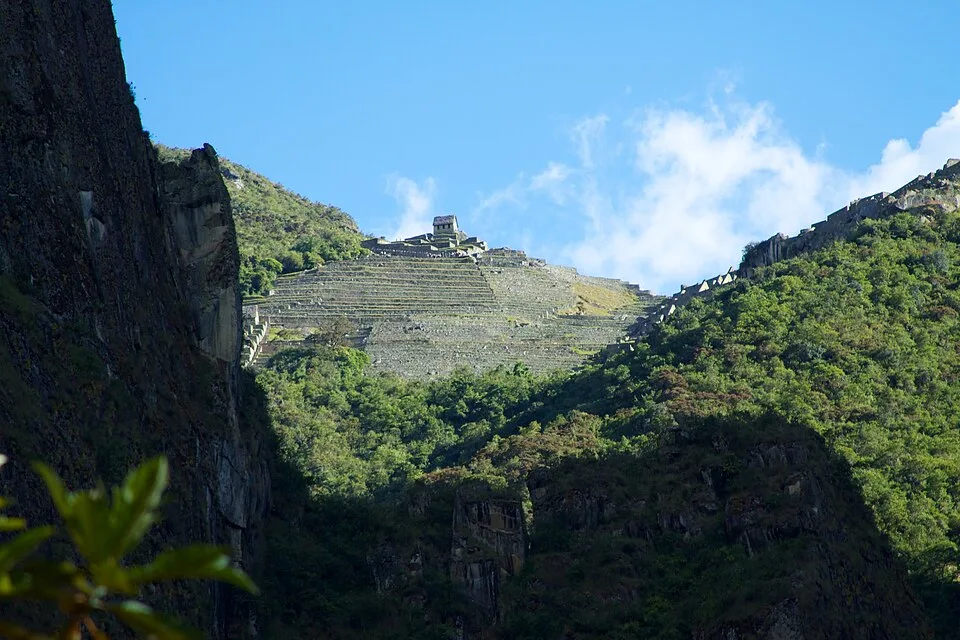
Preparation can make a major difference in the quality of your trekking experience. You do not need to be an elite athlete, but you should prepare your legs, cardiovascular system, and body for several hours of walking over uneven terrain.
Physical Preparation
Start preparing several weeks before the trek.
A useful training program can combine:
- Long-distance walking
- Stair climbing
- Hiking
- Cycling
- Squats
- Lunges
- Core exercises
- Cardiovascular training
Walking uphill is particularly useful because many Machu Picchu trekking routes involve sustained elevation gain.
A simple preparation strategy
6–8 weeks before
Begin regular walking and cardiovascular exercise.
4–6 weeks before
Add longer walks and stairs.
2–3 weeks before
Practice with the backpack you intend to carry.
Final week
Reduce intense training and prioritize recovery and sleep.
The objective is not simply to become stronger. It is to become comfortable walking for several consecutive hours.
Altitude Acclimatization
Altitude acclimatization is one of the most important aspects of preparing for a Machu Picchu trek.
Many travelers arrive in Cusco and immediately want to start sightseeing or hiking. A slower approach is usually more comfortable.
Spend time at altitude before beginning a demanding trek whenever your itinerary permits.
Helpful acclimatization practices
- Rest after arrival.
- Walk gently during the first day.
- Stay hydrated.
- Avoid excessive alcohol.
- Eat regular meals.
- Sleep sufficiently.
- Increase activity gradually.
If you develop severe symptoms, seek medical attention rather than trying to continue the trek.
What to Pack
Packing correctly is especially important because mountain weather can change rapidly.
Essential Machu Picchu hiking equipment
- Good hiking shoes
- Lightweight rain jacket
- Warm layers
- Comfortable hiking pants
- Moisture-wicking shirts
- Sun hat
- Sunglasses
- Sunscreen
- Water bottle
- Small backpack
- Personal medication
- Insect repellent
- Headlamp
- Personal toiletries
- Passport
- Cash
- Camera or phone
Additional equipment for multi-day trekking
Depending on your tour:
- Sleeping bag
- Trekking poles
- Dry bags
- Extra socks
- Thermal clothing
- Gloves
- Warm hat
- Portable charger
Pack as lightly as possible. Carrying unnecessary weight can make steep sections much more difficult.
Weather and Hiking Conditions
Weather is one of the biggest variables on any Machu Picchu hike.
The Andes can experience sunshine, cold temperatures, rain, wind, fog, and rapidly changing conditions during the same trek.
Rain can make stone paths slippery and can increase the difficulty of steep sections. During particularly heavy weather, authorities can modify or suspend access to trekking routes for safety and conservation reasons. The temporary August 2026 suspension of sections of the Inca Trail following heavy rainfall illustrates this possibility.
Dry season
The dry season generally offers more stable hiking conditions, but mornings can still be cold at altitude.
Wet season
The rainy season can bring greener landscapes and fewer consistently dry days, but trails can become muddy and slippery.
Travelers should avoid assuming that weather conditions are identical throughout the route. Machu Picchu’s lower elevation and the high mountain sections of routes such as Salkantay can have very different weather.
Machu Picchu Hike: What to Expect
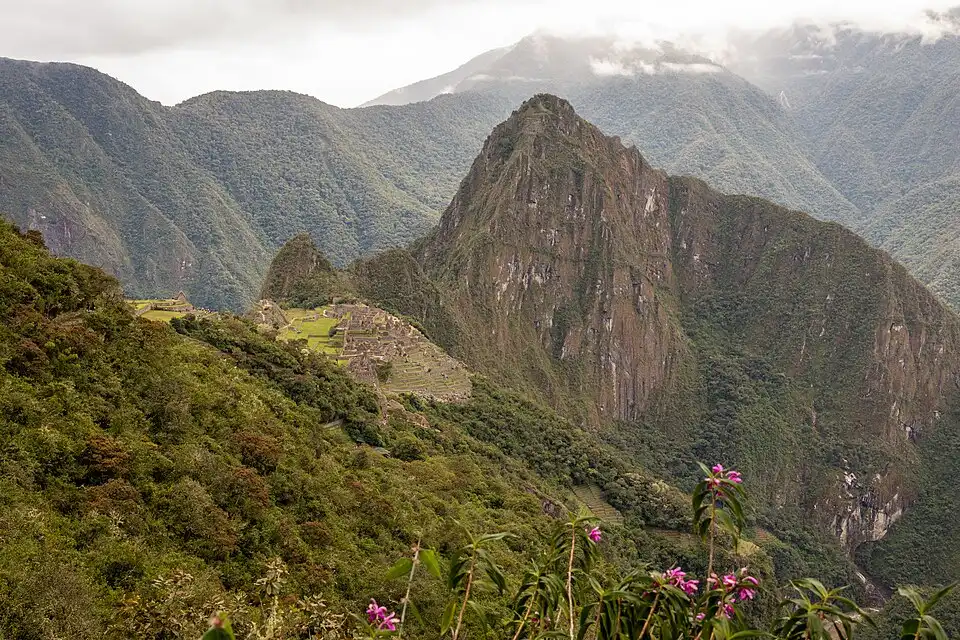
A Machu Picchu hike is much more than a walk toward an archaeological site. It is a gradual transition through some of the most dramatic landscapes in southern Peru.
Depending on the route, a typical day can begin early in the morning. You may wake at a campsite, eat breakfast, organize your backpack, and begin walking while the surrounding mountains are still covered by mist.
The landscape changes as you move.
High mountain areas can feel cold and exposed, while lower sections become warmer and greener. Cloud forest vegetation appears, waterfalls and streams may cross the trail, and archaeological structures emerge unexpectedly among the vegetation.
One of the most rewarding parts of trekking is that Machu Picchu becomes the conclusion of a larger journey rather than an isolated attraction.
What does the final approach feel like?
For travelers on the Classic Inca Trail, reaching the Machu Picchu area after several days of walking creates a powerful sense of arrival.
The final approach can involve steep stone steps and forested sections before opening toward the archaeological landscape.
However, reaching the sanctuary does not mean visitors can walk freely everywhere. The archaeological site operates under controlled circuits and routes, and the official system currently identifies three circuits containing ten different routes.
The experience depends on your route
Classic Inca Trail:
Best suited to travelers interested in ancient Inca roads, archaeology, and a traditional multi-day trekking experience.
Short Inca Trail:
Useful for visitors who want a shorter trekking experience and have limited time.
Salkantay Trek:
Attractive to travelers who prioritize dramatic mountain scenery and a longer adventure.
Alternative hikes:
Useful for travelers who want flexibility or a combination of hiking and transportation.
Machu Picchu Hike Planning Checklist
Before booking your trip, confirm:
- Which hiking route you want
- Number of trekking days
- Difficulty level
- Maximum altitude
- Required permits
- Machu Picchu entrance ticket
- Circuit and route of your Machu Picchu visit
- Transportation
- Accommodation
- Meals
- Guide services
- Porter services
- Travel insurance
- Weather conditions
- Acclimatization time
- Equipment requirements
Final Thoughts on Hiking to Machu Picchu
The Machu Picchu hike offers several different ways to experience one of Peru’s most important archaeological destinations. The Classic Inca Trail emphasizes ancient roads and archaeology, the Short Inca Trail provides a shorter trekking experience, and the Salkantay Trek offers a dramatic high-mountain journey through changing Andean landscapes.
The most important consideration is not simply how many kilometers you will walk. Elevation, terrain, weather, hiking hours, acclimatization, and the organization of permits all influence the experience.
Because the Inca Trail and Machu Picchu are protected cultural and natural areas, regulations can change and temporary closures can occur. Official authorities currently manage the Inca Trail through controlled routes and sustainable-use regulations, while Machu Picchu itself operates with designated circuits and routes.
For that reason, plan your trek around the route you actually want to experience, reserve controlled-access services early, allow enough time to acclimatize, prepare physically, and verify official conditions close to your travel date.