A Machu Picchu Adventure is much more than a visit to one of Peru’s most famous archaeological sites. For travelers who want more than a quick train ride and a few photographs, an adventure can combine mountain trekking, ancient Inca pathways, high-altitude landscapes, cloud forests, local communities, and time exploring Machu Picchu itself. Depending on the route, travelers can reach the sanctuary through demanding multi-day treks such as the Salkantay Trek, follow historic sections of the Inca Trail, or combine shorter hikes with train transportation.
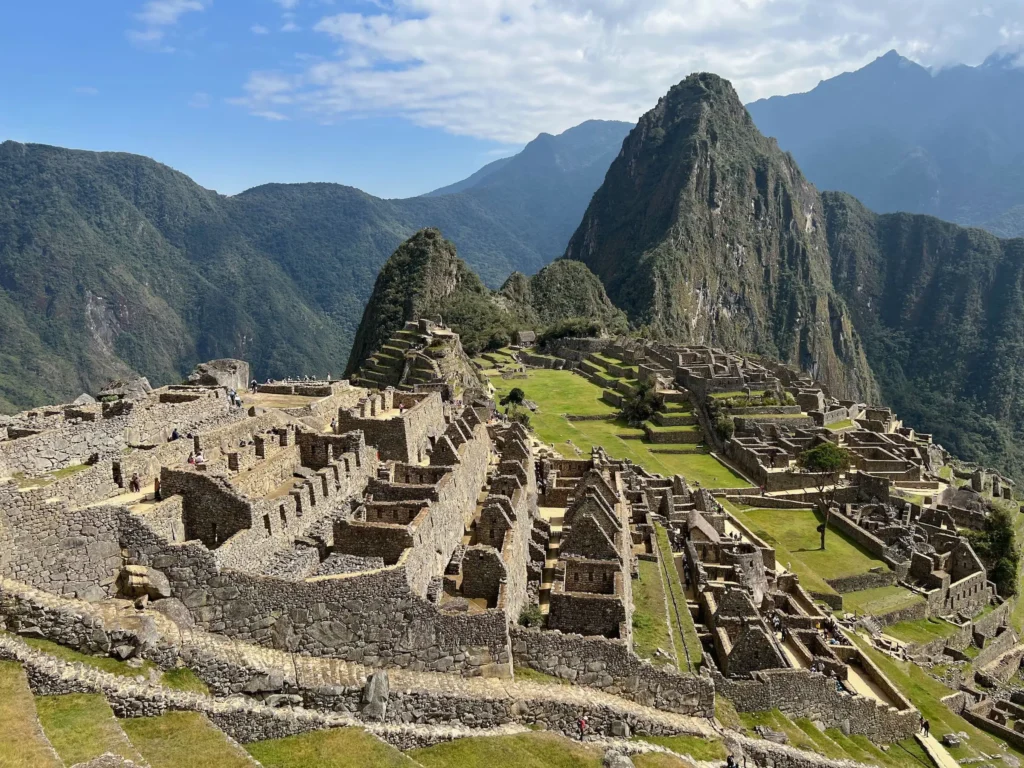
Machu Picchu sits within a dramatic mountain environment where the Andes transition toward the Amazon basin. The archaeological complex itself is approximately 2,430 meters above sea level, while surrounding trekking routes reach considerably higher elevations.
A well-planned Machu Picchu adventure therefore involves more than choosing a tour. Travelers need to consider their fitness level, trekking duration, season, accommodation, transportation, entrance route, tickets, luggage, weather, and the amount of time they want to spend hiking.
What Is a Machu Picchu Adventure?
A Machu Picchu adventure is a travel experience centered on exploring Machu Picchu while incorporating outdoor activities and the spectacular landscapes surrounding the archaeological sanctuary. The adventure may be relatively easy, such as a short hike combined with a train journey, or physically demanding, such as a four- or five-day mountain trek.
Unlike a conventional sightseeing itinerary, an adventure-oriented trip makes the journey itself part of the experience. Instead of simply traveling from Cusco to Machu Picchu, travelers may walk through valleys, cross mountain passes, camp beneath the stars, visit small Andean communities, explore cloud forests, and gradually approach the Inca citadel.
The Historic Sanctuary of Machu Picchu combines archaeological remains with an exceptionally diverse natural environment. Visitors can encounter steep mountains, tropical vegetation, orchids, birds, and forest habitats alongside Inca terraces, temples, plazas, and stone structures.
What Makes a Machu Picchu Adventure Different?
An adventure trip can include several elements:
- Multi-day trekking
- High-altitude mountain scenery
- Ancient Inca pathways
- Cloud forest hiking
- Camping or mountain lodges
- Local Andean communities
- Train journeys
- River-valley landscapes
- Machu Picchu guided tours
- Additional mountain hikes
- Sunrise or early-morning visits
- Photography and wildlife observation
The defining characteristic is flexibility. A traveler who wants an intense physical challenge can choose a demanding trek, while someone looking for a moderate adventure can combine hiking with comfortable transportation and accommodation.
Machu Picchu Adventure Tours
Machu Picchu adventure tours are available in many formats, from one-day excursions to multi-day trekking expeditions. The most important difference between them is the amount of time spent walking versus using transportation.
A shorter adventure may begin in Cusco and include transportation to the Sacred Valley, a train to Machu Picchu Pueblo, overnight accommodation, and a guided visit to Machu Picchu. A longer adventure can spend several days crossing the Andes before arriving at Machu Picchu.
Multi-Day Machu Picchu Adventure Tours
Multi-day tours are particularly suitable for travelers who want the journey to be an important part of their vacation. Depending on the route, these trips can include:
- Three- to five-day trekking programs
- Camping in mountain valleys
- Mountain lodges
- Early morning hiking
- High-altitude passes
- Waterfalls and lagoons
- Cloud forests
- Inca archaeological sites
- Local villages
- Machu Picchu entrance and guided exploration
The length of the adventure affects both the physical demands and the overall experience. A longer itinerary does not necessarily mean walking every day at maximum intensity. Some programs alternate demanding hiking sections with easier days.
Private and Group Adventure Tours
A private Machu Picchu adventure provides greater flexibility with departure times, hiking pace, accommodation, meals, and additional activities. Private trips can be particularly useful for families, couples, photographers, or groups with different physical abilities.
Group tours generally bring together travelers following the same itinerary. They can be an efficient way to experience a popular trek while sharing transportation and guide services.
The right format depends on the traveler’s priorities, schedule, budget, and preferred level of independence.
Trekking and Hiking Adventures to Machu Picchu
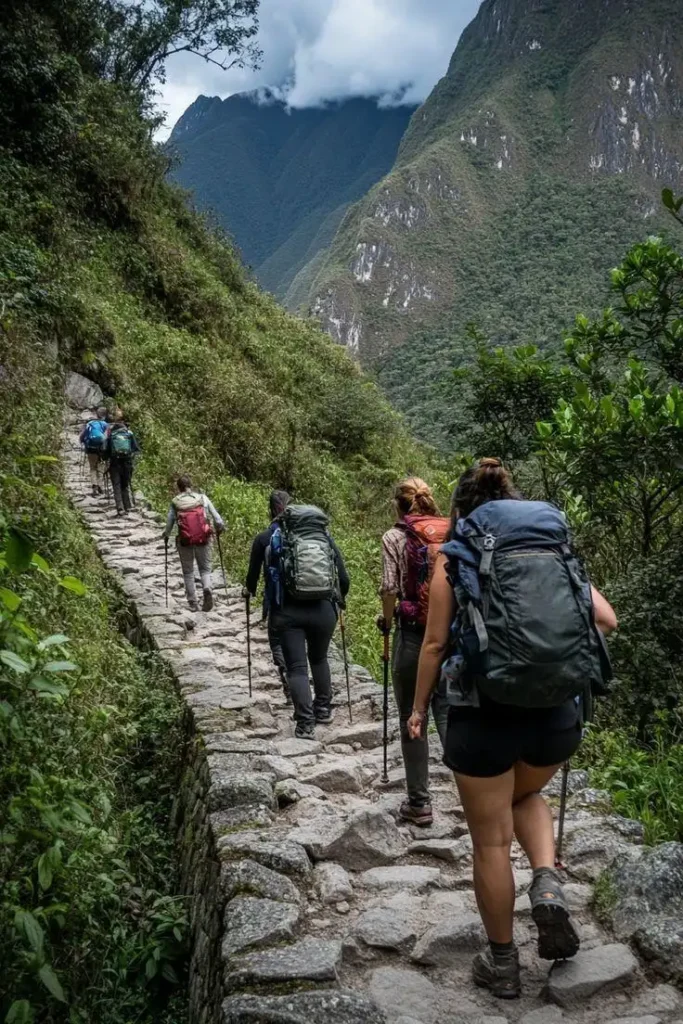
Trekking and hiking adventures to Machu Picchu are among the most popular ways to experience the destination. The major difference between routes is the terrain, altitude, duration, scenery, and level of preparation required.
The Inca Trail remains one of the best-known trekking routes because it follows an ancient network of pathways toward Machu Picchu. Other routes, including Salkantay and Lares, provide different landscapes and cultural experiences.
Inca Trail Adventure
The Inca Trail is a classic option for travelers interested in combining archaeology and hiking. The route crosses mountain terrain and includes ancient stone pathways, archaeological remains, forests, and changing elevations before reaching Machu Picchu.
One of its distinctive characteristics is the historical connection between the trail network and the Inca civilization. The route provides an opportunity to experience the landscape gradually rather than arriving at Machu Picchu solely by train.
Because access to the Inca Trail is regulated, travelers should organize permits and logistics well in advance.
Salkantay Trek Adventure
The Salkantay Trek offers a very different style of adventure. The route crosses dramatic mountain landscapes and reaches the area around the Salkantay massif before descending toward warmer valleys and eventually Machu Picchu.
The classic Salkantay itinerary is commonly organized over several days and includes high mountain environments, the Humantay Lagoon area, mountain passes, valleys, and the approach toward Machu Picchu Pueblo.
The route is particularly attractive to hikers who want dramatic changes in scenery. High mountain environments can gradually transition into greener and warmer valleys as the trail loses elevation.
Lares Trek
The Lares Trek offers another approach to Machu Picchu, with an emphasis on mountain scenery and encounters with rural Andean communities. Compared with some of the longer trekking routes, Lares can be adapted to different itineraries and combined with transportation to Machu Picchu.
This type of adventure can appeal to travelers interested in seeing a less urbanized side of the Cusco region while incorporating cultural experiences into their hiking journey.
Short Hiking Adventures
Not every traveler needs a multi-day trek. Shorter hiking experiences can include:
- Machu Picchu Mountain
- Huayna Picchu
- Huchuy Picchu
- Inca Bridge-related routes when available
- Intipunku-related hiking when available
- Short trails around the sanctuary
- Sacred Valley hikes combined with Machu Picchu
Huayna Picchu, for example, involves steep and narrow sections and is intended for visitors who are comfortable with challenging mountain walking. Advance reservations are important because access is limited.
Adventure Trails Around Machu Picchu
The adventure trails around Machu Picchu extend beyond the main archaeological complex. The surrounding mountains provide opportunities for different levels of hiking, allowing travelers to build an itinerary around their preferred intensity.
The Machu Picchu visitor system organizes visits into three principal circuits containing multiple routes. These include panoramic routes, classic Machu Picchu routes, and routes associated with the royal sector and additional mountain experiences.
Machu Picchu Mountain
Machu Picchu Mountain provides a demanding climb above the archaeological complex. The principal attraction is the elevated perspective over the surrounding mountains and valleys.
Because the climb involves substantial uphill walking, travelers should consider their fitness, previous hiking experience, weather conditions, and available time before adding it to a Machu Picchu itinerary.
Huayna Picchu
Huayna Picchu is the distinctive mountain rising behind many classic photographs of Machu Picchu. Its trail includes steep stairs and narrow sections.
A visit combining Machu Picchu and Huayna Picchu can take several hours, and advance planning is important because access is limited.
Intipunku
Intipunku, or the Sun Gate, is historically associated with the approach to Machu Picchu via the Inca Trail. Its availability as a visitor route depends on the applicable season and current regulations.
For travelers completing the Inca Trail, the arrival at Intipunku can be particularly meaningful because the viewpoint historically represents an approach to Machu Picchu from the ancient trail system.
Inca Bridge
The Inca Bridge route provides another way to experience the mountain landscape around Machu Picchu. It involves a relatively short excursion but can provide a different perspective on the engineering and terrain surrounding the sanctuary.
Visitors should always check the current access conditions and route regulations before planning their visit.
Salkantay Trek and Other Machu Picchu Adventures
The Salkantay Trek and other Machu Picchu adventures allow travelers to choose an experience based on landscape, difficulty, culture, and available time.
Comparing Major Adventure Styles
| Adventure | Typical Character | Main Attraction |
|---|---|---|
| Inca Trail | Historic multi-day trek | Ancient pathways and archaeological sites |
| Salkantay Trek | High-mountain adventure | Mountain scenery and changing ecosystems |
| Lares Trek | Cultural mountain trek | Villages and Andean landscapes |
| Short Machu Picchu hikes | Half-day or day activity | Mountain viewpoints |
| Train + hiking combination | Moderate adventure | Comfort plus selected hiking |
| Sacred Valley + Machu Picchu | Cultural and scenic | Archaeology, villages, and Machu Picchu |
The best itinerary depends on how much time the traveler has and how much physical effort they want to include. A traveler with only two or three days available may prefer a shorter hiking combination, while someone with a week can incorporate a full trekking expedition.
Choosing a Trek by Difficulty
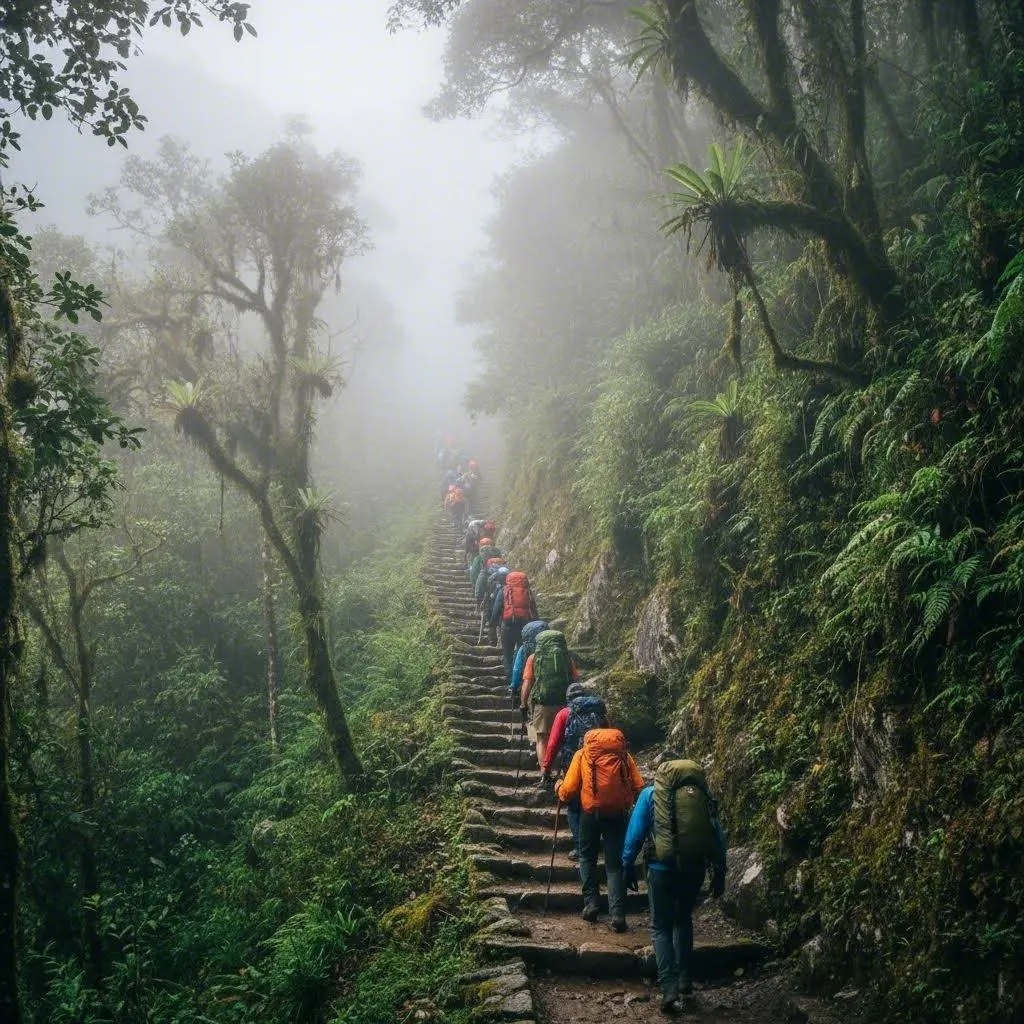
Difficulty should be considered from several perspectives rather than simply the number of kilometers.
Important factors include:
- Maximum elevation
- Total elevation gain
- Daily walking hours
- Trail steepness
- Weather
- Temperature changes
- Sleeping altitude
- Availability of transportation
- Personal hiking experience
A route with fewer kilometers can sometimes feel harder than a longer route if it includes steep ascents or high-altitude sections.
Machu Picchu Adventure Itinerary
A Machu Picchu adventure itinerary can range from a simple two-day journey to a week-long trekking experience. The following example demonstrates how travelers can structure a balanced adventure.
Five-Day Machu Picchu Adventure Example
Day 1: Cusco and Sacred Valley
Begin the journey in Cusco and travel through the Sacred Valley. Depending on the program, the day can include archaeological sites, local markets, traditional villages, and scenic viewpoints before continuing toward the Machu Picchu region.
The goal is to combine sightseeing with gradual acclimatization rather than immediately beginning the most demanding hike.
Day 2: Mountain Trek
Begin an organized trek through the Andes. The route and difficulty depend on whether the traveler has selected the Inca Trail, Salkantay, Lares, or another route.
A typical trekking day may involve several hours of walking with breaks for meals, photographs, and observation of the surrounding landscape.
Day 3: High Mountain or Cloud Forest
Continue through changing landscapes. On routes such as Salkantay, this can mean moving from high mountain terrain toward greener and warmer valleys.
This transition is one of the most memorable aspects of a longer Machu Picchu adventure because the vegetation, temperature, and landscape can change considerably during the trek.
Day 4: Machu Picchu Pueblo
Complete the final trekking section and arrive in Machu Picchu Pueblo, also known as Aguas Calientes. Travelers can rest, explore the town, and prepare for the following day’s visit.
An overnight stay can make the Machu Picchu experience less rushed.
Day 5: Machu Picchu
Enter Machu Picchu according to the time and route specified on the ticket. Explore the archaeological complex with a guide, following the designated visitor circuit.
Travelers should choose their desired route when purchasing their entrance ticket rather than assuming that every area is included in every ticket.
How to Plan Your Machu Picchu Adventure
Planning a Machu Picchu adventure begins by choosing the type of experience rather than immediately booking transportation.
Choose Your Trek First
Start by deciding whether you want:
- A multi-day trekking adventure
- The Inca Trail
- Salkantay
- Lares
- A shorter mountain hike
- A train-and-hike combination
- A comfortable Machu Picchu tour with limited walking
Once the trekking route is selected, transportation and accommodation become much easier to organize.
Plan Around Your Fitness Level
Do not judge a trek only by photographs or distance. Mountain hiking can be considerably more demanding than walking the same distance on flat terrain.
Training before departure can include:
- Long-distance walking
- Stair climbing
- Hill walking
- Cardiovascular exercise
- Moderate strength training
- Practice hikes with a daypack
Travelers should also become accustomed to walking for several consecutive hours.
Consider Altitude
Altitude is an important factor in any Cusco and Machu Picchu adventure. Cusco itself is considerably higher than Machu Picchu, while some trekking routes reach even greater elevations.
A sensible itinerary allows time to adjust before beginning a demanding trek.
Pack for Changing Conditions
Mountain weather can change rapidly. A practical trekking packing list includes:
- Lightweight waterproof jacket
- Warm layers
- Comfortable trekking shoes
- Extra socks
- Sun protection
- Hat
- Sunglasses
- Insect repellent
- Reusable water bottle
- Small daypack
- Personal medication
- Headlamp for multi-day trekking
- Basic rain protection
- Camera or smartphone
Layering is particularly useful because temperatures can vary significantly between morning, afternoon, and evening.
Machu Picchu Adventure Cost
The Machu Picchu adventure cost varies considerably depending on the route, number of days, accommodation, transportation, group size, guide services, and additional activities.
There is no single price that represents every Machu Picchu adventure.
Main Factors Affecting Cost
The total budget can include:
- Machu Picchu entrance ticket
- Trekking permits where applicable
- Professional guide
- Transportation
- Train tickets
- Bus transportation
- Accommodation
- Camping equipment
- Meals
- Porters or support staff
- Additional mountain tickets
- Transfers
- Travel insurance
- Personal expenses
A basic short trip can cost substantially less than a private multi-day trekking expedition with upgraded accommodation and transportation.
Budget Machu Picchu Adventure
A budget-focused adventure generally emphasizes group transportation, basic accommodation, shared services, and a shorter itinerary.
Travelers choosing this approach should still prioritize official entrance tickets, reliable transportation, appropriate equipment, and experienced guides where required.
Mid-Range Adventure
A mid-range itinerary can combine comfortable hotels, organized transportation, guided hiking, and a carefully structured Machu Picchu visit.
This option is useful for travelers who want adventure during the day but prefer comfortable accommodation at night.
Luxury Machu Picchu Adventure
Luxury adventures can include premium accommodation, private transportation, private guides, upgraded train services, and customized trekking arrangements.
The higher cost generally comes from personalization and accommodation rather than simply adding more activities.
Machu Picchu Reservations and Tickets
Machu Picchu reservations and tickets are among the most important elements of planning an adventure. The entrance system is based on designated circuits and routes, meaning travelers should understand exactly what their ticket provides.
The visitor system divides Machu Picchu into principal circuits and individual routes. These cover panoramic viewpoints, classic areas of the archaeological complex, the lower royal sector, and several mountain hiking options.
Buying Machu Picchu Tickets
The official ticket system allows visitors to select the date, schedule, route, and number of tickets.
Planning ahead is particularly important during periods of high demand. Popular routes and mountain hikes can have limited capacity, so travelers should avoid waiting until the last moment when their itinerary depends on a specific entrance time.
Understanding the Circuits
Before purchasing a ticket, determine what you want to see.
Circuit 1 emphasizes panoramic viewpoints and includes routes associated with elevated views of Machu Picchu and surrounding mountains.
Circuit 2 focuses on the classic Machu Picchu experience and provides access to important areas of the archaeological city.
Circuit 3 emphasizes the lower and royal sector and includes options associated with additional mountain experiences, subject to availability and seasonal restrictions.
Why Reservations Should Be Made Early
A Machu Picchu adventure often involves coordinating several independent reservations:
- Trekking permit or trek availability
- Machu Picchu entrance
- Train
- Accommodation
- Bus transportation
- Additional mountain routes
- Airport or hotel transfers
Booking one element without checking the others can create scheduling problems.
For example, transportation to Machu Picchu Pueblo should be coordinated with the entrance schedule because visitors must arrive within the time associated with their ticket.
What to Expect on a Machu Picchu Adventure
A Machu Picchu adventure combines physical activity, cultural discovery, changing weather, and dramatic scenery. Travelers should expect conditions to be different from a conventional city tour.
Expect Mountain Terrain
Even the archaeological complex involves stairs, uneven surfaces, slopes, and walking between different sectors. Longer trekking routes can involve significantly more demanding terrain.
Comfortable hiking footwear is therefore more important than fashionable footwear.
Expect Changing Weather
Machu Picchu lies in a mountain environment influenced by the Andes and surrounding cloud forest. Rain, mist, sun, and temperature changes can occur during the same trip.
A waterproof outer layer is particularly useful for travelers participating in multi-day trekking.
Expect Early Starts
Many adventure itineraries begin early because hikers need enough daylight to complete long distances and because early morning can provide excellent conditions for photography.
Machu Picchu itself also operates according to scheduled entry periods, so travelers must organize transportation and walking time around their assigned entrance.
Expect Limited Access to Some Areas
A modern Machu Picchu visit is not an unrestricted walk through the entire archaeological complex. The current circuit system determines which route visitors follow.
Understanding the route before arriving helps prevent disappointment and makes it easier to choose a ticket that matches the experience you want.
Expect Spectacular Scenery
One of the defining characteristics of a Machu Picchu adventure is the combination of archaeology and nature.
Depending on the chosen route, travelers may experience:
- Snow-covered mountain landscapes
- Deep valleys
- Cloud forest
- Tropical vegetation
- Waterfalls
- High-altitude lagoons
- Inca terraces
- Stone pathways
- Mountain viewpoints
- Ancient archaeological sites
This variety is why trekking routes can feel very different from a conventional sightseeing tour.
Final Thoughts on a Machu Picchu Adventure
A Machu Picchu Adventure can be designed around almost any travel style, from a short hiking experience to a demanding multi-day expedition across the Andes. The key is to match the route with the amount of time available, physical preparation, desired comfort level, and interest in history, culture, scenery, or adventure.
For travelers seeking a classic historical journey, the Inca Trail provides an experience strongly connected with the ancient road system. For dramatic mountain scenery, the Salkantay Trek offers a very different landscape, including high-altitude environments and changing ecosystems. Other options such as Lares, Machu Picchu Mountain, Huayna Picchu, Intipunku, and shorter hiking combinations allow travelers to customize their experience.
Most importantly, Machu Picchu should be planned as a complete journey rather than as an isolated attraction. Selecting the trekking route, checking current circuits, securing the appropriate entrance ticket, coordinating transportation, preparing for mountain weather, and allowing enough time for acclimatization can turn a simple visit into a memorable adventure through the Andes.