Machu Picchu hiking tours are among the most memorable ways to experience Peru’s most famous archaeological destination. Instead of simply taking a train to Aguas Calientes and visiting the ruins, hiking allows travelers to experience the mountains, cloud forests, ancient paths, Andean landscapes, archaeological sites, and remote communities surrounding Machu Picchu. Depending on the route, a trek can last from one day to several days and can range from relatively accessible walks to demanding high-altitude adventures.
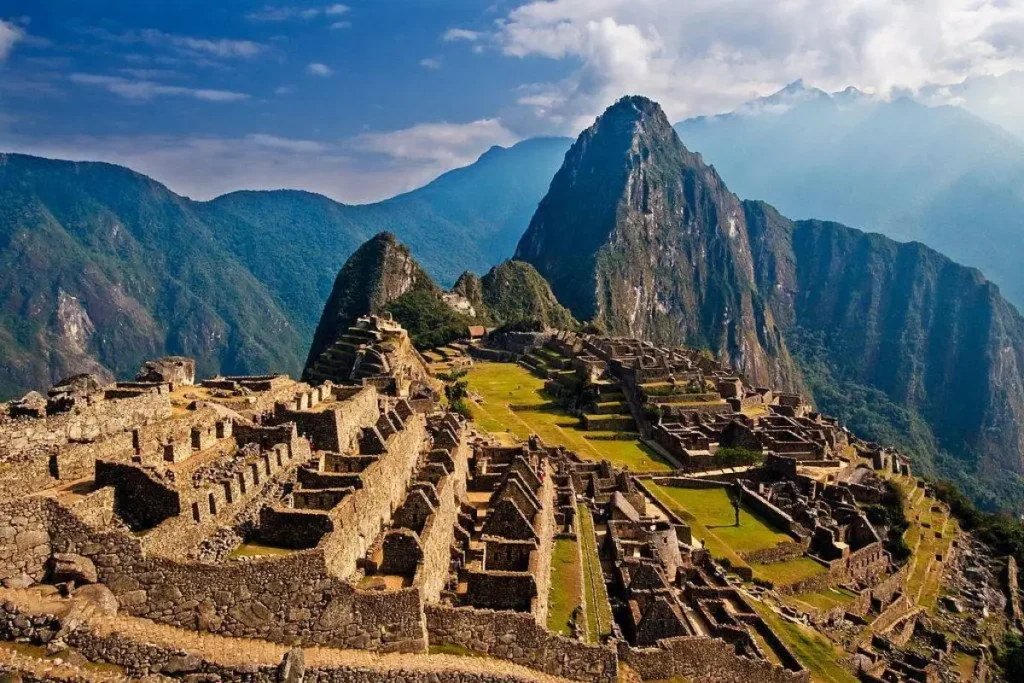
The phrase Machu Picchu hiking tours covers several very different experiences. Travelers can choose the classic Inca Trail, the Salkantay Trek, the Lares Trek, shorter Inca Trail options, or shorter hikes connected with the Machu Picchu sanctuary itself. The right choice depends on available time, physical preparation, interest in archaeology and culture, preferred accommodation, budget, and tolerance for altitude.
For travelers searching for the best Machu Picchu hiking tours, there is no single itinerary that suits everyone. A four-day Inca Trail can be ideal for someone who values ancient Inca pathways and archaeological sites, while a Salkantay itinerary may appeal to travelers who want high mountain scenery and a longer wilderness experience. Luxury travelers may prefer a private trekking arrangement with upgraded accommodation, private transportation, luggage assistance, and a customized schedule.
Why Choose Machu Picchu Hiking Tours?
Machu Picchu hiking tours combine physical adventure with history, culture, and spectacular scenery. Hiking toward Machu Picchu creates a gradual transition from the high Andes into the cloud forest, making the journey itself an important part of the experience rather than simply transportation to an archaeological site.
A trekking itinerary can also provide access to landscapes that are difficult to appreciate from a conventional day trip. Depending on the route, hikers may encounter mountain passes, waterfalls, cloud forests, traditional villages, archaeological remains, agricultural terraces, and dramatic views of snow-covered peaks.
Another important advantage is flexibility. Some Machu Picchu hiking tours are designed around four or five days, while shorter itineraries can combine a hike with train transportation. Private tours can also be adapted around a traveler’s pace, interests, fitness level, and preferred accommodation.
Best Machu Picchu Hiking Tours
When travelers search for the best Machu Picchu hiking tours, they are often comparing several routes rather than looking for one particular tour. The main options include the Classic Inca Trail, Salkantay Trek, Lares Trek, shorter Inca Trail experiences, and other trekking combinations that finish at Machu Picchu.
The best route for one traveler may not be the same route another traveler prefers. Someone interested in Inca archaeology may prioritize the Inca Trail, while someone looking for dramatic mountain landscapes may consider Salkantay. Travelers interested in traditional Andean communities may prefer a route through the Lares region.
Classic Inca Trail to Machu Picchu
The Classic Inca Trail is the most historically associated hiking route to Machu Picchu. The route combines ancient stone pathways with archaeological sites, mountain scenery, cloud forests, terraces, tunnels, stairways, and changing ecosystems.
The classic multi-day trek is particularly attractive to travelers who want archaeology to be a major part of the journey. Hikers encounter ancient stone pathways, terraces, ruins, mountain passes, and cloud forest environments before reaching Machu Picchu.
Because the Inca Trail is regulated, travelers should organize their trek through an authorized operation and plan ahead. Availability is connected with the official permit system, making advance planning especially important during popular travel periods.
Why travelers choose the Inca Trail
- Ancient Inca stone pathways
- Archaeological sites along the route
- Cloud forest landscapes
- Mountain scenery
- Arrival toward Machu Picchu through the historic route
- Multi-day camping experience
- Strong cultural and historical component
- Opportunities for photography and birdwatching
Salkantay Trek to Machu Picchu
The Salkantay Trek is another major option for travelers searching for Machu Picchu hiking tours from Cusco. It crosses dramatic mountain landscapes and reaches the high Salkantay Pass before descending toward warmer valleys and the cloud forest.
The route is especially attractive because of the dramatic change in scenery. A trek can begin in a high-altitude environment surrounded by enormous mountains and eventually descend toward greener and warmer areas closer to Machu Picchu.
The Salkantay experience is different from the Classic Inca Trail because the scenery and high-mountain environment are central elements of the journey. Travelers interested in glaciers, high passes, alpine valleys, and dramatic mountain landscapes often investigate this route when comparing Peru trekking options.
Salkantay highlights
- Salkantay mountain scenery
- High-altitude trekking
- Humantay Lake on many itineraries
- Remote Andean landscapes
- Cloud forest
- Long hiking days
- Dramatic changes in elevation
- Machu Picchu at the end of the trek
Lares Trek to Machu Picchu
The Lares Trek provides another route into the Machu Picchu region and is particularly interesting for travelers who want a combination of mountain scenery and traditional Andean culture.
Depending on the itinerary, the route can pass through high mountain valleys and communities where traditional agriculture and llama and alpaca herding remain important parts of daily life. The scenery can include high passes, glacial peaks, lakes, valleys, and isolated rural landscapes.
Lares can therefore appeal to travelers who want something different from the more heavily recognized Inca Trail while still enjoying a multi-day trekking experience.
Lares Trek highlights
- Traditional Andean communities
- High mountain scenery
- Llamas and alpacas
- Remote valleys
- High-altitude passes
- Cultural experiences
- Mountain lakes
- Machu Picchu visit after the trek
Machu Picchu Guided Hiking Tours
Machu Picchu guided hiking tours are designed for travelers who want professional assistance throughout the journey. A good trekking guide does much more than lead the group along the trail. Guides can explain archaeological sites, identify plants and wildlife, help manage the walking pace, coordinate meals and camps, and assist travelers when weather or trail conditions change.
A guided experience can be particularly valuable at high altitude. Travelers who are unfamiliar with the Andes may not recognize how quickly altitude, steep climbs, dehydration, or changing weather can affect their energy levels.
Private guided tours can provide additional flexibility. Instead of following the exact pace of a large group, a private guide can often adapt walking breaks, photography stops, meal times, and certain itinerary details around the travelers.
What a Guided Machu Picchu Trek May Include
Depending on the tour operator and itinerary, a hiking package may include:
- Professional trekking guide
- Transportation from Cusco
- Trailhead transportation
- Camping equipment
- Meals
- Porters or luggage support
- Entrance permits where applicable
- Machu Picchu entrance
- Train transportation on selected itineraries
- Bus transportation to Machu Picchu
- Accommodation in Aguas Calientes
- Private or group service
- Emergency assistance
Travelers should always check exactly what is included because two tours with the same number of days can have very different inclusions.
Machu Picchu Hiking Tours from Cusco
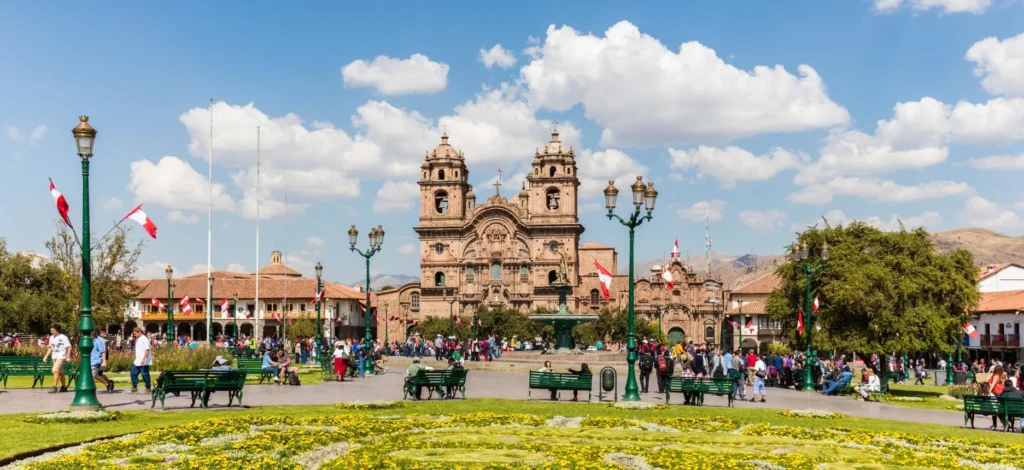
Machu Picchu hiking tours from Cusco are convenient because Cusco is the principal starting point for most trekking itineraries in the region. Travelers normally spend several days in Cusco before beginning a trek, which also gives the body additional time to adjust to altitude.
The exact departure point depends on the trail. Some treks require an early morning vehicle transfer from Cusco to a trailhead, while others begin in areas such as the Sacred Valley.
For travelers arriving directly from sea level, spending time in Cusco before a demanding trek can be an important part of preparation. Altitude affects people differently, and physical fitness alone does not eliminate the effects of thin air.
Planning a Trek from Cusco
A typical preparation plan includes:
- Arrive in Cusco before the trek.
- Allow time for acclimatization.
- Avoid overloading the first day with strenuous activities.
- Drink sufficient water.
- Pack lightweight but appropriate hiking equipment.
- Confirm the exact trail and maximum elevation.
- Verify transportation arrangements.
- Confirm what happens to luggage that is not taken on the trail.
- Check whether meals are included.
- Confirm the location and time of the pre-trek briefing.
Peru Machu Picchu Hiking Tours
Peru Machu Picchu hiking tours can be incorporated into a broader Peru itinerary. Many international travelers combine Machu Picchu with Cusco, the Sacred Valley, Lima, Lake Titicaca, the Amazon, or other destinations.
A longer Peru itinerary can make the trek more comfortable because travelers have more opportunities to acclimatize before reaching high elevations.
For example, a traveler may spend several nights in Cusco, visit the Sacred Valley, and then begin a four- or five-day trek. Another option is to combine a Machu Picchu hike with several days in the Peruvian Amazon.
The advantage of combining destinations is that the journey becomes more than a visit to one archaeological site. Travelers can experience Peru’s mountains, archaeological heritage, indigenous cultures, tropical rainforest, cuisine, and different geographical regions during the same vacation.
Machu Picchu Hiking Tours 4 Days
Machu Picchu hiking tours 4 days are among the most searched options because four days provides enough time for a substantial trekking experience while fitting into many Peru travel schedules.
However, “four days” does not mean every four-day trek is equally difficult. A four-day Inca Trail, four-day Salkantay Trek, and four-day Lares itinerary can have very different elevations, distances, landscapes, and physical demands.
Four-Day Inca Trail
A classic four-day Inca Trail itinerary generally focuses on the historic pathway toward Machu Picchu. Travelers spend multiple nights along the trail and arrive in the Machu Picchu area after passing through surrounding mountains and cloud forest.
The main attraction is the combination of hiking and archaeology. The route itself is part of the historical experience, with stone pathways and archaeological complexes appearing throughout the journey.
Four-Day Salkantay Trek
A four-day Salkantay itinerary is more focused on dramatic mountain scenery and the transition from high Andes to lower elevations.
Some four-day itineraries include a very high mountain pass, making acclimatization an important consideration. The trek can combine high mountain scenery, lakes, valleys, tropical vegetation, and the final approach toward Machu Picchu.
Four-Day Lares Trek
A four-day Lares itinerary combines high-altitude trekking with rural Andean landscapes. Depending on the route, travelers can cross elevations above 4,000 meters before continuing toward the Sacred Valley and Machu Picchu.
The main attraction is the combination of mountain scenery and cultural encounters rather than following exactly the same historical route as the Classic Inca Trail.
Machu Picchu Hike Cost
The Machu Picchu hike cost depends heavily on the trail, duration, group size, season, accommodation, transportation, permits, and services included.
There is no single price for a Machu Picchu hiking tour because the difference between a basic group trek and a private luxury expedition can be substantial.
What Determines Machu Picchu Hiking Cost?
Trail and permits
The Inca Trail has a regulated access system, while other routes operate under different conditions. Permit requirements can therefore affect availability and pricing.
Number of trekking days
Longer itineraries generally require additional meals, accommodation, guide services, transportation, and support.
Group size
Private treks usually cost more per traveler than larger group departures because transportation and guide services are distributed among fewer people.
Accommodation
Camping is generally different in cost from itineraries using hotels or upgraded lodges. Luxury itineraries may include superior hotels in Aguas Calientes and private rooms.
Transportation
Some itineraries include buses, trains, private vehicles, or combinations of transportation to reduce walking distances.
Porter and luggage services
Porter services can make a significant difference on multi-day treks because travelers do not necessarily need to carry all of their equipment themselves.
Machu Picchu entrance
Entrance arrangements can affect the total cost, particularly when the itinerary includes an additional mountain or specialized route.
Typical cost categories
When comparing prices, look for:
- Trek permit or entrance fees
- Machu Picchu entrance
- Professional guide
- Transportation
- Meals
- Camping equipment
- Porter services
- Train tickets
- Bus tickets
- Hotel accommodation
- Emergency support
- Private transportation
- Tips and personal expenses
A lower advertised price is not necessarily directly comparable with a higher price if the inclusions are different.
Machu Picchu Hike Difficulty
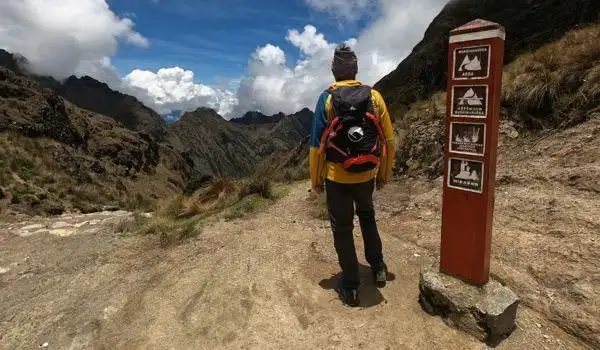
Machu Picchu hike difficulty varies considerably between routes. The most important factors are altitude, distance, elevation gain and loss, trail conditions, number of hiking hours, weather, and individual acclimatization.
One of the biggest mistakes travelers make is assuming that a shorter trek is automatically easier. A four-day trek can be physically demanding if it includes a very high mountain pass and long walking days.
Altitude
Altitude is one of the most important factors. Some routes climb above 4,000 meters, where the air contains less oxygen than at sea level.
The Classic Inca Trail reaches the high Warmiwañuska or Dead Woman’s Pass area, while some Salkantay and Lares itineraries also involve elevations above 4,000 meters.
Hiking experience
Previous hiking experience is useful, but it does not completely determine how someone will respond to altitude. A person who regularly exercises at sea level can still experience altitude-related symptoms.
Daily distance
Long walking days can be challenging even when the trail is not technically difficult.
Terrain
Stone steps, uneven paths, steep ascents, descents, mud, and wet conditions can all increase the physical demands of a trek.
Weather
Weather can change rapidly in the Andes. Rain can make stone paths slippery, while cold temperatures and wind can make high-altitude sections more demanding.
Recovery
The body needs time to recover during a multi-day trek. A good itinerary should include appropriate breaks and realistic walking times rather than focusing exclusively on covering distance.
Shortest Hike to Machu Picchu
The shortest hike to Machu Picchu depends on what the traveler means by “hike to Machu Picchu.”
There are short hiking experiences associated with the Machu Picchu area, as well as short versions of the Inca Trail. Travelers who want an actual multi-day trekking experience have different options from those who simply want to add a few hours of hiking to a train-based visit.
A short Inca Trail experience can provide access to the historic route without committing to the full classic trek. Other travelers may take the train to the Machu Picchu region and add a mountain hike or other walking experience.
The important distinction is that a short hike connected with Machu Picchu is not necessarily equivalent to trekking the complete Inca Trail.
Short Hiking Options
Depending on current availability and the selected route, travelers can consider:
- Short Inca Trail experiences
- One-day hiking combinations
- Train plus hiking itineraries
- Machu Picchu Mountain
- Huayna Picchu
- Huchuy Picchu
- Inca Bridge hiking experiences
- Intipunku-related routes when available
Best Inca Trail Tour Companies
The search term best Inca Trail tour companies is commonly used by travelers comparing trekking providers. Rather than choosing a company only because it appears highly in search results, travelers should examine the specific services and authorization associated with the trek.
Because the Inca Trail is regulated, travelers should confirm that the company is operating legally and has the necessary permissions for the requested route and date.
What to Look for in an Inca Trail Company
Authorized operation
Confirm that the company is authorized to operate the route you are booking.
Experienced guides
A professional guide should understand the archaeological, cultural, environmental, and logistical aspects of the trek.
Transparent inclusions
The price should clearly identify transportation, meals, permits, entrance tickets, accommodation, camping equipment, and other services.
Emergency procedures
Ask what happens if a traveler becomes sick, injured, or unable to continue.
Small groups
Smaller groups may allow better communication between the guide and travelers and can make the hiking experience more personal.
Responsible tourism
Travelers can also ask how the company treats porters, manages waste, interacts with local communities, and minimizes environmental impact.
Customer service
Good communication before the trek is important. Travelers should receive clear information about meeting points, luggage, packing requirements, meals, permits, and emergency contacts.
Best Luxury Machu Picchu Hiking Tours
Best luxury Machu Picchu hiking tours combine the adventure of trekking with higher levels of comfort and personalized service.
Luxury does not necessarily mean eliminating the hiking challenge. Instead, it usually means improving everything around the hike: private guides, better hotels, private transportation, upgraded trains, luggage assistance, personalized meals, and more flexible schedules.
A luxury trek can be particularly attractive for couples, families, honeymooners, photographers, private groups, or travelers celebrating a special occasion.
Features of Luxury Machu Picchu Hiking Tours
Private guide
A private guide can adapt the pace and explanations to the group rather than following a large group schedule.
Private transportation
Private vehicles can reduce waiting time and provide greater flexibility before and after the trek.
Premium accommodation
Instead of basic camping every night, selected luxury itineraries may use upgraded hotels before or after the trekking sections.
Upgraded train service
Travelers can choose enhanced train services on routes where train transportation is included.
Private rooms
Private accommodation can be important for couples and travelers who prefer not to share rooms.
Luggage assistance
A porter or luggage transfer service allows hikers to concentrate on the trail rather than carrying unnecessary weight.
Personalized meals
Private tours can often accommodate dietary preferences more easily when requested in advance.
Flexible schedule
Private tours may allow additional photography stops, slower walking, extra cultural experiences, or different transportation arrangements.
Machu Picchu Hiking Tours for Different Types of Travelers
Machu Picchu Hiking Tours for Beginners
First-time trekkers should focus on acclimatization, manageable distances, appropriate equipment, and a route that matches their physical preparation. A traveler does not need to be an elite athlete, but walking several consecutive hours at altitude requires preparation.
Beginners should also understand that Machu Picchu trekking involves stairs and uneven terrain. Training with long walks, hills, stair climbing, and carrying a light backpack can be useful preparation.
Machu Picchu Hiking Tours for Experienced Hikers
Experienced hikers may prefer longer routes, higher passes, remote landscapes, or more demanding itineraries. Salkantay and other high-altitude routes can provide substantial physical challenges.
Experienced trekkers should still take altitude seriously because previous hiking experience does not guarantee adaptation to high elevation.
Machu Picchu Hiking Tours for Families
Families should consider children’s ages, hiking experience, altitude tolerance, and daily distances. Private itineraries can provide additional flexibility for breaks and pacing.
A family itinerary may benefit from shorter walking periods, comfortable accommodation, private transportation, and additional time for meals and rest.
Machu Picchu Hiking Tours for Couples
Couples can choose private trekking services, upgraded accommodation, private guides, and flexible schedules. Luxury options are particularly suitable for honeymoons and anniversaries.
A private itinerary can also create more opportunities for photography and quiet moments along the route.
Machu Picchu Hiking Tours for Seniors
Older travelers should consider altitude and trail conditions carefully. A private itinerary can provide more flexibility, but it does not eliminate the physical demands of high-altitude hiking.
Travelers should discuss any concerns with an appropriate medical professional before undertaking a demanding high-altitude trek.
What to Pack for Machu Picchu Hiking Tours
Packing correctly can significantly improve the trekking experience. The ideal equipment depends on the season and route, but travelers should prepare for changing conditions.
Essential hiking equipment
- Comfortable hiking shoes
- Lightweight hiking pants
- Moisture-wicking shirts
- Warm layers
- Waterproof jacket
- Hat
- Sunglasses
- Sunscreen
- Small daypack
- Reusable water bottle
- Personal medications
- Headlamp
- Insect repellent
- Personal toiletries
- Lightweight rain protection
- Camera or smartphone
- Portable battery
- Small first-aid kit
For high-altitude routes, travelers should also carry warm clothing because temperatures can fall quickly after sunset.
Best Time for Machu Picchu Hiking Tours
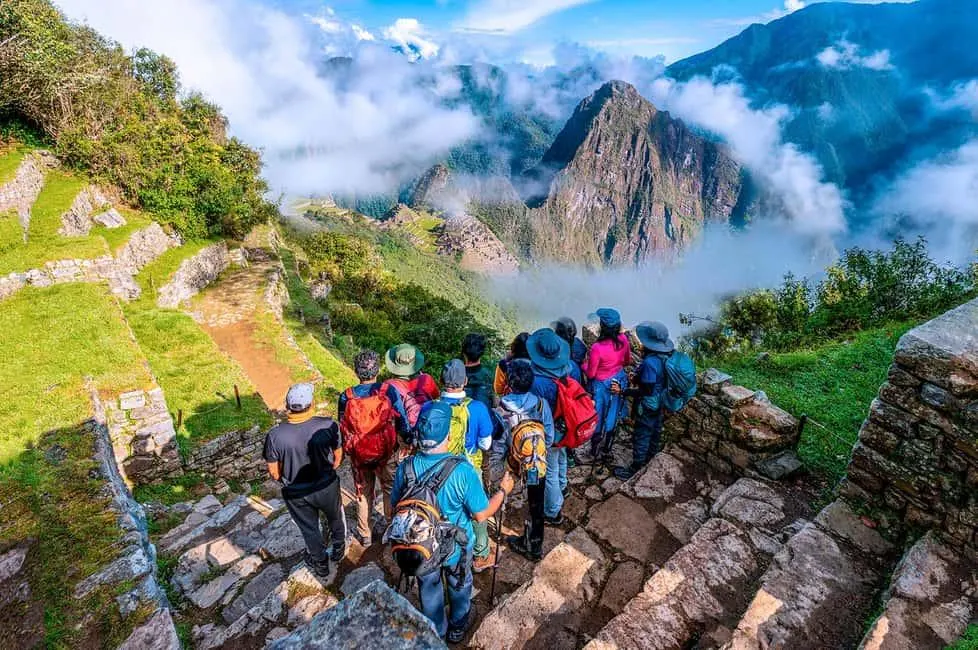
The best time for hiking depends on the traveler’s priorities. The dry season is generally popular because there is less rainfall, but mountain weather remains variable.
The rainy season can bring wet trails and cloud cover, but it can also create greener landscapes and atmospheric views.
Travelers should avoid selecting a trekking date based solely on historical weather expectations. Conditions can vary from year to year, and mountain weather can change within a single day.
The Inca Trail also operates under specific seasonal and conservation regulations, so travelers should check the current operating calendar when planning their trip.
How to Choose the Right Machu Picchu Hiking Tour
Choosing a trekking itinerary becomes easier when travelers compare the most important factors instead of focusing only on the advertised number of days.
Compare the following:
| Factor | Questions to Ask |
|---|---|
| Duration | How many days are actually spent hiking? |
| Altitude | What is the highest point? |
| Distance | How many kilometers are walked each day? |
| Difficulty | Are there steep climbs or long descents? |
| Accommodation | Camping, hotel, or luxury lodging? |
| Group size | Private or shared group? |
| Guide | Private or group guide? |
| Transportation | What transfers and train services are included? |
| Entrance fees | Are required tickets included? |
| Meals | How many meals are provided? |
| Luggage | Is porter or luggage transfer available? |
| Flexibility | Can the itinerary be adapted? |
| Permits | Are required permits included and secured? |
| Support | What emergency assistance is available? |
Machu Picchu Hiking Tours vs. Train Tours
A train-based Machu Picchu visit is generally less physically demanding and requires less time than a multi-day trek. However, hiking creates a different type of travel experience.
A trek makes the journey part of the destination. Instead of arriving directly at Machu Picchu, travelers spend several days crossing mountains, valleys, forests, and archaeological landscapes.
Train travel may be more appropriate for travelers with limited time or mobility concerns, while hiking is attractive to travelers who consider the journey itself an important part of the adventure.
Private vs. Group Machu Picchu Hiking Tours
Group tours are generally structured around fixed departures and shared transportation and guide services. They can be practical for solo travelers and people who enjoy meeting other hikers.
Private Machu Picchu hiking tours offer more control over pace, photography stops, meals, transportation, and accommodation. They are particularly useful for families and groups with different physical abilities.
The most important point is to understand what “private” means in the package description. Some tours are private only during certain transportation sections, while others provide a private guide throughout the entire itinerary.
Frequently Asked Questions About Machu Picchu Hiking Tours
How many days should I spend hiking to Machu Picchu?
Four days is a popular duration because it allows travelers to experience a substantial trek without requiring an extended vacation. Five-day and longer itineraries can provide more gradual pacing and additional experiences.
What is the most famous hike to Machu Picchu?
The Classic Inca Trail is the route most strongly associated with hiking toward Machu Picchu through the historic Inca road network.
Is the Machu Picchu hike difficult?
Difficulty depends on the route. Some trails are relatively accessible, while high-altitude routes can be physically demanding. Altitude, distance, elevation gain, and weather should all be considered.
What is the highest point on the Inca Trail?
The Classic Inca Trail crosses Warmiwañuska, commonly called Dead Woman’s Pass, at roughly 4,200 meters above sea level.
What is the shortest hike to Machu Picchu?
Short hiking experiences include shorter Inca Trail routes and hikes associated with the Machu Picchu sanctuary. The exact experience depends on the route and entrance available for the chosen date.
How much does a Machu Picchu hiking tour cost?
Prices vary according to route, duration, group size, permits, accommodation, transportation, guide services, and inclusions. Travelers should compare complete packages rather than comparing headline prices alone.
Do I need a guide for the Inca Trail?
The Inca Trail operates under regulated conditions, so travelers should organize the trek through an authorized operation and confirm the current requirements for their selected route.
Can I take a private Machu Picchu hiking tour?
Yes. Private trekking services can be arranged for many routes and can provide a private guide, transportation, accommodation, and a more flexible itinerary.
Can beginners hike to Machu Picchu?
Many beginners complete Machu Picchu treks, but preparation is important. Beginners should choose a route appropriate for their fitness and altitude experience and allow time to acclimatize.
Final Guide to Machu Picchu Hiking Tours
Machu Picchu hiking tours offer far more than a way to reach an archaeological site. They provide an opportunity to experience Peru’s mountains, ancient pathways, cloud forests, local communities, and extraordinary landscapes before arriving at Machu Picchu.
The best Machu Picchu hiking tours depend on individual priorities. The Inca Trail emphasizes ancient pathways and archaeological heritage. Salkantay emphasizes high mountain scenery and a dramatic change of ecosystems. Lares provides a strong cultural and rural component. Shorter hiking options allow travelers with limited time to include trekking without committing to a long expedition.
When comparing Machu Picchu hiking tours from Cusco, travelers should examine altitude, distance, difficulty, duration, permits, transportation, accommodation, guide services, and total inclusions. The cheapest package is not always directly comparable with another package if important services are excluded.
For travelers seeking greater comfort, luxury Machu Picchu hiking tours can combine trekking with private guides, upgraded accommodation, personalized transportation, luggage assistance, and flexible scheduling.
Ultimately, a successful Machu Picchu trek begins by choosing a route that matches the traveler’s available time, physical preparation, preferred scenery, cultural interests, and desired level of comfort. With the right itinerary and adequate preparation, the journey through the Andes can become just as memorable as the moment of seeing Machu Picchu itself.