Choosing the best Inca Trail tour means matching an extraordinary journey with your fitness, travel schedule, budget, and expectations. Some travelers want the classic four-day trek through the Andes, while others prefer a shorter hike with a hotel stay. For those who value additional comfort, luxury itineraries combine expert guiding with upgraded camping services and more personalized support.
The right experience is about more than reaching Machu Picchu. Your itinerary determines how much time you spend exploring Inca archaeological sites, how you handle altitude, and whether your group moves at a comfortable pace. Your operator influences everything from food quality and equipment to porter welfare and emergency preparedness.
This guide groups the most important questions about Inca Trail tours, Machu Picchu trekking packages, short Inca Trail hikes, and guided treks in Peru. These are closely related search topics, although actual Google search volumes vary by country and require current keyword research to verify.

How to Choose the Best Inca Trail Tour
What Makes an Inca Trail Tour the Best Choice?
The best tour is one that delivers the route you want with transparent pricing, capable guides, responsible staffing, and realistic daily distances. A low advertised price can become less attractive when equipment rental, porter assistance, train upgrades, and transfers are added. Conversely, an expensive package is not automatically better if its main difference is marketing. Compare written inclusions, recent traveler feedback, campsite arrangements, group size, and emergency procedures. Ask what happens if you cannot continue walking and how the team supports hikers who move more slowly than the rest of the group.
Essential Features to Compare Before Booking
Request a complete itinerary and inclusion list rather than relying on a promotional summary. The operator should explain permit arrangements, entry tickets, transportation, camping equipment, meals, and personal baggage allowances. It should also clarify which services are delivered by its own team and which are subcontracted. These details make comparisons between the best Inca Trail tours more meaningful and reduce the likelihood of unexpected expenses.
- Exact route, departure date, and number of hiking days.
- Maximum group size and guide-to-traveler arrangements.
- Included permits and Machu Picchu visit details.
- Camping equipment, meals, and porter-carried baggage allowance.
- Return train service and transfer destination.
- Cancellation, amendment, and emergency policies.
Best Inca Trail Tour Itinerary: Compare the Main Routes
Which Inca Trail Itinerary Fits Your Travel Style?
The best Inca Trail tour itinerary balances walking effort with time to appreciate the landscape and archaeological sites. The classic route usually takes four days and three nights, covering approximately 42 kilometers, although distances vary with campsite assignments and local logistics. The two-day version includes one main hiking day followed by a Machu Picchu visit. Some operators also offer five-day versions of the classic route, spreading the walking differently. Longer does not always mean easier, so compare daily elevation changes, campsite locations, and expected hiking hours rather than choosing by duration alone.
- Four days: Best for the classic camping and trekking experience.
- Two days: Best for limited schedules and travelers avoiding camping.
- Five days: Worth considering for a different pace and additional flexibility.
- Private departures: Best for travelers seeking a dedicated guide and group-specific planning.
Best 4 Day Inca Trail Tour: The Classic Experience
The best 4 day Inca Trail tour is ideal for travelers who want mountain passes, cloud forest, remote ruins, and the satisfaction of completing the classic approach to Machu Picchu. It requires reasonable fitness and an acceptance of basic mountain conditions, even when camping equipment is excellent. Day two commonly includes the highest pass, while later sections introduce remarkable stone pathways and archaeological complexes. Actual campsites and daily walking patterns depend on official allocations, so treat the following itinerary as a typical outline rather than a guaranteed schedule.
Day 1: Begin the Trek from the Cusco Region
Most tours start with an early pickup in Cusco or an agreed Sacred Valley location before traveling to the trailhead around Kilometer 82. After entry checks, the route introduces the Urubamba Valley and the surrounding Andean scenery. The first day helps guides assess the group’s pace while hikers adjust to carrying daypacks. Depending on the itinerary, the walk includes views of archaeological remains such as Llactapata. The evening brings your first campsite, a freshly prepared dinner, and a briefing about the more demanding terrain ahead.
Day 2: Cross Dead Woman’s Pass
The climb to Warmiwañusca, commonly called Dead Woman’s Pass, is often the trek’s toughest section. At approximately 4,215 meters above sea level, the pass challenges hikers through sustained ascent and thinner air. A strong guiding team encourages a steady pace, sensible breaks, and attention to symptoms rather than treating the climb as a race. The descent can also be demanding on knees. Trekking poles, comfortable footwear, and prior acclimatization are particularly valuable here, while the surrounding mountain scenery makes the effort memorable.
Day 3: Explore Inca Ruins and Cloud Forest
Many travelers consider the third day the most rewarding because of its combination of engineering, archaeology, and changing ecosystems. Depending on campsite allocations, your group may pass sites including Runkurakay, Sayacmarca, and Phuyupatamarca before continuing toward Wiñay Wayna. Ancient stairways and narrow stone paths reveal how the route connects dramatic mountain terrain. This is where knowledgeable interpretation matters most: a good guide explains the sites’ likely functions while distinguishing established evidence from speculation. Long downhill stretches require concentration even when the scenery encourages frequent photography stops.
Day 4: Approach Machu Picchu Through the Sun Gate
The final morning generally involves an early start and the walk toward Inti Punku, the Sun Gate, subject to the route’s operating arrangements. Clear weather can reveal a memorable first view of Machu Picchu, but clouds and access timing mean neither a sunrise view nor a particular photograph is guaranteed. Your subsequent archaeological-site visit follows the circuit and entry conditions attached to your booking. Afterward, tours typically continue to Aguas Calientes before the train journey and onward transfer toward Cusco or the Sacred Valley.
Best 2 Day Inca Trail Tour: A Shorter Trek with Major Highlights
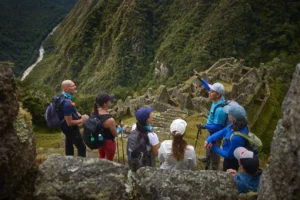
The best 2 day Inca Trail tour suits travelers who want to hike an authentic section of the route without committing to several nights of camping. It typically begins near Kilometer 104, reached by train, and follows an uphill path toward Wiñay Wayna before continuing toward the Sun Gate. The main hiking day is often around 10–12 kilometers, depending on the exact route and access arrangements. Most packages include a hotel night in Aguas Calientes, followed by a guided Machu Picchu visit the next day. Confirm both days’ entry arrangements before paying.
Why the Two-Day Route Is Not an Easy Walk
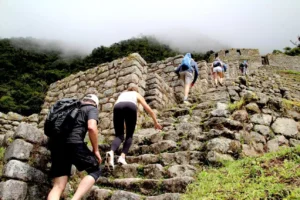
Although shorter than the classic trek, this itinerary still includes substantial climbing, stone steps, and several hours of sustained activity. Warm, humid conditions can increase the effort, particularly for travelers arriving without preparation. The advantage is reduced overall trekking duration and a lower maximum elevation than the classic high pass, not an absence of physical challenge. Choose an operator that provides realistic walking estimates, clear luggage instructions, and enough time for breaks. Travelers with mobility limitations should discuss the actual terrain rather than relying on the label “short.”
Best Short Inca Trail Tour: One Day or Two Days?
The best short Inca Trail tour is usually a two-day package when travelers want a less compressed experience. Some operators advertise a one-day version that combines the hike with tightly scheduled onward arrangements, but this can make for a long and demanding day. Ask exactly how much archaeological-site access is included after the hike and whether a separate visit occurs. A two-day itinerary generally creates more space for recovery and a structured Machu Picchu tour. It is particularly appealing to couples and mixed-interest groups combining trekking with a broader Peru vacation.
Best Inca Trail Tour Companies and Operators
How to Compare the Best Inca Trail Tour Companies
Comparing the best Inca Trail tour companies requires more than looking at review scores. Read recent feedback about communication, guide quality, equipment condition, meal planning, and how problems were handled. Look for consistent patterns rather than isolated praise or complaints. Ask whether the quoted departure is guaranteed, how many travelers are already booked, and whether different groups might be combined. A company that answers practical questions clearly before booking is providing useful evidence of its service approach. Written answers are especially important for dietary requirements, private departures, and equipment inclusions.
Best Inca Trail Tour Operators: Licensing and Direct Operations
The best Inca Trail tour operators should be transparent about the authorized organization responsible for your trek. A travel agency may sell a package fulfilled by a different local operator, which is not necessarily a problem, but the arrangement should be disclosed. Ask for the legal name of the trekking operator and verify its current authorization through relevant official channels where available. Also confirm who employs the guides and porters, manages permits, and handles emergencies. Direct operation can simplify communication, while a reputable intermediary may add useful international booking support.
Companies to Include in Your Research
Names travelers may encounter when researching guided Inca Trail packages include Alpaca Expeditions, Llama Path, Peru Treks, and regional specialists such as Amazonas Explorer. Treat these as starting points for comparison, not a definitive ranking or confirmation of current availability, licensing, or service quality. Their products, inclusions, and departure styles can differ. Obtain current quotes for equivalent dates and routes, then evaluate the operator actually delivering the trip. This approach is more reliable than selecting a company solely because it appears on a “best tours” list.
Porter Welfare and Responsible Trekking
Porter welfare should be a central booking criterion, not an optional extra. Ask about pay practices, load controls, protective clothing, sleeping arrangements, food, insurance, and transport for staff. Request specific explanations rather than accepting a general statement about ethical tourism. The operator should also describe waste management, campsite hygiene, and how it minimizes damage to the trail. Responsible service includes realistic staffing levels and safe working conditions throughout the departure. Travelers can support these standards by respecting baggage limits and remembering that tips do not replace an employer’s responsibility to provide fair conditions.
Best Inca Trail Tour Group: Shared or Private?
Small-Group Inca Trail Tours
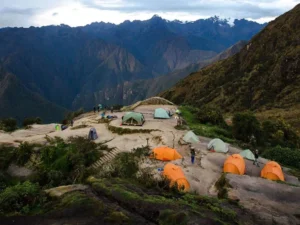
The best Inca Trail tour group is one whose size and expectations suit your preferred experience. Shared departures can be sociable and more affordable because travelers split guiding, transport, and camp-support costs. However, a small advertised group is only helpful if staffing and pacing are appropriate. Ask how guides manage different walking speeds, whether an assistant accompanies slower hikers, and how much free time is available at archaeological sites. Solo travelers should also confirm tent-sharing policies, single supplements, and whether the operator can accommodate privacy preferences without unexpected charges.
Private Inca Trail Tours
Private tours work particularly well for families, photographers, established friendship groups, and travelers who want a dedicated guide. They can offer more control over breaks, interpretation, and pre-trek arrangements, but they do not override permit availability or official trail rules. Campsite allocations and Machu Picchu entry conditions still apply. Private departures may cost substantially more for one or two people because support expenses are shared among fewer participants. Their value is strongest when personalized attention and group compatibility matter more than achieving the lowest possible price.
Best Tour Guides for Inca Trail Experiences
Qualifications, Interpretation, and Communication
The best tour guides for Inca Trail experiences combine route knowledge with patient communication and thoughtful cultural interpretation. Ask about relevant credentials, language proficiency, first-aid preparation, and experience leading the specific itinerary you are booking. Excellent guides explain Inca history without presenting every theory as settled fact. They also notice when someone is struggling, encourage appropriate pacing, and create a welcoming atmosphere for different ages and abilities. If photography, archaeology, birdlife, or local culture is a priority, ask whether the operator can match your departure with a guide who has that interest.
Emergency Preparation and Altitude Awareness
A guide’s emergency judgment matters more than entertaining commentary. Ask what first-aid supplies, oxygen equipment, and communication tools the team carries, and how evacuation decisions are made on different trail sections. Mobile coverage is unreliable, and evacuation can be complicated by terrain and weather. Guides should take worsening symptoms seriously rather than encouraging travelers to push through. Supplemental oxygen does not replace descent or appropriate medical care when altitude illness is suspected. Travelers with medical concerns should obtain individualized advice before departure and confirm that their insurance covers the trek’s elevation.
Best Luxury Inca Trail Tours: What Comfort Really Means
Upgraded Camping, Meals, and Personal Service
The best luxury Inca Trail tours improve comfort within the realities of a protected mountain route. Depending on the operator, upgrades may include roomier tents, thicker sleeping mats, higher-quality sleeping bags, more elaborate meals, private toilet facilities where permitted, and additional porter support within applicable limits. Private transfers and upscale hotels before or after the trek can further improve the overall journey. Ask for an itemized description of the camping setup, because “luxury” has no universal standard. Strong guiding and careful logistics should remain priorities even when premium equipment is included.
Who Should Book a Luxury Trek?
A luxury package can suit travelers celebrating a special occasion or those who enjoy hiking but want better recovery between walking days. It does not remove altitude, steep steps, rain, or the effort of carrying a daypack. Nor should travelers assume there are permanent lodges along the classic camping route. Compare the added cost against specific benefits: bedding quality, privacy, meal flexibility, guide attention, and hotel arrangements. If avoiding camping is your main requirement, the short Inca Trail with a quality Aguas Calientes hotel may be a better fit.
Best Machu Picchu Inca Trail Tour Packages
Check the Machu Picchu Visit, Not Just the Trek
The best Machu Picchu Inca Trail tour provides clear information about the archaeological-site visit as well as the hiking route. Reaching Machu Picchu by trail does not mean unrestricted access to every circuit, terrace, or viewpoint. Ask which entry entitlement and circuit are included, how long the guided visit is expected to last, and whether any additional ticket is recommended for your priorities. Huayna Picchu and Machu Picchu Mountain require separate arrangements when available and should never be assumed to be included. Entry rules can change, so reconfirm details before departure.
Build a Better Cusco and Sacred Valley Itinerary
A well-planned package allows time before the trek rather than scheduling strenuous hiking immediately after arrival. Many travelers spend several days in the Cusco region, using gentle sightseeing and rest to adjust, although acclimatization needs vary. The Sacred Valley offers archaeological sites, markets, and accommodation at lower elevations than Cusco, depending on location. Discuss the sequence with your operator so transfers remain practical. After the trek, avoid unnecessarily tight flight connections: train changes, road delays, and fatigue can make a buffer night more valuable than another rushed sightseeing stop.
Inca Trail Permits, Seasons, and Booking Timing
When to Reserve Your Inca Trail Permit
Classic Inca Trail access is controlled through a limited permit system, and availability can disappear well before popular departure dates. Reserve once your plans are firm, especially for dry-season travel or private arrangements. Booking several months ahead is sensible, but no single lead time guarantees availability. Permits are associated with traveler identity, so provide accurate passport information and ask about the procedure if your passport will be renewed. Confirm whether the deposit secures an actual permit or only starts a request. Also review which payments become nonrefundable once permits are issued.
Best Time to Hike the Inca Trail
The drier period, generally from May through September, is popular for trekking, but clear skies are never guaranteed and high camps can be cold. April and October may appeal to travelers seeking transitional-season conditions, with a continuing possibility of rain. Wetter months bring slippery steps and less predictable visibility. The regulated Inca Trail is normally closed during February for maintenance, although Machu Picchu itself generally remains accessible by other arrangements, subject to official notices. Choose dates around your tolerance for rain, cold, and demand rather than expecting a completely weatherproof season.
Inca Trail Tour Costs, Fitness, and Packing
Understanding Inca Trail Tour Prices
Evaluate total trip cost instead of comparing headline prices alone. Packages may differ in sleeping-bag rental, porter-carried baggage, meals outside the trek, hotel category, train service, and transfers. Tips, travel insurance, personal purchases, and optional mountain tickets may require additional budgeting. Ask for a final written quote in a clearly stated currency, including any payment fees. A cheaper departure can still offer good value, but unusually low pricing deserves questions about staffing and inclusions. Likewise, a premium price should correspond to identifiable improvements rather than vague promises of exclusivity.
Training and Acclimatization Before the Trek
Prepare with regular walking, longer hikes, stair climbing, and practice carrying the daypack you will use. Include descents, since prolonged downhill steps can be as tiring as uphill sections. Break in footwear beforehand and test socks to reduce blister problems. Fitness helps with effort but does not guarantee protection from altitude illness. Allow acclimatization time, eat normally, avoid overexertion on arrival, and stay appropriately hydrated without forcing excessive water. Discuss preventive medication with a qualified clinician when relevant, and tell your guide promptly about symptoms that are persistent or worsening.
What to Pack for a Guided Inca Trail Trek
Pack for changing conditions rather than a single weather forecast. Your daypack should hold rain protection, insulation, water, sun protection, personal medication, and items needed before the team reaches camp. Keep essential documents and electronics protected from moisture. Ask your operator about baggage weight limits, sleeping-system temperatures, water treatment, and charging availability before buying extra gear. On the short route, confirm how your overnight luggage reaches the hotel and what you must carry yourself.
- Comfortable hiking shoes or boots with reliable grip.
- Layered clothing, a warm jacket, and waterproof outerwear.
- Sun hat, sunscreen, and sunglasses.
- Refillable water containers and personal snacks.
- Headlamp, spare power, and a basic blister kit.
- Required passport and trekking poles with appropriate tips.
Final Verdict: Which Is the Best Inca Trail Tour?
For the full camping adventure, choose a well-supported classic four-day trek. For limited time and a hotel-based overnight, the two-day route is often the strongest match. Private and luxury departures make sense when personalized service, privacy, or improved camp comfort justify the additional cost.
Ultimately, the best Inca Trail tour combines a suitable itinerary with excellent guides, transparent inclusions, responsible porter treatment, and confirmed entry arrangements. Compare equivalent packages, prepare for the terrain and altitude, and prioritize trustworthy operations over dramatic marketing. That is the foundation of a rewarding journey to Machu Picchu.