The Inca Trail cost is one of the most important considerations when planning a trek to Machu Picchu. Although advertised package prices provide a useful starting point, your final budget also depends on the route, operator, group size, equipment, transport, and services included. Two apparently similar tours can have very different total costs once you add sleeping bags, porter support, meals, tips, and hotel nights.
For planning purposes, expect a standard four-day group trek to cost approximately US$700–$1,300 per person, with premium and private departures costing more. This guide groups the main Inca Trail price questions by route, package type, inclusions, and additional expenses so you can compare quotes confidently.
All prices below are indicative planning ranges in US dollars, not live quotes or official tariffs. Confirm current availability, inclusions, exchange rates, and booking conditions directly with licensed operators before paying.
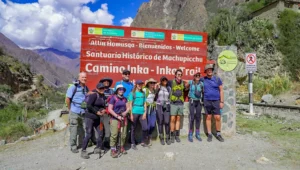
Inca Trail Cost Overview: How Much Should You Budget?
Average Inca Trail Price Per Person
The average Inca Trail tour price varies primarily with trek length and service level. Shared group departures generally offer the lowest per-person rates because travelers split guide, kitchen, transport, and campsite logistics. Private treks cost more because fewer participants cover those fixed expenses. A higher price may also include better equipment, smaller groups, additional porter support, or upgraded trains, but these benefits should appear explicitly in the itinerary.
| Inca Trail Package | Indicative Price Per Person | Typical Positioning |
|---|---|---|
| Classic four-day group trek | $700–$1,300 | Standard guided camping experience |
| Premium four-day group trek | $1,200–$2,000+ | Smaller groups or upgraded services |
| Private four-day trek | $1,500–$3,000+ | Dedicated guide and support team |
| Short two-day Inca Trail | $450–$800 | Shorter hike with hotel accommodation |
| Five-day Inca Trail | $1,000–$1,800+ | More time on the classic route |
Total Inca Trail Budget Versus Advertised Tour Price
Your complete Inca Trail budget should include more than the trek itself. Most travelers need accommodation and meals in Cusco before departure, transport to the region, suitable clothing, and insurance covering the itinerary’s elevation. Equipment rentals, tips, and post-trek hotel nights may add several hundred dollars. Separate the operator’s package price from your wider Peru travel budget to avoid underestimating what the trip will actually cost.
Inca Trail Price by Route and Duration
4-Day Inca Trail Cost
The 4-day Inca Trail cost usually falls between $700 and $1,300 per person for a shared departure. This classic itinerary combines archaeological sites, mountain passes, and three nights of camping before reaching Machu Picchu. Most packages include guiding, trekking permits, campsite equipment, trail meals, and substantial transport arrangements. However, personal porter allowances, sleeping equipment, and the return train category differ between operators and can materially change the overall value.
What Makes the Classic Trek More Expensive?
The classic route requires a coordinated support team rather than simply a guide and transport ticket. Porters carry shared equipment, cooks prepare meals, and operators organize regulated access and campsite logistics. These operational requirements explain why the Inca Trail typically costs more than an independent hiking holiday. When evaluating the price, consider the staffing and infrastructure behind the experience, not only the number of hiking days.
2-Day Inca Trail Cost
The 2-day Inca Trail cost commonly ranges from $450 to $800 per person. This shorter itinerary usually involves access by train, a substantial first-day hike through archaeological sites, an overnight stay in Aguas Calientes, and a Machu Picchu visit. It is not necessarily half the price of the four-day trek because permits, trains, guides, and accommodation remain significant expenses despite the shorter walking itinerary.
Short Inca Trail Price and Hotel Standards
Hotel quality is an important variable when comparing short Inca Trail packages. An entry-level quote may include a basic room, while a higher-priced package may offer a better-located property or upgraded accommodation. Confirm whether the price assumes two people sharing, whether breakfast is included, and whether solo travelers pay a supplement. Also check the train category and the precise Machu Picchu access included on each day.
5-Day Inca Trail Cost
The 5-day Inca Trail price often starts around $1,000 and can exceed $1,800 per person, particularly for smaller or private groups. These itineraries generally distribute the walking over more time, although the exact schedule varies. The additional day increases staffing, food, and logistical costs. A slower itinerary can improve comfort, but it does not remove the challenges of altitude, uneven stone steps, or sustained hiking.
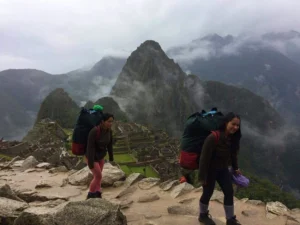
What Is Included in the Inca Trail Tour Price?
Permits, Trail Access, and Machu Picchu Admission
A legitimate Inca Trail package should identify the required trail authorization and explain the Machu Picchu admission arrangements attached to the itinerary. Access is controlled, and travelers cannot undertake the official trek independently without an authorized operator. Do not assume that included Machu Picchu access covers every circuit or optional mountain hike. Ask for the specific visit schedule, route, and any separately ticketed experiences before booking.
Professional Guides, Cooks, and Support Staff
Standard camping packages normally include professional guiding and a support crew responsible for meals and shared equipment. Staffing levels influence both the price and the experience: larger groups may need additional guides, while premium operators may allocate more support staff. Ask about guide qualifications, communication equipment, first-aid training, and emergency procedures. A clear explanation of these services is more useful than a vague promise of an “all-inclusive” adventure.
Camping Equipment and Trail Meals
Shared tents, cooking equipment, dining arrangements, and most meals during the camping portion are commonly included. Sleeping bags and personal sleeping mats may be included, optional, or available in different quality categories. Meal coverage also varies at the beginning and end of the itinerary. Travelers with allergies or dietary restrictions should obtain written confirmation that their needs can be accommodated and ask whether any additional charge applies.
Transfers and Return Transport
Many classic packages include transport from Cusco or the Sacred Valley to the trailhead, followed by a return train from Aguas Calientes and a connecting road transfer. Nevertheless, the final drop-off point may not be your hotel. Check departure locations, train times, luggage arrangements, and transfer coverage carefully. A cheaper package with limited transfers or an inconvenient return schedule may create extra accommodation or transport expenses.
Inca Trail Permit Cost and Booking Rules
Can You Buy an Inca Trail Permit Separately?
Travelers generally secure their Inca Trail permits through an authorized tour operator as part of an organized trek. Unlike an ordinary attraction ticket, the permit is tied to regulated trail access and operator arrangements. Comparing a quoted permit component with a complete tour price can therefore be misleading. Your package also pays for guides, support staff, transport, food, equipment, administration, and the logistics needed to deliver the itinerary.
Why Permit Availability Affects Your Options
Daily trail access is limited, and the overall allocation includes support personnel as well as travelers. Popular departures can sell out well before travel, especially during the busiest trekking months. Limited availability may leave only more expensive operators, private departures, or alternative dates. This does not automatically mean the official permit charge has increased; it often means that the lower-priced packages you preferred are no longer available.
Passport Details and Permit Changes
Provide passport information exactly as requested by the operator because permit records are linked to traveler identity. Changes, transfers, and cancellations can be restricted, and a replacement passport may require additional documentation. Before paying a deposit, explain any planned passport renewal and request the operator’s written procedure. A cheap booking becomes expensive if incorrect details prevent travel or require arrangements that cannot be amended.
Additional Inca Trail Costs to Include
Sleeping Bag, Mat, and Trekking Pole Rentals
If personal equipment is excluded, allow approximately $20–$40 for a sleeping bag and $10–$25 for trekking poles for the trek. Upgraded sleeping mats may cost extra. Rental rates and equipment quality vary, so ask about temperature ratings, cleaning, condition, and availability. Renting can be economical for occasional hikers, but travelers who already own suitable equipment may prefer to bring it and avoid uncertainty.
Personal Porter Cost and Duffel Allowance
Some operators include a limited personal porter allowance, while others charge separately. Where excluded, additional carrying support can cost roughly $80–$180 or more, depending on the package and permitted weight. Confirm whether the allowance includes your sleeping bag and mat, since these can consume much of the available capacity. You will still normally carry a daypack containing water, rainwear, valuables, and essentials needed while walking.
Inca Trail Tipping Budget
Tips are generally separate from the advertised Inca Trail price. For a four-day trek, a planning allowance of approximately $80–$150 per traveler can be useful, although expectations vary by group size, staffing, and operator guidance. Ask how tips are collected and distributed among porters, cooks, and guides. Tips should recognize service rather than substitute for fair wages, proper equipment, and responsible employment practices.
Travel Insurance for the Inca Trail
Insurance pricing depends on your age, residence, trip length, and chosen coverage, so there is no reliable universal Inca Trail insurance cost. The key issue is suitability: the classic route climbs above 4,200 meters, and some standard policies exclude trekking at that elevation. Check medical treatment, evacuation, cancellation, interruption, and activity exclusions. Do not assume that a policy marketed for general travel automatically covers this itinerary.
Flights, Cusco Hotels, and Acclimatization
International flights and domestic transport to Cusco are usually outside the trek price. Budget for several nights before departure to allow a more gradual adjustment to altitude, plus accommodation after returning if needed. As broad planning figures, budget lodging may cost $25–$60 per room nightly, while midrange hotels can run $70–$150 or more. Room sharing, season, location, and hotel standards all affect your actual expenditure.
Small Expenses That Add Up
Snacks, restaurant meals, luggage storage, laundry, local taxis, and payment fees can noticeably increase your final bill. Most operators provide drinking water according to a specified schedule, but you should confirm when that service begins. Keep a modest contingency fund for practical expenses and delays rather than allocating every dollar to the package. This is especially important when connecting flights or separate hotel bookings have restrictive change policies.
- Check whether your first breakfast and final lunch are included.
- Confirm luggage storage arrangements for belongings not taken trekking.
- Ask about card-processing charges and foreign-exchange costs.
- Budget separately for optional train or hotel upgrades.
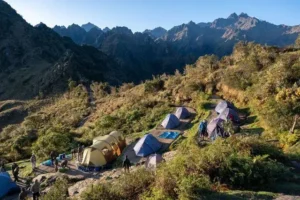
Budget, Midrange, Private, and Luxury Inca Trail Tours
Cheap Inca Trail Tours: Where Savings Come From
Cheap Inca Trail tours may reduce costs through larger groups, simpler equipment, standard trains, and fewer included extras. Those trade-offs are not automatically problematic if they are clearly disclosed and operational standards remain strong. However, an unusually low quote deserves careful scrutiny. Verify permits, staffing, meals, return transport, and porter policies before deciding that one package is genuinely cheaper than another.
Midrange Packages and Overall Value
Midrange packages often provide the most practical balance between affordability and comfort. A well-specified tour may include personal porter support, reliable tents, good meals, and clearly organized transfers without expensive upgrades. Focus on services that affect your daily experience rather than promotional labels. A slightly higher upfront price can represent better value when it eliminates equipment charges, transport gaps, or unexpected porter fees.
Private Inca Trail Cost
The private Inca Trail cost depends heavily on participant numbers. A couple hiring a dedicated team generally pays much more per person than a larger family sharing the same core logistics. Private service can provide greater control over group composition and guide attention, but it does not override permit requirements, official routes, or campsite rules. Request quotes for your exact party size instead of relying on advertised starting prices.
Luxury Inca Trail Price
Luxury Inca Trail tours may cost $2,000–$4,000 or more per person when combined with premium accommodation, private transfers, upgraded trains, and enhanced camping service. The word “luxury” has no universal package definition, so ask for an itemized description. Even expensive departures involve challenging terrain, variable weather, and basic trail infrastructure. Added comfort improves logistics and recovery but cannot turn the trek into a conventional hotel-based holiday.
How Season and Booking Timing Affect Inca Trail Prices
Dry-Season Demand and Peak Travel Costs
The drier months, broadly May through September, are popular for trekking, although conditions remain unpredictable. Strong demand can reduce package choice and increase associated hotel and airfare costs. The official access charge is not necessarily what drives a higher total budget during these periods. Often, the greater expense comes from limited availability, preferred departure dates, and premium services being the only remaining options.
Rainy Season and February Closure
Wetter-season departures may offer different scenery and potentially lower surrounding travel costs, but rain can affect comfort and logistics. The classic Inca Trail normally closes during February for maintenance. Confirm current closure notices and the operating status of any short-route itinerary directly with the operator. Do not assume a discounted rainy-season package offers the same conditions or flexibility as a departure during a drier month.
How Far in Advance Should You Book?
For popular dates, begin researching six to nine months ahead, and consider earlier planning if your schedule is inflexible. This is a practical recommendation rather than an availability guarantee: some departures sell out sooner, while others remain open later. Confirm your permit-backed trek before purchasing restrictive flights where possible. Last-minute booking can occasionally work, but it is not a dependable strategy for finding a cheap Inca Trail price.
Sample Inca Trail Budgets Per Person
Budget-Conscious Classic Trek Example
A traveler choosing a lower-priced shared departure might pay $750 for the package and approximately $350 for basic surrounding expenses. The example below assumes personal porter support is included and accommodation costs are shared where relevant. It excludes flights, insurance, major equipment purchases, and a substantial emergency reserve. Treat it as a calculation model rather than a minimum price available on every departure.
- Four-day group trek: $750
- Equipment rentals: $45
- Tips: $100
- Cusco accommodation: $120
- Meals and local transport: $85
- Illustrative subtotal: $1,100
Comfort-Focused Classic Trek Example
A comfort-focused traveler might choose a more inclusive operator, better Cusco accommodation, and selected transport upgrades. These choices can bring the local trip budget close to $1,900 before flights and insurance. The benefit should be identifiable improvements rather than simply a higher advertised tier. Compare each upgrade against what you value most, such as carrying less weight, sleeping more comfortably, or having convenient return arrangements.
- Four-day group trek: $1,150
- Rentals or equipment upgrades: $60
- Tips: $130
- Cusco accommodation: $300
- Meals and local transport: $150
- Optional transport upgrade: $100
- Illustrative subtotal: $1,890
How to Compare Inca Trail Prices and Save Responsibly
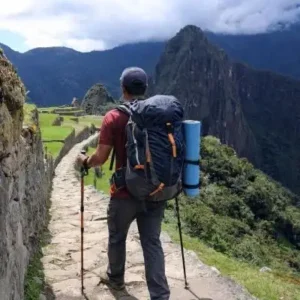
Request Itemized Quotes From Licensed Operators
The best way to compare Inca Trail prices is to request quotes for the same route, departure date, group arrangement, and accommodation standard. Ask each operator to identify exclusions alongside inclusions. A package priced $100 higher may still be cheaper overall if it includes porter support and rental equipment. Written details also reduce misunderstandings about train classes, pickup points, meal coverage, and Machu Picchu access.
Essential Questions Before Paying a Deposit
A booking checklist makes competing offers easier to assess and highlights vague promises. Pay particular attention to cancellation terms because permit-related expenses may be nonrefundable even when other services can be changed. Ask what happens if the operator cancels, access is disrupted, or you cannot travel. Insurance may help with some circumstances, but coverage depends on the policy and does not replace clear contractual terms.
- Is the requested departure confirmed with the necessary permit?
- What is the maximum group size and guide-to-traveler arrangement?
- Are personal porter support and sleeping equipment included?
- Which train, transfers, and Machu Picchu visit are covered?
- What are the payment, cancellation, and disruption policies?
Prioritize Porter Welfare and Safety
Responsible savings should never depend on underpaid staff or inadequate equipment. Ask operators about porter pay, carried loads, meals, sleeping arrangements, and insurance. Look for specific, credible answers rather than broad sustainability claims. Likewise, establish what emergency equipment is carried and how evacuation decisions are handled. Ethical operations and sound preparation are important parts of the tour’s value, even when they are less visible than tents or menus.
Reduce Optional Expenses Instead of Essential Services
Joining a shared departure, choosing standard trains, sharing hotel rooms, and bringing suitable equipment you already own can reduce costs without weakening the core trekking experience. Compare direct operator quotes with agency packages, but do not assume either channel is always cheaper. Keep flexibility where practical, and avoid buying unnecessary specialist gear. Comfortable, tested footwear and appropriate layers matter more than assembling an entirely new premium hiking wardrobe.
Inca Trail Cost: Final Planning Advice
The most useful Inca Trail price is the complete amount required for the experience you actually want. Start with approximately $700–$1,300 for a standard four-day group package, then add excluded equipment, tips, accommodation, transport, insurance, and contingency funds. Shorter routes can reduce the total, while private and luxury arrangements increase it substantially.
Before booking, compare itemized offers, verify the operator’s authorization, and confirm current access arrangements. Consult official Peruvian tourism and Machu Picchu information alongside your operator’s written itinerary. The best-value trek is not necessarily the cheapest: it is the one that combines transparent pricing, responsible staffing, appropriate safety procedures, and the services you need to enjoy the journey.