The Inca Trail to Machu Picchu 2 days experience combines an unforgettable Andean hike with a guided visit to Peru’s most famous archaeological site. Often called the Short Inca Trail, this route is ideal for travelers who want to walk an original Inca pathway, explore mountain ruins, and approach Machu Picchu through the Sun Gate without committing to a longer camping trek.
Choosing the right trip involves more than comparing advertised prices. Your experience depends on permit availability, the guide, group size, train arrangements, hotel quality, and the Machu Picchu entry circuit included in your booking. Understanding these details helps you compare similar packages and avoid unexpected expenses.
This guide groups the essential planning topics together: the route and itinerary, two-day Inca Trail prices, tour operators, booking requirements, difficulty, packing, and alternatives. Prices below are broad planning estimates, not live quotations; always confirm current availability, regulations, and inclusions directly with an authorized operator.
Short Inca Trail to Machu Picchu 2 Days: Route and Overview
What Is the Two-Day Inca Trail?
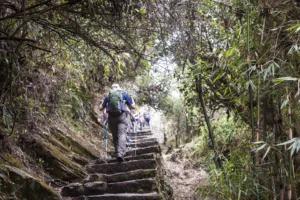
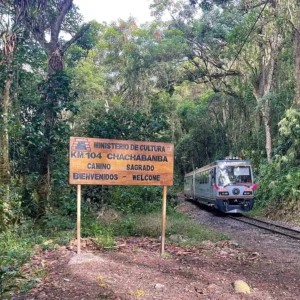
The Short Inca Trail to Machu Picchu 2 days is a guided, permit-controlled journey that usually begins at Kilometer 104 on the railway toward Aguas Calientes. From the checkpoint, hikers climb through mountain forest, visit archaeological sites, and continue toward Inti Punku, the Sun Gate. Most standard packages include one substantial hiking day, a hotel night in Aguas Calientes, and a separate guided Machu Picchu visit the following morning.
Unlike the Classic Inca Trail, this itinerary generally does not involve camping. You carry a daypack rather than equipment for several nights outdoors, making the experience attractive to travelers who prefer hotel accommodation. However, “short” refers to the itinerary’s duration, not an absence of physical effort: the first day includes a sustained ascent and many stone steps.
Distance, Elevation, and Hiking Time
The hiking route is commonly described as approximately 10–12 kilometers, although published distances vary with the endpoint and access arrangements. Allow roughly six to eight hours for walking, archaeological visits, breaks, and photographs. Kilometer 104 sits around 2,100 meters above sea level, while the Sun Gate is approximately 2,700 meters. The route is lower than the high passes of the Classic Inca Trail, but humidity, altitude, and uneven steps still influence its difficulty.
- Typical starting point: Kilometer 104 railway checkpoint.
- Main archaeological stops: Chachabamba and Wiñay Wayna.
- Traditional arrival point: Inti Punku, the Sun Gate.
- Overnight accommodation: A hotel in Aguas Calientes.
- Second-day highlight: A guided visit on the booked Machu Picchu circuit.
Who Should Choose This Trek?
This route suits reasonably active travelers who can manage a full day on uneven terrain and want more historical context than a train-only visit provides. It is particularly appealing to couples, small groups, and families with older children accustomed to hiking. Travelers with significant knee problems, limited walking endurance, or concerns about steep stairways should discuss the route carefully with an operator before booking.
Inca Trail 2 Days Trek to Machu Picchu: Detailed Itinerary
Day 1: Cusco or the Sacred Valley to Kilometer 104
A typical Inca Trail 2 days trek to Machu Picchu begins with an early transfer to the train station, frequently in Ollantaytambo. Your departure time depends on your hotel location and the reserved train service. Staying in the Sacred Valley beforehand may reduce the morning drive, although you must arrange pickup with the operator. Carry your required identification and keep rain protection accessible rather than buried in your bag.
The train journey follows the Urubamba River through the narrowing valley. At Kilometer 104, hikers leave the train and pass through the trail checkpoint. Your guide handles the group’s entry formalities, but the identity details on your reservation must match the document accepted for admission. After a briefing, the walking portion begins near Chachabamba.
Chachabamba and the Climb Toward Wiñay Wayna
Chachabamba introduces the ceremonial and architectural character of the route before the main uphill section. The trail then climbs across exposed slopes and through increasingly lush vegetation, with broad valley views along the way. This is usually the most demanding stretch of the day. Maintain a steady pace, drink regularly, and eat small snacks rather than trying to keep up with faster hikers.
Wiñay Wayna: The Archaeological Highlight
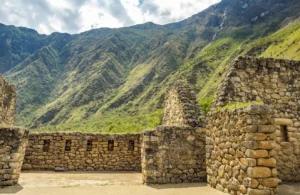
Wiñay Wayna is one of the strongest reasons to choose the Short Inca Trail rather than travel directly to Machu Picchu. Its terraces descend a steep mountainside, while stone buildings and water features demonstrate the Incas’ careful adaptation to the landscape. A knowledgeable guide can explain how agricultural, residential, and ceremonial functions overlapped here. The site deserves unhurried attention, not simply a brief photograph before moving on.
The Sun Gate and First Views of Machu Picchu
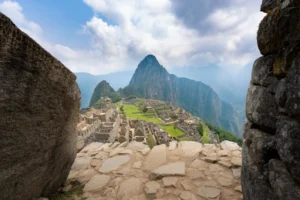
Beyond Wiñay Wayna, the path continues through cloud-forest scenery and includes additional stairways before reaching Inti Punku. In favorable conditions, the Sun Gate reveals the classic distant view of Machu Picchu surrounded by dramatic mountains. Clouds or rain can obscure the panorama, so clear views are never guaranteed. Your first-day access follows the trail’s authorized route and should not be confused with an unrestricted tour of the entire archaeological complex.
Night in Aguas Calientes and Day 2 at Machu Picchu
After completing the permitted arrival route, most groups descend to Aguas Calientes, commonly by shuttle bus when included. The evening usually allows time for dinner, a shower, and preparation for the following morning. Check whether your package includes a private bathroom, breakfast suitable for an early departure, and luggage storage. Hotel category and location can make a noticeable difference to comfort after a long hiking day.
On day two, you return to Machu Picchu for your scheduled entry and guided visit. Access follows the specific circuit or route on your ticket; not every reservation includes the same viewpoints or monuments. Afterward, the usual itinerary returns to Aguas Calientes for the train to Ollantaytambo and onward road transfer. Confirm the expected arrival time before scheduling flights or other commitments that evening.
Inca Trail to Machu Picchu 2 Days Price Guide
How Much Does the Two-Day Inca Trail Cost?
The Inca Trail to Machu Picchu 2 days price varies according to group size, departure date, train category, accommodation, and the operator’s service model. For initial budgeting, many standard shared packages fall broadly around US$500–850 per person. Private departures and upgraded arrangements can cost substantially more. These figures are indicative only and should not be treated as confirmed current offers.
| Package type | Indicative price per person | Typical characteristics |
|---|---|---|
| Budget shared departure | About US$450–650 | Basic hotel, standard trains, shared services; inspect exclusions carefully |
| Standard small-group tour | About US$600–850 | More comprehensive arrangements, with service levels varying by operator |
| Private or upgraded tour | About US$850–1,200+ | Private guiding, higher-category accommodation, upgraded transport, or smaller parties |
The overlap between these bands is intentional: a higher price does not automatically indicate a better hotel, smaller group, or more complete ticket package. A private tour for two travelers may cost considerably more per person than a larger private group. Request itemized quotations for identical travel dates before deciding which offer represents the best value.
What a Complete Package Should Clarify
A clear quotation should identify every essential component rather than rely on the phrase “all-inclusive.” Ask whether the total covers the trail permit, the separate second-day Machu Picchu admission, the guide, transfers, named train services, hotel, meals, and each required shuttle-bus journey. Also confirm payment fees and whether the advertised amount assumes two people sharing a room. Written inclusions are more useful than broad promotional promises.
- Inca Trail permit and required guide services.
- Day-two Machu Picchu ticket with the named circuit or route.
- Outbound and return train category and approximate schedule.
- Hotel name or category, room type, and breakfast arrangements.
- Included meals, drinking water, and shuttle-bus segments.
- Pickup area, return transfer, taxes, and booking charges.
Extra Costs to Include in Your Budget
Common additional expenses include meals not listed in the itinerary, snacks, tips, travel insurance, single-room supplements, and train upgrades. Optional mountain hikes require separate availability and appropriate tickets, and they may not fit your group’s return schedule. Keep some contingency money for disruptions or extra accommodation, especially if you have tightly arranged onward travel. International flights and pre-trek hotel nights are generally outside the package price.
Finding the Cheapest 2 Day Inca Trail Without Sacrificing Reliability
Searching for the cheapest 2 day Inca Trail makes sense when you compare the final payable amount rather than the headline rate. Joining an existing shared departure, choosing standard trains, and avoiding premium hotels can reduce costs. However, regulated permits and core transport expenses limit how inexpensive a legitimate trip can be. Treat an unusually low quotation as a reason to ask more questions, not as automatic evidence of value.
Do not economize on operator authorization, reliable guiding, or transparent admission arrangements. A cheap package can become expensive if it excludes the second-day ticket, necessary bus rides, or the return transfer. Likewise, waiting for last-minute discounts is risky because a reduced tour price does not create additional trail permits once your preferred date is unavailable.
Choosing the Best 2 Day Inca Trail Tour
What Makes a Tour the Best Choice?
The best 2 day Inca Trail tour is the one that matches your pace, priorities, and budget while delivering the promised arrangements. Some travelers value a private guide and extra interpretation; others prefer a sociable small group and straightforward accommodation. Compare the actual daily logistics, including pickup time, maximum group size, hotel location, and return train. These details often matter more than polished marketing photographs.
- Authorization: Confirm that the trail arrangements are handled by an authorized operator.
- Guide quality: Ask about language, experience, and emergency preparation.
- Group management: Check maximum size and support for slower walkers.
- Ticket clarity: Request the exact second-day Machu Picchu circuit.
- Booking protection: Read cancellation, disruption, and refund terms.
Alpaca Expeditions 2 Day Inca Trail: What to Compare
Travelers researching Alpaca Expeditions 2 day Inca Trail should evaluate the company’s current written proposal using the same criteria applied to other established operators. Compare departure availability, guide arrangements, accommodation, meals, trains, and the second-day admission route. A recognizable name can simplify your shortlist, but it does not remove the need to check the particular package offered for your dates.
Ask what happens if train schedules change, whether dietary requirements can be accommodated, and how the company supports hikers who struggle with the ascent. Read recent reviews specifically about its two-day product rather than assuming that reviews of longer camping treks describe the same experience. Current prices, itineraries, and availability must be confirmed directly; they are not independently verified in this guide.
2 Day Inca Trail Reddit: Using Traveler Discussions Wisely
A 2 day Inca Trail Reddit search can reveal practical details that brochures overlook, such as how rushed the first morning felt, whether a hotel was noisy, or how guides handled mixed walking speeds. Discussions can also help you compare the Short Inca Trail with a train-only visit. Look for contributors who clearly state their travel date, operator, and approximate fitness level.
Reddit is best used for firsthand impressions, not as the final authority on permits or admission rules. Older posts may describe different Machu Picchu circuits, prices, or baggage policies. Cross-check any claim about current access with official information or your operator. Repeated, specific observations across several independent accounts are more useful than one dramatic recommendation or complaint.
Permits, Machu Picchu Tickets, and Booking Dates
Do You Need a Permit for the Short Inca Trail?
Yes. The Short Inca Trail requires a permit and must be arranged through an authorized operator; it is not a route you can simply enter independently with a general Machu Picchu ticket. Access is date-specific and subject to capacity controls. Your operator normally requests identification details to secure the reservation, so check spelling, document numbers, and travel dates carefully before payment.
Book as early as practical once your dates are firm, particularly for popular dry-season departures. There is no single advance-booking rule that guarantees availability because demand changes by date. If you plan to renew your passport, ask about the accepted update procedure before reserving. Never assume that permits can be freely transferred to another traveler or moved to another day.
Machu Picchu Circuits and Optional Mountain Hikes
Machu Picchu admission is organized around designated routes and timed entry, making ticket selection a central part of trip planning. Ask the operator to explain what you will see on day one and what your separate day-two ticket permits. Huayna Picchu, Machu Picchu Mountain, and other additional routes are not automatically included. Their availability, physical demands, and timing must be checked before adding them to a two-day itinerary.
Short Inca Trail 2 Days to Machu Picchu 2025: Updating Older Information
If you found this guide through “short Inca Trail 2 days to Machu Picchu 2025,” treat that year as an archived planning reference. A 2025 article can still help explain the landscape and general itinerary, but its prices, ticket categories, and operating details should not be assumed valid for 2026 or later. Request a quotation that explicitly states your intended travel year.
The Inca Trail is normally closed during February for maintenance, although Machu Picchu generally remains accessible through other arrangements. Weather-related restrictions or operational changes can also affect travel outside that month. Confirm the official status for your exact dates rather than relying on an old calendar or an undated booking page.
Difficulty, Altitude, and the Best Time to Hike
How Difficult Is the Short Inca Trail?
The trek is generally considered moderate, but its long uphill section can feel strenuous for someone who rarely exercises. Stone steps, warm conditions, and limited opportunities to shorten the route make preparation important. In the weeks before travel, practice sustained walks, uphill hiking, and stair climbing with a lightly loaded daypack. Comfortable endurance matters more than speed.
Acclimatization also deserves attention because many travelers arrive through Cusco, which is higher than much of the trail. Allow adjustment time where possible, stay hydrated, and avoid overexertion immediately after arrival. Seek medical advice if you have relevant health conditions. Report significant symptoms promptly to your guide rather than assuming that every headache or bout of exhaustion is harmless.
Best Time for the 2 Day Inca Trail
The generally drier period from approximately May through September attracts many hikers, with June through August often particularly busy. April and October can offer appealing conditions, but rainfall remains possible. Wetter-season departures may feature greener scenery and cloudier views, along with slippery steps and increased disruption risk. No month guarantees clear skies at the Sun Gate.
Choose dates according to your tolerance for crowds, rain, and booking constraints rather than expecting a universally perfect month. Rain protection is necessary year-round, and early mornings can feel cool even when the afternoon becomes warm. Before departure, review the forecast with your operator and remain flexible if safety conditions require changes.
Packing and Practical Travel Logistics
What to Pack for Two Days
A compact, comfortable daypack should hold your hiking essentials and whatever overnight items you must carry. Ask whether your operator provides a separate luggage-transfer arrangement; do not assume your bag will be moved to the hotel. Broken-in footwear with good traction is especially important on wet stone. Lightweight layers usually work better than one heavy jacket because conditions change during the climb.
- Required identification and accessible booking details.
- Waterproof jacket or poncho and a pack cover.
- Sun protection, insect repellent, and a warm layer.
- Water, snacks, and any prescribed medication.
- Blister treatment, spare socks, and compact toiletries.
- Phone or camera, power bank, and a small waste bag.
Confirm water availability, walking-pole rules, luggage restrictions, and prohibited items before departure. If poles are permitted, protective rubber tips may be required. Keep your load manageable: unnecessary clothing and large camera equipment can make the ascent noticeably harder. Plan any larger suitcase storage with your Cusco or Sacred Valley hotel in advance.
Trains, Hotels, and Return Connections
Train category influences comfort and price, but the schedule often matters more than upgraded seating. Verify where you board, where the return train ends, and whether the road transfer to your hotel is included. Avoid a same-evening flight from Cusco after the tour; delays can occur, and the return journey is lengthy. An overnight buffer provides a more resilient itinerary.
Alternatives and Final Planning Advice
Short Inca Trail vs. Classic Inca Trail or Train Travel
The Short Inca Trail offers archaeological hiking and the Sun Gate approach without several nights of camping. The Classic Inca Trail provides a longer mountain journey with more demanding elevation changes and outdoor logistics. A train-based Machu Picchu visit minimizes trekking commitments, although walking and stairs remain part of most site visits. Choose according to your available time and realistic physical comfort.
Responsible Hiking and Your Final Booking Checklist
Stay on designated paths, carry out litter, respect archaeological barriers, and avoid disturbing wildlife. Support operators that explain staff working conditions and environmental practices clearly. Before paying, confirm permit availability, the full package price, your hotel, train services, and the exact Machu Picchu ticket. With those essentials settled, the two-day Inca Trail can deliver a rewarding balance of adventure, history, and comfort.