The Inca Trail to Machu Picchu 4 days trek combines mountain scenery, ancient stone pathways, cloud forest and remarkable archaeological sites. Unlike journeys that reach Machu Picchu mainly by train and bus, this route approaches the Inca citadel on foot through the Sun Gate, or Inti Punku. The experience is as much about the journey through the Andes as it is about the destination.
This guide covers the classic four-day route, including hiking distances, a route overview, daily difficulty, typical tour prices, permits, equipment and seasonal considerations. You will also find advice for comparing operators and evaluating Inca Trail 4 days to Machu Picchu 2026 departures. Distances, campsites and schedules are approximate because assigned camps and operating arrangements can vary.
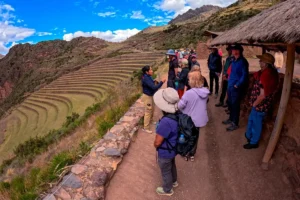
Classic Inca Trail to Machu Picchu: 4 Days at a Glance
What Is the Classic Four-Day Inca Trail?
The classic Inca Trail to Machu Picchu – 4 days is a regulated, guided trek that usually begins at Kilometer 82, near the Urubamba River. Over four days, hikers follow sections of an ancient Andean road network through valleys, high passes and subtropical vegetation. Three nights are normally spent camping, with guides, cooks and porters supporting the expedition. Independent trekking is not permitted on this protected route.
- Duration: Four days and three nights.
- Typical distance: Approximately 42–43 kilometers, or 26–27 miles.
- Highest point: Dead Woman’s Pass, approximately 4,215 meters above sea level.
- Starting point: Usually Kilometer 82 at Piscacucho.
- Finish: Machu Picchu, followed by onward travel through Aguas Calientes.
- Accommodation: Designated campsites along the trail.
- Access: Through an authorized operator with the required permits.
Who Should Choose This Trek?
The Inca Trail hike to Machu Picchu 4 days suits travelers who enjoy sustained walking and want archaeological interest throughout their journey. Previous mountaineering experience is unnecessary, but reasonable fitness, preparation and comfort with basic camping are important. Travelers who strongly prefer private bathrooms, uninterrupted sleep or minimal physical exertion may find a train-based visit more suitable. A shorter Inca Trail itinerary offers another option, although it still involves demanding uphill walking.
Inca Trail to Machu Picchu 4 Days Distance and Route Map
How Long Is the Inca Trail to Machu Picchu?
If you are asking how long is the Inca Trail to Machu Picchu, the classic route is usually described as approximately 42–43 kilometers. That distance is spread over four days, but the walking effort is uneven. Altitude, steep stone steps and long descents make the trek considerably harder than the same distance on flat ground. Published totals differ slightly depending on campsite locations, measurement methods and the endpoint used.
Daily Hiking Distances and Walking Times
The Inca Trail to Machu Picchu 4 days distance breakdown below represents a common itinerary rather than a guaranteed schedule. Operators receive campsite assignments, and some departures distribute the mileage differently. Walking times include a realistic range for varied group speeds, but archaeological stops, weather and trail conditions can extend the day. Always request your operator’s actual itinerary before comparing packages.
| Day | Typical Route | Approximate Distance | Typical Walking Time |
|---|---|---|---|
| 1 | Kilometer 82 to Wayllabamba or nearby camp | 11–12 km | 5–7 hours |
| 2 | Wayllabamba area to Pacaymayo via Dead Woman’s Pass | 10–12 km | 6–8 hours |
| 3 | Pacaymayo to Wiñay Wayna area | 15–16 km | 8–10 hours |
| 4 | Wiñay Wayna area to Machu Picchu | 4–5 km | 2–3 hours before the site visit |
Inca Trail to Machu Picchu 4 Days Map: Route Overview
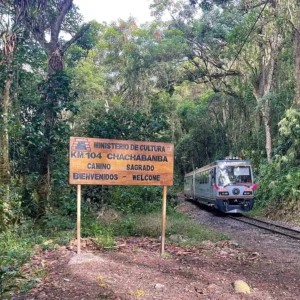
A useful 4 day Inca Trail map should show the major passes, archaeological sites and campsites, not simply the starting and finishing points. The route progresses from a relatively dry river valley into high mountain terrain before descending through cloud forest. The schematic below explains that sequence. It is a planning aid, not a scaled navigation map or a substitute for the route briefing provided by your guide.
Kilometer 82 / Piscacucho → Llactapata viewpoint → Wayllabamba → Dead Woman’s Pass → Pacaymayo → Runkurakay Pass → Sayacmarca → Phuyupatamarca → Wiñay Wayna → Inti Punku / Sun Gate → Machu Picchu
How to Read the Elevation Profile
When reviewing an Inca Trail to Machu Picchu 4 days map, pay particular attention to elevation gain and loss. Kilometer 82 sits at roughly 2,600–2,700 meters, while Dead Woman’s Pass reaches about 4,215 meters. Machu Picchu is much lower, at approximately 2,430 meters. However, the trail does not descend continuously after its highest point: additional climbs and long stairway descents remain.
Inca Trail Trek to Machu Picchu 4 Days 3 Nights: Detailed Itinerary
Day 1: Kilometer 82, Llactapata and the First Campsite
The Inca Trail trek to Machu Picchu 4 days 3 nights normally begins with an early transfer from Cusco or the Sacred Valley. At Kilometer 82, staff check permits and identification before the group crosses the Urubamba River and begins walking. The opening section provides broad valley views and a gradual introduction to the trail, although there are uphill stretches and exposed areas where sunshine can feel intense.
Archaeology and Camp Life
A highlight is the view toward Llactapata, an extensive archaeological complex with agricultural terraces and structures below the trail. Your guide explains how settlements, farming areas and transport routes supported the region. Later, the group climbs toward its assigned campsite, often around Wayllabamba. The first evening introduces the expedition routine: collecting drinking water, organizing your sleeping equipment, eating dinner and preparing a daypack for an early departure.
Day 2: Climbing Dead Woman’s Pass
Day two is commonly the most physically demanding part of the trek. The ascent toward Warmiwañusca, better known as Dead Woman’s Pass, involves sustained uphill walking and many steps. Vegetation changes as the trail climbs above the forest into open highland terrain. A slow, steady pace is more effective than repeatedly rushing and stopping, especially as reduced oxygen availability makes ordinary exertion feel significantly harder.
The Summit and Descent to Pacaymayo
At approximately 4,215 meters, the pass is the highest point on the classic route. Conditions can be cold, windy or wet even when the morning begins clear. After a brief stop, hikers descend steep stone steps toward the Pacaymayo valley. Trekking poles can improve balance and reduce strain, but careful foot placement remains essential. The descent often challenges knees and tired legs as much as the climb challenges breathing.
Day 3: Mountain Passes, Inca Sites and Cloud Forest
Day three often delivers the richest combination of landscapes and archaeology. The trail climbs past Runkurakay and crosses another high pass before continuing toward Sayacmarca and forested pathways. Original stonework, staircases and dramatic mountain views make this section memorable. Although the highest pass is already behind you, the day is long and includes repeated changes in elevation, so it should not be treated as an easy recovery stage.
Phuyupatamarca and Wiñay Wayna
Phuyupatamarca occupies a spectacular mountain setting, with terraces and ceremonial water features that reward a careful guided visit. Farther along, the trail descends toward Wiñay Wayna, whose steep terraces and surviving buildings are among the route’s most impressive sights. Many standard itineraries camp nearby, subject to allocation. Evening routines may include a final group dinner and an opportunity to thank the support team before the last morning.
Day 4: Sun Gate Arrival and Machu Picchu
The final day usually starts very early, with departure procedures shaped by checkpoint hours and operational requirements. Hikers follow the remaining trail toward Inti Punku, the Sun Gate, where Machu Picchu may appear below if visibility allows. This approach is a defining feature of the classic trek. However, sunrise views are not guaranteed: cloud, seasonal sunrise times, queueing and access schedules all influence the experience.
The Guided Visit and Return Journey
After reaching Machu Picchu, your visit follows the route and conditions attached to your admission. Do not assume every circuit, viewpoint or additional mountain hike is included. Afterward, most packages continue by bus to Aguas Calientes, followed by a train journey and road transfer. Return times vary considerably, so avoid scheduling a flight or another time-sensitive commitment immediately after your expected arrival in Cusco.
How Hard Is the Inca Trail to Machu Picchu?
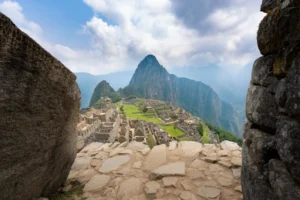
Fitness, Stairs and Consecutive Hiking Days
The answer to how hard is the Inca Trail to Machu Picchu depends on your fitness, altitude response and hiking experience. For many travelers, it is a challenging multiday trek rather than a technical climb. The main difficulties are prolonged uphill walking, uneven surfaces, steep descents and accumulated fatigue. Camping also affects recovery, particularly if you sleep poorly or are unfamiliar with cold nights and shared facilities.
Altitude and Acclimatization
Even fit hikers can develop altitude illness. Spending two or three days acclimatizing before departure is a sensible starting point, but it does not guarantee protection. Keep early activities gentle, eat regularly and avoid excessive alcohol. Some travelers initially stay in the lower Sacred Valley before spending time higher up. Discuss prevention with a qualified clinician if you have relevant medical conditions or questions about altitude medication.
Symptoms That Need Attention
Headache, nausea, dizziness and unusual fatigue can indicate altitude illness and should be reported promptly. Worsening symptoms require reassessment rather than determination to keep climbing. Breathlessness at rest, confusion or loss of coordination can signal a medical emergency requiring urgent descent and assistance. Drink normally, but remember that hydration alone does not prevent altitude illness. A responsible operator should explain communication, first-aid and evacuation procedures before the trek.
How to Train Before Departure
Begin structured preparation around eight to twelve weeks before traveling, adjusting the timeline to your starting fitness. Combine regular aerobic exercise with hill walking, stair climbing and basic leg-strength work. Build toward consecutive hiking days while carrying the daypack you expect to use. Training on descents is especially valuable because the Inca Trail’s stone steps place substantial demands on quadriceps, knees and balance.
- Increase walking duration progressively rather than suddenly.
- Practice in broken-in hiking footwear.
- Include squats, step-ups and controlled step-downs.
- Test trekking poles and rain gear before departure.
- Allow recovery days between harder training sessions.
4 Day Inca Trail Prices: Costs and Package Comparisons
What Does the Four-Day Trek Cost?
For planning purposes, 4 day Inca Trail prices commonly fall around US$800–US$1,500 per person for a shared-group service, although offers outside this range exist. Private departures and higher-comfort arrangements can cost substantially more. These figures are broad budgeting estimates, not verified live 2026 quotations. Group size, train class, equipment, porter support and the operator’s service standards all influence the final amount.
What Is Usually Included?
A typical package includes the trekking permit, specified Machu Picchu admission, guiding, shared camping equipment, trail meals and support staff. Many packages also cover transportation to the trailhead and the return journey, but details vary. Ask whether the Machu Picchu-to-Aguas Calientes bus, drinking-water provision, sleeping mat and personal porter allowance are included. A written inclusion list is more useful than labels such as “standard,” “premium” or “all-inclusive.”
Extra Costs to Check Carefully
Sleeping bags, trekking poles, upgraded mats and additional personal porter services may attract separate charges. Other possible expenses include tips, meals outside the camping itinerary, travel insurance, hotels and train upgrades. Optional mountain admissions at Machu Picchu involve separate availability and may not fit the trek’s arrival schedule. Compare final payable totals rather than headline prices, and obtain clear terms for cancellations, itinerary changes and disrupted transportation.
Choosing an Authorized Inca Trail Tour Operator
Choose an operator authorized to arrange the trek, and ask which company will actually run your departure if you book through an intermediary. Evaluate recent reviews for guide quality, food hygiene, equipment condition and emergency handling. Porter welfare also matters: ask about fair pay, suitable clothing, accommodation and compliance with load limits. The cheapest package is poor value if essential support, safety preparation or staff welfare is compromised.
Inca Trail Permits and Booking for 2026
How the Permit System Works
The classic trail uses a limited, date-specific permit system, and an authorized operator normally handles the reservation. The historically cited daily quota is approximately 500 people, including guides and support staff—not 500 tourist places. Regulations and allocations can change, so confirm current arrangements directly. Reservations are linked to traveler identification, and name changes or transfers are generally restricted. Submit passport information carefully and ask about procedures if you will renew it.
Inca Trail 4 Days to Machu Picchu 2026: Booking Advice
For Inca Trail 4 days to Machu Picchu 2026 travel, request live availability for your exact departure date. An advertised tour does not necessarily mean permits remain available. Popular dates can sell out months in advance, especially during the dry season and holiday periods. As of October 2026, earlier departures are already past; travelers considering the remaining months should check permits, seasonal conditions and transport arrangements promptly.
Inca Trail 4 Days to Machu Picchu 2025: Using Older Information
Results for Inca Trail 4 days to Machu Picchu 2025 can still help with photographs, terrain descriptions and general preparation. However, 2025 is a past travel year, so those pages should not be treated as current booking information. Older prices, admission circuits, train schedules and package inclusions may no longer apply. Use historical reviews to assess consistency while obtaining updated written confirmation of every important arrangement.
Best Time to Hike the Four-Day Inca Trail
Dry Season: Generally May to September
The dry season typically offers a better chance of clearer conditions and less persistent rainfall. It is popular for trekking, but nights can be very cold, particularly at higher camps. June through August also brings strong demand, making early planning important. Dry season does not mean rain-free, and mountain weather can change quickly. Carry waterproof clothing and warm layers regardless of an optimistic forecast.
Shoulder Months, Wet Season and February Closure
April and October can provide a useful balance between greener scenery and periods of favorable weather, although rainfall remains possible. November through March generally brings wetter conditions, muddier sections and more cloud. The classic Inca Trail normally closes throughout February for maintenance and conservation. Machu Picchu itself generally remains accessible through other transport arrangements, subject to operating conditions. Always distinguish trail closure information from archaeological-site opening information.
What to Pack for the Inca Trail 4 Days Trek to Machu Picchu
Clothing, Footwear and Rain Protection
Packing for the Inca Trail 4 days trek to Machu Picchu means preparing for strong sun, cold nights and possible heavy rain within one journey. Use a layered system rather than one bulky garment. Comfortable footwear with dependable grip matters more than buying the heaviest boots available. Keep spare clothing and electronics in waterproof bags, because a backpack cover alone may not stop prolonged rain from reaching your belongings.
- Broken-in hiking boots or supportive trail footwear.
- Moisture-wicking base layers and hiking socks.
- Fleece or similar insulating layer.
- Warm jacket, hat and gloves.
- Waterproof jacket and rain trousers or suitable alternative.
- Sun hat, sunglasses and sunscreen.
Daypack, Sleeping Equipment and Personal Essentials
A comfortable daypack of roughly 20–30 liters suits many hikers when porter support covers their main permitted luggage. Carry essentials you need while walking, including water, rainwear, snacks and medication. Confirm sleeping-bag suitability for expected overnight temperatures and whether a mat is supplied. Passport checks are part of the journey, so keep your required identification accessible and protected from moisture rather than packed away with camp equipment.
- Original passport or officially accepted identification required for your booking.
- Headlamp and spare batteries or charging provision.
- Refillable bottles or a hydration bladder.
- Personal medication, blister supplies and basic toiletries.
- Hand sanitizer and a small rubbish bag.
- Trekking poles with protective rubber tips, subject to current rules.
Food, Water, Toilets and Responsible Trekking
Meals and Drinking Water on the Trail
Supported treks usually provide substantial cooked meals, often including soups, carbohydrates, vegetables and protein. Tell the operator about allergies and dietary restrictions before booking, particularly if cross-contamination is a concern. Ask when treated or boiled drinking water becomes available and how much to bring for the first day. Do not assume streams are safe to drink from, and carry familiar snacks if you need reliable options between meal stops.
Toilets, Hygiene and Environmental Care
Facilities are basic and vary between campsites; some operators provide portable toilets, while others rely more heavily on established facilities. Do not expect dependable hot showers or hotel-level cleanliness. Carry appropriate hygiene supplies and follow your guide’s waste-disposal instructions. Stay on the designated trail, leave archaeological stonework undisturbed and pack out personal rubbish. Small, consistent actions help protect a heavily visited cultural landscape and improve conditions for other trekkers.
Final Planning Checklist for Your Four-Day Inca Trail
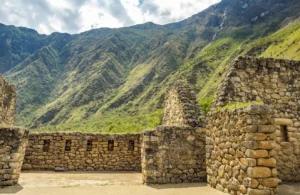
A successful trek begins with realistic expectations: this is a demanding camping journey through a protected archaeological landscape, not simply a long walk to a viewpoint. Prioritize acclimatization, choose an accountable operator and verify exactly what your permit and Machu Picchu admission include. With sensible training and suitable equipment, the four-day itinerary offers a rewarding combination of physical challenge, Andean scenery and Inca history.
- Confirm live permit availability before committing to nonrefundable travel.
- Check passport details, inclusions and cancellation conditions.
- Allow acclimatization time before departure.
- Train for hills, stairs and consecutive walking days.
- Arrange insurance covering your trekking altitude and evacuation needs.
- Keep your post-trek schedule flexible enough for transport delays.