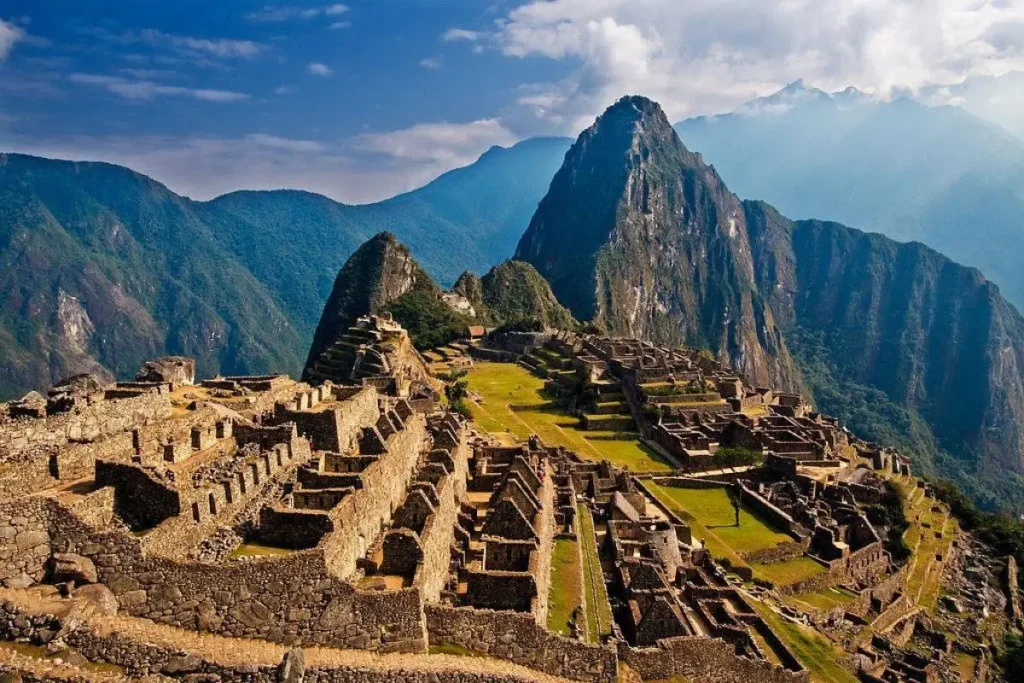
A Machu Picchu vacation combines ancient Inca history, spectacular Andean scenery, colorful mountain towns, scenic train journeys, archaeological exploration and the cultural richness of southern Peru. For many travelers, Machu Picchu is the centerpiece of a larger Peru trip that also includes Cusco, the Sacred Valley, Lima and other destinations.
Planning the trip involves more than simply purchasing an entrance ticket. Travelers need to coordinate transportation, Machu Picchu tickets, train schedules, hotels, guides and the time required to acclimatize to Cusco’s altitude. The official Machu Picchu website provides visitor information and access details, while Peru’s official tourism portal describes the principal routes from Lima and Cusco.
A good Machu Picchu vacation can be designed around different budgets and travel styles. Some visitors make a quick one-day excursion from Cusco, while others spend several days exploring Cusco and the Sacred Valley before staying overnight in Machu Picchu Pueblo. Longer itineraries can combine Machu Picchu with destinations such as the Amazon, Lake Titicaca, Arequipa or the Colca Canyon.
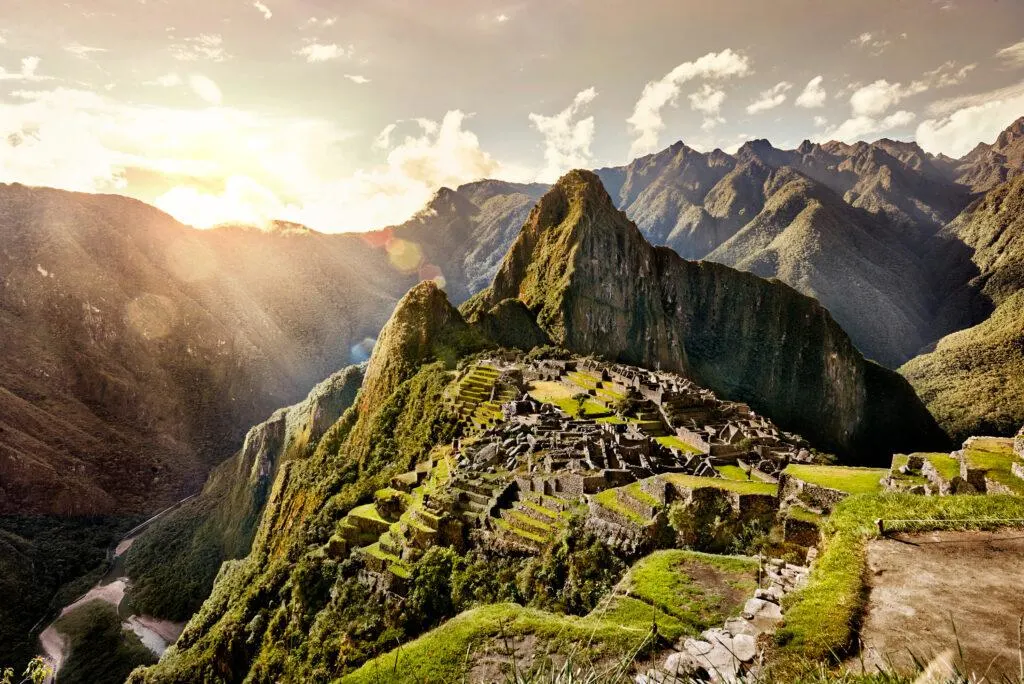
Planning a Machu Picchu Vacation
Planning a Machu Picchu vacation begins by deciding how much time you want to spend in Peru and what kind of experience you want around the archaeological sanctuary. Machu Picchu itself can be visited as part of a day trip, but adding at least one overnight stay allows travelers to experience the journey at a more comfortable pace. For a broader Peru vacation, Cusco and the Sacred Valley provide natural places to build additional days around the Machu Picchu visit.
The most important reservations are usually the Machu Picchu entrance ticket and train transportation. These are separate components: a train ticket does not automatically provide entrance to the archaeological site. The official Machu Picchu platform manages entrance information and visitor access. Current official information also states that the sanctuary uses defined circuits and routes for visitors.
What Is a Machu Picchu Vacation?
A Machu Picchu vacation is a trip centered on visiting the Inca citadel while experiencing the surrounding destinations and landscapes of southern Peru. It can include accommodation in Cusco, excursions through the Sacred Valley, a train journey to Machu Picchu Pueblo, transportation to the archaeological site, a guided visit and additional activities around the region.
Machu Picchu is located within the Historic Sanctuary of Machupicchu, surrounded by steep green mountains and the tropical-Andean environment of the Urubamba Valley. Peru’s official tourism portal describes the site as an important Inka religious, political and administrative center, with agricultural terraces and an urban sector containing structures such as the Temple of the Sun.
The archaeological complex was built around the 15th century and contains agricultural and urban sectors. Its combination of stone architecture, terraces and dramatic mountain surroundings is a major reason that the destination remains one of Peru’s most important cultural attractions.
How Many Days Do You Need?
The ideal length depends on whether Machu Picchu is the only objective or part of a larger Peru vacation.
Possible trip lengths include:
- 1 day: Machu Picchu day trip from Cusco
- 2 days: Cusco or Sacred Valley + overnight in Machu Picchu Pueblo
- 3 days: Cusco + Sacred Valley + Machu Picchu
- 4–5 days: Cusco, Sacred Valley and Machu Picchu at a slower pace
- 7–10+ days: Machu Picchu combined with additional Peru destinations
For travelers arriving internationally, spending additional time in Cusco is particularly useful because the city is at high elevation. A slower itinerary also reduces the pressure of trying to combine transportation, tickets and sightseeing into one extremely long day.
Best Time to Visit
Machu Picchu can be visited throughout the year, but weather patterns influence the experience. The drier months generally offer better odds of clear mountain views, while the wetter months can produce mist, rain and very green vegetation.
The choice should also consider crowd levels, hotel prices and personal tolerance for rain. Rather than looking for one universally “best” month, travelers should choose a period that matches their priorities.
Dry Season
The generally drier period offers:
- Better odds of clear mountain views
- More favorable hiking conditions
- Less frequent rainfall
- Good conditions for photography
However, popular periods can also bring greater demand for tickets, trains and hotels.
Rainy Season
The wetter season can provide:
- Lush green landscapes
- Atmospheric clouds and mist
- Fewer consistently clear days
- Potentially more challenging hiking conditions
Rain does not mean that Machu Picchu cannot be enjoyed. Weather in the mountains can change rapidly, so visitors should always carry appropriate rain protection.
Where to Start Your Trip
For most international travelers, the practical sequence is Lima → Cusco → Sacred Valley → Machu Picchu. Lima is the principal international gateway, while Cusco provides the most common base for reaching the Sacred Valley and Machu Picchu.
Some travelers prefer to stay in the Sacred Valley before visiting Machu Picchu. This can create a gradual transition from Cusco’s high elevation toward the lower elevation of Machu Picchu Pueblo.
Machu Picchu Vacation From Cusco
A Machu Picchu vacation from Cusco is one of the most common ways to organize the trip. Cusco is the historic center of the region and provides access to trains, buses, tours and Sacred Valley excursions.
The journey from Cusco to Machu Picchu is not a single continuous train ride in every itinerary. Travelers often transfer by road from Cusco to a train station such as Ollantaytambo and then continue by rail to Machu Picchu Pueblo.
Getting from Cusco to Machu Picchu
The most common route is:
Cusco → Ollantaytambo → Machu Picchu Pueblo → Machu Picchu
Peru’s official tourism portal describes the route from Cusco toward Ollantaytambo by road and then onward by train to Machupicchu.
Depending on the itinerary and train schedule, travelers may also use multimodal transportation combining road and rail.
Train Options
Several train services operate toward Machu Picchu Pueblo, with differences in comfort, scenery and onboard services.
PeruRail currently lists services including Expedition, Vistadome and Vistadome Observatory, while Inca Rail also operates services on the route. Train travel times depend on the departure station and specific service.
Panoramic services are particularly popular with travelers who want the journey itself to become part of their Machu Picchu vacation.
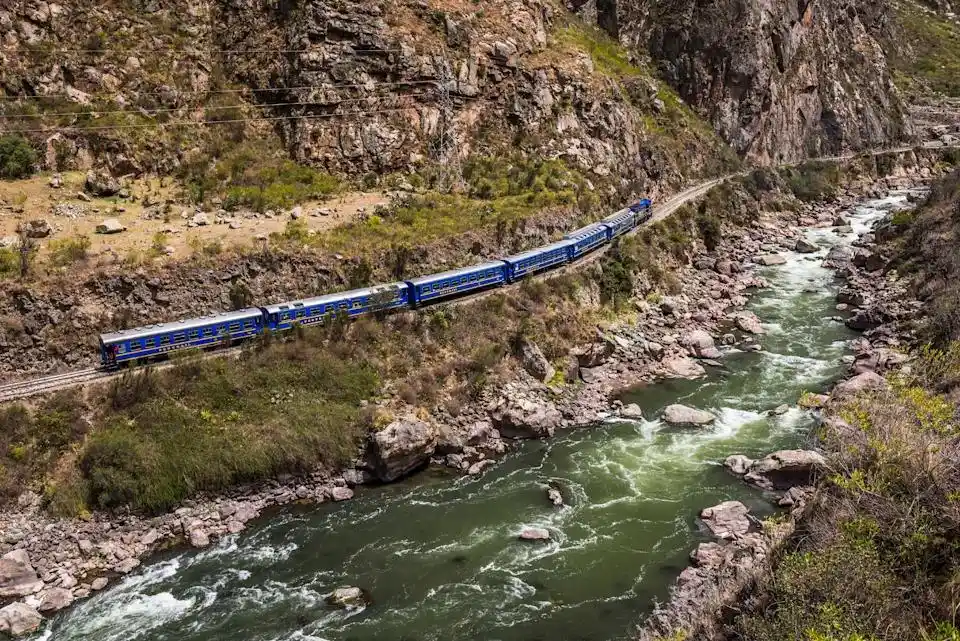
Expedition-Style Trains
Economy-oriented services are designed to provide comfortable transportation while keeping the journey relatively straightforward. They can be practical for travelers who want to dedicate more of their budget to hotels, guides and additional experiences.
Panoramic Trains
Vistadome-style services emphasize the scenery, with larger panoramic windows and additional onboard features. These services can make the journey through the Sacred Valley more visually interesting.
Premium Train Experiences
Higher-end services can add more specialized dining, entertainment or personalized experiences. These can be appropriate for travelers who want the train journey itself to form part of the vacation rather than simply serving as transportation.
Machu Picchu Pueblo
Machu Picchu Pueblo, also known as Aguas Calientes, is the town immediately below the archaeological sanctuary. It serves as the principal gateway for travelers arriving by train.
The town has hotels, restaurants, cafés, shops, transportation services and facilities for visitors. Staying overnight here can make the Machu Picchu experience more relaxed because you do not need to travel all the way back to Cusco immediately after visiting the site.
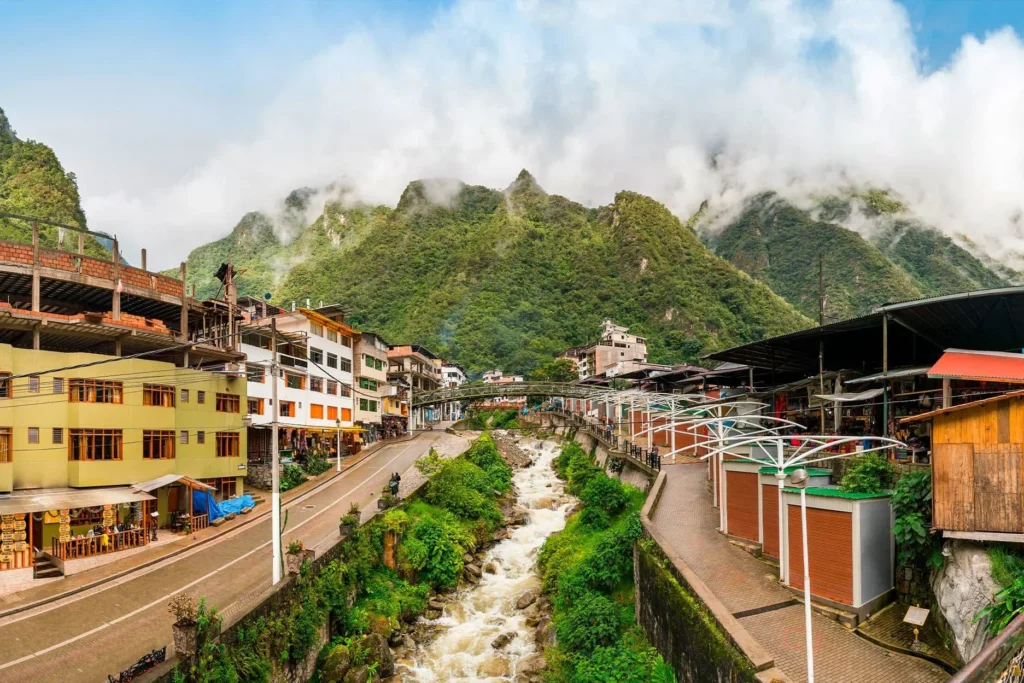
For a two-day Machu Picchu vacation, an overnight stay in Machu Picchu Pueblo is one of the simplest ways to structure the trip.
Bus to the Archaeological Site
After arriving in Machu Picchu Pueblo, visitors generally continue by bus toward the entrance of Machu Picchu. This short but important transfer should be included when planning the day’s schedule.
The bus journey follows a steep mountain road and eliminates the need to climb the entire distance from town to the sanctuary on foot.
Machu Picchu Vacation Packages
Machu Picchu vacation packages combine multiple travel components into one itinerary. Depending on the provider, a package can include transportation, accommodation, entrance tickets, guides and meals.
The main benefit is convenience: instead of arranging every component independently, travelers can have the itinerary coordinated as one trip. However, it is important to read the inclusions carefully because the phrase “Machu Picchu package” can describe very different levels of service.
What Is Included?
A package may contain:
- Machu Picchu entrance ticket
- Train ticket
- Bus transportation
- Hotel accommodation
- Professional guide
- Cusco transfers
- Sacred Valley transportation
- Meals
- Airport transfers
- Private transportation
- Assistance during the trip
Before booking, check whether the listed price includes the entrance ticket and train or whether those components are additional.
Hotels
Accommodation can range from simple hotels and hostels to boutique properties and luxury hotels.
Cusco accommodation is useful for travelers who want to explore the city’s historic center and use it as a base.
Sacred Valley hotels can provide a quieter environment between Cusco and Machu Picchu.
Machu Picchu Pueblo hotels are convenient for visitors who want to stay close to the train station and bus departure area.
Train Tickets
Train tickets are one of the most important components of a package. The departure station, travel time, service category and luggage allowance can differ.
Ollantaytambo is one of the principal departure points for travelers continuing toward Machu Picchu, making it particularly useful when building a Sacred Valley itinerary.
Entrance Tickets
Machu Picchu entrance tickets are separate from train tickets. The official Machu Picchu platform manages visitor information, ticketing and the current circuit and route system.
Travelers should therefore confirm that their package includes the correct Machu Picchu ticket and circuit or route.
Guides
A guided visit can add historical context to the archaeological site. A professional guide can explain the city’s architecture, terraces, temples, ceremonial spaces and relationship with the surrounding mountains.
For travelers interested in archaeology and Inca history, the guide can transform the visit from simply looking at ruins into a more meaningful interpretation of the site.
Transportation
Transportation can include:
- Airport transfers
- Cusco hotel transfers
- Cusco–Sacred Valley transportation
- Transfer to Ollantaytambo
- Train tickets
- Machu Picchu bus transportation
- Return transportation to Cusco
Meals
Meals vary greatly between packages. Some include only breakfast, while others include lunches and dinners during excursions.
Always check whether meals are included on travel days and whether dietary requirements can be accommodated.
All-Inclusive Machu Picchu Vacation Packages
An all-inclusive Machu Picchu vacation package attempts to combine most major travel expenses into a single booking.
However, “all-inclusive” does not have one universal definition in Peru travel. One operator may include hotels, trains, entrance tickets, guides and meals, while another may use the term for a package containing only transportation and accommodation.
What All-Inclusive Means
A genuinely comprehensive package should clearly explain each component rather than simply advertise a single total price.
Ideally, the itinerary should identify:
- Hotels
- Train services
- Entrance tickets
- Guides
- Transfers
- Meals
- Bus transportation
- Airport transfers
What Is Normally Included
A comprehensive package can include airport pickup, accommodation in Cusco, Sacred Valley transportation, Machu Picchu tickets, train tickets, guides and transportation back to Cusco.
The exact combination depends on the operator and itinerary.
What May Cost Extra
Potential additional expenses include:
- International flights
- Domestic flights
- Travel insurance
- Alcoholic beverages
- Optional excursions
- Spa services
- Tips
- Personal purchases
- Additional hotel nights
- Upgraded train categories
- Optional mountain tickets when available
Always request a detailed list of inclusions before comparing package prices.
Machu Picchu Vacation Itinerary
The ideal Machu Picchu vacation itinerary depends on how much time you have and whether you want to explore only Machu Picchu or combine it with Cusco and the Sacred Valley.
1-Day Machu Picchu Itinerary
A one-day trip is possible but requires careful coordination.
A typical schedule could involve:
Early morning: Depart Cusco.
Morning: Travel toward Ollantaytambo or another train departure point.
Late morning or midday: Train to Machu Picchu Pueblo.
Afternoon: Bus to Machu Picchu and guided visit.
Later afternoon: Return to Machu Picchu Pueblo.
Evening: Train and road transportation back toward Cusco.
The main disadvantage is that the day becomes long and leaves little flexibility for transportation delays.
2-Day Machu Picchu Itinerary
A two-day itinerary offers a more relaxed structure.
Day 1
- Cusco or Sacred Valley
- Transfer to train station
- Scenic train to Machu Picchu Pueblo
- Hotel check-in
- Explore the town
- Dinner and overnight stay
Day 2
- Breakfast
- Bus to Machu Picchu
- Guided archaeological visit
- Return to Machu Picchu Pueblo
- Lunch
- Train toward the Sacred Valley or Cusco
- Transfer to hotel
This itinerary is particularly useful for travelers who want to avoid rushing the archaeological visit.
3-Day Machu Picchu Itinerary
Three days allows additional time for Cusco or the Sacred Valley.
Day 1: Cusco
Explore:
- Plaza de Armas
- Cusco Cathedral
- Qorikancha
- San Blas
- Historic streets
Day 2: Sacred Valley and Machu Picchu Pueblo
Travel through the Sacred Valley and continue by train to Machu Picchu Pueblo.
Day 3: Machu Picchu
Visit Machu Picchu in the morning, return to Machu Picchu Pueblo and travel back toward Cusco.
This structure provides a better balance between sightseeing and transportation.
Longer Peru and Machu Picchu Vacation
A longer Peru and Machu Picchu vacation can incorporate several regions of the country.
A possible 10-day itinerary could include:
Days 1–2: Lima
Days 3–4: Cusco
Day 5: Sacred Valley
Day 6: Machu Picchu Pueblo
Day 7: Machu Picchu
Days 8–9: Additional Cusco activities
Day 10: Return to Lima
Travelers with more time can add the Amazon, Lake Titicaca, Arequipa or the Colca Canyon.
How Much Does a Machu Picchu Vacation Cost?
The cost of a Machu Picchu vacation varies considerably. There is no single price because transportation, hotels, train categories, guides and the length of the trip all influence the final amount.
Instead of focusing only on the advertised package price, calculate the complete trip.
Budget Vacation
A budget Machu Picchu vacation typically emphasizes:
- Simple hotels
- Economy train service
- Shared transportation
- Basic meals
- Group tours
- Fewer optional activities
The largest savings often come from accommodation and transportation choices rather than skipping essential components.
Mid-Range Vacation
A mid-range vacation may include:
- Comfortable three- or four-star hotels
- Standard or panoramic train service
- Private or small-group transfers
- Professional guides
- Better restaurant choices
- Additional Sacred Valley activities
This category works well for travelers who want comfort without building the entire trip around luxury services.
Luxury Vacation
Luxury Machu Picchu vacations can include:
- High-end hotels
- Premium train experiences
- Private guides
- Private vehicles
- Personalized itineraries
- Fine dining
- Luxury properties in Cusco or the Sacred Valley
- High-touch concierge services
The price can increase substantially depending on the hotel and transportation category.
Train Costs
Train prices vary according to route, date, operator and service level. Travelers should compare the complete fare rather than only the advertised base price.
Entrance Tickets
The Machu Picchu entrance ticket is a separate expense from the train. The official government platform manages entrance information and the current visitor system.
Hotels
Hotel costs depend heavily on location and category. Cusco offers a wide spectrum of accommodation, while Machu Picchu Pueblo also ranges from simple lodging to luxury properties.
Guides
Guide fees depend on whether the service is private or shared and on the itinerary.
Transportation
Transportation can include several separate stages:
Airport → hotel → Sacred Valley → train station → Machu Picchu Pueblo → Machu Picchu → train → Cusco
A package that coordinates all these stages can be more convenient than booking every transfer independently.
Machu Picchu Vacation Packages With Airfare
Packages that include airfare and Machu Picchu can simplify international and domestic travel planning.
For international visitors, the journey often begins with an international flight into Lima followed by a domestic flight to Cusco.
Flights to Lima
Lima is Peru’s primary international aviation gateway. Travelers arriving from North America, Europe and other parts of Latin America often connect through Lima before continuing to Cusco.
When comparing airfare packages, check whether international flights, baggage allowances and airport transfers are included.
Flights to Cusco
The Lima–Cusco flight is one of the most useful domestic connections for a Machu Picchu vacation.
The flight is considerably faster than traveling overland and allows visitors to dedicate more time to Cusco and Machu Picchu.
Ground Transportation to Machu Picchu
After reaching Cusco, travelers normally continue by road and rail.
A common sequence is:
Cusco → Sacred Valley/Ollantaytambo → Train → Machu Picchu Pueblo → Bus → Machu Picchu
Peru’s official tourism information presents this road-and-rail combination as a principal access route.
Packages Including Flights
A package including flights can contain:
- International airfare
- Lima hotel
- Lima airport transfer
- Lima–Cusco flight
- Cusco hotel
- Sacred Valley excursion
- Train to Machu Picchu
- Machu Picchu entrance
- Machu Picchu guide
- Return transportation
- Cusco–Lima flight
When evaluating such packages, verify the airline, baggage allowance, flight times and cancellation conditions.
Machu Picchu Tours From Cusco
Machu Picchu tours from Cusco are available in several formats, from quick day trips to multi-day experiences.
The right format depends on whether you want to maximize sightseeing time, minimize hotel changes or explore the Sacred Valley along the way.
Day Trips
A Machu Picchu day trip from Cusco is designed for travelers with limited time.
The itinerary normally starts very early because travelers must coordinate road transportation, train schedules, Machu Picchu entrance times and the return journey.
The advantage is efficiency. The disadvantage is that it creates a long travel day with limited flexibility.
2-Day Tours
Two-day Machu Picchu tours provide a more comfortable rhythm.
The first day can focus on travel to Machu Picchu Pueblo and the second on Machu Picchu itself.
This structure allows travelers to sleep near the archaeological site instead of returning to Cusco immediately after the visit.
Multi-Day Tours
Multi-day tours can include:
- Cusco
- Sacred Valley
- Machu Picchu
- Inca Trail
- Salkantay Trek
- Additional archaeological sites
- Local communities
- Adventure activities
They are especially useful for travelers who want Machu Picchu to form part of a broader Peruvian cultural experience.
Peru Machu Picchu Vacation
A Peru Machu Picchu vacation can be much more than a trip to one archaeological site. Machu Picchu fits naturally into a larger journey through the Andes, where each destination provides a different perspective on Peruvian history, landscapes and culture.
Cusco
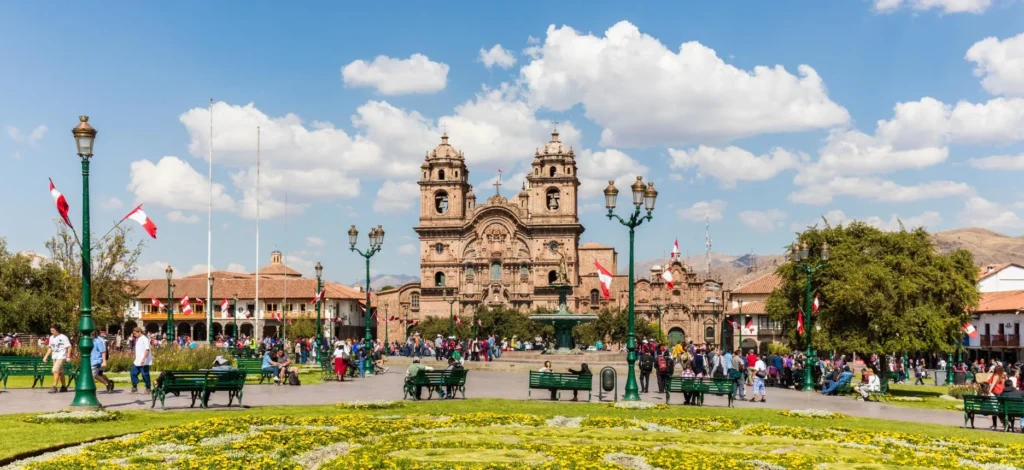
Cusco is one of the most important stops on a Machu Picchu vacation. Its historic center combines Spanish colonial architecture with surviving Inca foundations, while surrounding archaeological sites provide additional opportunities to understand the region’s history.
Popular places include:
- Plaza de Armas
- Qorikancha
- Sacsayhuamán
- San Blas
- Q’enqo
- Tambomachay
- Puka Pukara
Cusco is also a practical base for organizing excursions and preparing for the journey toward Machu Picchu.
Sacred Valley
The Sacred Valley of the Incas provides a natural transition between Cusco and Machu Picchu.
Important destinations include:
- Pisac
- Urubamba
- Ollantaytambo
- Chinchero
- Maras
- Moray
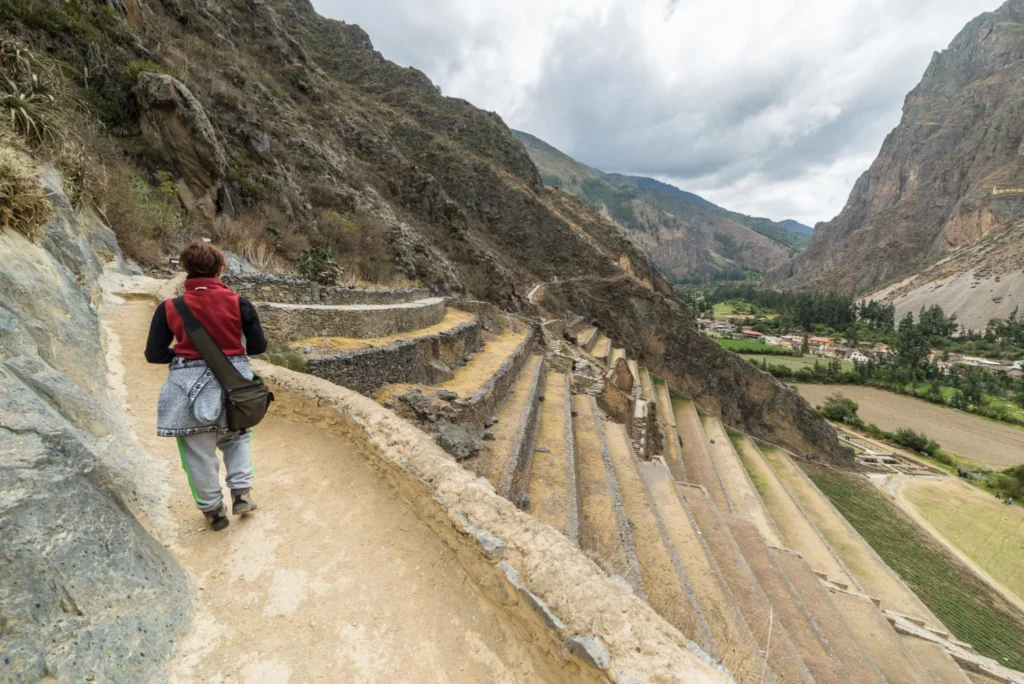
Ollantaytambo is particularly important for Machu Picchu travelers because it is a major railway departure point.
Machu Picchu
Machu Picchu is the central attraction of the journey. Its combination of architecture, terraces, mountains and surrounding cloud forest creates an experience that is fundamentally different from visiting an isolated archaeological museum.
Visitors should remember that access is controlled by circuits and scheduled admission, so the experience depends partly on the ticket type selected. The official ticket and visitor information should be checked before travel.
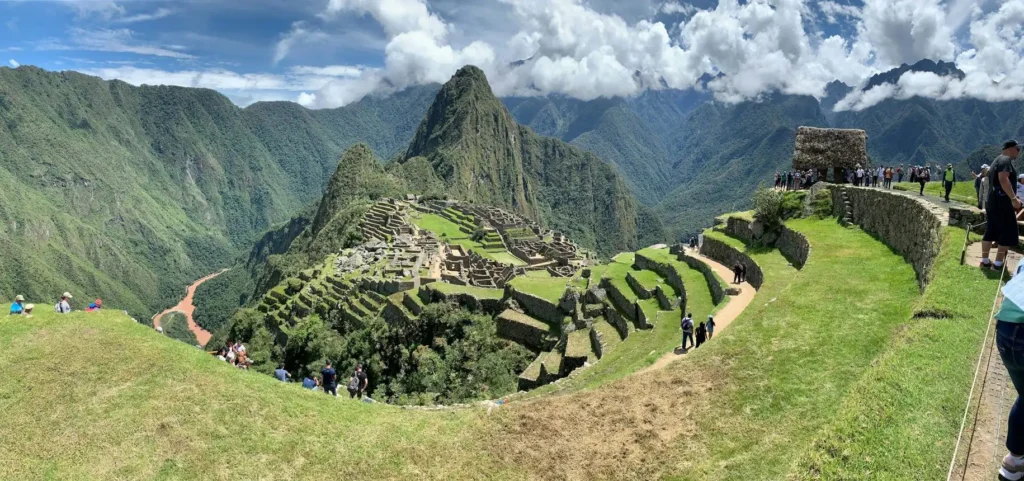
The official Peru Travel portal describes Machupicchu as having agricultural and urban sectors and identifies major attractions including the Temple of the Sun, Intihuatana, Sacred Plaza, Temple of the Condor and Huayna Picchu.
Other Peru Destinations
A longer Peru vacation can continue beyond Machu Picchu.
Amazon Rainforest
The Peruvian Amazon provides a completely different environment from the Andes. Travelers can continue toward destinations such as Puerto Maldonado and explore rainforest reserves, lakes, wildlife and jungle lodges.
Lake Titicaca
Lake Titicaca provides high-altitude landscapes and distinctive cultural experiences around Puno.
Arequipa
Arequipa offers colonial architecture, volcanic scenery and access to the Colca Canyon.
Lima
Lima can be included at the beginning or end of an international itinerary and offers museums, historic districts and a major culinary scene.
How to Build Your Ideal Machu Picchu Vacation
The best way to construct a Machu Picchu vacation is to work backward from the date you want to visit Machu Picchu.
First, select the Machu Picchu entrance date and circuit. Then coordinate the train around the entrance time, choose whether to sleep in Machu Picchu Pueblo or return to Cusco, and finally arrange the Sacred Valley and Cusco portions of the trip.
A practical planning sequence is:
- Choose your travel dates.
- Decide how many days you have.
- Select your Machu Picchu circuit and entrance time.
- Reserve your train.
- Choose hotels.
- Arrange guides and transfers.
- Add Cusco and Sacred Valley excursions.
- Book domestic flights.
- Leave some flexibility for transportation.
- Confirm every reservation before departure.
Because Machu Picchu entrance tickets and train services are separate reservations, coordinating them carefully is one of the most important parts of the planning process. The official Machu Picchu site provides the current visitor information, while Peru’s official tourism portal provides route and destination information.
Frequently Asked Questions About a Machu Picchu Vacation
How many days should I spend in Machu Picchu?
For Machu Picchu itself, one or two days can be sufficient, depending on the ticket and itinerary. For the broader Cusco–Sacred Valley–Machu Picchu experience, 3–5 days gives travelers considerably more flexibility.
Can I visit Machu Picchu from Cusco in one day?
Yes. Day trips are possible, but they require early departures and careful coordination between road transportation, train schedules and the Machu Picchu entrance time.
Is it better to stay in Machu Picchu Pueblo?
Staying overnight in Machu Picchu Pueblo can make the trip more relaxed because you can visit the archaeological site without having to coordinate the entire journey back to Cusco on the same day.
How do I get from Cusco to Machu Picchu?
A common route is Cusco → Ollantaytambo → train → Machu Picchu Pueblo → bus → Machu Picchu. Peru’s official tourism portal presents this as a principal access route.
Does the train ticket include Machu Picchu entrance?
No. The train and archaeological entrance are separate components. The official Machu Picchu platform provides information regarding entrance tickets and visitor access.
How much does a Machu Picchu vacation cost?
The final cost depends on the number of days, hotel category, train service, guides, transportation and whether domestic or international flights are included.
Is an all-inclusive Machu Picchu package worth considering?
An all-inclusive package can simplify planning because multiple services are coordinated together. However, travelers should compare the exact inclusions rather than relying only on the phrase “all-inclusive.”
Can I include the Sacred Valley in my Machu Picchu vacation?
Yes. The Sacred Valley fits naturally between Cusco and Machu Picchu and can be visited as a day excursion or as an overnight stay.
Can I combine Machu Picchu with the Amazon?
Yes. A longer Peru itinerary can combine Cusco and Machu Picchu with the Peruvian Amazon, creating a trip that includes both Andean and rainforest environments.
Final Thoughts on a Machu Picchu Vacation
A Machu Picchu vacation can be designed in many different ways, from a fast one-day excursion from Cusco to a longer Peru journey incorporating Cusco, the Sacred Valley, Machu Picchu and other destinations.
The key is to understand that Machu Picchu is only one component of the journey. The train through the Sacred Valley, the historic streets of Cusco, the landscapes around Ollantaytambo and the experience of staying in Machu Picchu Pueblo can all become meaningful parts of the vacation.
For a short trip, a 2-day Machu Picchu itinerary offers a practical balance between travel time and sightseeing. Travelers with more time can build a three-, five- or ten-day Peru itinerary around the archaeological site.
Most importantly, plan the essential reservations in the correct order. Machu Picchu entrance tickets, train transportation, hotels and transfers must work together, and the official visitor information should be checked for the current circuits, routes, schedules and admission conditions.