Understanding Machu Picchu weather by month helps you choose travel dates, pack appropriate clothing, and plan for the views you hope to see. Peru’s famous Inca citadel sits where the Andes meet the Amazon basin, creating a mountain cloud-forest climate. Conditions can shift quickly: mist may cover the ruins at breakfast, sunshine can arrive before lunch, and showers may develop later.
This guide covers Machu Picchu weather year round, with monthly temperature ranges in Celsius and Fahrenheit, seasonal rainfall patterns, hiking considerations, and practical travel advice. You will also find comparisons of popular visiting months, including April, June, July, September, October, and November.
Important: The temperatures below are broad planning estimates for the Machu Picchu area, not verified station-based climate normals or a forecast. Elevation, exposure, and measurement location affect reported averages. Check a location-specific forecast close to departure.
Machu Picchu Weather Year Round: Understanding the Climate
Where Machu Picchu Is Located and Why Elevation Matters
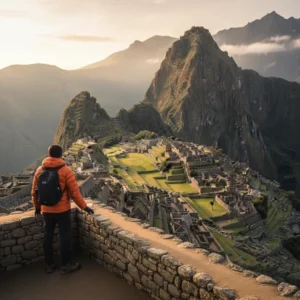
Machu Picchu stands approximately 2,430 meters above sea level in southeastern Peru. Its position above the Urubamba Valley exposes it to moisture from the Amazon, making the surrounding landscape greener and more humid than many travelers expect. Although the citadel is in the Andes, its climate is not the same as the colder, higher-altitude conditions found in Cusco.
This distinction matters when researching Peru Machu Picchu weather by month. A Cusco forecast is useful for your time in that city but can misrepresent conditions at the ruins. Aguas Calientes, also called Machupicchu Pueblo, sits lower than the archaeological site and can feel warmer. Mountain trekking routes may be considerably colder than either location.
Dry Season: Approximately May Through September
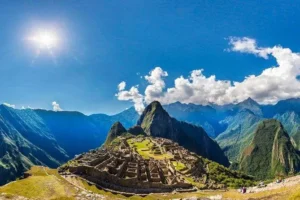
The dry season generally offers less rainfall, more dependable walking conditions, and a better chance of extended clear views. June, July, and August are especially popular for sightseeing and trekking. However, “dry season” does not mean guaranteed sunshine: cloud cover, passing showers, and early mist remain possible. Clear nights also allow temperatures to drop, making layers essential for early departures.
Wet Season: Approximately November Through March
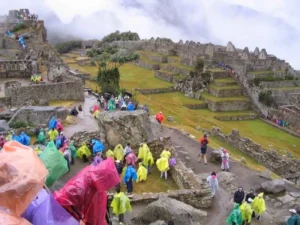
The wet season brings more frequent showers, higher humidity, and lush vegetation. Rain may arrive in short bursts or last for longer periods, and cloud can obscure the surrounding peaks. Visiting remains possible on many wet-season days, but weather-related transport disruption becomes a more important consideration. January and February are generally among the wettest months.
Transition Months: April and October
April and October sit between the main seasonal patterns. April usually trends toward drier conditions after the rainy season, while October generally becomes wetter as the next wet season develops. Both can offer a useful balance of scenery and sightseeing opportunities. Nevertheless, seasonal transitions vary from year to year, so neither month should be treated as reliably dry.
Machu Picchu Weather by Month: Celsius and Fahrenheit Overview
If you are comparing Machu Picchu average weather by month, focus on rainfall and visibility as well as temperature. Seasonal temperature differences are relatively modest compared with the contrast between a sunny afternoon and a damp early morning. The following table provides approximate daytime-high and nighttime-low ranges, rather than daily mean temperatures.
| Month | Daytime High °C | Nighttime Low °C | Daytime High °F | Nighttime Low °F | Typical Rain Pattern |
|---|---|---|---|---|---|
| January | 20–23 | 11–13 | 68–73 | 52–55 | Frequent rain |
| February | 20–23 | 11–13 | 68–73 | 52–55 | Frequent rain |
| March | 20–23 | 10–13 | 68–73 | 50–55 | Wet, easing variably |
| April | 20–23 | 9–12 | 68–73 | 48–54 | Showers still possible |
| May | 20–23 | 7–10 | 68–73 | 45–50 | Generally drier |
| June | 19–22 | 6–9 | 66–72 | 43–48 | Usually relatively dry |
| July | 19–22 | 6–9 | 66–72 | 43–48 | Usually relatively dry |
| August | 20–23 | 7–10 | 68–73 | 45–50 | Generally dry |
| September | 20–23 | 8–11 | 68–73 | 46–52 | Some returning showers |
| October | 20–23 | 9–12 | 68–73 | 48–54 | Increasing showers |
| November | 20–23 | 10–13 | 68–73 | 50–55 | Wetter conditions |
| December | 20–23 | 11–13 | 68–73 | 52–55 | Frequent rain |
Machu Picchu Weather by Month in Celsius
For travelers using Celsius, a useful planning rule is to expect daytime temperatures around the low 20s, with cooler mornings and evenings. Typical overnight conditions may fall into the single digits during the dry season. These estimates do not capture every weather event: wind, persistent rain, and shaded terrain can make the ruins feel substantially colder than the thermometer suggests.
Machu Picchu Weather by Month in Fahrenheit
For travelers using Fahrenheit, daytime conditions commonly reach the upper 60s or low 70s. Nights are often in the 50s during wetter months and may fall into the 40s during the dry season. Dressing for both ends of that range is more useful than packing for one monthly average. Carry a removable insulating layer even when your hotel forecast looks comfortably mild.
Detailed Machu Picchu Weather by Month
January: Rainy, Green, and Humid
January is firmly within the rainy season. Expect frequent showers, substantial cloud cover, and richly green hillsides surrounding the citadel. Daytime temperatures usually remain mild, but wet clothing can make an otherwise comfortable day feel chilly. Visibility is variable: mountains may disappear behind cloud and reappear when conditions shift. Build some flexibility into your wider itinerary, especially if you have tightly connected flights, trains, or onward travel.
January Travel and Packing Tips
Prioritize waterproof outerwear, shoes with dependable grip, and a dry bag for electronics. Stone steps become slippery when wet, so leave time to move carefully. January can appeal to travelers who enjoy atmospheric scenery, but it is less suitable if an uninterrupted panoramic view is your main priority.
February: Wet-Season Conditions and Trekking Limitations
February is generally one of the wettest months around Machu Picchu. Rain can be persistent, and saturated terrain increases the importance of checking transport and trail updates. The classic Inca Trail is typically closed during February for maintenance and conservation. That closure does not automatically mean the Machu Picchu archaeological site is closed; access arrangements must be checked separately with official authorities and your transport providers.
Is February a Good Time to Visit?
February suits flexible travelers who accept a higher chance of rain and obscured views. Confirm current operating conditions before traveling and allow contingency time where possible. If your main goal is a multiday trek, investigate route-specific schedules and seasonal safety considerations rather than assuming alternative trails offer straightforward substitutes.
March: A Gradual Transition After the Wettest Period
March often remains rainy, although conditions may gradually improve as the month progresses. Vegetation is still lush, and the landscape can be particularly photogenic when clouds break. However, the transition toward the dry season is not a fixed calendar event: some March visits feel distinctly wet, while others include generous sunny intervals. Keep waterproof equipment accessible throughout the day rather than leaving it at your accommodation.
March Hiking Considerations
Trails may remain muddy or saturated even when rain becomes less frequent. If you plan to hike, ask your operator about current route conditions, not just the monthly forecast. A route reopening after maintenance does not guarantee dry ground or eliminate weather-related changes to the itinerary.
April: Greener Scenery with Improving Weather
Machu Picchu weather in April often offers an appealing middle ground between the rainy season and the busiest dry-season months. Showers remain possible, but longer dry intervals can make sightseeing easier. Hillsides retain much of their wet-season greenery, and temperatures are generally comfortable for walking. April can work particularly well for travelers who want scenic landscapes without committing to the wetter conditions typical of January or February.
Why Choose April?
April is a strong option for balancing weather and scenery, but do not assume it will be uncrowded. Easter and related holiday periods can increase demand, depending on the year. Reserve entry and transport ahead of time, and bring both rain protection and sun protection for changeable days.
May: Drier Days and Cooler Early Starts
May usually marks a clearer shift toward dry-season conditions. Rain becomes less frequent, improving the odds of open mountain views and comfortable walking. Early mornings and evenings can feel cool, especially when skies remain clear overnight. For many visitors, May provides a practical balance: favorable weather potential, green scenery remaining from the wet season, and dates before the central June-to-August travel period.
What to Expect While Exploring
A lightweight fleece under a waterproof shell is useful for an early start. As sunlight reaches the terraces, you may quickly prefer lighter clothing. Keep sunscreen and drinking water accessible; mild air temperatures can disguise the strength of the sun while you walk through exposed areas.
June: One of the Better Months for Dry Weather
Machu Picchu weather in June is generally relatively dry, with favorable conditions for sightseeing and trekking. Daytime temperatures remain mild, while mornings can be noticeably cooler. Clear views are more likely than during the wettest months, although mist and occasional showers are still possible. June also attracts substantial demand across the Cusco region, particularly around major celebrations, so weather planning and reservation planning should happen together.
June Packing and Booking Advice
Bring layers for the citadel and additional cold-weather equipment if your itinerary includes high-altitude camping. Conditions on an Inca Trail mountain pass are not represented by Machu Picchu’s temperature range. Book desired entry options, trains, and guided treks well ahead of time, especially around popular festival dates.
July: Dry-Season Weather and High Demand
Machu Picchu weather in July is usually among the more dependable choices for travelers prioritizing lower rainfall. Sunny periods can feel pleasantly warm, but shaded walkways and early queues may be cool. July falls in the Southern Hemisphere winter, though Machu Picchu’s latitude and elevation keep daytime conditions much milder than many visitors associate with winter. The main trade-off is popularity rather than severe cold at the ruins.
Planning Around July Crowds
Reserve early and expect greater competition for preferred visiting times. Peru’s late-July national holidays can add to travel demand. Choose your entry according to available circuits and your overall itinerary, rather than expecting a particular hour to guarantee clear weather or a quiet archaeological site.
August: Mostly Dry with Cool Mornings
August generally continues the dry-season pattern, offering good opportunities for mountain views and outdoor activities. Temperatures change noticeably between shaded mornings and sunny afternoons, while breezes can make exposed sections feel cooler. Dust may become more noticeable along dry paths and access roads. Although August is often favorable for trekking, occasional rain remains possible, so a waterproof shell still belongs in your daypack.
August Travel Priorities
Prepare for busy travel services and strong sun during clear spells. Comfortable walking shoes, a brimmed hat, and sunglasses are useful alongside your warm layer. If combining Machu Picchu with higher Andean destinations, pack separately for those colder environments rather than relying on the citadel’s relatively mild daytime conditions.
September: A Useful Late-Dry-Season Option
Machu Picchu weather in September often remains favorable, although showers may begin returning more regularly. Many travelers consider it a good compromise between the central dry season and the wetter months ahead. Daytime conditions are usually comfortable for exploring, and landscapes can feature a mix of sunshine and passing cloud. September may feel less pressured than peak holiday periods, but popular entry options can still sell out.
Who Should Visit in September?
September suits visitors seeking generally good sightseeing conditions while accepting some weather variability. Pack for both sun and rain, and avoid treating late September as meteorologically identical to July. Seasonal changes are gradual, and the timing of returning rainfall varies between years.
October: Warmer-Feeling Days and Increasing Showers
For travelers researching Machu Picchu weather by month, October is best understood as a transition toward wetter conditions. Showers become more likely, humidity can increase, and cloud may move through the valley more frequently. Nevertheless, October can still deliver clear intervals and comfortable sightseeing. Early October may retain some dry-season characteristics, but choosing earlier dates does not guarantee better weather.
October Sightseeing and Photography
Bring a waterproof jacket even if your morning starts sunny. Moving clouds can add depth to photographs, but they may also hide the classic mountain backdrop. Protect camera equipment and work within your permitted circuit; do not rely on being able to retrace your route after visibility improves.
November: The Wet Season Becomes More Noticeable
Machu Picchu weather in November usually includes more frequent showers than the core dry-season months. Humidity and cloud cover increase, while vegetation becomes greener as rainfall returns. Temperatures remain relatively mild, so waterproofing often matters more than heavy insulation during daytime sightseeing. November can be rewarding for visitors comfortable with changing visibility, but it is less dependable for consistently clear panoramic photographs.
How to Plan a November Visit
Keep essential items dry and avoid scheduling fragile travel connections without a buffer. Rain sometimes develops later in the day, but a morning ticket is not a reliable way to avoid it. Check local updates before departure and discuss contingency arrangements with your tour or transport provider.
December: Rainy Scenery and Holiday Travel
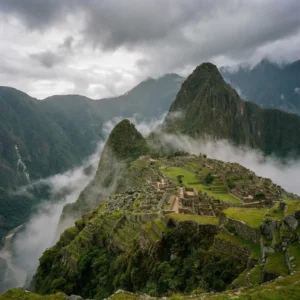
December generally brings frequent showers, humid conditions, and lush cloud-forest scenery. Mist can create memorable views of the terraces, although sustained cloud may conceal the surrounding mountains. Travelers often underestimate demand because December falls in the wet season, but Christmas and New Year travel can increase pressure on accommodation and transport. Rainy weather does not necessarily translate into plentiful availability or lower prices.
December Packing Essentials
Use a waterproof outer layer, protect documents and electronics, and carry spare socks if your wider itinerary involves long days outdoors. Make reservations early for holiday travel. A flexible attitude helps, but it should be paired with practical preparation and attention to official weather-related announcements.
Best Time to Visit Machu Picchu for Different Travel Goals
Best Months for Lower Rainfall and Clearer Views
May through September generally offers the best overall window for travelers prioritizing lower rainfall. June, July, and August are particularly popular for this reason. However, choosing a dry-season month improves the odds rather than guaranteeing a specific view. Clouds and mist are natural features of the setting, and even a promising forecast can change during your visit.
Best Months for Balancing Weather and Demand
May and September are often sensible starting points when weighing weather against peak-season demand. April and October widen the options for travelers willing to accept more rain risk. Crowd levels depend on holidays, ticket availability, and specific dates, not only the season. Compare transport and entry availability before selecting flights, especially if one particular route through the site is important to you.
Best Months for Green Landscapes and Atmospheric Photography
The wet season and its transition months offer especially green scenery and dramatic cloud formations. March and April can be appealing for lush landscapes as rainfall gradually eases, while October and November offer changing seasonal conditions. These months reward flexibility: mist can enhance a photograph or obscure the subject entirely. There is no universally best month for photography without considering your preferred style.
Machu Picchu Weather Averages: What the Numbers Do Not Tell You
Average Temperature Versus How the Weather Feels
Searches for Machu Picchu average temperature by month often produce different figures because sources use different stations, elevations, observation periods, or definitions. A monthly mean is not the same as an average daytime high. When comparing Machu Picchu weather temperature by month, check which measurement is shown. For packing, daytime and nighttime ranges are usually more useful than a single average.
Rainfall Totals Versus Rainy Days
A month’s total rainfall does not reveal exactly how rain will affect sightseeing. Heavy showers concentrated into a few periods create a different experience from frequent light rain, even if the totals are similar. Likewise, a “rainy day” may still include dry intervals. Use rainfall information to understand seasonal risk, not to predict how many hours your particular visit will remain dry.
Morning Mist and Afternoon Showers
Early entry is not automatically the best choice for visibility. Moisture can gather in the valley overnight, leaving the ruins partly hidden at opening time. On other days, mornings are clear and cloud builds later. Afternoon showers are possible, especially during wetter periods, but this is not a dependable daily timetable. Choose entry times around your logistics and priorities, with weather as one consideration.
What to Pack for Machu Picchu in Every Season
Year-Round Essentials
The most effective packing strategy is a small layering system that handles cool shade, warm sunshine, and sudden rain. Quick-drying clothing is more practical than heavy garments that stay wet. Footwear should provide secure traction on uneven stone, without assuming that dry-season paths will always be dry. Check current entry rules for bag sizes and restricted items before assembling your daypack.
- Waterproof shell: Useful in both wet and dry seasons.
- Light insulating layer: For early starts and cool conditions.
- Grippy walking shoes: For stairs and uneven surfaces.
- Sun protection: Sunscreen, sunglasses, and a suitable hat.
- Water and dry storage: Hydration and protection for valuables.
- Insect repellent: Helpful in the humid cloud-forest environment.
Additional Equipment for Trekking
If your trip includes the Inca Trail or another multiday route, use the operator’s route-specific equipment list. Campsites and mountain passes may be much higher and colder than Machu Picchu. Depending on the itinerary and season, you may need substantial insulation, suitable sleeping equipment, and stronger rain protection. Never use the citadel’s monthly temperature estimates as the sole basis for preparing for a mountain trek.
Frequently Asked Questions About Machu Picchu Weather
Does It Rain Every Day During the Wet Season?
Not necessarily, although rain is frequent and should be expected as a practical possibility each day. Some days include showers separated by clear spells; others remain cloudy and wet for longer periods. Monthly climate patterns cannot tell you which experience you will have, so prepare for rain without assuming your entire visit will be a washout.
Is Machu Picchu Cold in June and July?
Early mornings and nights can be cool, while sunny afternoons are often mild. Most visitors benefit from removable layers rather than heavy winter clothing at the ruins. Higher-altitude destinations and trekking camps are a separate matter and can be much colder. Consider every stop on your itinerary when deciding what warm clothing to bring.
Can You Visit Machu Picchu During the Rainy Season?
Yes, rainy-season visits are generally possible, subject to current site access, transport operations, and official safety decisions. Rain alone does not imply closure, but severe weather can affect travel arrangements. Confirm conditions with official sources and service providers, particularly if your itinerary includes trekking or connections with little room for delays.
How Far Ahead Should You Check the Forecast?
Use seasonal information when choosing dates months ahead, then review local forecasts during the week before your visit. Check again shortly before departure and on the day itself. Mountain forecasts contain uncertainty, especially for cloud and shower timing. Verify the location shown rather than accidentally relying on a forecast for Cusco or another distant destination.
Final Advice: Choosing Your Machu Picchu Travel Month
The key lesson from comparing Machu Picchu weather by months is that rainfall changes more dramatically than daytime temperature. Choose May through September for generally lower rain risk, consider April or October for transitional conditions, and approach November through March with stronger rain preparation and flexible logistics.
Whatever your dates, treat Machu Picchu weather averages as planning tools rather than promises. Reserve the access you need, check current conditions, and dress for rapid changes. With realistic expectations, both clear mountain panoramas and mist drifting across the terraces can become memorable parts of the experience.