This guide covers Machu Picchu weather by month, temperatures in Celsius and Fahrenheit, seasonal travel considerations, and how to interpret daily and extended forecasts. You will also find advice for visiting during the rainy season, planning hikes, and choosing the best time to visit Machu Picchu for weather.
Weather information below describes general climate patterns, not a live forecast. Temperature ranges are broad planning estimates rather than verified monthly station averages. Check current forecasts and official travel notices before departure.
Understanding Peru Machu Picchu Weather
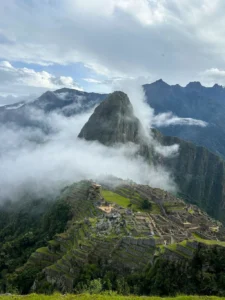
Location, Elevation, and Mountain Microclimates
Machu Picchu stands approximately 2,430 meters, or 7,970 feet, above sea level. Its cloud-forest setting is lower and generally warmer than Cusco, but weather remains strongly influenced by elevation and surrounding mountains. Rain may fall on one slope while another stays relatively clear. A forecast labeled “Machu Picchu” may represent the archaeological site, nearby Machupicchu Pueblo, or a broader forecast grid, so always check the location and elevation.
Machu Picchu Weather Versus Cusco and Aguas Calientes
Cusco sits substantially higher and usually has colder nights than Machu Picchu. Aguas Calientes, also called Machupicchu Pueblo, lies below the ruins and often feels warmer and more sheltered. Do not assume a Cusco forecast accurately describes conditions at the citadel. Travelers hiking the Inca Trail also cross higher terrain, where overnight temperatures can be much lower than anything expected during a daytime ruins visit.
Dry Season and Rainy Season
The Machu Picchu dry season generally runs from May through September, while the wetter period usually extends from November through March. April and October are transitional months. These boundaries are approximate: early rains, prolonged showers, or unusually dry spells can occur. Dry season offers better odds of clearer conditions, but it does not mean rain is impossible or morning mist disappears.
How Rain, Clouds, and Humidity Affect a Visit
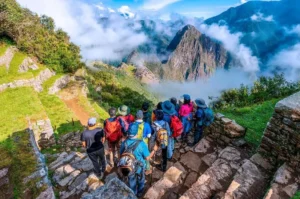
Rain can make stone steps slippery, while low cloud may temporarily hide the surrounding peaks. However, mist sometimes lifts quickly and creates striking views as the ruins emerge. Humidity can make uphill walking feel demanding even when temperatures are moderate. Plan for changing visibility rather than expecting a single weather condition to last throughout your entry window.
Machu Picchu Weather Celsius: Typical Temperature Expectations
For travelers checking Machu Picchu weather Celsius, daytime temperatures commonly fall around 18–24°C, with many nights around 7–13°C. Conditions can fall outside these broad ranges, especially during unusual weather or on higher hiking routes. The difference between exposed sunshine and damp shade can feel substantial, so layers are more useful than dressing for one predicted temperature.
Machu Picchu Weather Fahrenheit: What Those Temperatures Feel Like
If you prefer Machu Picchu weather Fahrenheit, those approximate ranges translate to 64–75°F during the day and 45–55°F at night. Walking uphill in direct sunlight may feel considerably warmer, while waiting in wet clothing can feel chilly. Remember that 20°C equals 68°F and 10°C equals 50°F—helpful reference points when comparing forecasts from different providers.
Machu Picchu Weather Forecast: Today, Tomorrow, and Extended Outlooks
A Machu Picchu weather forecast is most useful when you examine hourly conditions, location details, and forecast uncertainty together. A single rain icon does not describe the timing or duration of showers. For mountain travel, combine the forecast with recent local observations, official notices, and advice from your accommodation or tour operator.
Machu Picchu Weather Today
To check Machu Picchu weather today, use an updated forecast for the archaeological site or the closest representative location. Look at the observation time: information from several hours earlier may no longer reflect mountain conditions. Review hourly rainfall, temperature, cloud cover, and any thunderstorm alerts. Recent local reports can add context, but photographs and webcams only show conditions at a particular moment.
Machu Picchu Weather Tomorrow
For Machu Picchu weather tomorrow, check the forecast the evening before your visit and again before leaving your hotel. Focus on the hours surrounding your assigned entry time rather than the daily symbol alone. If showers are expected, waterproof outerwear and protected electronics are sensible precautions. Follow official guidance if severe weather affects transport, access routes, or activities included in your ticket.
Weather in Machu Picchu 10 Days Ahead
Searching for weather in Machu Picchu 10 days ahead can help identify a broadly wetter or drier pattern. However, individual shower times and cloud conditions remain uncertain at that distance. Use the outlook for packing and general preparation, then reassess as your visit approaches. Changing major reservations because one distant forecast displays rain may create unnecessary expense without improving your chances of clear skies.
Machu Picchu Weather Forecast 14 Days Ahead
A Machu Picchu weather forecast 14 days ahead should be treated as an early trend, not a reliable prediction for a specific entry slot. Mountain cloud and rainfall are particularly difficult to place precisely two weeks in advance. Compare broad patterns across updates rather than treating changing icons as firm evidence. Seasonal climate information is usually more useful for decisions made months before travel.
Reading Rain Probability Correctly
A percentage chance of rain does not automatically mean that percentage of the day will be wet. It usually expresses the probability of measurable precipitation at a location during a stated period, although providers may define their products differently. Check expected rainfall amounts and hourly timing as well. Frequent light showers and one intense storm can produce very different visiting conditions despite similar daily icons.
Machu Picchu Weather by Month
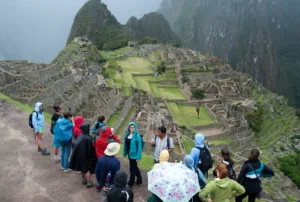
The following monthly guide groups the year into practical travel periods. Rainfall typically changes more noticeably across the seasons than daytime temperatures. Actual conditions vary from year to year, and no month guarantees an unobstructed panoramic view. Use these descriptions to compare likely experiences, then consult short-range forecasts close to your travel date.
| Month | Typical Pattern | Main Planning Consideration |
|---|---|---|
| January | Wet season | Prepare for sustained rain and cloud |
| February | Wet season | Inca Trail normally closes for maintenance |
| March | Wet season easing variably | Keep transport plans flexible |
| April | Transition toward drier weather | Expect mixed sunshine and showers |
| May | Dry season developing | Book popular activities ahead |
| June | Generally dry | Pack for cool starts and strong sun |
| July | Generally dry | Expect high visitor demand |
| August | Generally dry | Carry layers for exposed viewpoints |
| September | Late dry season | Prepare for occasional returning rain |
| October | Transition toward wetter weather | Keep waterproofs accessible |
| November | Rainy season developing | Allow for variable visibility |
| December | Established wet season | Combine rain preparation with holiday planning |
January: Rainy-Season Landscapes
January is typically one of the wetter months, with humid air, lush vegetation, and frequent cloud around the mountains. Showers may be brief or prolonged, and sunny intervals remain possible. Visitors should prioritize reliable waterproof protection rather than expecting predictable sightseeing weather. Heavy rainfall can occasionally disrupt regional transport or trails, so check conditions before leaving Cusco and avoid an unnecessarily tight onward connection.
January Visiting Tips
Pack a rain shell, quick-drying clothing, and shoes with dependable traction. Keep your passport and entry documents in a waterproof pouch. A quieter-feeling visit is possible outside busy holiday periods, but lower seasonal demand does not guarantee empty circuits or discounted accommodation.
February: Wet Weather and Inca Trail Restrictions
February usually remains very wet, with saturated ground, frequent mist, and slippery walking surfaces. The classic Inca Trail normally closes during February for annual maintenance; this does not mean Machu Picchu itself automatically closes. Confirm current arrangements with official authorities and your operator. Alternative treks are not necessarily suitable simply because they are outside the classic trail, since rainfall and terrain hazards can affect them too.
February Itinerary Planning
Choose operators with clear disruption policies and verify train and road conditions close to departure. Leave room for changes if regional weather deteriorates. Visiting the citadel may still be possible, but decisions should follow current access information rather than assumptions based on previous years.
March: A Gradual Move Toward Drier Conditions
Peru Machu Picchu weather in March generally remains influenced by the rainy season, although rainfall may begin easing as the month progresses. Mountainsides are often vividly green, and clouds can create atmospheric views. Late March is not reliably dry, however. Travelers should continue using wet-season packing strategies and check trail conditions carefully, especially when combining the ruins with a multiday hike.
March Travel Considerations
Allow extra time between your Machu Picchu visit and important onward travel. Easter-related demand can affect availability when the holiday falls in March. A combination of weather flexibility and advance reservations is more useful than assuming the shoulder season will always be quiet.
Machu Picchu Weather April
Peru Machu Picchu weather April searches usually reflect interest in the transition between rainy and dry seasons. April often brings improving conditions while vegetation remains lush after months of rain. Showers and morning cloud are still possible, and individual weeks can differ substantially. This month can suit travelers seeking a balance between scenery and improving weather, provided they remain comfortable with uncertainty.
Is April Good for Hiking?
April can be attractive for trekking, but some sections may remain muddy or damp. Ask your operator about the specific route rather than relying on conditions at the citadel. Higher camps require warmer clothing, and waterproof equipment remains important even when the daytime forecast looks favorable.
Machu Picchu Weather in May
Peru Machu Picchu weather in May generally becomes drier, making the month a popular choice for sightseeing and trekking. The landscape may retain considerable greenery while clearer periods become more frequent. Cool starts can give way to comfortable walking temperatures. Although May often offers a strong seasonal balance, rain remains possible and popular entry circuits or hiking permits may require advance booking.
Why Choose May?
May appeals to visitors who want improving weather without automatically choosing the busiest midyear weeks. Conditions vary, but the combination of relatively dry weather and post-rainy-season scenery is compelling. Pack a light insulating layer, waterproof shell, and sun protection rather than eliminating rain gear.
Machu Picchu Weather in June
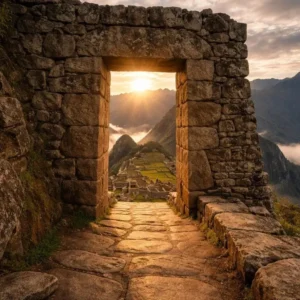
Machu Picchu weather in June is generally associated with lower rainfall and favorable conditions for outdoor travel. Mornings may feel cool before the sun reaches exposed sections of the site. Visitors arriving from Cusco should remember that the city’s colder nights do not directly represent conditions at Machu Picchu. Regional festivals and strong seasonal demand can make advance transport and accommodation arrangements especially valuable.
June Sun and Layering
Clearer conditions increase the importance of sunscreen, a hat, and adequate drinking water. Begin with a removable layer rather than a heavy outfit that becomes uncomfortable while climbing steps. Higher-elevation treks need a separate cold-weather packing assessment.
Machu Picchu Weather in July
Machu Picchu weather in July usually offers some of the year’s better odds of dry conditions, although fog and occasional rain remain possible. Comfortable daytime walking weather and school-holiday travel contribute to substantial demand. The driest season is not necessarily the warmest throughout the day: cool mornings and shaded areas can contrast sharply with sunny terraces. Book according to your preferred route and entry conditions.
July Planning Priorities
Reserve essential services early and avoid choosing an entry time solely because someone promises clear skies. Morning mist and afternoon cloud vary from day to day. Carry compact layers so you can adapt without hauling unnecessary clothing around the designated circuit.
August: Dry-Season Travel Continues
Peru Machu Picchu weather August generally follows the dry-season pattern, with relatively limited rainfall compared with the wettest months. Exposed viewpoints can feel breezy, while direct sunshine warms visitors quickly. Holiday demand remains important when planning tickets and accommodation. A favorable seasonal outlook still cannot rule out a cloudy visit, so allow the landscape to be part of the experience rather than expecting postcard conditions.
August Packing Priorities
Bring a light wind-resistant outer layer that also handles unexpected showers. Sunscreen and water remain essential during active sightseeing. If you are trekking, check overnight temperatures for your actual camps rather than using a Machu Picchu daytime forecast as your equipment guide.
Machu Picchu Weather September
Peru Machu Picchu weather September often remains comparatively dry, although showers may become more frequent as the seasonal transition approaches. It can provide a useful balance for travelers comparing weather and peak-season demand. Cloud still develops around the surrounding mountains, and conditions differ between years. September should be viewed as a generally favorable option, not a guaranteed extension of the driest midyear weeks.
September Photography Conditions
Mixed sunshine and cloud can create depth in landscape photographs, but prominent peaks may disappear temporarily. Protect camera equipment against brief showers and work within the route and timing allowed by your ticket. Do not assume you can wait indefinitely at a viewpoint.
Machu Picchu Weather October
Peru Machu Picchu weather October is transitional, with rainfall generally becoming more likely than during the core dry season. Sunny intervals, drifting mist, and showers can occur close together. October suits travelers comfortable with mixed conditions, but wet-weather equipment should be readily accessible. Neither the beginning nor the end of the month provides a dependable boundary between dry and rainy weather.
October Travel Strategy
Plan around your ticketed entry rather than an assumed daily shower schedule. Rain sometimes develops later in the day, but that pattern is not consistent enough to guarantee a dry morning. Check updated forecasts and maintain flexible expectations about photography and visibility.
Machu Picchu Weather November
Peru Machu Picchu weather November typically becomes wetter as the rainy season develops. Higher humidity, more frequent showers, and increasing cloud cover bring greener scenery but less predictable panoramic views. Walking remains rewarding when conditions permit, although wet stone requires care. Carry waterproof protection even if the morning begins brightly, and avoid packing items that become heavy or slow to dry after getting wet.
Is November Worth Visiting?
November can suit visitors who value lush scenery and accept weather uncertainty. Travel demand varies by date, so check actual availability rather than assuming rainy season means low prices. For some travelers, atmospheric mist is a benefit; for others, clearer-view priorities favor drier months.
Machu Picchu Weather December
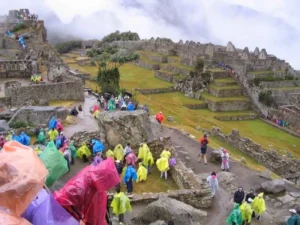
Machu Picchu weather in December usually reflects established rainy-season conditions, including frequent showers and periods of reduced visibility. Sunny breaks still occur, but their timing is unreliable. Travelers researching Peru Machu Picchu weather in December should combine waterproof packing with early holiday reservations. Christmas and New Year demand can be significant even though the month is wetter than the main dry season.
December Holiday Planning
Build sensible buffers around transport and avoid scheduling a critical flight immediately after your return from Machu Picchu. Protect documents, electronics, and spare clothing from moisture. Monitor regional travel notices because weather affecting the wider route may matter even when conditions at the ruins appear manageable.
Best Time to Visit Machu Picchu: Weather and Travel Priorities
Best Months for Drier Conditions
For travelers prioritizing the best time to visit Machu Picchu weather, May through September generally provides better odds of limited rainfall. June, July, and August are particularly popular dry-season choices. However, favorable weather can coincide with stronger demand. Choose dates that balance climate, ticket availability, cost, and your tolerance for busy travel periods rather than treating weather as the only consideration.
Best Months for a Seasonal Balance
April, May, September, and October are often considered when travelers want a compromise between weather and the busiest periods. They are not interchangeable: April follows the wet season, while October moves toward it. May and September generally lean drier. Compare the specific experience you want, whether that means greener slopes, trekking opportunities, or a better chance of clear mountain views.
Best Time of Day for Visibility
No entry time guarantees the clearest views. Early visits can encounter mist, while later visits may experience stronger sun or developing showers. Conditions vary with the season and individual weather systems. Select an entry time that works with transport, your authorized circuit, and any booked mountain hike. Use the short-range forecast to prepare, not to assume certainty.
What to Pack for Machu Picchu Weather
Essential Clothing and Weather Protection
A compact layering system works in every season. Start with breathable, quick-drying clothing, add a light insulating layer for cool conditions, and carry a waterproof outer shell. Shoes should have dependable grip and already be comfortable for extended walking. Avoid relying on a single heavy jacket: it may be excessive in sunshine while providing inadequate protection during sustained rain.
- Waterproof shell or suitable poncho: accessible without unpacking everything.
- Light fleece: useful for cool mornings and shaded waits.
- Quick-drying trousers and shirt: practical for humid conditions.
- Grippy walking shoes: helpful on uneven, damp stone.
- Sun protection: sunscreen, sunglasses, and a secure hat.
- Waterproof pouch: protects identification, tickets, and electronics.
- Drinking water: carried according to current visitor rules.
Extra Preparation for Rainy-Season Visits
During wetter months, keep a dry layer protected inside your bag and check whether your outerwear actually resists sustained rain. A bag cover alone may not fully protect contents, so use internal waterproof storage for important items. Confirm current restrictions on bags, umbrellas, walking poles, and other equipment before arrival. Trekking equipment requires a separate list tailored to elevation and overnight exposure.
Weather Safety and Final Planning Checklist
Rain, Trail Conditions, and Transport Disruptions
Wet steps, reduced visibility, and localized heavy rain deserve more attention than a small difference in forecast temperature. Walk carefully, remain on authorized routes, and follow staff instructions. Check official notices and operator updates when severe weather affects the region. Transport disruption is not inevitable during rainy season, but realistic connection times and suitable travel insurance can reduce avoidable stress.
Plan for the Climate, Then Check the Forecast
The most effective approach to Machu Picchu weather is simple: use monthly climate patterns to choose your season, extended forecasts to identify broad trends, and short-range updates to prepare for your actual visit. Pack for both sunshine and rain throughout the year. With sensible layers, protected documents, and flexible expectations, changing mountain weather becomes a manageable part of experiencing this remarkable archaeological site.