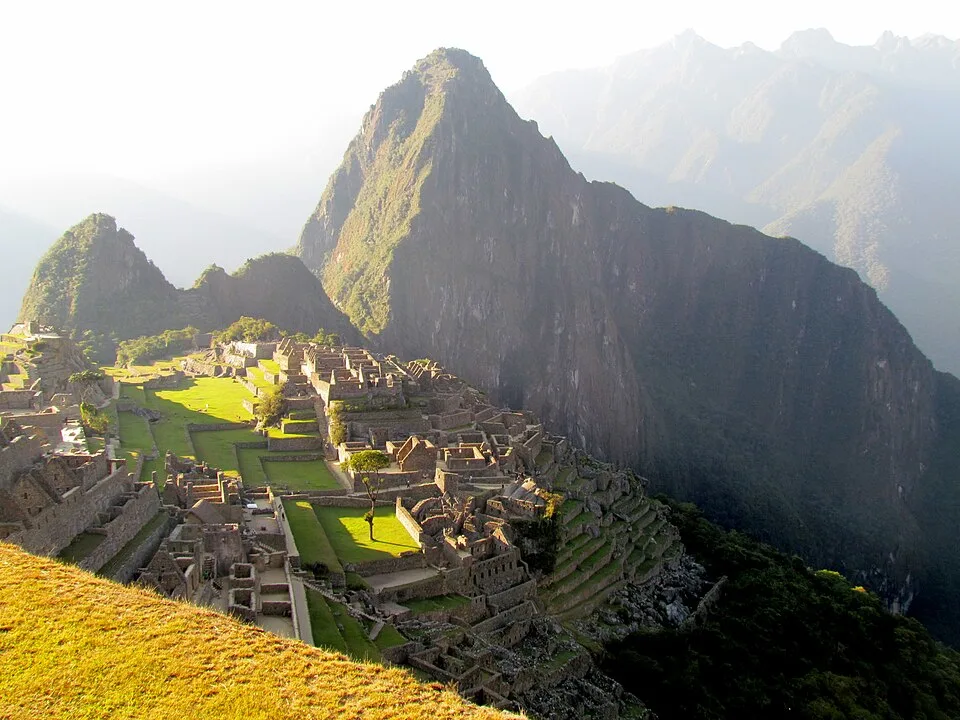
Machu Picchu is one of the most remarkable archaeological sites in South America and one of the best-known legacies of the Inca civilization. Built high in the eastern Andes of Peru, the ancient settlement combines sophisticated stone architecture, agricultural terraces, ceremonial structures, water engineering and dramatic mountain scenery. Today, a visit to Machu Picchu can include archaeological exploration, hiking, panoramic viewpoints and an opportunity to understand how the Inca adapted an extraordinary mountain landscape for human use.
Although Machu Picchu is often described simply as an “ancient Inca city,” its exact original purpose remains a subject of archaeological study. The site contains roughly 200 structures and is understood to have had religious, ceremonial, astronomical, agricultural, residential and administrative functions. Its location at about 2,430 meters above sea level, between the Andes and the upper Amazon Basin, is also important because the surrounding Historic Sanctuary protects an exceptionally diverse natural environment.
For travelers planning a Machu Picchu vacation, understanding the location, history, altitude, weather, hiking routes and current visitor system makes the experience much easier to organize.
Where Is Machu Picchu Located?
Machu Picchu Which Country?
Machu Picchu is located in Peru, in South America. It is situated in the Cusco region, in the eastern slopes of the Andes, within the Historic Sanctuary of Machu Picchu. The archaeological site is positioned on a mountain ridge above the Urubamba River and surrounded by steep peaks, cloud forest and tropical vegetation. Its geographical position is unusual because it sits in a transition zone between the high Andes and the Amazon Basin.
What Country Is Machu Picchu In?
The answer is Peru. Machu Picchu is one of Peru’s most important archaeological and cultural attractions and forms part of the Historic Sanctuary of Machu Picchu. The sanctuary is considerably larger than the archaeological citadel itself, encompassing mountains, valleys, forests, archaeological sites, trails and diverse habitats. The wider protected area covers more than 32,000 hectares according to its World Heritage documentation.
Machu Picchu Is Located in Which Country?
For travelers searching “Machu Picchu is located in which country?”, the simple answer is Peru. More specifically, Machu Picchu is located in the Cusco region of southern Peru, in a mountainous landscape that descends toward the Amazon Basin.
This location explains why Machu Picchu can feel very different from Cusco. Cusco is a high Andean city with a considerably higher elevation, while Machu Picchu is lower and surrounded by humid mountain forest. The combination creates a landscape where stone terraces and Inca architecture coexist with orchids, mosses, ferns, tropical vegetation and abundant birdlife.
Cusco and Machu Picchu
Cusco and Machu Picchu are closely connected, but they are not the same destination. Cusco was the historic capital of the Inca Empire and is the principal urban gateway for many journeys to Machu Picchu. Machu Picchu, meanwhile, is an archaeological sanctuary located several hours away by the usual combination of road, train and walking routes.
Travelers commonly begin their journey in Cusco before continuing through the Sacred Valley toward Machu Picchu Pueblo, also known as Aguas Calientes. From there, visitors continue toward the archaeological site by the available access system for their selected visit.
Why the Location Is So Unusual
One of the most interesting characteristics of Machu Picchu is its position between different ecological environments. The site occupies the eastern Andes, where mountain environments transition toward the upper Amazon Basin. UNESCO describes the sanctuary as containing a remarkable range of habitats and microclimates, with biodiversity extending from high-altitude vegetation to tropical montane forests.
This means that Machu Picchu is not simply an archaeological ruin placed on a mountain. The natural landscape is part of the site’s cultural significance.
Machu Picchu History
Machu Picchu History and the Inca Civilization
Machu Picchu was constructed during the height of the Inca Empire, generally associated with the 15th century. The site represents an extraordinary achievement of Inca engineering because builders created stone structures, terraces, pathways and water systems on an extremely steep mountain landscape. UNESCO identifies the archaeological complex as a major testimony to the Inca civilization and describes its architecture and urban organization as an exceptional achievement.
The exact original function of Machu Picchu is not completely established. Archaeological evidence indicates that the settlement had multiple roles rather than serving only one purpose. Religious and ceremonial activities, agriculture, astronomy, residential occupation and administrative organization all appear to have been important.
Construction of Machu Picchu
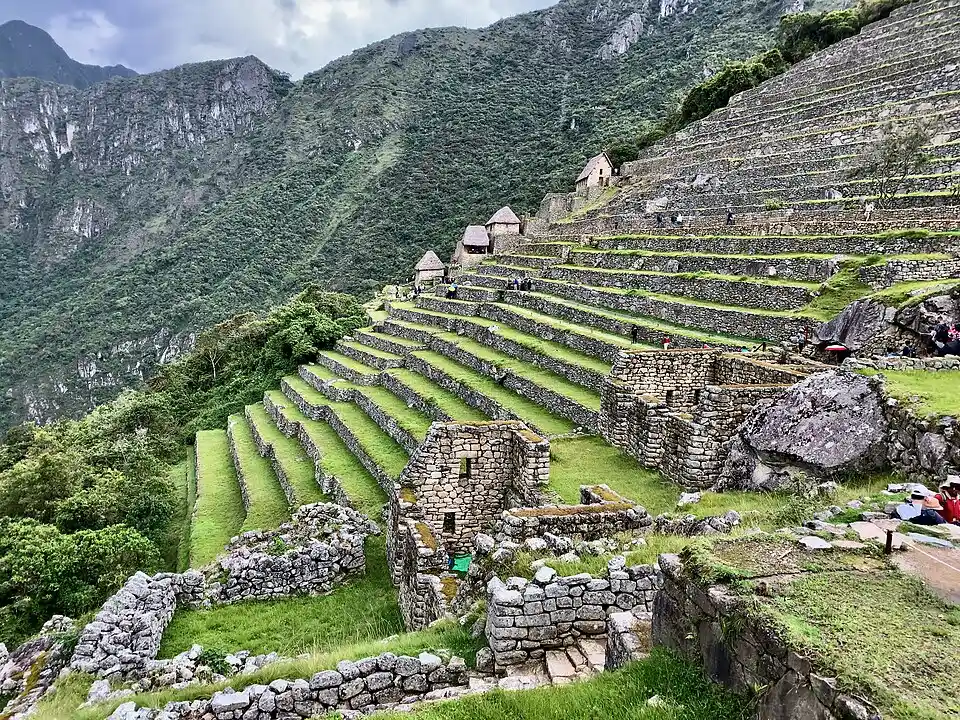
The construction of Machu Picchu required extraordinary knowledge of stonework and mountain engineering. Instead of flattening the entire mountain, the builders adapted their architecture to the existing terrain. Buildings, plazas, pathways and terraces were integrated into natural rock formations.
The result is a settlement that appears to grow out of the mountain itself. Large stone walls, ramps and terraces follow the contours of the landscape, creating a remarkable relationship between architecture and geology.
Why Inca Construction Was Remarkable
Important characteristics include:
- Carefully shaped stone walls
- Terraces built into steep slopes
- Sophisticated drainage
- Channels for water management
- Agricultural terraces
- Organized residential areas
- Ceremonial and religious structures
- Roads and trails connecting Machu Picchu with the surrounding region
- Construction adapted to the natural mountain terrain
The builders had to consider heavy rainfall, unstable slopes and erosion. The extensive terraces and drainage systems were therefore not simply decorative. They formed an important part of the site’s long-term stability.
Archaeological Significance
Machu Picchu is archaeologically significant because it preserves evidence of how the Inca organized architecture, agriculture, water, religion and settlement in a difficult mountain environment. The site was designated part of a UNESCO World Heritage property in 1983, recognized for both its cultural and natural importance.
The Historic Sanctuary is therefore more than a collection of ruins. It represents a cultural landscape in which human construction and the natural environment are inseparable.
Hiram Bingham and the 1911 Expedition
Hiram Bingham is closely associated with the international recognition of Machu Picchu in the early 20th century. In 1911, his expedition brought the site to much wider international attention.
It is important to distinguish between international rediscovery and the idea that Machu Picchu was completely unknown before 1911. The surrounding region had local inhabitants and the site had not simply disappeared from all human knowledge. Bingham’s role was particularly important in documenting and publicizing the archaeological complex to a global audience.
UNESCO records 1911 as the year when the archaeological complex was made known to the outside world in this broader historical context.
Machu Picchu Facts
Facts About Machu Picchu
Machu Picchu contains an extraordinary concentration of architecture within a relatively compact mountain setting. UNESCO describes approximately 200 structures associated with religious, ceremonial, astronomical and agricultural functions. The settlement was organized into different sectors, with agricultural and residential areas connected through plazas, paths and terraces.
Some useful Machu Picchu facts include:
- Machu Picchu is in Peru.
- It stands at approximately 2,430 meters above sea level.
- It was built during the height of the Inca Empire.
- The site combines agricultural, residential, religious and ceremonial architecture.
- Extensive terraces were constructed on steep slopes.
- Water channels formed part of the settlement’s engineering system.
- The surrounding sanctuary protects both cultural and natural heritage.
- The site lies within a transition between the Andes and Amazon Basin.
- Machu Picchu became internationally famous after Hiram Bingham’s 1911 expedition.
- The Historic Sanctuary was inscribed on the World Heritage List in 1983.
Machu Picchu Architecture
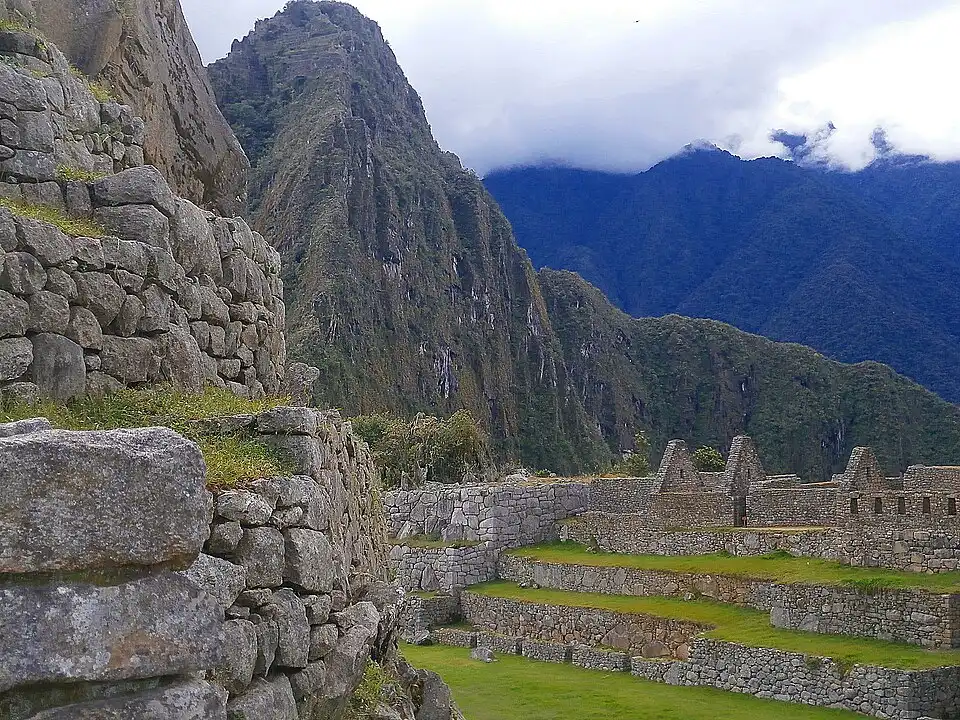
Machu Picchu architecture is particularly famous for its stonework. Walls were constructed with carefully fitted stones, while buildings were positioned according to the uneven mountain terrain.
Rather than treating the landscape as an obstacle, Inca builders incorporated it into the design. Rock outcrops, slopes and natural formations became part of the architecture.
Temples and Ceremonial Structures
Several structures are traditionally interpreted as having religious or ceremonial functions. These include the Temple of the Sun and other carefully constructed stone spaces associated with ritual and astronomical observation.
The precise meaning of every structure should be treated carefully because archaeological interpretation continues to evolve. Some buildings have commonly used modern names based on their appearance, location or archaeological interpretation rather than surviving written explanations from the Inca period.
Agricultural Areas
The agricultural terraces are among Machu Picchu’s most recognizable features. They transformed steep mountain slopes into productive areas while also helping manage water and soil.
The terraces demonstrate that agriculture at Machu Picchu required more than planting crops on flat ground. The Inca engineered the slopes to create usable growing areas and reduce the effects of erosion.
Terraces and Water Management
Rainfall is an important part of understanding Machu Picchu’s engineering. Water moving down steep mountain slopes could damage buildings and agricultural areas, so drainage was incorporated throughout the settlement.
This is one reason Machu Picchu should be viewed as an engineering achievement as much as an archaeological attraction.
What Is the Altitude of Machu Picchu?
Machu Picchu Altitude
The Machu Picchu altitude is approximately 2,430 meters (7,972 feet) above sea level. This figure is provided in the site’s official and World Heritage descriptions.
Although 2,430 meters is high compared with many cities around the world, Machu Picchu is considerably lower than Cusco. This distinction is important for travelers concerned about altitude.
Machu Picchu Elevation Compared With Cusco
Cusco is located at a much higher elevation than Machu Picchu. Consequently, some travelers who experience altitude-related discomfort in Cusco find that conditions at Machu Picchu feel different.
However, individual responses to altitude vary. Visitors should not assume that being at a lower elevation eliminates every concern, especially when combining hiking, heat, humidity and physical exertion.
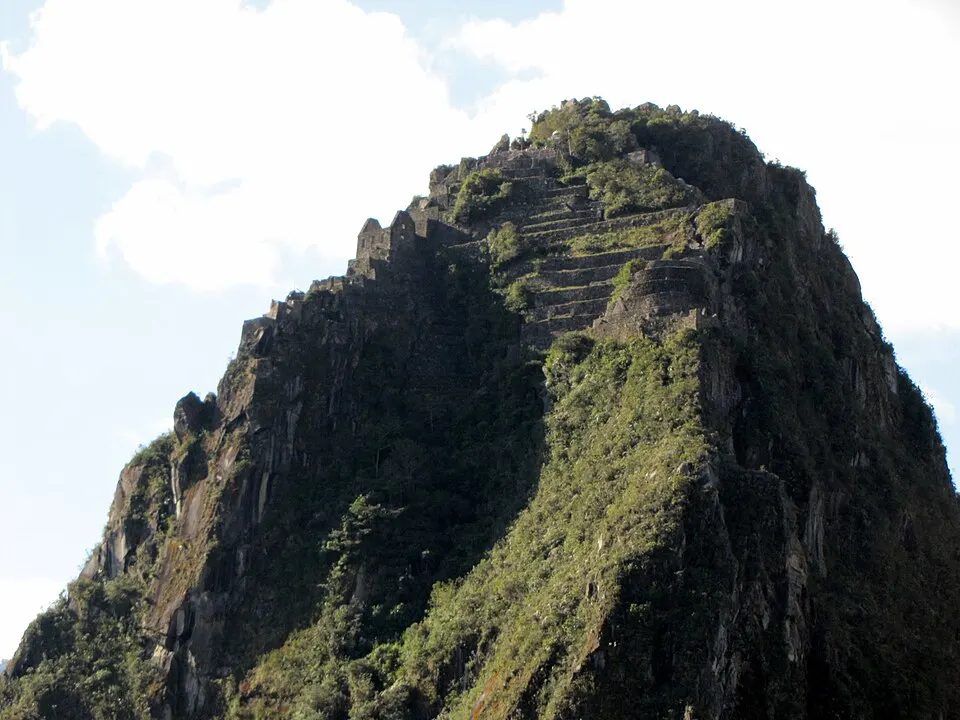
Huayna Picchu Altitude
Huayna Picchu rises dramatically above the archaeological site and reaches a substantially higher elevation than Machu Picchu itself. The mountain’s steep trails create a very different physical experience from simply walking around the archaeological complex.
Machu Picchu Mountain
Machu Picchu Mountain, also called Montaña Machupicchu in the official visitor system, provides another high-elevation hiking option. It rises above the archaeological site and offers broad views of the surrounding mountains and valleys.
These mountain hikes should not be confused with the altitude of the archaeological site itself. Machu Picchu altitude refers to the citadel at approximately 2,430 meters, while Huayna Picchu and Machu Picchu Mountain involve climbing considerably higher.
Machu Picchu Weather
Machu Picchu Weather
Machu Picchu has a humid mountain climate influenced by its position on the eastern side of the Andes. Weather can change quickly, and visitors may experience sunshine, cloud, mist or rain during the same visit.
The surrounding mountains influence local weather conditions, while the site’s proximity to the upper Amazon Basin contributes to its lush vegetation.
Dry Season
The dry season generally brings lower rainfall and more favorable conditions for hiking and photography. However, “dry season” does not mean that rain is impossible. Mountain weather can change rapidly.
Clear mornings can provide spectacular views, while clouds can move across the mountains during the day and create the characteristic misty atmosphere often associated with Machu Picchu.
Rainy Season
The rainy season brings more frequent precipitation, particularly during the wetter months. Rain can make trails slippery and may reduce visibility temporarily.
However, rainy periods also have advantages for photographers and nature lovers. The vegetation becomes intensely green, waterfalls and streams can become more active, and clouds can create dramatic scenery around the archaeological site.
Temperatures and Rainfall
Temperatures vary with elevation, season, cloud cover and time of day. Mornings can feel cool, while sunlight can become surprisingly strong later in the day.
Because conditions are variable, travelers should prepare for several possibilities rather than relying on a single weather forecast.
What to Pack for Machu Picchu
Useful items include:
- Lightweight rain jacket
- Comfortable hiking shoes
- Small backpack
- Reusable water bottle
- Sun protection
- Hat or cap
- Insect repellent
- Light layers
- Camera or phone
- Waterproof protection for electronics
- Personal medication
- Identification and required travel documents
A good strategy is to dress in layers. Conditions can change quickly between the early morning, midday and afternoon.
Machu Picchu Hike and Hiking Routes
Machu Picchu Hike
A Machu Picchu hike can mean several different experiences. Some visitors simply walk through the archaeological site, while others choose an additional mountain route or arrive through a multi-day trekking route.
The important distinction is that visiting Machu Picchu and hiking to Machu Picchu are not necessarily the same thing.
Inca Trail
The Inca Trail is one of the most famous trekking routes associated with Machu Picchu. Traditional multi-day versions cross Andean landscapes before reaching the archaeological area.
The trail provides a different perspective because the journey itself becomes part of the experience. Trekkers encounter mountains, archaeological sites, changing ecosystems and stone pathways before arriving at Machu Picchu.
Huayna Picchu
Huayna Picchu is the steep mountain immediately recognizable behind many classic photographs of Machu Picchu. Its hiking route is considerably more demanding than a normal archaeological circuit because of steep stairs and exposure in certain sections.
Visitors choosing this option should consider fitness, weather and comfort with heights.
Machu Picchu Mountain
Machu Picchu Mountain provides another hiking option with extensive views. The climb is longer and more physically demanding than simply touring the citadel.
It is particularly attractive to travelers who want a panoramic perspective rather than focusing exclusively on the archaeological structures.
Current Hiking Routes and Visitor Circuits
The visitor system has changed in recent years. Since June 1, 2024, the official system has operated with three principal circuits grouping ten routes. These include panoramic routes, classic Machu Picchu routes, Huayna Picchu, Machu Picchu Mountain, Huchuypicchu and other specialized routes.
The current structure includes:
- Circuit 1 – Panoramic
- Machu Picchu Mountain
- Upper Terrace
- Intipunku during the designated season
- Inka Bridge during the designated season
- Circuit 2 – Classic Machu Picchu
- Designed classic route
- Lower Terrace route
- Circuit 3 – Royalty
- Huayna Picchu Mountain
- Designed route
- Great Cavern during the designated season
- Huchuypicchu during the designated season
Because routes and seasonal availability can change, travelers should verify the circuit attached to their ticket before visiting.
Machu Picchu Vacation: How to Plan Your Visit
Machu Picchu Vacation
A Machu Picchu vacation can be designed in several ways, from a short visit focused on the archaeological site to a longer Peru itinerary combining Cusco, the Sacred Valley and one or more hiking routes.
A comfortable itinerary normally allows enough time to travel from Cusco to the Machu Picchu area rather than trying to rush through the destination in a single day.
How to Get to Machu Picchu
There is no ordinary road directly connecting Cusco with the archaeological site. Travelers generally combine road, train and/or walking transportation.
A common route is:
Cusco → Sacred Valley → Ollantaytambo or another rail station → Machu Picchu Pueblo → Machu Picchu
Another possibility is arriving through a trekking route such as the Inca Trail.
The exact transportation combination depends on the itinerary, budget, train schedule and whether the traveler is hiking.
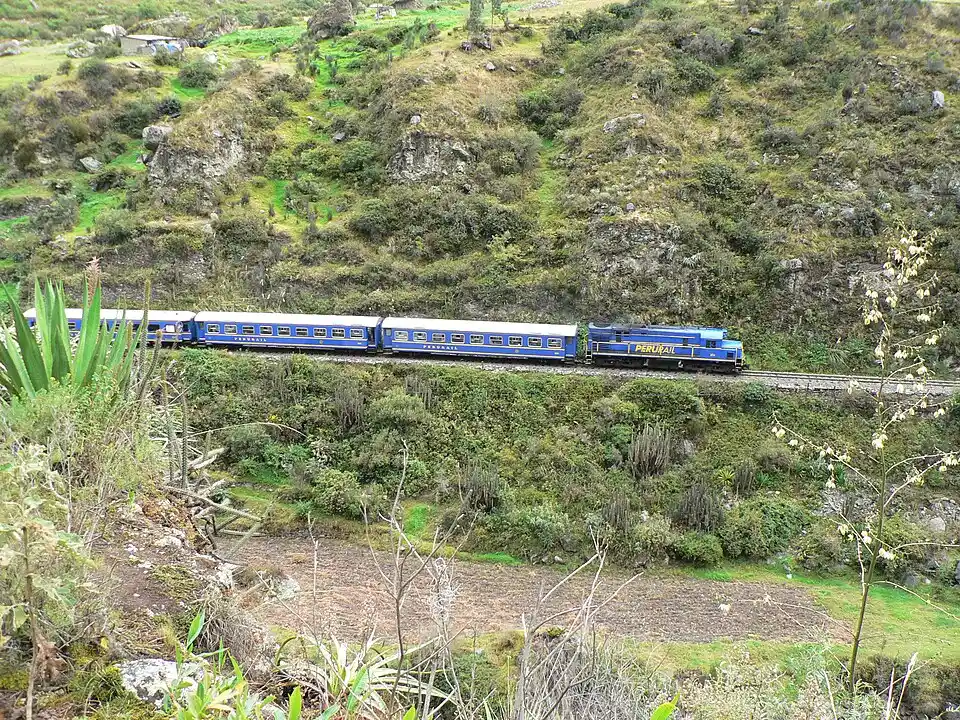
Train to Machu Picchu
The train is one of the most popular ways to reach Machu Picchu Pueblo. The journey passes through dramatic Andean scenery before entering increasingly humid mountain environments.
For travelers who are not completing a multi-day trek, the train offers an efficient connection between the Sacred Valley area and Machu Picchu Pueblo.
Machu Picchu Entrance Tickets
Entrance to the archaeological site requires an official ticket associated with a specific visitor route. The official system currently sells tickets through Peru’s state platform for cultural-center visits.
This is particularly important because travelers should not assume that one generic “Machu Picchu ticket” provides access to every route.
Why Booking the Correct Circuit Matters
Your selected route determines what you can see. A traveler interested in Huayna Picchu, Machu Picchu Mountain or a classic archaeological circuit should choose the corresponding option when purchasing the ticket.
The current official visitor system lists different routes under the three main circuits.
Accommodation
Most visitors stay either in Cusco, the Sacred Valley or Machu Picchu Pueblo before visiting the archaeological site.
Staying in Machu Picchu Pueblo can make an early visit more convenient because travelers are already close to the entrance area. Staying in Cusco or the Sacred Valley can make sense for travelers who want to incorporate Machu Picchu into a broader Peru itinerary.
Machu Picchu Tours
Tours can simplify transportation, entrance arrangements and guiding. A guided visit can also provide valuable context about architecture, religion, agriculture and the Inca worldview.
For independent travelers, it is possible to organize transportation and tickets separately, but careful coordination is important because the entrance route, train schedule and local transportation all need to work together.
Suggested Machu Picchu Itinerary
One-Day Machu Picchu Visit
A compact itinerary can involve an early departure toward Machu Picchu Pueblo, transportation to the archaeological site, a scheduled visit through the selected circuit and return by train later in the day.
This option is efficient but leaves less time for unexpected delays or a relaxed exploration of the surrounding region.
Two-Day Machu Picchu Itinerary
A two-day itinerary provides more flexibility:
Day 1
- Travel from Cusco or the Sacred Valley
- Arrive in Machu Picchu Pueblo
- Accommodation
- Explore the town
- Prepare for the following day’s visit
Day 2
- Early transportation toward Machu Picchu
- Visit the archaeological site
- Complete the selected circuit or mountain route
- Return to Machu Picchu Pueblo
- Train toward the Sacred Valley or Cusco
For many travelers, this format reduces the pressure of trying to coordinate every part of the journey on one day.
Unusual and Interesting Facts About Machu Picchu
Machu Picchu Was Designed Around the Mountain
One of the most unusual characteristics of Machu Picchu is that the architecture does not appear to have been imposed on a flat landscape. Instead, the settlement was designed around an extremely steep mountain environment.
Walls, terraces, pathways and structures follow the natural topography, making the architecture appear integrated into the mountainside. UNESCO specifically highlights the exceptional relationship between the archaeological structures and their natural setting.
Machu Picchu Is Part of a Huge Natural Sanctuary
When people imagine Machu Picchu, they usually picture the famous citadel. But the protected Historic Sanctuary extends far beyond the archaeological site.
The larger protected landscape includes mountains, valleys, cloud forests, archaeological remains, trails and highly diverse habitats. This makes Machu Picchu both a cultural and natural destination.
The Site Contains Multiple Ecological Zones
The sanctuary’s dramatic changes in elevation create different environmental conditions within a relatively compact geographical area. High Andean landscapes transition through cloud forest toward tropical environments associated with the Amazon Basin.
This ecological diversity is one reason the surrounding sanctuary contains a remarkable variety of plants and animals.
The Original Purpose Remains Partly Unresolved
Despite decades of archaeological research, not every question about Machu Picchu has been answered. Researchers continue to study the site’s religious, astronomical, agricultural and political functions.
This uncertainty is part of what makes Machu Picchu particularly fascinating: the physical structures survive, but many aspects of the original human stories behind them have to be reconstructed from archaeology, architecture, landscape and comparative evidence.
Machu Picchu Is More Than a Ruin
The combination of architecture, agriculture, water engineering and landscape management demonstrates that Machu Picchu was an organized settlement rather than simply a collection of ceremonial monuments.
Its terraces, roads, drainage systems, buildings and plazas formed an interconnected system adapted to a difficult environment.
Why Machu Picchu Remains Unusual Today
Machu Picchu is unusual because several characteristics rarely occur together in one archaeological destination. It combines a highly sophisticated ancient settlement, dramatic mountain geography, tropical cloud forest, agricultural engineering, religious architecture and a large protected natural landscape.
The site also illustrates a broader characteristic of Inca civilization: the ability to organize human settlements according to the geography of the Andes rather than treating mountains as barriers.
Today, protecting this relationship between culture and nature is a major management challenge. Tourism must be organized carefully because the site is exposed to steep terrain, intense rainfall, erosion and the pressures associated with large numbers of visitors. UNESCO continues to identify conservation, transportation, infrastructure and environmental management as important issues for the sanctuary.
Final Guide to Machu Picchu
Machu Picchu is located in Peru’s Cusco region, approximately 2,430 meters above sea level, in a spectacular mountain environment where the Andes meet the upper Amazon Basin. Its history is closely connected with the Inca civilization, and its architecture demonstrates extraordinary knowledge of stone construction, agriculture, water management and mountain engineering.
For travelers, the most important subjects to understand are its location, history, altitude, weather and visitor routes. The Machu Picchu hike can range from a relatively straightforward archaeological visit to challenging mountain routes such as Huayna Picchu or Machu Picchu Mountain, while the Inca Trail offers an entirely different multi-day approach.
A successful Machu Picchu vacation also requires attention to practical details. Transportation, train schedules, accommodation and entrance tickets should be coordinated before the journey. The current official visitor system uses three principal circuits containing ten routes, so selecting the appropriate circuit is now an important part of planning a visit.
Most importantly, Machu Picchu should be understood not simply as an iconic photograph or ancient ruin. It is a complex cultural landscape where Inca architecture, agriculture, engineering, mountains, cloud forest and biodiversity exist together. That combination is what makes Machu Picchu one of the most extraordinary archaeological landscapes in Peru and one of the world’s most fascinating surviving examples of how human civilization can adapt to an extreme natural environment.
Hi, this is a comment.
To get started with moderating, editing, and deleting comments, please visit the Comments screen in the dashboard.
Commenter avatars come from Gravatar.