Knowing what to bring to Machu Picchu makes your visit more comfortable and helps you avoid problems at the entrance. The essentials are straightforward: your admission ticket, the original identification associated with your reservation, a compact daypack, drinking water, weather protection, and comfortable walking shoes. However, your final packing list should reflect your travel month, ticketed route, and whether you are arriving by train or completing a multiday trek.
This guide groups your Machu Picchu packing essentials into practical categories, including entry documents, clothing, permitted belongings, seasonal adjustments, and hiking equipment. It also explains what to leave behind. Visitor regulations and access arrangements can change, so check the conditions attached to your ticket and the latest guidance from Peru’s Ministry of Culture before traveling.
Machu Picchu Packing Essentials: What Do You Need to Bring?
If you are wondering what do you need to bring to Machu Picchu, start with items that support entry, hydration, safe walking, and changing weather. Most visitors need considerably less than they expect. The archaeological site has uneven stone paths, stairs, and exposed areas, making a lightweight bag more useful than a large backpack filled with backup equipment. Leave your main luggage at your accommodation or an appropriate storage facility.
Admission Ticket and Original Identification
Bring your Machu Picchu admission ticket and the original identification document linked to the reservation. For many international travelers, this will be a passport, although accepted identification depends on the visitor category and booking requirements. Check that your personal details match before departure. Save an offline copy of your ticket, and consider carrying a printed backup. If you booked a discounted ticket, bring any additional documentation required to demonstrate eligibility.
A Small, Comfortable Daypack
Choose a compact daypack that holds your essentials without becoming bulky. Published visitor rules have commonly specified a maximum bag size of 40 × 35 × 20 centimeters; confirm the current limit before your visit. External dimensions matter more than the backpack’s advertised capacity. A lightweight pack with comfortable straps and a rain cover is usually sufficient. Avoid attaching equipment to the outside, where it can swing into walls, other visitors, or narrow passageways.
Drinking Water in a Reusable Bottle
Carry drinking water in a reusable bottle and do not rely on finding drinking-water refill points inside the archaeological area. Around one to two liters may suit many standard visits, but requirements vary with temperature, walking time, physical exertion, and individual needs. Longer mountain routes require more careful planning. Check current restrictions on disposable plastic bottles, and choose a durable, leakproof container that fits securely inside your pack.
Comfortable Shoes With Reliable Traction
Broken-in walking shoes or trail shoes are suitable for many standard Machu Picchu visits. The priority is reliable grip on stone steps, especially when they are wet. Supportive hiking footwear becomes more useful for mountain routes or longer treks. Avoid slippery soles, high heels, and brand-new boots. If you already own comfortable shoes that perform well on uneven terrain, you probably do not need to buy heavy hiking boots for the citadel alone.
Sun Protection, Insect Repellent, and Personal Medication
Pack sunscreen, sunglasses, and a secure-fitting sun hat because cloud cover does not eliminate ultraviolet exposure. Insect repellent is also useful around Machu Picchu’s humid vegetation, particularly for visitors prone to bites. Lightweight long sleeves offer additional coverage. Carry necessary personal medication, along with a few basic items such as blister dressings. Keep medical essentials accessible and protected from moisture rather than buried beneath clothing or camera accessories.
What Are You Allowed to Bring to Machu Picchu?
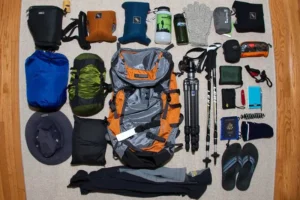
Questions such as what are you allowed to bring to Machu Picchu and what can you bring to Machu Picchu are best answered by separating ordinary personal essentials from restricted equipment. A small compliant bag, appropriate clothing, drinking water in a reusable container, and a phone or ordinary handheld camera generally fit a standard sightseeing visit. Permission is not unlimited, however: conservation rules, security checks, and your ticketed route determine what is appropriate.
Phones, Cameras, and Small Electronics
A smartphone or handheld camera is normally sufficient for personal travel photography. Bring a charged battery and enough storage space rather than a large collection of lenses and accessories. A compact power bank can be useful if you depend on your phone for tickets and transport details. Professional filming equipment, drones, tripods, and camera supports are subject to restrictions or authorization requirements. Do not assume that equipment allowed at other attractions will be accepted here.
Rain Jackets, Ponchos, and Protective Covers
A packable waterproof jacket is one of the most useful items on any Machu Picchu packing list. A reusable poncho can also help, provided it does not drag on steps or interfere with walking. Protect your belongings with a backpack cover or waterproof inner pouch. Umbrellas are listed among restricted items in published visitor rules, so wearable rain protection is the better choice. Keep your hands free for balance on steep or slippery sections.
Can You Bring Food to Machu Picchu?
Food is generally prohibited inside the archaeological site. Do not plan to picnic, unpack snacks, or eat lunch among the ruins. Have a meal before entering and arrange your next meal outside the controlled visitor area. If you need food for a medical reason or have an infant-related requirement, contact the relevant authority or your operator beforehand rather than assuming an exception. Trekking food arrangements outside the citadel are a separate matter.
Food on the Journey Versus Food Inside the Ruins
You may need snacks while traveling by train, waiting for transport, or hiking on an authorized trail, subject to the rules of each service or route. That does not mean you should carry those snacks through the Machu Picchu entrance. Separate your travel supplies from your site daypack before arrival. Leave unnecessary food with your accommodation or in an appropriate storage arrangement, and never feed wildlife or leave food scraps behind.
What Not to Bring to Machu Picchu
Understanding what not to bring to Machu Picchu is just as important as packing the essentials. The site is a protected archaeological landscape, not an unrestricted recreation area. Bulky belongings can obstruct narrow routes, while certain equipment can damage surfaces or disturb other visitors. Review the full official prohibited-items list shortly before traveling, especially if you intend to carry specialist photography gear, mobility equipment, or anything unusual.
Oversized Bags and Unnecessary Equipment
Leave suitcases, large trekking backpacks, folding seats, and bulky recreational equipment outside the site. Even if you are continuing a longer Peru itinerary, your Machu Picchu daypack should contain only what you need for the visit. Check storage options before arriving rather than assuming every item can be accommodated at the entrance. Train luggage allowances are separate from archaeological-site bag restrictions, so you may need to satisfy both sets of requirements.
Restricted Accessories and Potentially Harmful Objects
Published restrictions cover items such as drones, selfie sticks or similar camera extensions, umbrellas, weapons, and objects that can threaten conservation or visitor safety. Alcohol and disruptive audio equipment also have no place in your sightseeing bag. Avoid packing knives or multitools simply because they are part of your usual hiking kit. When an item is not essential and its status is uncertain, leaving it behind is usually the simplest solution.
Trekking Poles and Accessibility Equipment
Do not assume ordinary trekking poles are permitted inside the archaeological site merely because you used them on an approach trek. Visitor rules restrict walking sticks and similar equipment, with provisions that may apply to certain mobility needs and protective tips. If you require a mobility aid, confirm the current accessibility arrangements and permitted equipment in advance. The terrain includes numerous steps, so route suitability deserves attention beyond the question of what equipment you can carry.
What Clothes to Pack for Machu Picchu
The best Machu Picchu clothing works across cool mornings, humid afternoons, sunshine, and sudden showers. Rather than packing one heavy outfit, use lightweight layers that you can adjust while walking. Quick-drying fabrics are particularly useful because damp clothing can feel uncomfortable during transport or changing weather. Your clothing should allow unrestricted movement on stairs without loose fabric catching underfoot.
Lightweight Layers for Changing Temperatures
Start with a breathable shirt, add a light fleece or similar insulating layer, and carry a waterproof outer shell. You may need the warmer layer during an early departure from Aguas Calientes and remove it once you begin climbing steps. Visitors traveling from Cusco should remember that Cusco is higher and often colder than Machu Picchu. Pack for both destinations, but leave unnecessary cold-weather clothing at your accommodation during the site visit.
Trousers, Socks, and Small Clothing Extras
Lightweight hiking trousers offer sun and insect coverage without the bulk of heavy jeans. Shorts can be comfortable in warm conditions, although they leave more skin exposed. Wear socks that work well with your shoes and minimize rubbing. In wetter months, a spare pair of socks stored in a waterproof pouch can improve comfort afterward. Avoid carrying a full change of clothes unless your wider itinerary genuinely requires one.
Seasonal Machu Picchu Packing List by Month
Machu Picchu’s wetter season generally runs from roughly November through March, while May through September is typically drier. April and October often bring transitional conditions. These patterns are useful for planning, not guarantees: rain can occur throughout the year, and mountain weather changes quickly. Use the following monthly guidance alongside a short-range forecast, and retain basic rain and sun protection regardless of your travel dates.
What to Pack for Machu Picchu in May
If you are deciding what to pack for Machu Picchu in May, prioritize versatile layers and comfortable walking footwear. May often marks the transition toward drier conditions, but showers remain possible. A breathable shirt, lightweight trousers, light fleece, and waterproof jacket make a practical combination. Early departures can feel cool, especially during the Cusco portion of your trip. Keep sunscreen, a hat, and insect repellent accessible rather than treating them as optional extras.
- Breathable daytime clothing and a light insulating layer.
- Packable rain jacket and small backpack cover.
- Broken-in walking shoes with dependable grip.
What to Bring to Machu Picchu in September
Travelers researching what to bring to Machu Picchu in September should prepare for generally drier conditions while retaining protection against occasional rain. Sun exposure can be significant on open paths, so sunscreen, sunglasses, and a secure hat belong in your daypack. Morning temperatures and shaded areas can feel cooler than sunny walking sections. A removable light layer is more useful than a bulky coat that occupies most of your bag.
What to Pack for Machu Picchu in September: Practical Priorities
The answer to what to pack for Machu Picchu in September changes slightly if your ticket includes a mountain hike. Add sufficient water, choose footwear you trust on long stairways, and keep your pack particularly light. For a standard circuit, the core checklist is usually enough. September does not justify leaving rain protection behind; a compact waterproof shell remains useful insurance against changing conditions without adding much weight.
What to Bring to Machu Picchu in October
When planning what to bring to Machu Picchu in October, give rain protection greater priority. October is typically a transitional month, with rainfall becoming more likely as the wetter season approaches. Pack a waterproof jacket, quick-drying trousers, and a protective pouch for documents and electronics. Footwear with good traction matters more than fashionable styling. A light insulating layer is still worthwhile for early starts, but avoid overpacking heavy clothing for the generally milder site environment.
- Waterproof outer layer and protected document storage.
- Quick-drying clothing for humid or showery conditions.
- Reliable shoe tread for potentially wet stone steps.
What to Pack for Machu Picchu in November
If your question is what to pack for Machu Picchu in November, build your list around wetter weather without forgetting sun protection. Showers, humidity, and bright intervals can occur during the same visit. Carry dependable rainwear rather than relying on a last-minute purchase. Keep your phone, ticket backup, and identification in a waterproof pouch. Spare socks are useful for the journey afterward, while breathable layers help prevent overheating beneath a rain jacket.
What to Bring to Machu Picchu in December
For travelers asking what to bring to Machu Picchu in December, waterproofing is a central concern. December falls within the wetter season, so prepare for rain, slippery surfaces, and possible transport disruptions. Pack a waterproof jacket or practical reusable poncho, quick-drying clothing, and shoes suited to wet steps. Protect electronics inside your bag rather than trusting a backpack’s fabric alone. Continue carrying sunscreen and insect repellent, since rainy-season travel does not mean uninterrupted cool or cloudy weather.
Wet-Season Packing Adjustments
Wet-season preparation is less about carrying more belongings and more about keeping essentials usable. Place documents and electronics inside waterproof pouches, choose clothing that dries quickly, and avoid filling your bag with absorbent cotton layers. If you are trekking, discuss route conditions and equipment with your operator. Trail access, transport, and mountain-route availability can change because of weather, so allow flexibility rather than relying solely on a packing checklist.
What to Bring to a Machu Picchu Hike
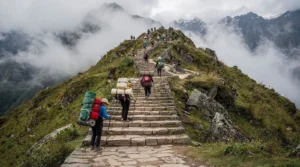
The answer to what to bring to Machu Picchu hike depends on the route. Walking a standard citadel circuit is different from climbing Huayna Picchu, hiking Machu Picchu Mountain, following the Inca Trail, or completing the Salkantay Trek. Mountain routes require the appropriate ticket or reservation, while multiday treks involve separate logistics. Confirm your exact itinerary before purchasing equipment or assuming that one packing list covers every option.
Huayna Picchu and Machu Picchu Mountain Day Hikes
For a ticketed mountain hike, prioritize secure footwear, adequate water, breathable clothing, and a lightweight pack. Some sections involve steep or sustained stairs, and wet conditions increase the need for careful footing. Keep your hands free and avoid loose accessories that can snag or swing. Check your route’s entry time, eligibility conditions, and specific rules before arrival. A mountain ticket does not automatically give unrestricted access to every part of the archaeological site.
Inca Trail Packing List Essentials
A multiday Inca Trail packing list requires more than a sightseeing daypack. Depending on your operator’s arrangements, you may need a sleeping bag, sleeping mat, headlamp, warmer layers, trekking clothing, personal toiletries, and camp footwear. Ask which items are supplied and which can be rented. Confirm porter or duffel weight limits before packing. Keep essential medication, rainwear, and daytime necessities with you rather than in luggage carried separately.
Separate Trekking Supplies From Citadel Belongings
Food, camping equipment, and trekking poles may be appropriate on authorized trail sections under the applicable rules, but that does not automatically make them acceptable inside Machu Picchu. Ask your guide how restricted items will be managed before the final visit. This distinction is especially important for travelers arriving directly from a trek. Prepare a smaller site-ready kit rather than expecting to enter with every item used along the trail.
Salkantay Trek Clothing and Equipment
A Salkantay Trek packing list must account for colder, higher-elevation terrain as well as warmer, humid lower sections. You may need thermal layers, a warm hat, gloves, and more substantial insulation than you would carry into Machu Picchu itself. Your operator should provide route-specific recommendations and clarify sleeping arrangements. Do not judge the trek’s equipment needs by the weather forecast for Aguas Calientes alone; conditions differ considerably across the itinerary.
Practical Packing Tips for a Smooth Visit
The most useful packing decisions often happen before you leave your hotel. Check your ticket, organize transport documents, use the bathroom, and remove prohibited or unnecessary items from your bag. Keep small essentials together so you do not need to unpack everything at the entrance. A tidy, lightweight setup reduces stress and makes it easier to concentrate on walking safely and enjoying your scheduled route.
Cash, Toiletries, and Bathroom Planning
Carry a modest amount of Peruvian soles for incidental expenses outside the site, such as toilets or storage where available. Bring tissues and a small hand sanitizer, but avoid a bulky toiletry kit. Toilets are outside the archaeological visitor area, so use them before entering. Do not assume you can leave and re-enter freely: ticket conditions and controlled routing can limit that option. Plan personal needs around your scheduled visit.
Altitude Awareness and Medical Essentials
Machu Picchu is lower than Cusco, but many visitors reach it after spending time at higher elevations. Allow time to acclimatize within your broader itinerary and avoid assuming that a packing product can prevent altitude illness. Bring your prescribed medication and seek individualized medical advice if you have relevant health concerns. Significant symptoms deserve medical assessment, not simply additional water or painkillers. For strenuous hikes, evaluate fitness and altitude exposure before committing.
Machu Picchu Packing List: Reddit Advice Versus Official Rules
A search for “Machu Picchu packing list Reddit” can reveal practical traveler experiences, including which shoes felt comfortable, whether a jacket was warm enough, or how much water someone used. These accounts can help you compare preferences, but they are not authoritative permission to bring restricted items. Posts may describe different routes, older regulations, or inconsistent enforcement. Advice such as “my bag was never checked” should not shape your packing decisions.
How to Evaluate Traveler Recommendations
Check when a recommendation was posted, which month the traveler visited, and whether they completed a standard circuit or a multiday trek. A July trekker and a December train passenger have different needs. Use recent firsthand accounts for comfort tips, official information for entry requirements, and your operator for trek logistics. Be especially cautious with informal claims about food, poles, bag dimensions, re-entry, or access to routes not included on your ticket.
Final Machu Picchu Packing Checklist
Before leaving, compare your bag with this checklist and remove anything that does not serve your specific visit. The goal is not to carry every potentially useful travel item. It is to arrive with valid documents, enough water, appropriate clothing, and dependable protection from sun and rain while respecting the site’s conservation rules.
- Entry: admission ticket, required original identification, and eligibility documents if applicable.
- Bag: compact daypack within current size limits.
- Hydration: drinking water in a reusable bottle.
- Clothing: breathable layers and a waterproof jacket.
- Footwear: comfortable shoes with reliable traction.
- Protection: sunscreen, sunglasses, hat, and insect repellent.
- Personal needs: essential medication, tissues, and small hand sanitizer.
- Electronics: phone or handheld camera, protected from moisture.
- Outside-site expenses: a small amount of local cash.
Ultimately, the best answer to what to bring to Machu Picchu is a small, carefully chosen collection of essentials. Adjust it for your month and route, verify current rules, and leave bulky or restricted belongings behind.