The best Machu Picchu packing list depends on how you travel, when you visit, and whether you hike or arrive by train. A guided circuit through the archaeological site requires a compact daypack, weather protection, and comfortable shoes. The Inca Trail and Salkantay Trek demand additional clothing, overnight equipment, and a carefully managed luggage allowance.
Machu Picchu sits in a humid mountain environment where sunshine, rain, cool breezes, and biting insects can appear on the same day. Meanwhile, Cusco and the higher trekking passes can be considerably colder. Packing for those differences matters more than bringing an outfit for every possible forecast.
This guide organizes essentials by priority, travel style, and month. Entry conditions and operator allowances can change, so confirm current requirements with your ticket provider, trek operator, and train company before departure.
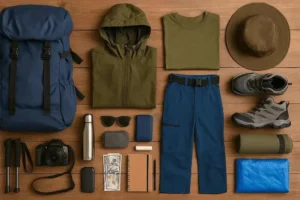
Machu Picchu Packing Essentials: Start With Your Travel Style
Day Trip by Train and Bus
If you travel through Ollantaytambo or Cusco and stay in Aguas Calientes, your archaeological-site packing list should be deliberately small. Leave suitcases and unnecessary clothing at your accommodation or an appropriate luggage-storage service. Carry only what you need for your assigned entry time and circuit: identification, admission documents, water, rain protection, sun protection, and essential personal items. Even relatively short routes involve uneven stone paths, stairs, and limited shade.
Multi-Day Trek to Machu Picchu
A trekking itinerary requires two packing systems: a daypack containing essentials you need while walking and a separate overnight bag transported according to your operator’s arrangements. Do not assume all tours include sleeping bags, mattresses, pillows, or the same baggage allowance. Request an equipment list showing what is provided, what can be rented, and whether the weight limit includes rented sleeping equipment. Your final visit to Machu Picchu still requires a compact, compliant bag.
Essential Documents, Health Items, and Electronics
Passport, Entry Ticket, and Transport Reservations
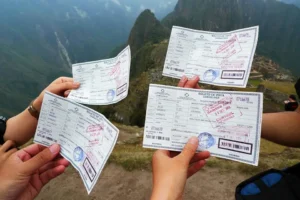
Carry the original passport or accepted identification associated with your Machu Picchu booking. Names and document information should match your reservation. Save offline copies of admission tickets, train bookings, accommodation details, and your guide’s contact information. A waterproof document pouch protects paperwork from sudden rain. If you renewed your passport after booking, ask the ticket issuer how to update or document the change before traveling.
- Original identification used for the reservation
- Machu Picchu admission ticket and circuit details
- Train tickets and other required transport reservations
- Travel insurance information and emergency contacts
- Payment card and some Peruvian soles
Medication and a Compact Personal Health Kit
Bring prescribed medication in its original packaging, plus a small supply of blister dressings, adhesive bandages, and any familiar over-the-counter remedies you may reasonably need. Keep essential medication in your daypack rather than transported luggage. Travelers concerned about altitude illness should seek individualized medical advice before departure; medication does not replace acclimatization. Cusco and the trekking passes are substantially higher than Machu Picchu, so consider the entire itinerary when planning.
Phone, Camera, and Portable Charging
A phone or lightweight camera is usually enough for sightseeing. Download tickets, maps, and essential contacts before leaving reliable internet access. Carry a compact power bank for longer travel days, storing it according to airline rules during flights. Protect electronics with a dry bag or waterproof pouch rather than relying solely on a backpack cover. Keep photography equipment minimal: bulky accessories add weight, and some equipment requires authorization or is restricted at the site.
Best Clothing and Footwear for Machu Picchu
Lightweight Layers and Waterproof Protection
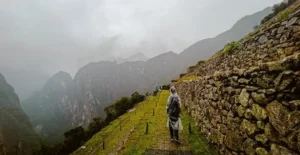
Choose quick-drying clothing that handles both humidity and cooler conditions. A breathable shirt, lightweight hiking trousers, and a waterproof jacket form a practical foundation. Add a thin fleece for early starts, especially when your itinerary includes Cusco or the Sacred Valley. Avoid heavy cotton garments for trekking because they retain moisture and dry slowly. A packable poncho can supplement rain protection, but it should not obstruct your movement on stairs.
Recommended Clothing Checklist
Pack according to your laundry options and trip length rather than bringing a complete change for every activity. For a single Machu Picchu visit, one comfortable outfit and an accessible weather layer are normally sufficient. Longer treks require spare socks and a dry sleeping layer, while city stays may justify one additional casual outfit. Clothing that works across several settings keeps your luggage manageable.
- Breathable short-sleeve or long-sleeve shirt
- Lightweight hiking trousers
- Waterproof rain jacket
- Thin fleece or other insulating layer
- Moisture-wicking underwear and hiking socks
- Sun hat and sunglasses
Walking Shoes, Hiking Boots, and Socks
For the archaeological site, prioritize secure footing over heavy footwear. Broken-in trail shoes or lightweight hiking shoes with reliable grip suit many visitors. Multi-day trekkers may prefer boots, depending on terrain, pack weight, and personal support needs. Whatever you choose, test the footwear on stairs and longer walks before departure. Avoid new shoes, smooth soles, and unsecured sandals. Well-fitting synthetic or wool-blend socks help manage moisture and reduce friction.
Daypack Essentials and the Machu Picchu Bag Size Limit
Choosing a Small, Comfortable Backpack
The Machu Picchu bag size limit is commonly published as a maximum of 40 × 35 × 20 centimeters for bags entering the archaeological site. Confirm the current rule before your visit, as restrictions and enforcement can change. A compact daypack is the safest choice, but check its actual external dimensions: a stated capacity such as 20 liters does not guarantee compliance. Avoid overstuffing pockets or attaching bulky items outside.
Water, Sun Protection, and Insect Repellent
Bring drinking water in a reusable bottle and plan your supply around the weather, visit duration, and personal needs. Do not rely on finding refill facilities inside your circuit. Sunscreen, sunglasses, and a secure sun hat are useful even under cloud cover. Insect repellent and lightweight long sleeves help protect against biting insects around Machu Picchu and Aguas Calientes. Apply products before entry when practical and keep small containers accessible for appropriate reapplication.
Rain Covers and Internal Waterproofing
A backpack rain cover helps, but water can still enter around straps, seams, and the back panel. Place passports, electronics, and spare clothing inside lightweight dry bags or a waterproof liner. This layered approach is particularly valuable during the wetter months and on exposed trekking days. Keep your jacket near the top of the pack so you can reach it quickly without unpacking everything in the rain.
Machu Picchu Packing List by Month
Seasonal patterns are useful for planning, but they are not guarantees. May through September generally brings drier conditions, while November through March is typically wetter. April and October are transitional months. Machu Picchu’s cloud-forest setting can produce rain year-round, and weather at the ruins differs from conditions in Cusco or on high mountain passes.
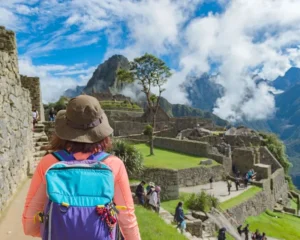
What to Pack for Machu Picchu in May
If you are deciding what to pack for Machu Picchu in May, prepare for a transition toward drier weather without abandoning rain protection. Bring breathable daytime clothing, a waterproof shell, and a light fleece for early departures. Trails and vegetation may still be damp after the rainy season, making grippy footwear important. Trekking itineraries need warmer evening layers than a standard site visit. May is a good example of why versatile clothing beats either a summer-only wardrobe or an unnecessarily heavy winter setup.
- Light fleece and waterproof jacket
- Quick-drying hiking trousers
- Sun hat, sunscreen, and sunglasses
- Grippy shoes and moisture-wicking socks
Machu Picchu Packing List June
A Machu Picchu packing list for June should emphasize sun protection and layers for cold starts. June falls within the generally drier season, but clear conditions can mean chilly nights in Cusco and at mountain camps. Bring an insulating layer for your wider itinerary, while keeping your archaeological-site outfit breathable. Gloves and a warm hat are more relevant to high-altitude trekking than to most daytime visits at the ruins. Keep your rain shell packed despite the more favorable seasonal outlook.
- Breathable base layers and hiking trousers
- Warm layer for Cusco and trekking camps
- High-coverage sun protection
- Lightweight waterproof shell
Machu Picchu Packing List August
Your Machu Picchu packing list for August should balance typically drier walking conditions with cold highland mornings and strong daytime sunshine. Carry a fleece or compact insulated jacket for early travel, but expect to remove layers while climbing steps. A buff can be useful on dusty approaches outside the archaeological site. Avoid treating August as rain-free: a lightweight shell still earns its place. For multi-day hikes, protect your sleeping clothes from moisture and pack reliable cold-weather accessories for camp.
- Layered clothing for changing temperatures
- Secure sun hat and sunglasses
- Light rain jacket
- Warm sleeping layers for trekking itineraries
What to Pack for Machu Picchu in September
When planning what to pack for Machu Picchu in September, allow for generally favorable conditions alongside increasing weather variability. Your Machu Picchu packing list for September should include a breathable shirt, hiking trousers, a waterproof jacket, and a light insulating layer. Keep insect protection available, especially around humid lower elevations. Trekking travelers should carry spare socks and waterproof bags for overnight clothing. Rather than adding lots of garments, choose layers you can combine as cloud cover, sun, and showers change throughout the day.
- Waterproof shell and pack protection
- Quick-drying clothing and spare trekking socks
- Insect repellent and lightweight long sleeves
- Fleece for cool starts and evenings
Machu Picchu Packing List October
A Machu Picchu packing list for October should give waterproofing more attention as the wetter season approaches. Showers can occur between sunny periods, so breathable layers remain useful, but your jacket should provide genuine rain protection rather than only wind resistance. Pack electronics and identification inside waterproof pouches. Shoes with dependable traction matter on damp stone steps, and trekkers benefit from a dry change of socks. Avoid unnecessary bulky clothing that becomes difficult to dry during successive wet days.
- Waterproof jacket with an adjustable hood
- Dry bags for documents and electronics
- Quick-drying trousers and shirts
- Footwear with good wet-surface grip
What to Pack for Machu Picchu in November
If you are researching what to pack for Machu Picchu in November, prioritize a complete wet-weather system. That means a reliable rain jacket, internal bag waterproofing, quick-drying clothing, and footwear you have already tested in damp conditions. A light fleece remains useful, but avoid carrying multiple heavy sweaters. Trekkers should ask operators about expected trail conditions and equipment protection. Keep a dry outfit available for after your visit or hiking day, rather than carrying unnecessary changes inside the archaeological site.
- Waterproof outer layer and pack liner
- Spare socks for trekking
- Lightweight insect-resistant coverage
- Protected storage for essential documents
What to Pack for Machu Picchu in January
Knowing what to pack for Machu Picchu in January means planning for one of the wetter parts of the year. Bring dependable rain protection, moisture-managing clothing, and secure footwear for slippery surfaces. Waterproof trousers may be worthwhile on multi-day hikes, although many day visitors prefer quick-drying trousers with a longer rain jacket. Keep essential medication and electronics sealed against moisture. Ask your operator about seasonal conditions, possible disruptions, and contingency arrangements rather than assuming every trekking route will operate normally.
- Reliable waterproof jacket
- Waterproof trousers when appropriate for trekking
- Dry bags and spare dry clothing
- High-traction, broken-in footwear
Hiking Machu Picchu Packing List: Match Your Gear to the Route
Short Hikes and Mountain Add-Ons
A hiking Machu Picchu packing list for an authorized mountain route should remain light while accounting for steeper terrain and additional exertion. Bring water appropriate to the route, sun protection, a rain shell, and securely fitting shoes. Keep your hands free rather than carrying loose items. Mountain access depends on the specific ticket and route; a standard admission does not automatically include every hike. Confirm age restrictions, permitted belongings, and timing before booking.
Multi-Day Trekking Daypack Essentials
On longer approaches, your daypack must contain anything you may need before reaching the next campsite or accommodation. Transported luggage may be inaccessible throughout the hiking day. Carry weather layers, water, personal medication, a headlamp, and trail snacks where permitted. Keep food for the trekking route separate from your site-entry plan, because food is generally prohibited inside Machu Picchu. Your operator should explain where remaining trekking items will be stored before admission.
Inca Trail Machu Picchu Packing List

Sleeping Equipment and Operator Allowances
An Inca Trail Machu Picchu packing list starts with your operator’s equipment arrangements. Confirm whether your booking includes a sleeping bag, sleeping mat, tent, and pillow, and check the suitability of any rental gear for expected overnight conditions. Ask specifically about the personal duffel allowance and whether sleeping equipment counts toward it. Packing lists copied from another company can be misleading because porter arrangements and service inclusions differ.
Clothing for Walking and Camp
Separate your active hiking clothes from a protected set of sleeping clothes. Bring moisture-wicking base layers, hiking trousers, a fleece, an insulated jacket, waterproof outerwear, and sufficient socks for the itinerary. A warm hat and gloves are useful at higher elevations and cold camps. Lightweight camp footwear can provide relief after walking, but only include it if your allowance permits. Rewearing suitable hiking layers helps control weight without compromising warmth.
Headlamp, Toiletries, and Trekking Poles
A headlamp is essential for early starts and moving around camp after dark. Add a small toiletry kit, hand sanitizer, and personal toilet paper or tissues, following your operator’s disposal instructions. Trekking poles can help on long descents, but their use on the trail does not mean they are permitted inside the archaeological site. Ask your guide about storage and current restrictions. Pack all personal rubbish out where required, including wipes.
- Correctly rated sleeping bag and suitable sleeping mat
- Headlamp with dependable battery capacity
- Warm, dry sleeping layers
- Rain jacket and appropriate rain trousers
- Personal hygiene supplies and blister care
- Daypack and operator-approved overnight duffel
Salkantay Trek to Machu Picchu Packing List
Prepare for High Passes and Humid Lower Elevations
A Salkantay Trek to Machu Picchu packing list must cover dramatic environmental changes. Common itineraries cross a pass around 4,600 meters before descending toward warmer, more humid landscapes. Cold, wind, rain, and potentially wintry conditions at higher elevations make insulation and waterproofing important even when lower sections feel warm. Bring thermal layers, a warm jacket, gloves, and a hat alongside breathable clothing, sunscreen, and insect repellent.
Camping Versus Lodge Accommodation
Salkantay itineraries vary widely, from camping departures to lodge-based trips. Do not assume that every tour requires the same sleeping system or includes heated rooms, bedding, towels, or charging facilities. Ask for a night-by-night accommodation description and an explicit equipment checklist. Even when bedding is supplied, warm sleepwear may be useful. If camping, choose sleeping equipment according to expected conditions and your own cold tolerance, with advice from the operator.
Footwear, Transported Bags, and Final-Day Packing
Use thoroughly tested footwear that remains comfortable on long climbs and descents. Waterproof boots can help in wet or cold conditions, but they may feel warmer in humid sections and still need careful drying if soaked. Confirm transported-bag weight limits and access arrangements. Before reaching Machu Picchu, reorganize into your small site-entry bag and store trekking poles, overnight equipment, and excess clothing as directed.
What Not to Bring to Machu Picchu
Restricted, Prohibited, and Unnecessary Items
Knowing what not to bring to Machu Picchu prevents delays and protects the site. Oversized bags, drones, and food are generally prohibited, while tripods, selfie sticks, umbrellas, and walking sticks are restricted under site rules. Mobility aids may be treated differently, so confirm arrangements if you need one. Do not assume an exception applies without checking. A reusable water bottle and compact rain jacket are more practical choices than disposable containers or a bulky umbrella.
- Large backpacks, suitcases, and camping equipment
- Drones and unauthorized professional filming equipment
- Food, alcohol, and prohibited disposable items
- Speakers and other disruptive equipment
- Trekking poles or accessories not permitted under current rules
Leave Valuables and Extra Outfits Behind
Expensive jewelry, laptops, multiple camera lenses, and full changes of clothing rarely improve a site visit. They increase weight and complicate storage or security. Take only the electronics and personal items you will actually use. Wear your hiking outfit, carry one useful weather layer, and leave larger luggage at an appropriate secure location. Packing light also makes it easier to negotiate narrow paths without bumping other visitors.
Packing List for Peru, Machu Picchu, and the Sacred Valley
Adapt Your Main Luggage to the Whole Itinerary
A packing list for Peru and Machu Picchu should account for destinations beyond the ruins. Lima’s coastal conditions, Cusco’s cool evenings, and Amazon excursions require different combinations of clothing. Build around versatile layers and add specialist items only for confirmed activities. Keep your main luggage separate from your Machu Picchu daypack, and check train baggage limits independently. Train allowances are not the same as the archaeological site’s bag-size restriction.
Allow for Acclimatization and Practical Travel Days
Pack so that travel-day essentials remain accessible: identification, medication, water, a warm layer, and charging equipment should not be buried in a suitcase. Plan acclimatization time before strenuous high-altitude trekking, and seek medical advice for relevant health concerns. Good organization cannot prevent altitude illness, but it can reduce unnecessary exertion and stress. Avoid scheduling choices that leave no flexibility for rest, transport changes, or weather-related adjustments.
Final Machu Picchu Packing Checklist
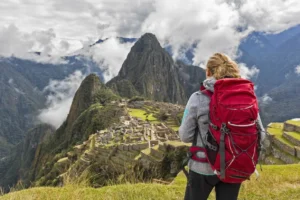
Check Your Bag Before Leaving Your Accommodation
Review your ticket time, circuit, identification, and transport arrangements before departure. Put on suitable footwear, check the forecast, and remove anything unnecessary or restricted. Use toilets before entry because facilities are outside the archaeological site, and do not assume you can leave and re-enter on the same ticket. Your goal is a small, comfortable bag that supports the visit without becoming a burden.
- Documents: original identification, admission ticket, transport details
- Clothing: breathable outfit, rain shell, optional light fleece
- Footwear: broken-in shoes with reliable grip
- Protection: sunscreen, hat, sunglasses, insect repellent
- Water: filled reusable bottle
- Personal essentials: medication, compact hygiene supplies
- Electronics: phone or camera in waterproof protection
- Bag: compact daypack within current permitted dimensions
The most useful Machu Picchu packing list is not the longest one. Bring essentials that match your route, add weather protection for your travel month, and reserve specialist equipment for treks that require it. With a light daypack and well-chosen layers, you can focus on the landscape, history, and experience rather than your luggage.