Machu Picchu rewards careful planning. The Inca citadel sits above a dramatic bend in the Urubamba River, but reaching it involves more than booking a flight to Peru. You need to coordinate entrance tickets, transportation, accommodation, altitude acclimatization, and a sightseeing route that matches your interests and mobility.
This Machu Picchu travel guide groups the essentials into a practical planning order: when to travel, how many days to allow, which tickets to choose, how to get there from Cusco, and what to bring. You will also find itinerary ideas, guidance on hiring and tipping a guide, and realistic Machu Picchu hacks that help you avoid unnecessary stress.
Important: Entrance routes, ticket availability, guiding requirements, and visitor restrictions can change. Verify your specific ticket conditions through Peru’s Ministry of Culture and the official Machu Picchu website before paying for nonrefundable transportation.
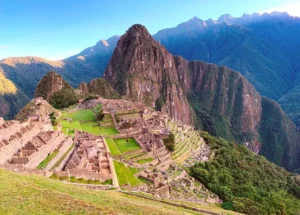
How to Plan a Trip to Machu Picchu
Start With Your Entrance Ticket, Not Your Train
The most important of these Machu Picchu travel tips is to organize your trip around confirmed entrance availability. Tickets are tied to a visit date, entry time, and designated route. A train reservation does not guarantee admission, and a package advertised as a “Machu Picchu tour” may not include the route you expect. First identify the experience you want, check availability, and then coordinate trains, buses, hotels, and guiding services around that reservation.
- Choose your preferred travel dates and a backup date.
- Compare entrance routes and optional mountain hikes.
- Reserve admission through an official channel or reputable operator.
- Book transportation that comfortably matches your entry time.
- Add accommodation, a guide, and appropriate travel insurance.
How Many Days for a Machu Picchu Trip?
Allow approximately four to five days in the Cusco region for a comfortable first visit, excluding international travel. This gives you time to adjust to altitude, explore Cusco or the Sacred Valley, travel to Aguas Calientes, and visit Machu Picchu without making every connection urgent. A rushed two-day regional visit is possible, but it leaves little room for altitude symptoms, transport disruption, or sightseeing beyond the citadel. Longer trekking itineraries require additional days and separate advance planning.
One-Day Visit Versus Overnight Stay
A day trip from Cusco can work if your train schedule and entrance time align, but it usually means an early start and late return. Spending the previous night in Aguas Calientes, also called Machupicchu Pueblo, makes an early entrance much easier. An overnight stay is especially useful for families, travelers who dislike tight connections, and anyone who wants to reach the bus queue without first completing several hours of road and rail travel.
Best Time to Visit Machu Picchu
The drier season generally runs from May through September, with June through August often bringing strong demand. Wetter conditions are more common from November through March, although rainfall varies and showers are possible throughout the year. April and October can offer a useful compromise between weather and crowd levels. No month guarantees clear views: mountain mist can hide the ruins temporarily even during otherwise favorable weather, so avoid choosing a date solely around perfect-photo expectations.
Rainy-Season Travel and Trekking Considerations
Rainy-season visitors should prepare for slippery stone, reduced visibility, and possible transportation disruption. The classic Inca Trail normally closes during February for maintenance, but that does not automatically mean Machu Picchu itself is closed. Other trekking routes have their own operating conditions. If hiking is central to your trip, ask the operator about seasonal risks, cancellation terms, evacuation arrangements, and whether the advertised route changes during periods of heavy rain.
Machu Picchu Tickets: Routes, Reservations, and Entry Times
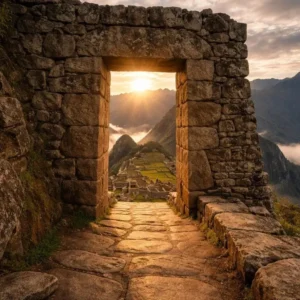
Understand What Your Ticket Includes
Machu Picchu tickets are not interchangeable all-access passes. The site uses designated circuits and routes, and admission may emphasize panoramic viewpoints, particular sectors of the archaeological complex, or an additional mountain hike. Under the circuit system introduced in 2024, options were organized into three broad circuit families with multiple routes. Check the current official route map rather than relying on an older blog, especially if you want both the classic postcard view and substantial time among the ruins.
Choosing Between Panoramic Views and Archaeological Exploration
A route offering elevated views does not necessarily include the same buildings and plazas as a route focused on the lower archaeological sectors. Likewise, a mountain-hike ticket may include only a particular circuit rather than unrestricted exploration afterward. Before booking, identify your priorities: photography, Inca architecture, a physically demanding climb, or a less strenuous visit. Compare those priorities with the official map, elevation changes, and route description rather than selecting whichever ticket is cheapest or available first.

How Far Ahead Should You Book?
Book as soon as your dates are firm and the relevant inventory is released, particularly for popular routes, holiday periods, and mountain hikes with limited capacity. There is no universal booking window that guarantees availability. Inca Trail permits are separate from ordinary citadel tickets and can require substantially earlier planning. Avoid building an expensive itinerary around the assumption that last-minute or locally released tickets will be available; any such arrangements can change and may involve uncertainty.
Match Your Entrance Time to Your Transportation
Your scheduled admission time should determine when you reach Aguas Calientes and join the uphill bus queue. Allow room for train delays, walking from the station, storing luggage, and waiting for transport. Do not assume a late arrival will be accepted, even if another traveler reports receiving flexibility. Read your ticket’s current entry conditions carefully, and avoid an itinerary in which one delayed connection could cause you to miss the main purpose of your trip.
Budget Beyond the Entrance Fee
A realistic Machu Picchu budget includes admission, trains, road transfers, the bus between Aguas Calientes and the entrance, accommodation, meals, and guiding. Optional mountain hikes, trekking packages, and premium train services can increase the total considerably. Compare packages line by line: a low advertised price may exclude admission or important transfers. Because fares and exchange rates change, obtain current quotes instead of relying on a fixed total from an older travel article.
Machu Picchu Travel Tips From Cusco

Understand the Standard Cusco-to-Machu-Picchu Route
For most independent travelers, reaching Machu Picchu involves traveling from Cusco to a railway departure point, taking a train to Aguas Calientes, and then riding a bus or walking uphill to the entrance. Ollantaytambo is a common rail starting point; some services use stations closer to Cusco or combine road and rail transportation. There is no ordinary direct road transfer from Cusco to the citadel entrance. Always confirm the actual station and check-in requirements printed on your reservation.
Why Ollantaytambo Is a Useful Stop
Ollantaytambo can simplify the journey while adding worthwhile Sacred Valley sightseeing. Its archaeological site, walkable historic center, and railway connections make it a practical overnight base before traveling to Aguas Calientes. It also sits lower than Cusco, which some travelers prefer during initial acclimatization, although altitude illness remains possible. If you are arriving at Cusco airport and transferring directly into the valley, arrange dependable transportation and leave enough time for flight delays and road conditions.
Taking the Train to Aguas Calientes
PeruRail and Inca Rail are the main passenger rail operators serving visitors traveling toward Machu Picchu. Compare departure stations, journey times, baggage allowances, and cancellation conditions before focusing on onboard extras. Panoramic windows and upgraded meals can be enjoyable, but a convenient schedule usually matters more than the train category. Pack within your operator’s luggage limits and arrange to leave large suitcases at your Cusco or Sacred Valley hotel when possible.
Bus or Walk From Aguas Calientes?
The shuttle bus saves energy before a visit that already involves uneven surfaces and stairs. Walking uphill is a demanding alternative, often taking around 1.5 to 2 hours or longer depending on fitness and conditions. It includes steep sections and should not be treated as an effortless money-saving shortcut. If you walk, allow substantial extra time, carry water, and remember that you must still arrive within the conditions of your entrance reservation.
Alternative Access and Trekking Routes
The Hidroeléctrica approach is sometimes marketed as a budget alternative, but it involves lengthy road travel and an onward walking section whose access and safety conditions must be checked locally. It is not the best choice for a tightly timed itinerary. The Inca Trail, Salkantay Trek, and other trekking approaches offer different landscapes and levels of difficulty. Compare operator standards, permits, camping arrangements, and the exact Machu Picchu admission included rather than assuming every trek ends with the same visit.
Machu Picchu Travel Tips Itinerary: A Balanced Five-Day Plan
Day 1: Arrive and Adjust to the Altitude
Keep your first day deliberately light. Depending on your arrival time and health considerations, stay in Cusco or transfer to a lower Sacred Valley base. Eat a moderate meal, drink normally to stay hydrated, and avoid strenuous exercise and heavy alcohol consumption. Do not interpret a free afternoon as an obligation to climb every staircase in town. A relaxed start helps you assess how you feel before adding sightseeing, train travel, and the physical demands of Machu Picchu.
Day 2: Explore Cusco or the Sacred Valley
Choose a manageable sightseeing program rather than trying to cover every major attraction. In Cusco, that might mean the historic center and one nearby archaeological site. In the Sacred Valley, focus on a limited combination such as Pisac and Ollantaytambo, accounting for drive times. Check whether local sightseeing tickets are required, since Machu Picchu admission does not include unrelated attractions. Finish the day with your entrance documents, train confirmation, and overnight bag organized.
Day 3: Travel to Aguas Calientes
Take a train that lets you arrive with time to settle in before dinner. Locate the bus departure area, confirm your guide meeting point, and ask your hotel about breakfast timing and luggage storage. Purchase or verify your bus ticket through the authorized channel. Aguas Calientes is a logistical base rather than a place to schedule a packed evening before an early visit. Keep your passport accessible and prepare rain protection, water, and suitable footwear.
Day 4: Visit Machu Picchu and Return
Arrive according to your ticket conditions and follow your assigned route with your guide. Build your day around observation rather than racing between photo spots: terraces, drainage systems, masonry, and the relationship between architecture and mountain scenery are central to understanding the site. Afterward, allow a generous buffer before your return train. The descent, bus queue, lunch, and luggage collection can take longer than expected, particularly when many visitors leave around the same time.
Day 5: Keep a Buffer Before Flying Home
A final night in Cusco provides useful breathing room between your Machu Picchu excursion and an onward flight. If everything runs smoothly, use the remaining time for museums, shopping, or a relaxed meal. If transportation is disrupted, that buffer can reduce the chance of missing a costly connection. Travelers with only three or four days can compress this itinerary, but should understand that removing a buffer also reduces flexibility.
Do You Need a Tour Guide for Machu Picchu?
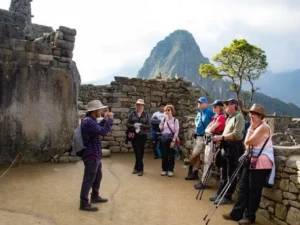
Do You Need a Guide for Machu Picchu Under Current Rules?
Plan on arranging an authorized guide and verify the requirement for your specific route before visiting. Official guiding rules and their implementation have not always been described consistently in traveler reports, so someone else’s unguided entry is not reliable evidence of what will apply to you. Ask the Ministry of Culture, your licensed operator, or your ticket provider for current written guidance. Distinguish between a guided archaeological visit and supervision on an optional mountain trail, which may involve different arrangements.
Choosing a Private or Shared Tour
A private guide offers more control over pace, language, and areas of interest, within the limits of the permitted route. Shared tours can reduce costs but may offer less flexibility for photography, children, or slower walkers. Before paying, confirm the guide’s credentials, meeting location, tour duration, group size, and circuit compatibility. A guide cannot legitimately turn one route ticket into another, bypass capacity limits, or promise unrestricted movement around the citadel.
Machu Picchu Tour Guide Tip: How Much Is Appropriate?
Tipping is discretionary and should reflect service quality, tour length, group size, and your budget. As a rough planning example—not an official or universal rate—some travelers budget around S/10–20 per person for a shared citadel tour or S/40–80 per private party for a shorter private visit. Excellent or extended service may warrant more. Ask whether gratuities are already included, carry small denominations, and give your Machu Picchu guide tip directly to the person who guided you.
Tipping on Multi-Day Treks
A multi-day trek has a different tipping structure because guides, cooks, and porters perform distinct roles over several days. Do not apply a short citadel-tour tip to an entire trekking team. Ask your operator for its recommended breakdown before departure, including whether suggested amounts are per traveler or per group. Transparent operators should also explain porter welfare policies, wages, equipment, and load limits; gratuities should supplement fair working conditions rather than substitute for them.
What to Know Before Going to Machu Picchu
Altitude Affects the Journey, Not Just the Destination
Machu Picchu sits at roughly 2,430 meters above sea level, while Cusco is around 3,400 meters. That means you may feel the altitude more strongly during your arrival in Cusco than at the citadel. Fitness does not guarantee protection from altitude illness. Allow acclimatization time and seek medical advice before travel if you have relevant health conditions. Worsening headache, vomiting, unusual breathlessness, or confusion should not be dismissed as normal travel fatigue.
Expect Stairs, Uneven Stone, and Limited Accessibility
Machu Picchu is an archaeological landscape, not a level museum walkway. Routes can involve steep stairs, narrow passages, exposed sections, and slippery surfaces. Travelers with mobility limitations should obtain route-specific advice before buying tickets and discuss realistic assistance with a specialist operator. Do not assume that a route described as easier is step-free. Optional climbs such as Huayna Picchu require an honest assessment of fitness, balance, and comfort with steep terrain.
Plan Bathroom Stops and Follow the Route
Use the toilet facilities near the entrance before entering; visitors should not expect public restrooms throughout the archaeological circuit. Standard admission should not be treated as allowing repeated exits and re-entry. Movement is controlled, and backtracking or switching routes may be restricted. These details matter when traveling with children or anyone who needs frequent breaks. Ask about facilities and ticket conditions beforehand rather than discovering a practical problem halfway through your visit.
Protect the Site and Respect Other Visitors
Stay on marked paths, keep off walls and protected structures, and follow staff instructions even when others do not. Never feed or approach llamas for a staged photograph. Avoid loud audio, blocked stairways, and prolonged photo sessions in narrow passages. The site’s restrictions protect fragile archaeology and manage substantial visitor numbers. Responsible behavior also improves your experience: slowing down to observe construction techniques and mountain alignments is more rewarding than treating every terrace as a photo backdrop.
What to Bring and What Not to Bring to Machu Picchu
Essential Packing List for Your Visit
Bring a compact daypack containing only what you need for your permitted visit. Weather can shift quickly, so lightweight layers and rain protection are more practical than a heavy coat alone. Shoes should have dependable grip and be comfortable on stairs; brand-new hiking boots can create problems rather than solve them. Keep identification and tickets protected from rain, and download documents before leaving your hotel instead of depending on mobile reception at the entrance.
- The original identification document associated with your reservation.
- Entrance and transportation confirmations.
- A reusable water bottle, subject to current entry rules.
- A lightweight rain jacket and sun hat.
- Sunscreen, insect repellent, and necessary personal medication.
- A charged phone or compact camera.
- Small-denomination soles for incidental expenses and tips.
What Not to Bring to Machu Picchu
Leave large luggage at your hotel and consult the official prohibited-items list for current bag dimensions and equipment restrictions. Drones, weapons, alcohol, and items that threaten visitor safety or damage the site are prohibited. Tripods, selfie sticks, umbrellas, and trekking equipment can also be restricted. Do not assume something is allowed because it passed inspection at another attraction. Pack conservatively, and arrange storage before joining the bus queue.
Food, Walking Sticks, and Special Requirements
Plan to eat before or after your visit rather than unpacking a picnic inside the ruins; food is subject to site restrictions. Ordinary trekking poles may not be permitted, while medically necessary mobility aids can be treated differently under current conditions. Travelers who require food for medical reasons, specific equipment, or disability-related assistance should request advance guidance. Confirm any exemption and documentation requirements directly rather than relying on an informal promise from an unrelated seller.
Practical Machu Picchu Hacks That Actually Help
Choose Reliability Over Supposed Shortcuts
The best Machu Picchu hacks are logistical, not ways around the rules. Stay overnight near your departure point, store your suitcase, save offline confirmations, and leave room between connections. Avoid sellers promising access to sold-out routes without clearly documented tickets. A slightly more expensive itinerary with sensible transfer times can offer better value than a cheap package that leaves you stranded, exhausted, or holding admission for an experience you did not intend to book.
Set Realistic Photography Expectations
Early entry does not guarantee sunrise views, empty terraces, or clear skies. Morning mist can be atmospheric, but it can also obscure the landscape. Later entry may suit your train schedule better, though weather remains unpredictable. Choose the route that legally includes your desired viewpoint, carry a lens cloth for drizzle, and keep moving when staff request it. The most useful photography tip is to prioritize access and patience over chasing a supposedly perfect hour.
Confirm the Details One Last Time
Before leaving Cusco or the Sacred Valley, check your ticket name, date, entry time, route, train station, guide meeting point, and return arrangements. Review current weather and official transport notices. These simple checks address the most common planning mistakes without adding complexity. With admission secured, realistic timing, and a light bag, you can spend less energy managing logistics and more time appreciating one of the Andes’ most remarkable archaeological landscapes.