Machu Picchu is a remarkable place to explore, but its mountain setting requires preparation. Steep stone steps, changing weather, biting insects, and tightly managed visitor routes can catch travelers off guard. The most useful Machu Picchu safety tips combine personal health precautions with respect for the archaeological site’s rules.
Most visits are manageable for travelers who choose an appropriate circuit, wear suitable footwear, and leave enough time for transportation and acclimatization. However, the main archaeological site is not the same experience as a steep mountain hike, and a sunny morning does not guarantee a dry afternoon.
This guide groups the essentials into practical topics: visitor planning, Machu Picchu weather, October conditions, altitude, sandflies, entry rules, and prohibited items. Because ticket arrangements and access restrictions can change, confirm the requirements for your exact visit through Peru’s Ministry of Culture and your transport providers before departure.
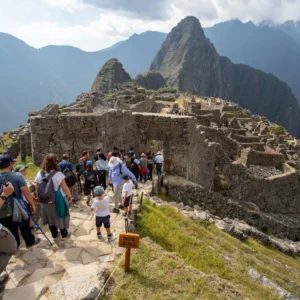
Machu Picchu Safety Tips for Tourists: Planning Your Visit
Book the Correct Ticket and Understand Your Circuit
Machu Picchu uses designated visitor circuits rather than unrestricted access throughout the ruins. Your ticket determines which route or additional attraction you can enter, so choose according to your fitness, interests, and comfort with stairs. Do not assume that every ticket includes the classic panoramic viewpoint or access to Huayna Picchu. Read the route description before paying, and use the official booking channel linked by the Ministry of Culture or a reputable operator with transparent terms.
Allow Enough Time Between Connections
A typical journey involves several separate stages: transportation toward the Sacred Valley, a train to Machu Picchu Pueblo, also called Aguas Calientes, and then a bus or uphill walk to the entrance. Build in time for queues and delays rather than scheduling every connection tightly. An overnight stay in town can reduce time pressure, particularly if you have an early entry slot or want to avoid an exhausting travel day.
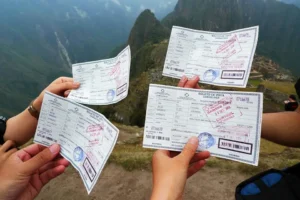
- Check the circuit, visit date, entry time, and identification details before confirming payment.
- Save tickets offline and carry the identification required by your booking.
- Check train and bus arrangements separately from archaeological-site admission.
- Review cancellation and modification terms before purchasing.
Choose a Guide and Route That Match Your Needs
A knowledgeable guide can explain the site, clarify route restrictions, and help your group move at an appropriate pace. Confirm current guiding requirements for your booking rather than relying on older travel articles. If traveling with children, older adults, or someone with limited mobility, ask specifically about steps, exposed sections, rest opportunities, and route duration. Labels such as “easy” or “panoramic” do not necessarily mean a route is step-free.
Carry Insurance and Essential Documents
Travel insurance should cover medical treatment, disruption, and any planned hiking activities. Check whether altitude limits, trekking exclusions, or evacuation conditions apply, especially if combining Machu Picchu with the Inca Trail or another mountain route. Keep your policy number, emergency assistance details, and document copies accessible offline. Carry the original identification required for admission in a protective pouch, while leaving unnecessary valuables securely stored at your accommodation.
Machu Picchu Weather: Preparing for Mountain Conditions
Understand the Wet and Dry Seasons
Machu Picchu weather reflects its location on the eastern side of the Andes, where mountain terrain meets humid cloud forest. Broadly, May through September is drier, while November through March is wetter; April and October are transitional months. These are seasonal patterns, not guarantees. Rain can occur during the dry season, and wet-season days can include clear periods. Monthly averages are useful for planning but cannot predict conditions on your particular circuit.
Dress for Temperature Changes, Rain, and Sun
Conditions often feel mild while walking, cooler when resting, and surprisingly warm in direct sun. The site can also feel more humid than Cusco. Wear lightweight layers rather than one heavy garment, and keep a compact waterproof outer layer accessible. Quick-drying clothing is more comfortable after showers than heavy cotton. A forecast for Cusco is not a reliable substitute for one covering Machu Picchu or nearby Machu Picchu Pueblo.
Protect Yourself Even When the Sky Is Cloudy
Cloud cover does not eliminate ultraviolet exposure. Apply broad-spectrum sunscreen, use sunglasses, and wear a secure hat where permitted. Reapply sunscreen according to its label, particularly after sweating. Carry permitted drinking water and take regular small drinks rather than waiting until you feel exhausted. Dehydration, heat, travel fatigue, and altitude-related symptoms can overlap, making prevention and an unhurried pace particularly helpful.
Treat Wet Stone as a Serious Slip Hazard
Rain makes polished steps and uneven paving less forgiving. Wear comfortable shoes with dependable tread, shorten your stride, and give the person ahead enough space. Stop walking before taking photographs or adjusting clothing. During heavy rain, thunder, or worsening visibility, follow staff instructions rather than pushing toward a viewpoint. Routes can be restricted for safety, and a ticket does not guarantee access when conditions become unsuitable.
Machu Picchu Safety Tips in October

Prepare for a Transitional Weather Month
The most important Machu Picchu safety tips in October involve flexibility. October generally marks a transition toward wetter conditions, so visitors may encounter sunshine, mist, showers, or a combination within a few hours. Rainfall tends to become more frequent as the wet season approaches, but its timing varies. Avoid planning around claims that October is always dry or that rain only arrives in the afternoon.
Choose Your Entry Time for Practical Reasons
An early entry can suit travelers staying overnight in Machu Picchu Pueblo, but it does not guarantee clear views. Morning cloud may lift quickly or linger, while later visits can also encounter rain. Choose an entry time that works with your accommodation, transport, and energy level. Do not accept a rushed connection simply because someone promises that a particular hour offers perfect October weather.
Pack an Accessible October Weather Kit
For an October visit, place your rain layer, water, sunscreen, and insect repellent where you can reach them without emptying your bag. Protect documents and electronics in a small waterproof pouch. Check local forecasts shortly before departure, then ask your accommodation or operator about transport notices and route conditions. Recent weather and official updates matter more than general seasonal advice, especially when approaching the wetter months.
- Wear quick-drying layers and footwear with good grip.
- Expect insects during warm, humid periods.
- Allow extra time for queues and rain-related delays.
- Respect closures instead of seeking unofficial alternatives.
Altitude, Fitness, and Health Precautions
Understand Machu Picchu Altitude Versus Cusco
Machu Picchu sits at approximately 2,430 meters above sea level, while Cusco is roughly 3,400 meters. Many travelers therefore experience greater altitude exposure before reaching the archaeological site. Arriving in Cusco and immediately undertaking strenuous sightseeing can leave you feeling unwell. Allow time to adjust, avoid unusually demanding exercise on arrival, and consider how your itinerary affects sleeping altitude. Acclimatization needs differ, and physical fitness does not prevent altitude illness.
Recognize Symptoms That Need Attention
Headache, nausea, dizziness, unusual fatigue, or disturbed sleep after ascending can indicate altitude illness. Do not dismiss symptoms or continue to higher elevations while feeling worse. Severe breathlessness at rest, confusion, difficulty walking normally, or marked deterioration require urgent medical attention; descent may be necessary. These symptoms can also have other causes, so do not rely on self-diagnosis or assume that drinking more water will resolve them.
Discuss Existing Conditions Before Traveling
If you have heart or lung disease, significant mobility limitations, a complicated pregnancy, or concerns about previous altitude reactions, seek individualized advice before departure. Ask a clinician whether your itinerary needs adjustment and whether prescription prevention or treatment is appropriate. Carry essential medication in its original packaging where practical. Coca tea and other traditional remedies should not replace medical assessment, and unfamiliar products may be unsuitable for some travelers.
Match Mountain Hikes to Your Actual Ability
Huayna Picchu, Machu Picchu Mountain, and other additional routes have their own access conditions and physical demands. Some include steep stairways, sustained climbing, or exposed-feeling sections that are very different from a standard ruins visit. Confirm current age and access restrictions before booking. If you have vertigo, knee problems, or limited endurance, choose a suitable alternative rather than assuming that enthusiasm will compensate for difficult terrain.
Machu Picchu Sandflies: Bite Prevention and Aftercare
Why Insect Protection Matters
Travelers frequently search for advice about Machu Picchu sandflies after hearing about itchy bites around the lower legs. Small biting flies and other insects can be present in the warm, humid environment around the site and Machu Picchu Pueblo. The common names used for these insects vary, and a bite’s appearance cannot reliably identify its source. Biting activity changes with weather and location, so protection is sensible even when insects are not immediately obvious.
Use Repellent and Cover Exposed Skin
Choose a registered insect repellent containing an established active ingredient such as DEET or picaridin, and follow its label for application, age restrictions, and reapplication. Lightweight long trousers, socks, and breathable long sleeves reduce exposed skin without requiring heavy clothing. Pay attention to ankles and gaps around clothing, but apply products only as directed. When also using sunscreen, apply sunscreen first and repellent afterward, following the instructions for both products.
Consider Treated Clothing for Longer Trips
If your itinerary includes several days of trekking or cloud-forest travel, factory-treated clothing or clothing treated with an appropriate permethrin product may provide additional protection. Follow the product directions and allow treated items to dry fully before wearing them. Permethrin intended for clothing should not be applied directly to skin. For children, pregnancy, or sensitive skin, check product guidance and ask a pharmacist or clinician if unsure.
Care for Bites Without Ignoring Warning Signs
Wash bites gently and avoid scratching, which can damage the skin and introduce infection. A cool compress may relieve irritation, and a pharmacist can advise on suitable itch treatments. Seek medical attention for spreading redness, warmth, pus, fever, or a persistent or enlarging sore. Trouble breathing or swelling of the lips or tongue requires emergency help. Tell a clinician about your Peru travel if skin problems continue after returning home.
Machu Picchu Rules: Entry, Movement, and Responsible Conduct
Follow the Route Printed on Your Ticket
Machu Picchu rules protect both visitors and fragile archaeological structures. Follow the designated direction of travel, remain within marked areas, and respect barriers even when an empty terrace looks accessible. Do not assume you can switch circuits, backtrack for a photograph, or enter another attraction with the same ticket. Check the permitted visit arrangements for your route, and ask staff before making changes rather than following another visitor’s example.
Keep Off Walls and Respect Wildlife
Do not climb, lean heavily on, or sit on archaeological structures unless an area is explicitly designated for that purpose. Avoid touching fragile surfaces and never remove stones, plants, or other material. Give llamas space and do not feed or chase them for photographs. Quiet behavior helps preserve the atmosphere and allows visitors to hear instructions. Carry out any permitted packaging or personal waste rather than assuming bins will be available throughout the route.
Take Photographs Without Creating Hazards
Move to a stable, permitted stopping point before using your camera, and keep stairways clear. Never step backward toward an edge while framing a photograph. Jumping poses, staged activity that damages the site, or equipment that obstructs visitors may breach site rules. Professional, commercial, or specialized filming can require authorization, so check in advance rather than assuming ordinary admission covers a large production or elaborate photo session.
Plan Around Limited Facilities
Use toilet facilities before entering, because facilities are not distributed throughout the archaeological circuits. Do not assume you can leave for a bathroom break and re-enter on the same ticket. Food, storage, and other services should also be arranged outside the protected visitor route. Travelers with medical needs should ask the site authority or operator about permitted accommodations before arrival, especially when those needs involve food, equipment, or additional assistance.
Machu Picchu Prohibitions and What Not to Bring

Check the Official Restricted-Item List
Searches for Machu Picchu prohibitions and Machu Picchu what not to bring often produce conflicting lists because regulations and enforcement details change. Commonly restricted categories include large luggage, drones, tripods or camera extensions, umbrellas, weapons, alcohol, and items that could damage structures or disrupt visitors. Confirm the current official rules rather than treating any travel article as a complete authorization list. Security staff make entry decisions under the applicable regulations.
Leave Large Bags and Unnecessary Equipment Behind
Bring a compact day bag that meets the current size limit, not your main travel backpack or suitcase. Store larger luggage at your accommodation or an established storage service before traveling to the entrance. Keep camera equipment simple and avoid bringing accessories whose admission is uncertain. Trekking poles and similar supports can be restricted, while disability-related exceptions may require specific conditions; confirm arrangements in advance rather than assuming all poles are treated alike.
Use Rainwear Instead of Depending on an Umbrella
A compact rain jacket is generally a more practical choice than an umbrella on narrow, busy routes where umbrellas may be prohibited. Any rainwear should allow clear vision and unrestricted movement on steps. Avoid loose material that drags underfoot or catches in the wind. Waterproofing your small bag and documents also reduces the need to stop in awkward places and unpack belongings when a shower begins.
Do Not Assume Picnic Food Is Allowed
Food restrictions are intended to protect the site, prevent litter, and avoid attracting wildlife. Eat before entering and plan your next meal after leaving rather than bringing a picnic or assuming snacks are permitted. Confirm any medical or infant-feeding accommodation directly with the appropriate authority. Carry water in a permitted container, preferably reusable, and check current packaging rules. Never feed animals or leave food scraps behind, even if they appear biodegradable.
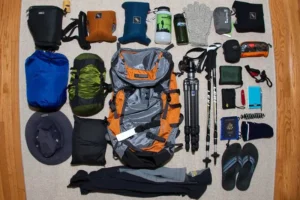
- Leave behind: large luggage, recreational drones, speakers, alcohol, and unnecessary valuables.
- Verify first: camera supports, walking aids, specialized equipment, and medical exceptions.
- Keep packing simple: required identification, ticket, permitted water, essential medication, and weather protection.
Transport Safety and Security Around Machu Picchu
Use Established Transport and Monitor Disruptions
Book rail travel, transfers, and tours with identifiable providers that explain their services and contact procedures. Train schedules, road access, and bus operations can be affected by weather, maintenance, or local disruption. Check messages before leaving your hotel and avoid placing an inflexible flight connection immediately after your return journey. If transport stops operating, seek information from your provider rather than accepting an improvised route from an unknown person.
Do Not Walk Along Railway Tracks
Railway lines are not safe pedestrian shortcuts. Stay on authorized walking routes and do not enter tunnels, bridges, or restricted track areas. If walking uphill from Machu Picchu Pueblo to the entrance, assess the effort, weather, daylight, and official path conditions beforehand. The climb can be tiring before your visit even begins. The shuttle bus may be a more appropriate option if conserving energy is important.
Protect Belongings in Busy Areas
Queues, stations, and busy streets require ordinary travel precautions. Keep your phone and wallet secure, close your bag, and avoid displaying large amounts of cash. Do not leave possessions unattended while taking photographs or buying tickets. Use reputable accommodation storage for valuables you do not need. For solo travelers, sharing the day’s itinerary and expected return time with someone trusted adds a useful layer of preparation.
Final Safety Checklist and Emergency Preparation
Check These Essentials Before Leaving Your Accommodation
A short final check prevents many avoidable problems. Confirm your ticket and transport details, review the forecast, and assess how you feel before committing to a demanding route. If you are ill, unusually breathless, or recovering from a difficult journey, reconsider optional climbs. Carry what you need for the permitted visit without overloading your bag, and make sure everyone in your group understands the meeting arrangements.
- Correct ticket, entry time, circuit, and required identification.
- Offline transport confirmations and accommodation contact details.
- Suitable footwear, lightweight layers, and accessible rain protection.
- Permitted water container, sunscreen, and insect repellent.
- Essential medication and travel insurance assistance information.
- Enough time for toilet facilities, queues, and transport connections.
Know What to Do if Something Goes Wrong
If you become injured or unwell, stop in a safe place and alert your guide or nearby site staff. Do not attempt an unofficial shortcut or send an injured person down difficult steps alone. Follow instructions about assistance and evacuation, and contact your insurer when practical without delaying urgent care. Before traveling, save verified local emergency contacts; mobile reception and internet access should never be your only emergency plan.
