If you are researching how long the Inca Trail is, first identify which itinerary you mean. The classic four-day route, a five-day version of the same trail, and the Short Inca Trail have different schedules. Travel from Cusco also adds time without adding distance to the actual trek. This guide groups those questions together, explains the Inca Trail distance per day, and shows how to plan enough time for both the hike and acclimatization.
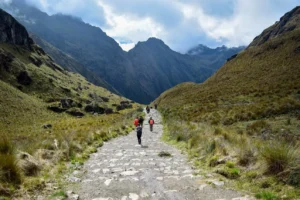
Inca Trail Length: The Essential Distances and Durations
The simplest answer applies to the classic route beginning near Kilometer 82, also called Piscacucho. It covers approximately a marathon’s distance before reaching Machu Picchu. However, the walking is spread across several days, and the trail repeatedly climbs and descends. Comparing the route’s mileage with a flat walking holiday can therefore give a misleading impression of its difficulty.
| Route or measurement | Typical distance or duration |
|---|---|
| Classic Inca Trail distance | Approximately 42–43 km / 26–27 miles |
| Classic itinerary | 4 days / 3 nights |
| Slower classic itinerary | 5 days / 4 nights |
| Short Inca Trail | Approximately 10–13 km / 6–8 miles, depending on the endpoint counted |
| Classic route walking time | Often around 20–30 hours across the trek |
| Highest point | Dead Woman’s Pass, approximately 4,215 m / 13,828 ft |
How Long Is the Inca Trail in Miles?
The classic Inca Trail is usually described as 26 miles long, although some operators round it to 27 miles. Both figures refer to essentially the same traditional route. Differences can come from rounding, campsite locations, side visits, and the precise point where measurement ends. When comparing tours, prioritize the trailhead, campsites, and daily itinerary rather than assuming that a one-mile difference indicates a completely different trek.
How Long Is the Inca Trail in Kilometers?
In metric measurements, the standard answer is approximately 42–43 kilometers. Forty-two kilometers converts to about 26.1 miles, while 43 kilometers converts to about 26.7 miles. These conversions explain why seemingly different descriptions appear in travel guides. For practical preparation, think of the classic trail as a roughly 43-kilometer mountain trek, not a precisely measured racecourse with an identical distance for every departure.
How Many Miles Long Is the Inca Trail Compared With a Marathon?
A marathon is 26.2 miles, so the classic Inca Trail has a broadly comparable horizontal distance. The experience is very different, however. Hikers gain and lose substantial elevation, cross uneven stonework, and sleep at altitude. Completing the route over four days provides recovery time, but each day can still require sustained effort. The marathon comparison helps visualize the length; it should not be used to predict walking speed or physical difficulty.
How Long Is the Inca Trail to Machu Picchu?
For the classic itinerary, the Inca Trail to Machu Picchu takes four calendar days and three nights of camping. Most of the distance is covered during the first three days. On the final morning, hikers usually walk the remaining section toward Inti Punku, the Sun Gate, before continuing toward Machu Picchu. The archaeological visit and return journey then occupy much of the rest of the day.
How Long Is the Inca Trail Hike in Actual Walking Hours?
Actual walking commonly totals around 20–30 hours, distributed across the trek. This is an approximate planning range rather than a guaranteed schedule. Fitness, acclimatization, weather, campsite allocation, and group pace all affect progress. A day described as seven hours of trekking may also include lunch, photography stops, and explanations at ruins. Ask whether an operator’s published times represent moving time or the full period between leaving and reaching camp.
How Long Is the Inca Trail Trek on a Five-Day Itinerary?
A five-day Inca Trail trek generally follows the same classic corridor but divides the journey differently. It does not automatically mean hiking farther. The extra day can allow a less compressed schedule, more time at archaeological sites, or shorter walking stages. Nevertheless, it still includes demanding climbs and high altitude. Review the actual overnight stops because “five-day trek” can describe different arrangements, including variations in camping nights and hotel accommodation.
How Long Is the Inca Trail Hike to Machu Picchu Including Sightseeing?
The hiking distance and the Machu Picchu visit are related but separate parts of the itinerary. After reaching the site, travelers follow the circuit and entry conditions associated with their reservation. Sightseeing involves additional walking and stairs that may not be included in the advertised trail distance. Optional mountain hikes require appropriate tickets and enough time, so do not assume that Huayna Picchu or Machu Picchu Mountain is automatically included after the trek.
Inca Trail Distance Per Day: A Classic Four-Day Breakdown
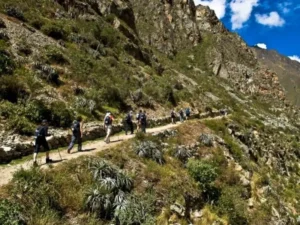
The daily distances below illustrate one common way to divide the classic route. They are rounded estimates, not fixed stages used by every operator. Campsites are allocated within a regulated system, and some groups sleep farther along the trail than others. Moving an overnight stop changes two consecutive daily distances, even when the total route remains broadly similar.
| Day | Illustrative stage | Approximate distance | Typical trekking time |
|---|---|---|---|
| 1 | Kilometer 82 to the Wayllabamba area | 12 km / 7.5 miles | 5–7 hours |
| 2 | Wayllabamba area to Pacaymayo | 11 km / 6.8 miles | 6–8 hours |
| 3 | Pacaymayo to the Wiñay Wayna area | 15 km / 9.3 miles | 7–9 hours |
| 4 | Wiñay Wayna area to Machu Picchu | 5 km / 3.1 miles | 2–3 hours before the site visit |
Day 1: Kilometer 82 to the First Campsite
The first day often covers approximately 12 kilometers, or 7.5 miles. After transportation to Kilometer 82 and permit checks, hikers begin along the Urubamba Valley before climbing toward the first overnight area. This stage introduces the trail’s changing surfaces, mountain scenery, and archaeological interest. Although it is frequently considered the gentlest full hiking day, it still involves uphill walking at elevations that can feel unfamiliar to visitors arriving from sea level.
What Makes the First Day Important?
Day one establishes a sustainable pace. Walking too quickly because the early terrain feels manageable can leave you tired before the more strenuous stages. Use this day to adjust your daypack, identify any footwear problems, and develop a steady eating and drinking routine. Your guide can also observe how the group responds to altitude. Finishing with some energy in reserve is more useful than reaching camp ahead of everyone else.
Day 2: The Climb to Dead Woman’s Pass
The second day commonly covers around 11 kilometers, or 6.8 miles, yet many hikers consider it the hardest stage. The route climbs toward Warmiwañusca, better known as Dead Woman’s Pass, at approximately 4,215 meters. From a campsite near Wayllabamba, the ascent can involve roughly 1,200 meters of elevation gain. The exact amount depends on the overnight location, but the central challenge remains a long climb in thinner air.
Why a Shorter Day Can Take Longer
Distance does not capture the effort required by steep steps and reduced oxygen availability. A kilometer uphill near the pass may take much longer than a kilometer along the valley on day one. After the summit, hikers descend toward Pacaymayo, usually around 3,600 meters above sea level. That downhill section also demands attention because stone steps can strain tired legs. Short, controlled steps are generally more comfortable than rushing to camp.
Day 3: Mountain Passes, Inca Ruins, and Cloud Forest
On a common four-day schedule, the third day covers approximately 15 kilometers, or 9.3 miles. The trail crosses additional high terrain and passes important archaeological sites, often including Runkurakay, Sayacmarca, and Phuyupatamarca. The scenery gradually changes as the route enters wetter, greener environments. For many travelers, this is the most varied day because it combines mountain views, engineered Inca pathways, and ruins that cannot be experienced on a standard train trip.
Prepare for Long Descents and Uneven Steps
The third day’s descending sections can be surprisingly tiring. Lower altitude may make breathing easier, but repeated steps place extra load on knees and quadriceps. Trekking poles with permitted protective tips can help with stability, especially on damp surfaces. Keep them under control near other walkers and archaeological structures. The final campsite location matters considerably: stopping at Phuyupatamarca instead of nearer Wiñay Wayna shifts substantially more walking onto the following day.
Day 4: The Sun Gate and Machu Picchu
From the Wiñay Wayna area, the final approach is often approximately 5 kilometers, or 3.1 miles. The route leads toward Inti Punku and then onward to Machu Picchu. Although this stage is shorter, it can still involve an early start, steep steps, and waiting associated with trail controls. Weather may obscure the first view, so reaching the Sun Gate does not guarantee the clear panorama frequently shown in promotional photographs.
Why the Final Day Is Longer Than Its Mileage Suggests
The final day includes far more than the remaining trail distance. Depending on current arrangements, hikers may need to complete entry procedures, manage stored belongings, or coordinate their guided circuit before traveling onward. The return commonly involves a bus, train, and road transfer. Consequently, a short morning hike can become a full travel day. Avoid planning a tightly timed flight or another major activity immediately after the trek finishes.
How Long Is the Inca Trail From Cusco to Machu Picchu?
The classic Inca Trail does not begin in Cusco. Cusco is the usual organizing base, while the trek itself starts near Kilometer 82 in the Sacred Valley region. A package advertised as “Cusco to Machu Picchu” normally combines road transportation, the multi-day hike, the archaeological visit, and return transportation. Confusing the package’s departure city with the trailhead makes the walking distance appear much longer than it actually is.
Cusco to Kilometer 82: Transportation Before Hiking
Reaching the trailhead from Cusco often takes roughly three to four hours by road, depending on pickup arrangements, traffic, road conditions, and stops. Some departures collect travelers in the Sacred Valley instead. This transfer is not part of the 42–43-kilometer hiking distance. Nevertheless, it affects the first day’s energy demands because hikers may wake very early before traveling, completing checks, and starting the walk.
Machu Picchu to Cusco: The Return Journey
After visiting Machu Picchu, travelers generally descend to Aguas Calientes, also called Machupicchu Pueblo, and take a train toward the Sacred Valley. Many packages then include a road transfer to Cusco. Train routing and schedules vary, so return times are not identical across operators. Check the expected hotel arrival time rather than looking only at the train departure. The classic trail package usually finishes in Cusco well after the hiking has ended.
How Many Days Should You Allow in Peru?
For a four-day trek, a practical regional schedule often includes two or three nights of acclimatization beforehand and a night after returning. That usually means allowing approximately seven or eight days around Cusco and the trek, with international and domestic travel added as needed. More time provides flexibility for delayed flights and adjustment to altitude. Travelers who want Lima, the Amazon, or other destinations should budget those portions separately.
Short Inca Trail vs. Classic Inca Trail: Which Length Fits Your Trip?
Not every Inca Trail booking covers the full classic route. The Short Inca Trail joins the final portion of the historic approach and offers a less time-intensive way to reach the Machu Picchu area on foot. It still includes steep climbing and archaeological highlights, but it avoids the classic route’s highest pass and multiple camping nights. Comparing these routes is more useful than choosing solely by a tour’s advertised number of days.
How Long Is the Short Inca Trail?
The Short Inca Trail usually starts near Kilometer 104 and involves approximately 10–13 kilometers, or 6–8 miles, of walking, depending on where the measurement ends. The main hiking day commonly takes six to eight hours with breaks and site visits. The route climbs toward Wiñay Wayna and continues toward the Sun Gate. Although shorter, it is not a flat stroll, particularly in warm or humid conditions.
Why Is the Short Route Often Sold as a Two-Day Tour?
A typical two-day Short Inca Trail package includes the main hike on the first day, a hotel night in Aguas Calientes, and a Machu Picchu visit on the second. It therefore does not necessarily mean two full days of trail hiking. Some operators offer tightly scheduled one-day arrangements, but availability, entry conditions, and transport connections matter. Compare the actual hiking and sightseeing schedule before deciding which format best suits your pace.
Four Days or Five Days on the Classic Route?
Choose the four-day classic itinerary if you want the standard camping experience and can comfortably handle consecutive demanding hiking days. Consider five days if you prefer more time along the route and the specific itinerary distributes the effort more comfortably. Neither option removes the need for acclimatization. A longer schedule can reduce daily pressure, but you still cross the same high-altitude landscape and must be prepared for sustained physical activity.
Why the Inca Trail Feels Longer Than 26 Miles
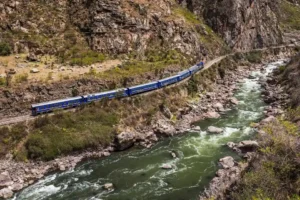
The route’s difficulty comes from the interaction of altitude, elevation change, weather, and trail surfaces. A fit walker may cover 26 miles relatively easily over several days near sea level, yet find this trek significantly more tiring. Understanding those factors helps you train appropriately and interpret daily mileage realistically. It also explains why tour descriptions should include elevation profiles rather than distance alone.
Altitude and Acclimatization
Cusco sits at approximately 3,400 meters, and the trail rises above 4,200 meters. At these elevations, exercise can feel harder even for people with excellent cardiovascular fitness. Spend time acclimatizing before departure and avoid treating fitness as protection against altitude illness. Headache, nausea, dizziness, or unusual fatigue should be reported promptly to your guide. Worsening symptoms require assessment, and serious altitude illness may require urgent descent rather than continuing toward the itinerary’s next campsite.
Stone Staircases, Uneven Ground, and Downhill Fatigue
Much of the trail uses uneven steps rather than smooth gradients. Some sections require short, repeated climbs, while others involve extended descending. These movements challenge balance and muscular endurance in ways that ordinary pavement walking does not. Training on hills and stairs helps prepare your legs, but descending deserves equal attention. During the trek, steady foot placement and a manageable daypack often contribute more to comfort than trying to maintain a particular speed.
Weather, Rest Stops, and Group Pace
Rain can make stones slippery, cloud can reduce visibility, and sun exposure can increase fatigue on open sections. Guides also coordinate the group around rest breaks, meals, archaeological visits, and trail controls. Consequently, itinerary times should be treated as estimates. A slower day is not necessarily a problem or a sign of poor fitness. The objective is to arrive safely while experiencing the route, not to complete every stage as quickly as possible.
Planning for the Inca Trail’s Distance and Duration
Good preparation turns the route’s headline distance into a realistic travel plan. Before booking, examine the daily stages, porter arrangements, permit conditions, and return logistics. A clear itinerary should identify the starting point, intended campsites, approximate walking hours, and included Machu Picchu access. These details matter more than small differences in advertised total mileage.
Training for Consecutive Hiking Days
Build toward several hours of comfortable walking on hilly terrain while carrying the daypack you expect to use. Include back-to-back walking days so your legs become accustomed to moving while slightly tired. Strength work such as step-ups and controlled squats can complement hiking. Increase training gradually, particularly if you have been inactive. If you have a medical condition or concerns about high-altitude exertion, seek individualized advice before committing to the trek.
- Practice climbing and descending, not just walking on level ground.
- Use your intended hiking shoes before departure.
- Test your daypack with realistic water and clothing weight.
- Build endurance gradually rather than attempting one exhausting practice hike.
Permits, Guides, and February Closure
The regulated Inca Trail requires advance permits and travel through an authorized operator; it is not an independently accessible backpacking route. Classic-route capacity is limited and includes support staff as well as trekkers. The trail normally closes during February for maintenance, although Machu Picchu itself does not automatically close for the same period. Confirm current rules and availability before buying nonrefundable transport, since permit systems and site-entry arrangements can change.
Choosing a Season and Allowing a Buffer
The generally drier months, approximately May through September, are popular for trekking, although cold nights and occasional precipitation remain possible. Wetter periods can bring muddier or more slippery conditions, making the same distance feel slower. Whatever your travel month, allow flexibility around the trek rather than scheduling every connection tightly. Weather, transport disruption, and personal acclimatization are easier to manage when your itinerary includes some breathing room.
Final Answer: How Long Is the Inca Trail in Peru?
The classic Inca Trail in Peru is approximately 42–43 kilometers, or 26–27 miles, and usually takes four days and three nights. A five-day version generally spreads the classic journey over more time, while the Short Inca Trail covers roughly 10–13 kilometers on its main hiking day. Road travel from Cusco, the Machu Picchu visit, and return transportation are separate from the headline trail distance.
When choosing your itinerary, look beyond the total mileage. Compare daily elevation changes, campsite locations, walking hours, and time for acclimatization. With realistic preparation and enough days in your schedule, the Inca Trail becomes more than a distance to complete: it is a gradual journey through Andean landscapes and Inca history toward Machu Picchu.