The Inca Trail is challenging, but it is not a technical mountaineering expedition. Most travelers find it difficult because of the combination of high altitude, steep stone steps, consecutive hiking days, and basic camping conditions. You do not need climbing experience, but you do need realistic expectations, suitable preparation, and enough time to acclimatize.
This guide explains the route’s physical demands, compares the classic and short Inca Trail, and outlines practical training. It also separates the difficulty of reaching Machu Picchu on foot from the effort required to explore the archaeological site itself.
How Hard Is the Inca Trail? The Quick Answer
Classic Inca Trail Difficulty at a Glance
The classic Inca Trail usually covers approximately 42 kilometers, or 26 miles, over four days. Its highest point is Dead Woman’s Pass, also called Warmiwañusca, at roughly 4,215 meters, or 13,828 feet. Distances, campsites, and daily walking times vary by itinerary, so your operator’s route details matter more than a single published mileage figure.
- Overall difficulty: Moderate to strenuous, depending on fitness and altitude response.
- Typical walking: Several hours daily, often around five to eight hours on the longer days.
- Main challenges: Altitude, sustained climbing, uneven steps, and repeated descents.
- Technical requirements: No routine rope work or rock-climbing skills.
- Accommodation: Usually supported camping with limited facilities.
Why Mileage Alone Understates the Challenge

If you are wondering how difficult it is to walk the Inca Trail, do not compare it directly with a flat 26-mile walk. Mountain terrain slows your pace, and stone staircases require repeated muscular effort. Thin air makes familiar exertion feel harder. Completing these demands over successive days, rather than as one isolated workout, is what turns a manageable distance into a substantial challenge.
What Makes the Inca Trail Hike Difficult?
High Altitude and Reduced Exercise Capacity
Altitude is often the biggest unknown. As you climb, lower air pressure means less oxygen is available with each breath. You may breathe faster, walk more slowly, or need frequent rests even when your legs feel strong. Your sea-level fitness cannot reliably predict your response, and being athletic does not protect you from altitude illness.
Acclimatization Before the Trek
Allow several days in the region before starting rather than arriving from sea level immediately before departure. Some travelers begin in the lower Sacred Valley before spending time higher up. Keep early activities gentle and discuss individual risks with a clinician, particularly if you have underlying health conditions or a history of altitude illness. Acclimatization helps, but it cannot guarantee a symptom-free trek.
Steep Ascents and Irregular Stone Steps
The trail includes long climbs on steps that differ in height, width, and condition. This is more demanding than walking on a smooth slope because every stride requires adjustment. Shorter hikers may find high steps especially tiring. A slow, steady rhythm usually works better than rushing uphill and repeatedly stopping to recover.
Long Descents and Knee Fatigue
Downhill sections can be harder than expected. Your quadriceps absorb repeated impacts while your knees and ankles stabilize you on uneven surfaces. Fatigue increases the chance of stumbling, particularly when stones are wet. Trekking poles, where permitted and fitted with required protective tips, can improve balance, but they do not replace strong legs, controlled foot placement, or appropriate footwear.
Camping, Weather, and Cumulative Tiredness
The physical challenge continues after walking ends. Cold nights, unfamiliar sleeping arrangements, early starts, and basic toilets can reduce recovery. Rain makes clothing management more important and may leave steps slippery. A person who comfortably finishes one long day hike can still find the third consecutive hiking day difficult when sleep and recovery have been limited.
How Hard Is the Four-Day Inca Trail? A Day-by-Day Breakdown
Travelers asking “how hard is the 4 day Inca Trail?” often want to identify the toughest stage. The outline below reflects a common pattern, not a fixed schedule. Campsite allocations and operator choices can shift significant climbing or descending between days, so request your exact itinerary before booking.
Day 1: Finding Your Pace
The first day commonly begins near Kilometer 82 and introduces the trail with a mixture of gradual walking and uphill sections. Many hikers consider it the most approachable full walking day, but it is not necessarily easy. You are adjusting to your backpack, the terrain, and the group’s rhythm. Starting conservatively helps preserve energy for the more demanding stages ahead.
Day 2: Climbing Toward Dead Woman’s Pass
On many four-day itineraries, the second day includes the sustained ascent to Dead Woman’s Pass. This is often the hardest section because steep climbing coincides with the route’s highest elevation. Expect slow progress and frequent breathing breaks. Reaching the pass is a milestone, but the descent afterward still requires attention and energy.
How to Manage the Hardest Climb
Use small steps, maintain an effort you can sustain, and eat and drink regularly. Avoid matching a faster companion if doing so leaves you exhausted. Inform your guide promptly about headache, nausea, dizziness, or unusual weakness. Breathlessness during exertion can occur at altitude, but symptoms should never automatically be dismissed as poor fitness.
Day 3: Repeated Climbs and Significant Descents
The third day often combines archaeological sites, cloud-forest scenery, additional passes, and lengthy downhill sections. Although the highest pass may be behind you, the accumulated workload becomes noticeable. Many hikers find this day particularly demanding on their knees. Your exact experience depends on the previous night’s campsite and how the operator distributes the route.
Day 4: Walking Toward Machu Picchu
The final morning usually involves an early start and a shorter hiking stage toward the Sun Gate, followed by the approach to Machu Picchu. Shorter does not mean effortless: tired legs still face uneven ground and steep steps. Site-entry procedures, permitted circuits, and timing affect the remainder of the day, so confirm what your guided visit includes rather than assuming unrestricted access.
How Difficult Is the Inca Trail for Beginners?
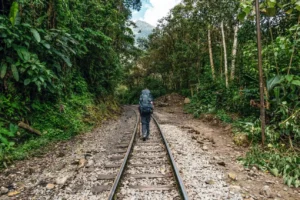
Can a First-Time Trekker Complete It?
Yes, many first-time multi-day trekkers complete the Inca Trail successfully. However, “beginner” can describe very different starting points. Someone who regularly walks hills and exercises consistently is better prepared than someone who rarely walks for more than an hour. The important question is not whether you have completed a famous trek, but whether you can sustain repeated days of mountain walking.
Practical Signs You Are Ready
A useful readiness check is your performance on realistic practice hikes. Try several hours on hilly terrain while carrying the daypack you expect to use. Then assess your recovery and attempt another walk the following day. You do not need to finish feeling fresh, but severe exhaustion, persistent joint pain, or an inability to walk again comfortably suggests more preparation is needed.
- You can walk uphill at a controlled, sustainable pace.
- You have tested your footwear on long outings.
- You can descend uneven paths without significant pain.
- You understand that altitude may require a slower pace.
- You are comfortable with basic camping and shared facilities.
When Beginners Should Consider a Different Option
If you have limited preparation time, recurring knee problems, or strong concerns about camping, the short Inca Trail may be more suitable. Taking the train and visiting Machu Picchu without a multi-day trek is another legitimate choice. Choosing a route that fits your abilities is better than relying on motivation to compensate for insufficient conditioning.
How Difficult Is the Short Inca Trail?
Short Inca Trail Distance and Terrain
The short Inca Trail commonly starts near Kilometer 104 and includes the archaeological site of Wiñay Wayna before continuing toward the Sun Gate. The hiking portion is often described as approximately 10–12 kilometers, although published distances differ according to the endpoint and access arrangements. Expect sustained uphill walking, stone staircases, and several hours on your feet.
How Hard Is the One-Day Inca Trail?
If you are asking “how hard is the one day Inca Trail?”, the answer is usually moderately challenging for an active traveler. It avoids the classic route’s highest pass and consecutive camping nights, but it is not a gentle sightseeing stroll. Warm conditions, humidity, steep steps, and a substantial climb can make it demanding for people without recent hiking experience.
One Hiking Day Versus a Two-Day Package
The terms “one-day Inca Trail” and “two-day Inca Trail” can cause confusion. Many short-route packages involve one main hiking day, a hotel night in Aguas Calientes, and a Machu Picchu visit the next morning. Other arrangements differ. Check the hiking distance, arrival timing, accommodation, and site-entry plan before comparing prices or difficulty.
Short Inca Trail Versus the Classic Route
The short route is generally easier overall because it involves less distance, lower maximum altitude, and less cumulative fatigue. However, its concentrated climbing still rewards preparation. It suits travelers who want an authentic Inca Trail experience without committing to a four-day trek, provided they are comfortable with a demanding day hike and the itinerary’s timing requirements.
Machu Picchu Hike Difficulty: Which Walk Do You Mean?
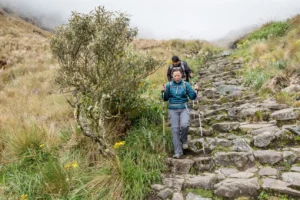
The Inca Trail to Machu Picchu Versus Walking Around the Site
The phrase “Machu Picchu hike difficulty” may refer to several separate activities. Hiking the classic Inca Trail is a multi-day mountain undertaking. Exploring Machu Picchu involves stairs and uneven paths but is a different scale of effort. Most non-trekking visitors reach Aguas Calientes by train and take a bus toward the entrance rather than completing the Inca Trail.
The Walk from Aguas Calientes to the Entrance
Walking uphill from Aguas Calientes to the Machu Picchu entrance is a steep stair-heavy approach. It can be tiring, especially in warm, humid weather, and adds effort before your archaeological visit. This path is not the classic Inca Trail. If conserving energy is important, investigate the bus option and allow sufficient time for queues and your scheduled entry.
Huayna Picchu and Machu Picchu Mountain
Huayna Picchu and Machu Picchu Mountain are separate ticketed hikes associated with the site. Huayna Picchu is known for steep stairs and exposed-feeling sections, while Machu Picchu Mountain generally involves a longer sustained climb. Availability, permitted routes, and entry rules can change. Neither should be treated as an automatic add-on after a tiring trek without considering fitness and ticket requirements.
How Difficult Is the Inca Trail from Machu Picchu?
People searching “how difficult is the Inca Trail from Machu Picchu” usually mean the trail leading to Machu Picchu. Standard tourist itineraries approach the site through a regulated route rather than starting there and walking the classic trail in reverse. If you mean a return hike, confirm the actual permitted itinerary with an authorized operator; do not assume your entry ticket allows backtracking.
How Difficult Is the Inca Trail? Reddit Discussions in Context
Why Online Difficulty Reports Vary
Searching “how difficult is the Inca Trail Reddit” can reveal useful personal perspectives, but individual reports are not standardized difficulty ratings. One traveler may be a regular mountain runner, while another is attempting a first trek. Pack weight, altitude response, weather, campsite allocation, and sleep also differ. Those variables explain why apparently conflicting accounts can both be honest.
How to Evaluate Firsthand Advice
Look for accounts that specify the route, season, fitness background, acclimatization time, and daily itinerary. A detailed explanation of where someone struggled is more useful than “easy” or “brutal.” Use forums to generate questions for your operator, not to diagnose altitude symptoms or override official rules. Current logistical information should be checked directly because older posts may describe outdated arrangements.
Is the Inca Trail Harder Than Salkantay?
Distance and Altitude Comparison
For travelers asking “is Inca Trail harder than Salkantay?”, there is no universal answer. Common Salkantay itineraries are longer than the classic Inca Trail and cross a higher pass, often around 4,600 meters. That can increase endurance demands and altitude exposure. However, Salkantay packages vary considerably in duration, walking distance, transfers, accommodation, and optional activities.
Terrain and Individual Weaknesses
The Inca Trail’s repeated stone steps and long descents can be especially difficult for hikers with sensitive knees. Salkantay may feel harder for someone who struggles with longer distances, cold high-altitude conditions, or sustained elevation exposure. Compare actual route profiles rather than trek names. A comfortable lodge does not remove the demands of the walking stage that comes before it.
- Choose based on altitude: Compare maximum elevation and sleeping elevations.
- Choose based on endurance: Review daily distance and total hiking days.
- Choose based on terrain: Consider stairs, rough surfaces, and descent length.
- Choose based on recovery: Check accommodation and included luggage support.
How to Train for the Inca Trail Hike
Build Walking Endurance Gradually
A structured preparation period of roughly eight to twelve weeks can help many travelers, although your starting fitness may require more time. Walk consistently and gradually extend one outing each week. Include hills wherever possible. The objective is comfortable, repeatable endurance rather than a single exhausting workout that leaves you unable to train for several days.
Practice Stairs and Downhill Walking
Stair climbing and uphill walking prepare you for sustained ascents, but do not neglect descending. Controlled downhill practice develops the muscular endurance needed for repeated steps. Increase difficulty gradually and stop if joint pain develops. A gym stair machine can support training, but outdoor walks add uneven surfaces, balance demands, and the experience of managing clothing and equipment.
Add Strength and Back-to-Back Hikes
Strength exercises such as step-ups, squats, supported lunges, and calf raises can complement walking when performed appropriately for your ability. Include back-to-back hiking days later in training to test recovery. Practice with your expected daypack rather than an unnecessarily heavy load. Reduce training intensity shortly before departure so that you begin the trek rested rather than fatigued.
Train Your Equipment Routine
Preparation also means learning how your gear performs. Test socks, shoes, rain protection, and snacks during long walks. Find a backpack adjustment that prevents rubbing and keeps frequently used items accessible. Small problems such as blisters or wet clothing can become major distractions over several days, even when your cardiovascular fitness is adequate.
Safety, Packing, and Seasonal Conditions
Recognize Altitude Illness Early
Headache with symptoms such as nausea, dizziness, fatigue, or poor appetite after ascending can indicate acute mountain sickness. Tell your guide rather than hiding symptoms to remain with the group. Do not continue ascending with suspected altitude illness. Confusion, inability to walk steadily, or breathlessness at rest requires urgent assessment and descent or evacuation as directed. Medication is not a substitute for appropriate acclimatization and medical advice.
Keep Your Daypack Manageable
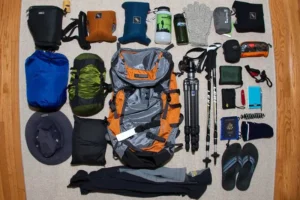
Supported treks generally separate personal daypack items from luggage carried by the trekking team, but inclusions and weight limits vary. Confirm these before packing. Carry what you need for the day’s conditions without adding unnecessary weight. Water arrangements also differ between operators, so ask when safe drinking water is provided and whether treatment is needed.
- Broken-in footwear with reliable grip.
- Rain protection and adjustable warm layers.
- Sun protection, snacks, and accessible drinking water.
- Personal medication and basic blister supplies.
- Permitted trekking poles and a suitable headlamp.
Understand Rainy and Dry Season Trade-Offs
The drier months, broadly May through September, often offer more favorable trail conditions, but cold nights and occasional rain remain possible. Wetter periods can bring slippery stonework, muddy sections, and reduced visibility. There is no month when preparation becomes unnecessary. The classic Inca Trail is normally closed during February for maintenance; verify current schedules and any additional restrictions before booking.
Frequently Asked Questions About Inca Trail Difficulty
Do Porters Make the Inca Trail Easy?
Porter support reduces the load you carry and can improve recovery, but it does not remove altitude, stairs, or long walking days. Most hikers still carry a personal daypack. Ask exactly which equipment and personal items are included in the carried allowance rather than assuming everything will be transported.
Can You Hike the Inca Trail Independently?
The classic Inca Trail requires regulated access through an authorized operator, with permits and guiding arrangements. It is not normally available as an independent backpacking route. Book ahead, especially for popular dates, and confirm what happens if illness prevents you from continuing. Understand evacuation procedures and insurance coverage before departure.
Is the Inca Trail Dangerous for Someone Afraid of Heights?
Some sections have steep slopes, uneven stairs, or exposed-feeling edges that can trouble hikers with a fear of heights. Experiences vary considerably. Ask your operator about specific sections and explain your concerns honestly. The absence of technical climbing does not mean every part will feel comfortable to someone with significant height anxiety.
Final Verdict: How Difficult Is the Inca Trail Hike?
The Inca Trail is a demanding but achievable goal for many prepared travelers, including beginners. Its difficulty comes from altitude, repeated climbing and descending, and several days of exertion rather than technical climbing. Train consistently, allow time to acclimatize, and choose an itinerary that matches your fitness. Most importantly, respect symptoms and communicate with your guide: reaching Machu Picchu should never depend on ignoring your health.