The Inca Trail difficulty level is generally moderate to challenging, depending on the route, your fitness, your response to altitude, and trail conditions. The classic four-day trek combines mountain passes, thousands of uneven stone steps, basic camping, and consecutive hiking days. It does not normally require technical climbing, but it deserves more preparation than a casual countryside walk.
This guide explains hiking the Inca Trail difficulty through practical route comparisons, elevation information, day-by-day expectations, and training advice. Distances and hiking times are approximate: campsite assignments, itinerary design, weather, and individual pace can change the experience.
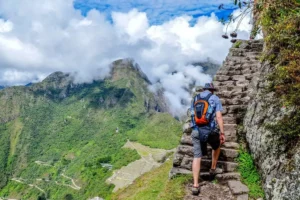
Inca Trail Difficulty Level: The Main Routes Compared
There is no universal difficulty rating that captures every traveler’s experience. A fit runner may struggle with altitude, while a slower hiker with strong endurance and good acclimatization may feel comfortable. The most useful assessment considers distance, elevation, terrain, recovery, and the load you carry together.
| Route | Typical Walking Distance | Highest Point | General Difficulty |
|---|---|---|---|
| Classic four-day Inca Trail | Approximately 42–43 km overall | About 4,215 m | Moderate to challenging |
| Short Inca Trail from KM 104 | Approximately 10–13 km on the trail day | About 2,700–2,730 m | Moderate, with strenuous sections |
| Two-day Inca Trail package | Usually the KM 104 hike plus a separate Machu Picchu visit | About 2,700–2,730 m on the trail | Moderate |
| One-day Inca Trail itinerary | Usually approximately 10–13 km | About 2,700–2,730 m | Moderate to challenging within a tight schedule |
Is the Inca Trail Hard for Beginners?
Beginners can complete the Inca Trail, but “beginner-friendly” should not mean “preparation-free.” Previous mountaineering experience is unnecessary; regular walking, hill training, and realistic pacing matter much more. The classic route is most suitable for beginners who can build up to several hours of walking on uneven terrain and repeat that effort the following day. Anyone with significant health concerns should discuss the planned altitude and exertion with a healthcare professional.
What Makes the Trail Challenging?
The main challenge is cumulative effort. You climb and descend irregular steps, sleep at elevation, and start walking again before your legs fully recover. Thin air can make a familiar pace feel unexpectedly demanding. Guided support and porter services help with logistics and luggage, but they cannot remove the altitude or the physical work of crossing the mountains.
- Altitude: The classic route climbs above 4,200 meters.
- Terrain: Uneven stone stairs demand balance and leg strength.
- Duration: Several consecutive hiking days create fatigue.
- Weather: Rain, cold, and strong sunshine affect comfort and footing.
- Recovery: Camping may mean interrupted sleep and basic facilities.
Inca Trail Elevation and Difficulty Map
Inca Trail elevation is central to understanding the route. Machu Picchu itself sits at approximately 2,430 meters, considerably below the highest point of the classic trek. Consequently, preparing only for the archaeological site’s elevation underestimates the demands of the approach. You must consider both the highest pass and the repeated climbing between campsites.
Key Elevations Along the Classic Inca Trail
The classic trek usually begins near KM 82, at roughly 2,600–2,700 meters, and reaches its highest point at Warmiwañusca, commonly called Dead Woman’s Pass. Later sections cross additional passes before descending toward cloud forest and Machu Picchu. Published elevations vary slightly between maps, GPS recordings, and named stopping points, so treat the following figures as orientation rather than surveying data.
- KM 82 starting area: Approximately 2,600–2,700 meters.
- Wayllabamba: Approximately 3,000 meters.
- Dead Woman’s Pass: Approximately 4,215 meters.
- Pacaymayo: Approximately 3,600 meters.
- Runkurakay Pass: Approximately 3,950–4,000 meters.
- Phuyupatamarca area: Approximately 3,600–3,650 meters.
- Wiñay Wayna: Approximately 2,650 meters.
- Sun Gate, or Inti Punku: Approximately 2,700–2,730 meters.
- Machu Picchu: Approximately 2,430 meters.
How to Read an Inca Trail Difficulty Map
An Inca Trail difficulty map is most useful when paired with an elevation profile. A short horizontal distance can conceal a steep staircase or a major climb. Look for daily ascent, daily descent, pass elevations, and campsite locations rather than judging effort from kilometers alone. Ask your operator for the profile matching your actual itinerary, because alternative campsite assignments can shift substantial effort between days.
Simplified Route and Elevation Sequence
KM 82 → Wayllabamba → Dead Woman’s Pass → Pacaymayo → Runkurakay Pass → Phuyupatamarca → Wiñay Wayna → Sun Gate → Machu Picchu. This sequence shows why the trail is not simply one climb followed by one descent. It contains several elevation changes, and the descent after the highest pass does not mark the end of the demanding terrain.
Classic Inca Trail Difficulty: Day-by-Day Expectations
Classic Inca Trail difficulty is usually associated with the standard four-day itinerary. Although daily distances vary, the overall pattern is similar: an introductory day, a major mountain crossing, a long day through archaeological sites and cloud forest, and an early final approach to Machu Picchu. Some operators distribute these stages differently.
Day One: A Manageable Start with Increasing Effort
The first day commonly covers around 10–12 kilometers, beginning with relatively gentle walking before more sustained climbing. It provides time to adjust your backpack, test your pace, and get used to the guide’s routine. Nevertheless, heat, dust, and altitude can make this introduction harder than expected. Walk conservatively rather than treating the easier opening sections as an opportunity to race ahead.
Day Two: Dead Woman’s Pass and the Hardest Climb
For many hikers, the second day is the toughest part of the trek. The route climbs toward Dead Woman’s Pass at approximately 4,215 meters, often gaining around 1,000–1,200 meters from lower camps. The ascent combines steep steps with reduced oxygen availability. After reaching the pass, a substantial descent follows, so the summit is a milestone rather than the end of the day’s work.
Why the Highest Pass Feels So Demanding
At this elevation, breathing becomes faster during exertion, and maintaining a normal low-altitude walking speed may be unrealistic. Short steps and a steady, sustainable rhythm generally work better than repeated bursts of effort. Guides may spread the group out according to pace, but everyone should understand the regrouping plan and report symptoms rather than hiding them to avoid delaying others.
Day Three: Long Mileage and Punishing Descents
The third day is often the longest, with some itineraries covering approximately 15–16 kilometers. Additional climbing, archaeological stops, and long stone staircases create a demanding combination. Hikers sometimes underestimate this stage because the highest pass is behind them. In practice, accumulated fatigue and repeated downhill impacts can make it particularly uncomfortable for people with sensitive knees or limited descending experience.
Day Four: Early Walking and the Machu Picchu Arrival
The final trail section is usually shorter, but an early start and limited sleep can affect energy and concentration. The approach to the Sun Gate includes steep steps, followed by the descent toward Machu Picchu. The day may also involve a regulated site visit and onward travel. Confirm the current access arrangements with your operator rather than assuming a particular sunrise view or unrestricted circuit.
Altitude, Steps, Weather, and Backpack Weight
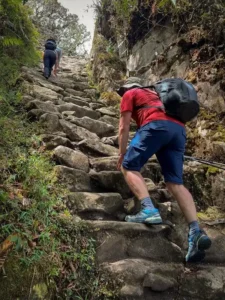
The overall Machu Picchu Inca Trail difficulty depends on more than route length. Environmental conditions and personal preparation can turn the same itinerary into very different experiences. Evaluating the following factors helps explain why online difficulty ratings range from “manageable” to “the hardest hike I have done.”
Altitude and Acclimatization
Altitude affects people unpredictably, including those with excellent cardiovascular fitness. Headache, nausea, dizziness, unusual fatigue, and disturbed sleep can indicate problems with acclimatization. Allow several days for a gradual adjustment when possible, and keep initial activities gentle. Cusco is itself high, at roughly 3,400 meters; some travelers begin with lower Sacred Valley accommodation before spending time higher up.
When Symptoms Require Action
Tell your guide promptly about possible altitude symptoms. Do not continue ascending with symptoms of altitude illness; worsening symptoms call for descent and medical assessment. Confusion, difficulty walking normally, or breathlessness at rest require urgent attention. Drinking normally and eating adequately support trekking, but neither extra water nor determination prevents altitude illness. Discuss preventive medication with a qualified clinician before travel.
Stone Steps and Downhill Strain
Much of the route follows historic stone paving, including steps that vary greatly in height and depth. Descending these surfaces places repeated load on the thighs and knees, especially when wet. Training should therefore include controlled downhill walking, not just uphill cardio. Trekking poles can improve stability and distribute some effort, provided they comply with current trail rules and have appropriate protective tips.
Rain, Sunshine, and Seasonal Conditions
Wet conditions make polished stone slippery, while exposed sections can feel demanding under strong mountain sunshine. The generally drier months often provide more predictable footing but can bring cold nights and busy departures. Rain is possible in any season. The Inca Trail normally closes during February for maintenance, so confirm operating dates and current conditions before finalizing flights and accommodation.
Daypack Weight and Camping Recovery
A lighter pack can noticeably reduce effort on long climbs. Many guided packages include porter transport for an agreed allowance of personal belongings, while hikers carry water, layers, medication, and daily essentials. Check exactly what your booking includes. Sleeping comfort also matters: a suitable sleeping bag, adequate insulation, and dry clothing help you recover between hiking days.
Short Inca Trail Difficulty: KM 104, Two-Day, and One-Day Routes
Short Inca Trail difficulty is lower overall than the classic route because the hike is shorter and avoids the highest mountain passes. However, “short” describes its length, not an absence of hard climbing. These itineraries commonly start at KM 104 and climb toward Wiñay Wayna before joining the final approach through the Sun Gate.
KM 104 Inca Trail Difficulty
KM 104 Inca Trail difficulty is generally moderate, with strenuous stair-climbing sections. The route begins near the railway at approximately 2,100–2,200 meters and rises through warm, sometimes humid terrain toward Wiñay Wayna. Depending on routing and measurement, the walking distance is approximately 10–13 kilometers. Many groups spend around six to eight hours hiking, including breaks and archaeological stops.
The Main Challenge: Sustained Climbing
The opening climb is the defining physical challenge. Although the highest elevation is much lower than Dead Woman’s Pass, heat, humidity, and repeated steps can still be exhausting. This route suits travelers who can manage several hours of uphill and downhill walking but prefer to avoid multiday camping. Prior acclimatization remains useful, particularly if the wider itinerary includes Cusco or other high destinations.
2 Day Inca Trail Difficulty
2 day Inca Trail difficulty usually refers to a package with one substantial trail day, an overnight hotel stay in Aguas Calientes, and a Machu Picchu visit the following day. It does not normally mean the KM 104 hike is divided into two equal walking stages. The hotel improves comfort and recovery, but you still need to complete the main climb on the first day.
One Day Inca Trail Difficulty
One day Inca Trail difficulty can feel higher than expected because the itinerary compresses the experience into a demanding travel schedule. The trail itself may be similar to the two-day version, but early transport, hiking, regulated entry times, and evening connections reduce flexibility. Ask whether the advertised package includes a full archaeological-site visit, which circuit is included, and what happens if progress is slower than planned.
Machu Picchu Hike Difficulty: Trekking Versus Visiting the Site
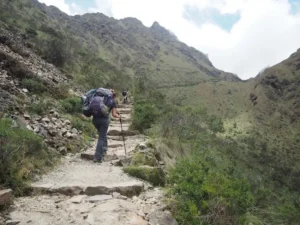
Machu Picchu hike difficulty can describe several very different activities. Walking around the archaeological site is not equivalent to completing the Inca Trail, and climbing one of the neighboring mountains adds another level of exertion. Separating these options prevents confusion when comparing tour descriptions or deciding which entry ticket to purchase.
Walking Around Machu Picchu
A standard visit follows a designated circuit with steps, uneven ground, and limited opportunities to choose an easier alternative once underway. It is much shorter than an approach trek, but it is not necessarily flat or accessible. If you have mobility limitations, discuss the exact circuit and assistance arrangements before booking. The bus from Aguas Calientes avoids the steep pedestrian ascent to the entrance.
Huayna Picchu and Machu Picchu Mountain
Huayna Picchu involves steep, narrow stairs and sections that may feel exposed, making confidence around heights important. Machu Picchu Mountain generally involves a longer sustained climb with substantial elevation gain. Both are separate commitments beyond a standard visit and require the appropriate ticket or reservation under current rules. Consider how tired your legs will be after trekking before adding either climb.
Inca Trail Difficulty Compared with Other Popular Treks
Comparisons are useful only when they account for itinerary length, highest elevation, accommodation, and carried weight. A supported trek with a small daypack cannot be compared directly with a self-supported trip carrying camping equipment. The following comparisons describe common versions of each route, not every possible variation.
W Trek vs Inca Trail Difficulty
W Trek vs Inca Trail difficulty largely comes down to distance and weather versus altitude and stairs. Patagonia’s W Trek typically covers substantially more ground, often around 70–80 kilometers depending on the itinerary, but remains much lower in elevation. Strong winds, rapidly changing weather, and long walking days can be demanding. The Inca Trail is shorter but adds high-altitude exertion and repeated stone staircases.
- Altitude concern: The W Trek avoids the Inca Trail’s high passes.
- Distance concern: The classic Inca Trail is generally shorter.
- Load concern: Compare porter support, refugio stays, and camping arrangements.
Salkantay Trek vs Inca Trail Difficulty
Salkantay trek vs Inca Trail difficulty usually favors the classic Inca Trail as the less demanding option for altitude exposure, although both require preparation. Many standard Salkantay itineraries cross a pass near 4,600 meters and cover longer distances. The Inca Trail contains more concentrated historic stone stairways. Salkantay variants differ considerably, so compare actual pass heights, sleeping elevations, daily mileage, and transport sections before choosing.
Lares Trek vs Inca Trail Difficulty
Lares trek vs Inca Trail difficulty has no single answer because “Lares Trek” describes several routes. Some involve shorter walking distances but cross passes above 4,400 meters, creating greater altitude exposure than the classic Inca Trail. Accommodation and support also vary. Lares commonly emphasizes Andean communities and mountain scenery, with a separate connection to Machu Picchu rather than the classic arrival through the Sun Gate.
Inca Trail Difficulty Reddit: Interpreting Personal Experiences
Searching “Inca Trail difficulty Reddit” can reveal practical questions about training, packing, toilets, group pace, and steep descents. However, individual posts are anecdotes rather than standardized difficulty assessments. A report from an experienced backpacker carrying a light daypack may have little relevance to a first-time hiker arriving directly from sea level.
What to Check in Trek Reviews
Look for the route, travel month, preparation, acclimatization schedule, pack weight, and campsite pattern behind each account. Reviews become more useful when those details resemble your situation. Use discussion forums to identify questions for your operator, not to establish medical safety or current permit rules. Confirm time-sensitive information through the relevant official ticketing authority and your licensed tour provider.
How to Train for the Inca Trail
The best Inca Trail training plan combines regular walking, progressive hill work, leg strength, and practice on consecutive days. Eight to twelve weeks is a useful preparation window for many travelers, although your starting fitness may require more time. Increase training gradually and prioritize consistency rather than attempting an exhausting hike immediately before departure.
Build Walking Endurance and Hill Fitness
Schedule several walking or cardio sessions each week, including one progressively longer hike. Add stairs or hills to practice sustained climbing, and include descents to condition your legs for braking forces. Eventually, aim to feel comfortable walking for several hours with your expected daypack. Back-to-back walking days help reveal footwear problems and show how well you recover overnight.
Strengthen Your Legs and Practice with Equipment
Step-ups, controlled step-downs, squats, calf raises, and balance exercises can support climbing and descending. Choose movements appropriate to your ability, and seek guidance if you have an existing injury. Train in the shoes or boots you intend to wear, and practice adjusting your poles and backpack. Familiar equipment reduces avoidable discomfort when the terrain and altitude are already demanding.
Practical Readiness Checklist
No checklist can guarantee completion, but these benchmarks help identify preparation gaps. You should finish practice hikes tired but functional, without escalating pain or significant blister problems. If several items remain difficult close to departure, consider additional preparation time, a shorter route, or a more flexible itinerary.
- Walk comfortably for several hours on uneven ground.
- Climb sustained hills or stairs at a controlled pace.
- Descend without significant knee pain.
- Repeat meaningful walking effort the following day.
- Carry your planned daypack comfortably.
- Understand altitude symptoms and your operator’s emergency procedures.
Final Verdict: Which Inca Trail Route Should You Choose?

The classic route suits travelers who want a multiday archaeological journey and can prepare for altitude, camping, and repeated mountain walking. KM 104 is a strong alternative for those seeking an Inca Trail experience without the highest passes or several nights outdoors. A standard Machu Picchu visit is the least physically demanding option when paired with transport to the entrance and a suitable circuit.
Ultimately, Inca Trail difficulty is manageable for many prepared hikers, but it should never be dismissed. Choose the route that matches your current capabilities, allow time to acclimatize, and verify the exact itinerary before booking. Steady pacing and realistic expectations matter more than speed, and arriving healthy is more important than completing any particular trek.