Machu Picchu sits approximately 2,430 meters (7,972 feet) above sea level. Its dramatic mountain setting makes it look exceptionally high, but the archaeological site is considerably lower than Cusco, the main gateway for travelers visiting this part of Peru. That difference matters when planning your itinerary, choosing accommodation, and understanding your risk of altitude sickness.
This guide explains Machu Picchu altitude in feet and meters, compares nearby destinations, and covers the higher elevations reached on mountain hikes and trekking routes. You will also learn how to prepare for Machu Picchu altitude, recognize symptoms that need attention, and build a more comfortable travel schedule. Elevation figures are approximate: the citadel, surrounding settlements, and trails extend across uneven terrain rather than occupying one fixed height.
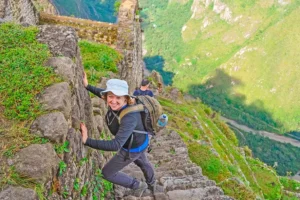
Machu Picchu Altitude: Essential Elevation Facts
How High Is Machu Picchu?
The commonly quoted Machu Picchu altitude above sea level is 2,430 meters, or roughly 7,972 feet. This refers to the archaeological site, not the summit of Machu Picchu Mountain or the nearby peak of Huayna Picchu. Visitors walk between terraces, stairways, and buildings at slightly different elevations, so individual viewpoints may produce different readings on a phone or GPS device. For general trip planning, however, 2,430 meters is the most useful reference. The important distinction is between visiting the ruins and climbing a surrounding mountain, which involves additional elevation gain and physical effort.
Machu Picchu Altitude in Feet and Meters
Travelers searching for “Machu Picchu altitude ft” or “Machu Picchu altitude feet” are looking for the same measurement: approximately 7,972 feet. Similarly, “Machu Picchu altitude meters” and “Machu Picchu altitude in m” both refer to approximately 2,430 m. Some travel resources round these numbers to 8,000 feet or 2,400 meters. Those rounded figures are useful for quick comparisons, but they should not be confused with the elevations of nearby mountains. When comparing itineraries, keep your measurements consistent so you can easily identify where you will sleep and where you will reach your highest point.
| Location | Approximate Altitude in Meters | Approximate Altitude in Feet |
|---|---|---|
| Machu Picchu archaeological site | 2,430 m | 7,972 ft |
| Aguas Calientes / Machu Picchu Pueblo | 2,040 m | 6,693 ft |
| Cusco | 3,399 m | 11,152 ft |
| Ollantaytambo | 2,792 m | 9,160 ft |
| Huayna Picchu summit | 2,693 m | 8,835 ft |
| Machu Picchu Mountain summit | 3,082 m | 10,112 ft |
| Dead Woman’s Pass, Classic Inca Trail | 4,215 m | 13,829 ft |
| Salkantay Pass | 4,630 m | 15,190 ft |
Why Elevation Matters When Visiting Peru
At higher elevations, atmospheric pressure decreases, meaning each breath supplies less oxygen even though oxygen’s percentage in the air remains essentially unchanged. Your body responds by increasing ventilation and making other adjustments over time. For a Peru Machu Picchu altitude itinerary, the challenge is often the rapid arrival in Cusco rather than the final visit to the ruins. Flying from a low-elevation city into Cusco creates a much larger immediate altitude change than traveling downhill from Cusco to Machu Picchu. Your route, sleeping elevations, and ascent speed therefore matter more than the destination’s name alone.
Machu Picchu Altitude vs Cusco: Which Is Higher?
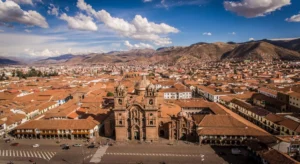
Cusco vs Machu Picchu Altitude: The Main Difference
Cusco is approximately 969 meters, or 3,179 feet, higher than Machu Picchu. This surprises many first-time visitors, especially because photographs show the ruins surrounded by steep peaks and deep valleys. In a Machu Picchu altitude vs Cusco comparison, Cusco is the higher destination and generally the more significant acclimatization concern. A traveler arriving from sea level may notice headaches, disturbed sleep, or unusual fatigue in Cusco before ever reaching Machu Picchu. Descending toward the ruins reduces altitude exposure, although it does not guarantee that existing symptoms will immediately disappear.
Cusco and Machu Picchu Altitude: Why Overnight Stops Matter
When comparing Cusco and Machu Picchu altitude, distinguish between where you spend a few hours and where you sleep. Overnight elevation is especially important because your body remains exposed for an extended period, and breathing patterns can change during sleep. A hotel in Cusco places you around 3,400 meters, while accommodation in Aguas Calientes is around 2,040 meters. That is a substantial difference. Some travelers therefore arrange to sleep lower after arriving in the region, rather than immediately combining a high-elevation hotel with demanding sightseeing or a strenuous trek the following morning.
Should You Stay in the Sacred Valley First?
Parts of the Sacred Valley offer lower sleeping elevations than Cusco, making them useful options for a gentler start. Ollantaytambo, for example, sits at approximately 2,792 meters and has convenient rail connections toward Machu Picchu. However, “Sacred Valley” covers multiple settlements, and accommodation elevations vary. Check the actual location of your hotel instead of assuming every valley property is low. Spending an initial night or two lower can help, but it is not a guarantee against illness, and symptoms should determine whether you continue ascending, rest, or seek medical advice.
Machu Picchu Altitude Highest Point: Citadel, Mountains, and Trails
The Archaeological Site Is Not the Highest Nearby Point
The phrase “Machu Picchu altitude highest point” can refer to several different places. Within the archaeological complex, terraces and visitor routes occupy different levels, but there is no reason to treat a surrounding mountain’s summit elevation as the height of the ruins. Your highest point depends on the route and any additional hike included in your ticket. If you only visit the citadel, the standard 2,430-meter figure is the relevant planning reference. If you add a mountain ascent, review its elevation, climbing effort, access conditions, and current entry rules separately.
Machu Picchu Mountain Altitude
Machu Picchu Mountain rises to approximately 3,082 meters, or 10,112 feet. Its summit is roughly 652 meters above the commonly quoted citadel elevation, although total walking effort depends on the route’s starting point and terrain. The ascent involves extended uphill climbing and many steps, so it is more demanding than a standard ruins visit. Travelers should not assume that feeling comfortable during a gentle archaeological tour means they are ready for a sustained mountain climb. Allow time to adapt, carry appropriate supplies, and skip the ascent if you develop concerning symptoms.
Huayna Picchu Altitude
Huayna Picchu, the distinctive peak behind the ruins in many photographs, reaches approximately 2,693 meters, or 8,835 feet. It is lower than Machu Picchu Mountain, but elevation alone does not determine difficulty. Steep stairways, narrow sections, exposure, and wet surfaces can make the route challenging. Visitors should consider balance, comfort with heights, and hiking experience as well as altitude tolerance. Mountain access requires the appropriate current ticket option, and rules can change. Confirm details with the official booking system or a reputable operator rather than assuming a general admission ticket includes the climb.
Machu Picchu Altitude Sickness: Risk and Symptoms
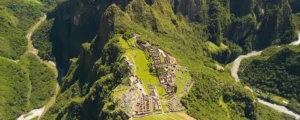
Can You Get Altitude Sickness at Machu Picchu?
Altitude sickness is possible, although the citadel is lower than many destinations where it commonly occurs. Acute mountain sickness becomes more common around 2,450–2,500 meters and above, but there is no absolute threshold that protects everyone below it. Individual susceptibility, recent ascent, sleeping altitude, and previous exposure all influence risk. Someone visiting Machu Picchu after becoming ill in Cusco may still feel unwell at the ruins. Conversely, many travelers tolerate the site comfortably after allowing time to acclimatize and avoiding an overly ambitious schedule during their first days in the Andes.
How High Does Machu Picchu Altitude Sickness Start?
Searches such as “how high is Machu Picchu altitude sickness” usually ask when elevation becomes a health concern. There is no single height at which everyone becomes sick. Rapid ascent to Cusco’s approximately 3,400 meters presents a more substantial concern than the citadel’s approximately 2,430 meters. Fitness does not provide reliable protection, and a person who exercised regularly before traveling can still develop symptoms. Previous altitude illness is useful information for planning, but having tolerated one mountain trip does not guarantee the same response on another trip with a different ascent profile.
Machu Picchu Altitude Sickness Symptoms
Acute mountain sickness usually develops within several hours after ascending, often becoming noticeable during the first night. A typical pattern is a headache after recent altitude gain accompanied by symptoms such as nausea, dizziness, or unusual fatigue. These symptoms can overlap with dehydration, travel exhaustion, infections, and other problems, so avoid assuming every headache is altitude illness. However, do not dismiss a worsening symptom pattern simply because your companions feel fine. Recognizing possible Machu Picchu altitude sickness symptoms early gives you more time to stop, rest, and arrange appropriate help.
- Headache: Especially when it develops after a recent ascent.
- Nausea or reduced appetite: Sometimes accompanied by vomiting.
- Dizziness: Lightheadedness or feeling less steady than usual.
- Unusual fatigue: Weakness that seems disproportionate to your activity.
- Sleep disruption: Common at altitude, although not diagnostic by itself.
Emergency Warning Signs: When to Seek Immediate Help
Shortness of breath while resting, confusion, inability to walk normally, marked drowsiness, or a worsening cough with severe weakness can indicate a serious altitude-related emergency or another dangerous condition. High-altitude pulmonary edema affects the lungs, while high-altitude cerebral edema affects the brain. Stop ascending, obtain urgent medical assistance, and arrange descent with help. Supplemental oxygen can be valuable when available, but it should not delay evacuation. Do not leave a confused or unsteady traveler alone or expect them to hike down an exposed trail without assistance.
What to Do If You Feel Unwell
If mild symptoms develop, stop strenuous activity and do not move to a higher sleeping elevation while symptoms persist. Rest, drink normally, eat as tolerated, and discuss symptoms with a qualified healthcare professional or trained guide. If symptoms worsen at the same elevation or do not improve, descent and medical evaluation are important. Descending from Cusco toward lower accommodation may help, but travel logistics should never take priority over urgent care. This general information cannot diagnose your symptoms or replace individualized medical advice before or during your trip.
How to Prepare for Machu Picchu Altitude
Build Acclimatization Time Into Your Itinerary
The most useful preparation is a gradual ascent whenever your schedule allows. Avoid flying into Cusco and immediately starting an intense high-altitude trek. An initial stay at a lower elevation, followed by light activity and a gradual increase in effort, gives your body time to adjust. For high-altitude trekking, sleeping-elevation gains matter: above 3,000 meters, widely used guidance recommends limiting increases to about 500 meters per night and including extra acclimatization nights. These are planning principles rather than guarantees. Your health, symptoms, and route may require a slower schedule or a different itinerary.
Exercise Before Traveling, but Understand Its Limits
Walking, stair climbing, and aerobic exercise can make Machu Picchu’s uneven paths more manageable. If you plan to climb a mountain or complete a multiday trek, train with progressively longer walks and appropriate elevation gain before departure. Nevertheless, physical conditioning does not prevent altitude sickness. Strong hikers sometimes overexert themselves because their legs feel capable even while their bodies are still adjusting to reduced oxygen availability. Use your first days to establish a comfortable pace, take breaks before exhaustion, and remember that slower movement is sensible altitude management rather than a sign of poor fitness.
Hydration, Food, Alcohol, and Sleep
Drink enough to maintain normal hydration, but do not force excessive amounts of water; overhydration does not prevent altitude illness and can itself be dangerous. Eat regular meals that you tolerate well, and carry a simple snack if travel connections make meal times unpredictable. Avoid alcohol during early acclimatization and be cautious with sedatives or sleeping medicines unless a clinician has advised you about their use at altitude. Prioritize rest, particularly after overnight flights. Fatigue, alcohol, and dehydration can complicate how you feel and make it harder to interpret emerging symptoms.
Ask a Clinician About Altitude Medication
Travelers with rapid-ascent itineraries, previous altitude illness, or demanding trekking plans should discuss prevention with a travel-medicine clinician. Acetazolamide is commonly used to support acclimatization when appropriate, but it is not necessary for everyone and does not replace gradual ascent or sensible decisions. Prescription choice, timing, and suitability depend on individual medical circumstances. Also seek personalized advice if you have heart or lung disease, significant anemia, sleep-related breathing problems, or are pregnant. Do not borrow someone else’s medication or continue ascending simply because you have taken a preventive tablet.
Does Coca Tea Prevent Altitude Sickness?
Coca tea is commonly offered in Cusco and elsewhere in the Andes, but reliable evidence that it prevents or treats altitude sickness is lacking. Some travelers enjoy it as a warm drink, yet feeling temporarily better should not be interpreted as proof that an altitude problem has resolved. Coca products can also have legal and drug-testing implications. Do not transport coca leaves or related products across borders without checking destination rules. Most importantly, tea, herbal remedies, and small oxygen canisters should never substitute for medical assessment or descent when symptoms suggest serious illness.
What to Pack for a More Comfortable Visit
Good equipment does not change the altitude, but it helps reduce avoidable physical stress. Wear broken-in footwear with reliable traction, bring weather protection, and carry only what you need within current site restrictions. Conditions can shift between sunshine, rain, and cool shade, so lightweight layers are useful. Sun protection matters even when temperatures feel mild. If you use prescription medicines, keep them accessible rather than buried in luggage stored elsewhere. Confirm baggage, walking-pole, and other entry rules before departure because restrictions for the archaeological site may differ from those on trekking routes.
- Comfortable footwear and breathable clothing.
- A lightweight rain layer and sun protection.
- Water in a permitted container.
- Essential medicines and relevant medical information.
- Travel insurance details, including trekking and evacuation coverage when needed.
Salkantay Trek to Machu Picchu Altitude
Salkantay Pass Is Much Higher Than the Ruins
The Salkantay trek to Machu Picchu altitude profile is very different from a train-based visit. Many standard itineraries cross Salkantay Pass at approximately 4,630 meters, or 15,190 feet, more than 2,000 meters above the archaeological site. Optional excursions and route variations can introduce additional high points. This means a traveler may face their greatest altitude exposure several days before reaching Machu Picchu. Evaluate the trek according to its highest pass, overnight camps, and daily ascent pattern, not according to the relatively moderate elevation of its final destination.
Acclimatization and Safety for the Salkantay Trek
Allow several acclimatization days before starting Salkantay, with the exact plan shaped by your arrival altitude, prior experience, and medical advice. Carefully review the operator’s camp elevations and emergency procedures. Some routes place hikers at substantial altitude very early, and a fixed group schedule can make adjusting the pace difficult. Ask whether the operator carries emergency oxygen, has reliable communication, and can arrange evacuation. Choose insurance that covers the route’s maximum elevation and planned activities. Even with good preparation, report symptoms promptly and be willing to change plans rather than push over the pass.
Salkantay Trek vs Classic Inca Trail Altitude
The Classic Inca Trail commonly reaches its highest point at Dead Woman’s Pass, approximately 4,215 meters, or 13,829 feet. Standard Salkantay itineraries therefore usually reach a higher maximum elevation. However, maximum altitude is only one aspect of difficulty: daily distance, accumulated climbing, camp elevations, weather, and trail conditions also matter. A shorter route is not automatically safer if it ascends too quickly. Compare complete day-by-day itineraries and choose a trek that suits your experience and available acclimatization time, rather than selecting purely by scenic reputation or the number of days advertised.
Planning a Lower-Stress Machu Picchu Altitude Itinerary
A Gradual Approach for Train-Based Visitors
A practical strategy for some visitors is to arrive in the Cusco region, transfer to suitable lower-elevation accommodation in the Sacred Valley, and keep the first day relaxed. After time to adjust, continue by train toward Aguas Calientes and visit Machu Picchu without adding a strenuous mountain climb immediately. Returning to Cusco afterward allows you to experience the higher city later in the trip. This approach still involves altitude exposure, including arrival in Cusco, and is not appropriate for every medical situation. Build flexibility into reservations where possible.
Adjust the Schedule to Symptoms, Not Just Reservations
No itinerary should require you to ignore a worsening headache, repeated vomiting, severe weakness, or breathing difficulty. An extra acclimatization day may be more valuable than completing every planned excursion. Tell your guide and travel companions if you feel unwell rather than hiding symptoms to avoid delaying the group. Families should watch children for unusual irritability, reduced activity, or poor appetite because they may struggle to describe symptoms clearly. Older adults and travelers with health conditions should prioritize individualized advice, but age alone does not reliably predict who will develop altitude illness.
Frequently Asked Questions About Machu Picchu Altitude
Is Walking Up From Aguas Calientes Harder Than Taking the Bus?
Yes. Walking from Aguas Calientes to the entrance adds a substantial uphill effort before your archaeological visit. The settlement is around 2,040 meters above sea level, while the ruins are commonly quoted at 2,430 meters. Actual climbing depends on your starting point and route. Taking the bus reduces exertion, though it does not change the altitude at the site. If you are still adjusting, conserving energy may make the visit more comfortable. Anyone with concerning symptoms should seek advice rather than treat the bus as a solution to altitude illness.
What Is the Best Season for Avoiding Altitude Sickness?
No season eliminates altitude sickness because the underlying elevation remains essentially unchanged. Weather affects comfort and trail conditions rather than providing dependable protection against illness. Rain can make steps slippery, while clear sunshine can increase heat and sun exposure during exertion. Choose travel dates based on weather preferences, crowds, and ticket availability, then manage altitude through ascent planning, pacing, and symptom awareness. Whether you visit during wetter or drier months, the same principle applies: do not continue ascending when altitude-related symptoms are worsening.
Final Takeaway: Focus on Your Whole Route
Machu Picchu altitude is approximately 2,430 meters or 7,972 feet, significantly lower than Cusco and the highest points of popular trekking routes. For most travelers, the smartest preparation focuses on the entire journey: where you arrive, where you sleep, how quickly you ascend, and whether you add demanding hikes. Allow time to adjust, understand the warning signs, and keep your plans flexible. A well-paced itinerary helps you enjoy the ruins without mistaking an iconic destination’s elevation for the highest or hardest part of your Peru adventure.